
Applications · Automotive · Steel Sheet
A component is qualified by evidence, not by a grade name.
An automotive component does not qualify its material by the grade name on a certificate. It qualifies it by evidence: whether the sheet forms the part without splitting or wrinkling, whether it holds a surface the customer accepts, whether it welds and coats repeatably, and whether every piece in the batch behaves the same as the first-off. Those questions have answers, and the answers live in your tooling, your trials and your programme's own approval path — not in the word automotive. This page maps each component risk to the material input that carries it and the evidence that closes it.
Send the standard, the forming severity and the surface class with the grade. Pricing is on request, and no approval is claimed before the programme's own path is followed.
Four risks decide a component's material. Each one is closed by evidence, and by a party who actually holds that evidence.
Forming
Surface
Joining
Repeatability
What The Component Requires
Four risks a component enquiry has to close
An automotive component is judged on how it performs, and each way it can fail puts a demand on the sheet. The demands are answerable — but each one is answered by a particular party, and mixing them up is how a material order gets mistaken for an approval.
The part splits, wrinkles or tears on the press
Material input
Forming severity and the surface condition the drawing calls for, taken from the standard the component is specified to — not from a general grade description.
Evidence that closes it
A first-off formed on the production tooling, at the ordered thickness, inspected against the drawing. The material's certificate confirms the grade; the trial is the only thing that answers whether the part forms.
No grade can be promised to form a specific part from a specification alone. The severity is declared on the order and the trial closes it.
The surface is rejected on a visible panel
Material input
The surface class or finish designation, stated as its own order field, plus which face is the visible one.
Evidence that closes it
A surface condition agreed in writing and checked on the first-off, against the panel the customer will see. Surface is judged by eye at the line, so it belongs on the order rather than in the correspondence.
Appearance acceptance sits with the customer or the programme. A supplier confirms the surface that was produced, not that the customer will accept it.
The joint does not perform as designed
Material input
The grade's chemistry and thickness, named explicitly, so the welding or joining process can be assessed against a real material.
Evidence that closes it
A weld procedure qualified against the actual grade and thickness, owned by the party holding the design. Where a coated sheet is welded, the coating's behaviour under the joining process also has to be established.
Weldability is a statement about a grade, a thickness and a process together. It is never a property of steel sheet as a category.
The batch drifts from the approved sample
Material input
The full order condition — grade, thickness with tolerance basis, surface class, forming severity — fixed so that a second order reproduces the first.
Evidence that closes it
A documented order condition against which each consignment is checked, and a traceability chain from the piece back to the heat and the release. Repeatability is a record-keeping achievement before it is a metallurgical one.
Consistency cannot be promised from a product family. It is held by specifying completely and checking every delivery against the same baseline.
Component Risk Map
Describe the component, and see the inputs and the gates it raises
One question per component decision. Each answer sets a field on the enquiry and names the approval gate behind it. Nothing is calculated and no grade is selected — the map assembles the values the order has to carry, and the party each one belongs to.
What does the component do on the vehicle?
Sets the enquiry field: Component function and part family
The function sets what the part is judged on — a visible panel is judged on appearance, a structural part on the joint and the deformation, a bracket on little beyond its press performance. Declaring it is what lets the right evidence be chosen.
The part family is how obligations are assigned in a programme, and it is set by the customer's drawing and the tier's own plan — not by the material supplier.
Your component risk map
- Component functionnot set
- Drawing severitynot set
- Surface classnot set
- Coating & protectionnot set
- Evidence & approvalnot set
Still to answer: Component function, Drawing severity, Surface class, Coating & protection, Evidence & approval.
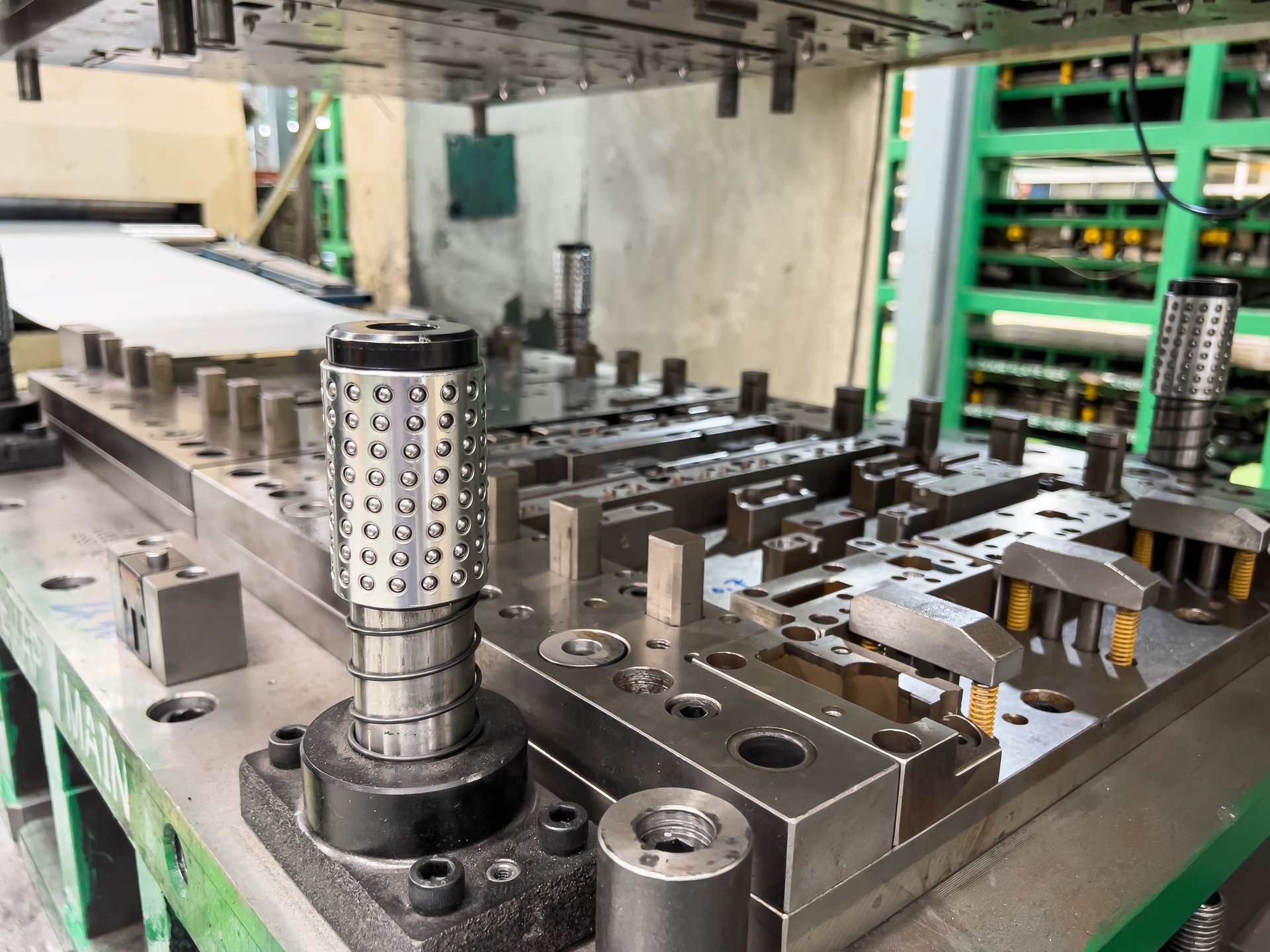
Choosing the Sheet Form
Three forms, and the component duty each one takes
Automotive sheet components are drawn from a small number of product forms. Which one is right follows from the forming operation the part goes through and the protection it needs, not from the part's name.
Cold-rolled sheet
The form most cosmetic and formed components are drawn from, because the cold-reduction route delivers the surface and thickness consistency that forming severity and surface class are read against. It is the form where those two fields are named on the standard itself rather than negotiated afterwards.
Suits components where the forming is demanding or the surface will be seen.
Coated sheet
Sheet that arrives with corrosion protection already applied, for parts where the protection has to survive the vehicle rather than just the build. The consequence is that forming, cutting and joining all disturb the coating locally, so the sequence has to be decided with the component rather than after it.
Suits underbody and internal parts where a coating is the corrosion strategy.
Stainless steel sheet
Corrosion resistance comes from the steel itself, so the protection is not interrupted by the forming or the cut edges. Its forming and joining behaviour differs from carbon sheet, and it calls for its own tooling and cleanliness discipline — worth weighing against the duty the component actually sees.
Suits exposed, decorative or continuous-corrosion duties where a coating is not the right strategy.
Where the component is being drawn from a cold-reduced sheet, the surface and forming fields that automotive work turns on are set out on the cold rolled steel sheet route, where they belong to the specification rather than the negotiation.
A product form is a starting point, not an approval. Naming the form tells a supplier what to offer; it says nothing about whether the component built from it satisfies a programme.
Writing the Component Order
The fields an automotive sheet order carries, and what each one fixes
A material order names a product. A component order names the product and the conditions the part imposes on it. These are the fields that turn the first into the second.
| Order field | What it fixes on the component |
|---|---|
| Standard and edition | The document the component is specified to, and the basis its inspection documents are read against. |
| Grade / designation | The steel the part is drawn from — the value the forming, joining and strength questions attach to. |
| Thickness with tolerance basis | The value the die and the part were designed around, with the variation the order permits. |
| Forming severity | How much the material is asked to stretch. The field that makes a forming requirement checkable. |
| Surface class and visible face | The surface the part is accepted on, and which face the customer will see. |
| Coating and sequence | Whether protection is bought with the sheet or applied after forming, and how joining interacts with it. |
| Dimensions and blank size | Whether the order is a full sheet or a cut blank, and how the parts nest from it. |
| Quantity and reconciliation basis | How the order is checked — by piece, area or weight — against which figure. |
| Required documents and approval path | The record set the programme demands, and the approval route that sits outside the material supply. |
No property value, tolerance figure, coating mass or forming limit is published here — each is read from the standard and edition the component is specified to.
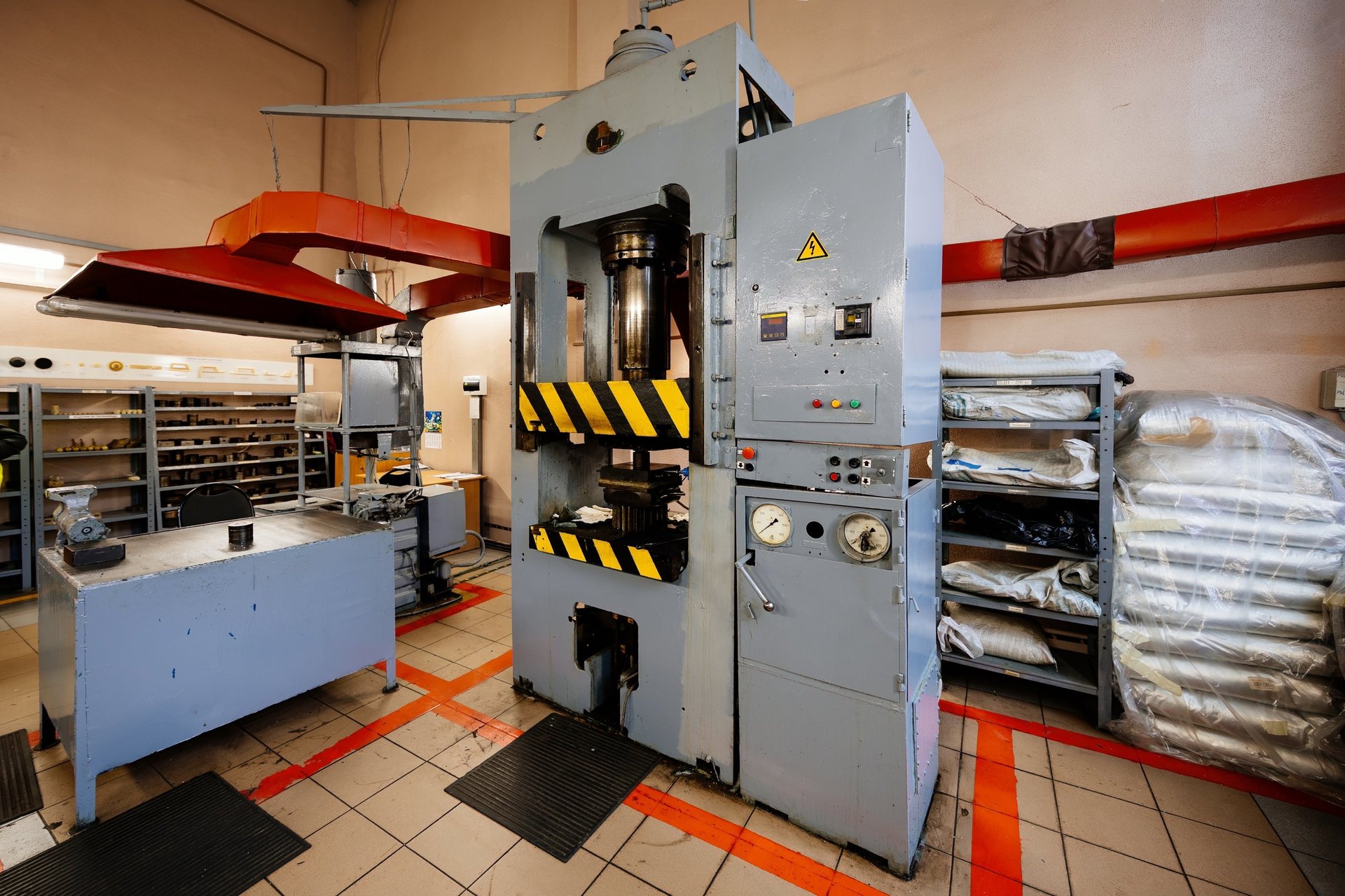
Confirm which product form the component sheet belongs to before the order is written — the steel sheet supplier range sets out the forms a component order can be drawn from.
Where the component line is fed from a coil rather than from cut sheets, the upstream form and its handling conditions are covered in the steel coil range.
What The Record Proves
The certificate evidences the material. It does not approve the part.
Automotive procurement runs on documents, and the single most useful discipline is keeping the material documents and the component approvals apart. They are produced by different parties, for different purposes, and neither substitutes for the other.
What the material record establishes
The grade the sheet was produced as, its thickness against the standard your order cites, its surface class and, where traceability is required, the chain from the piece back to its heat and release.
What it cannot establish
That the component is approved, that the tooling will run it, or that the part meets the drawing. Those concern the component and its process, and a material document has not seen any of them.
Who holds the component approvals
The programme qualification, the part approval and the supplier approval belong to the tier and the OEM, and they are granted through the customer's own process — a first-off, a dimensional and functional conformity assessment, a documented approval path. A material supplier's contribution to that path is the certificate, the records and the consistency, and it is a real contribution. It is simply not the approval itself, and treating it as one is the error this page exists to prevent.

Request a Quote
Send the component's requirements with the material specification
A component enquiry needs the material fields and the component conditions. Name the standard, the forming severity and the surface class, and anything left open comes back as a question rather than an assumption.
Component function and part family
The function sets what the part is judged on — a visible panel is judged on appearance, a structural part on the joint and the deformation, a bracket on little beyond its press performance. Declaring it is what lets the right evidence be chosen.
Forming severity
Forming severity is the field that tells a supplier how much the material will be asked to stretch. It is declared on the order from the standard the component is specified to, and it is what makes a forming-quality requirement checkable rather than assumed.
Surface class and visible face
A surface class is an order field in its own right, separate from the grade. Declaring which face is visible keeps the acceptance criterion attached to the surface the customer will actually look at.
Commercial Basis
What is confirmed against your enquiry, not published in advance
A component sheet order turns on the grade, the thickness and the forming severity together. Whether the combination your component needs is obtainable is confirmed per enquiry rather than assumed from a product list.
Grade, thickness and severity together
Whether the combination your component needs is obtainable — the three are checked as one, because each constrains the others.
Surface class availability
Whether the surface the component is accepted on is obtainable on the grade and thickness you have specified.
Consistency across the batch
That the order condition is written fully enough for a second delivery to reproduce the first, and checked against the same baseline.
Documents and origin
The certificate, the traceability record and the producing source, stated against the actual enquiry.
Pricing is on request. No rate, lead time or stock position is published before the material and the component requirements are confirmed.
Related Routes
Where the questions either side of this one are answered
Each of these settles something a component enquiry raises. Open one only when it is the question in front of you.
GCC Supply
Component sheet into the Gulf — quoted against the drawing's own order condition
Automotive component work across this region spans tier supply and local fabrication, and the material requirement is written from the drawing in every case. Each country is planned on its own route, against the specification the programme cites.






A country link is a destination-planning page. None of them implies a local office, warehouse or stock position, and none of them changes the requirements on your component order.
Why "automotive grade" is not a specification
The word describes a destination, not a material.
When a sheet is described as automotive grade, the phrase is doing something a specification cannot do: it is naming where the material is going rather than what it is. There is no single automotive sheet standard that a supplier can conform to and be finished with, because the requirements come from the vehicle programme — its drawing, its surface expectation, its joining method and its own acceptance criteria. Two components on the same vehicle can call for material that differs in grade, thickness, surface class and forming severity, and both would be described as automotive in conversation.
What actually varies across those components is worth separating out. Drawability turns on the grade and the operation together, not on the destination. Surface expectation is set by whether the part will be seen, which is a design decision. Weldability depends on the grade, the thickness and the process. Traceability is a requirement the programme imposes, and it is met with records rather than with a material property. Each of those is answerable — but only against a named standard, a named grade and a stated severity, which is exactly what the phrase automotive grade leaves open.
This is also why the qualification is not transferable. A sheet that performed on one component does not thereby qualify for another, because the second component's die, its surface requirement and its joining method are different. The evidence that qualified the first part was produced on the first part's tooling, against the first part's drawing. Move it to a new part and the qualification has to be earned again — not because the material changed, but because the question did.
The practical consequence for an enquiry is straightforward. Ask what the component needs the sheet to do, name the standard and the grade that carry it, state the forming severity and the surface class as their own fields, and let the approval path stay with the party who owns it. That is a specification a supplier can quote against and a plant can check — and it is more useful than a word that describes where the material is going.
Why Write It From the Component
What a requirement-first enquiry buys the component engineer
Writing the order from the component backwards takes a few more lines than naming a grade. These are the honest terms of that exchange.
Evidence aimed at the right risk
When the component's risks are named, the evidence is chosen to close them — a first-off for the drawing, a surface agreement for the panel, a procedure for the joint — rather than a general document set that proves nothing in particular.
Approval boundaries stay intact
Keeping the material certificate and the component approval as separate claims is what stops a supplier document being read as a programme approval, and stops the delay that discovery causes.
The component answers still come from you
That is the cost. No supplier can establish your forming severity, your surface expectation or your approval path — those belong to the drawing, the plant and the programme.
How the Order Moves
From the component drawing to a checked delivery
Each step settles something the next one depends on. The standard is fixed before the grade is named, and the forming severity is established before the sheet is ordered.
- 01
Read the component's risks off the drawing
Establish what the part is judged on — the draw, the surface, the joint, or simply its repeatability — because that is what the material has to serve.
- 02
Fix the standard, grade and thickness
Name the document the component is specified to, the designation within it and the thickness with its tolerance basis. Those three are what every other question attaches to.
- 03
State the severity and the surface class
Put the forming severity and the surface class on the order as their own fields, so the requirement is checkable rather than judged by eye at the line.
- 04
Agree the evidence and the approval path
Settle which documents the programme needs, and keep the part approval with the tier and the OEM rather than reading it from a material certificate.
Grade availability, severity-and-thickness pairing and producing origin are confirmed against the live enquiry — never inferred from a published list or a material's name.
Request a QuoteCommon Questions
Questions a component enquiry usually raises
Do you hold OEM approvals or PPAP for automotive sheet?
This page makes no claim about OEM approval, part approval status, customer approval or automotive certification, and none should be read into anything here. What is described is how component material is specified and evidenced commercially. Whether a given sheet is acceptable to a particular vehicle programme is decided by that programme's own qualification and supplier-approval process, which sits with the tier and the OEM. A material supplier's job on a component enquiry is to supply the declared grade and the records that go with it.
How do I know the sheet will draw my part without splitting?
No one can answer that from a grade name, and a supplier who offers to should be treated with care. What can be fixed in advance is the requirement: the forming severity the component demands, declared from the standard it is specified to, and the surface class the drawing calls for. Those go on the order. Whether a given coil then draws your specific part is answered on your tooling, by a first-off at the ordered thickness — which is a trial, not a calculation, and it is the only thing that actually settles it.
Can a material certificate serve as part approval?
No, and conflating the two is the most common misunderstanding on a component enquiry. A material certificate evidences the material: the grade it was produced as and the results that grade requires. Part approval is a different thing entirely — it concerns the component, its process, its tooling and its dimensional and functional conformity, and it is granted by the customer or the programme. The certificate is an input to that process, never a substitute for it.
What does the surface class actually control?
It controls the surface the part is accepted on, and it is a separate order field from the grade. On an exposed panel it is what makes a surface requirement checkable rather than a matter of opinion at the line; on an internal part it may be relaxed deliberately. Because surface is judged by eye, a class that was not written down gets judged against whatever the mill released — so it belongs on the enquiry whenever the part will be seen.
What has to be on an automotive sheet enquiry?
The standard and edition the component is specified to, the grade, the thickness with its tolerance basis, the surface class and forming severity, the coating and its sequence, the dimensions and blank size, the quantity with its reconciliation basis, the documents the programme requires and the destination. Add the first-off or trial arrangement if the component will be proved before release. State the forming severity and the surface class explicitly — they are the two fields an automotive order most often leaves to assumption.
Specify what the component needs the sheet to do
Send the standard and edition, the grade and thickness, the forming severity and the surface class, with the documents the programme requires. The offer comes back written against the part you are making, with the approval path left where it belongs.
sales@noordeirasteel.ae · +971 56 398 0860 · Business Bay, Dubai