
Rebar for Construction
Rebar for
Construction
Rebar for a construction project is bought package by package, not as one order: split the works into their packages and zones, then for each one fix the grade and standard from the approved drawing, the bar bending schedule that sets the lengths and shapes, the testing regime the specification calls up, and the phased receiving sequence the programme needs.
Where a construction quote is won or lost
- The project is split into work packages and zones first — a single project-wide tonnage cannot be checked against the drawings.
- Cut lengths and shapes come from the bar bending schedule, not from diameters alone.
- Testing and sign-off are set per package, and delivery is phased to the programme — not one blanket regime.
Information current as of
Return to the steel rebar product familyWhy Construction Is Not One Order
The work packages, controls and sign-off owners that split a project's reinforcement
A building project has no single rebar requirement. Substructure, superstructure, slabs and external works each carry their own drawing, their own bar bending schedule, their own testing requirement and their own sign-off. This section maps the packages and the controls that differ between them — the structural design and the acceptance criteria themselves stay with the design team and the project specification.
Package boundaries
Substructure, superstructure, suspended slabs, ground-bearing slabs and external works are separate packages, frequently let to different subcontractors and released on different dates.
Drawing and schedule status
Quantities are only dependable once drawings are approved for construction and a bar bending schedule gives cut lengths and shapes. A tender list of diameters is not a deliverable order.
Grade and standard per element
Different elements within one project can specify different grades and standards. Each is taken from its own approved drawing, not from a project-wide assumption.
Testing and sampling
The testing regime is set by the project specification for that package — mill certificates alone, certificates plus project testing, or witnessed sampling are different requirements.
Sign-off ownership
The consultant or supervising engineer, the main contractor's QA department and the client representative hold different acceptance rights, and they can differ package by package.
Phased receiving
Material arrives in phase with the programme. Bundle marking, delivery notes and laydown space are keyed to the package and placement zone so each load can be checked against the drawing.
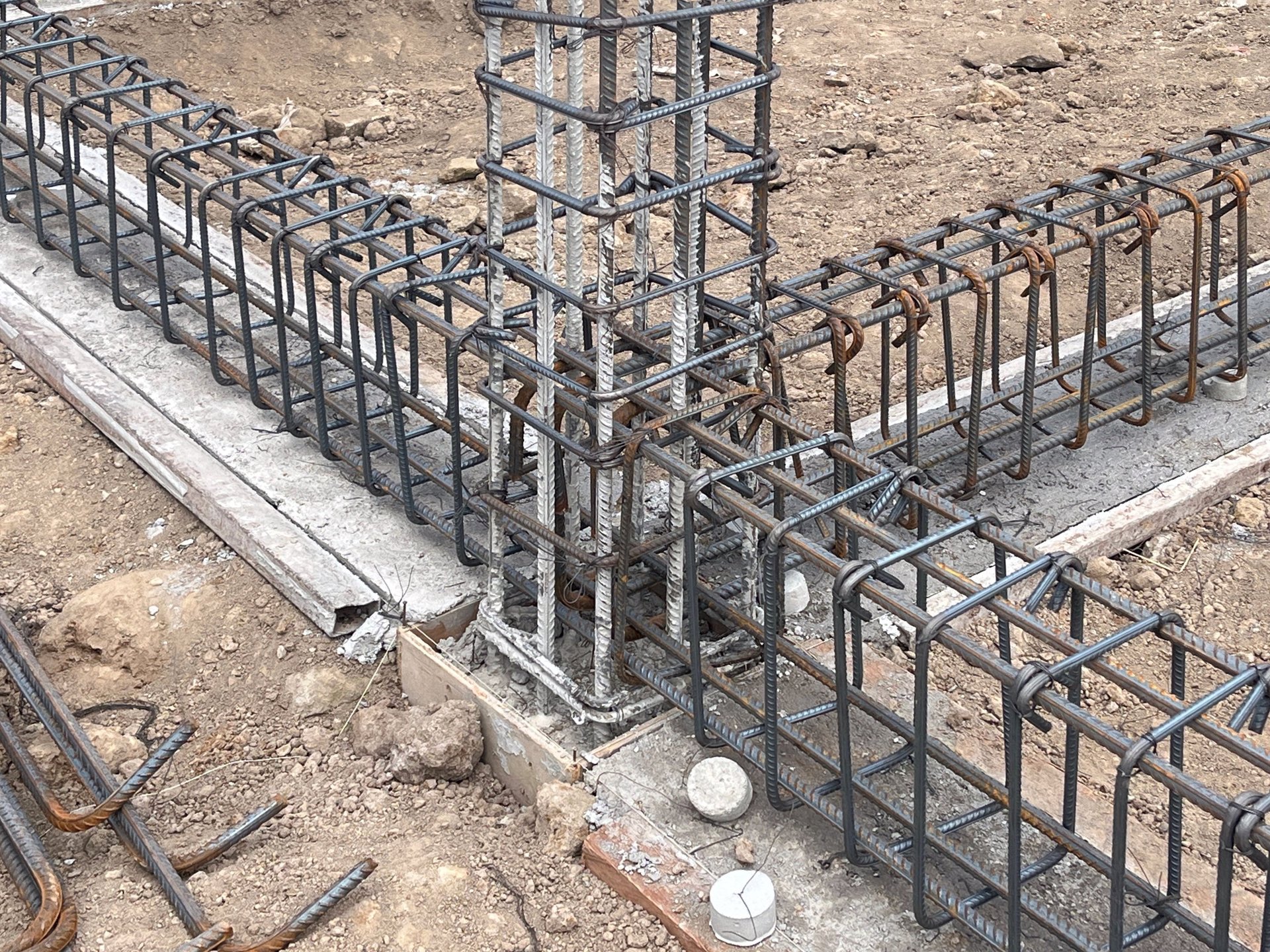
No universal grade or regime
There is no single rebar grade, standard, testing regime or acceptance rule that applies to construction as a whole. Treating one project's basis as if it applied to every element — or one package's testing as if it covered the project — is how compliant material is rejected on site. Each package is confirmed against its own approved drawing and specification.
Construction Package Compliance & RFQ Planner
Set up one work package against its drawings, schedule, testing and receiving plan
Plan the package you are pricing or placing now — one package, one basis. The planner returns how the order should be split and marked, the open items still blocking release, the documents to request and a copyable summary. It does not set structural design, cover or acceptance criteria, and it does not approve a substitution.
Package inputs
Required fields marked *One planner run per package; repeat for each part of the works.
Documents to request with the consignment
The planner does not perform structural design, does not set cover or acceptance criteria, and does not estimate weights. Everything you enter is carried into the summary exactly as written for the commercial department to check against the approved drawings and specification.
Package result
Start with the package, the bar bending schedule and the grade
Until the package is named, the schedule status is known and the grade and standard are taken from the approved drawing, there is no defensible basis for a quantity, a cut length or a price. These three come first.
Open items blocking release
- Work package not selected — each package carries its own schedule, zones and receiving sequence.
- Drawing issue status not stated — quantities cannot be relied on until the drawing is approved for construction.
- Bar bending schedule status not stated — cut lengths and shapes come from the schedule, not from diameters alone.
- Grade and standard not stated from the approved drawing.
- Testing regime not confirmed — mill certificates alone and project-specific testing are different requirements.
- Sign-off owner not named — the consultant, contractor QA and client representative hold different acceptance rights.
- Zone or placement area not stated — phasing, marking and delivery sequencing depend on it.
- Receiving phase or required date not stated.
Nothing is transmitted yet. Carry the completed summary to the commercial department at the rebar RFQ page for a confirmed quotation.
Choosing the Basis for Each Package
Grade, schedule and form — when each is the right choice, and when it is not
A construction package is defined by the drawing, the schedule and the form the bar arrives in. Each route below states when it should be selected, the boundary that keeps it from being treated as a swap, and when it should be excluded — because a comparable strength figure is not the same as a permitted substitution.
Deformed bar to the design's grade
Select it when
The standard reinforcing form for building elements, where the approved drawing specifies a deformed bar and names the grade and standard for that package.
Technical boundary
Deformed bar is a bar form, not a grade. Selecting the form does not settle the standard, the grade or the cover the element requires.
Exclude it when
Exclude where the drawing specifies a different form or a coated or corrosion-resistant bar for that element.
Review the deformed bar typeCut-and-bend to a full schedule
Select it when
Selected wherever a bar bending schedule gives shapes and cut lengths, which is the normal basis for columns, beams, slabs and pile caps where site cutting would waste material and time.
Technical boundary
The schedule is only as good as the drawing behind it; if the drawing is not approved for construction the cut lengths are provisional and cannot be fabricated.
Exclude it when
Exclude straight-length buying where the schedule is issued and congestion or wastage makes site bending uneconomic.
Compare the RC applicationPrecast element reinforcement
Select it when
Selected where slabs, walls, stairs or façade elements are produced off site and the reinforcement is placed in a controlled casting yard rather than on the frame.
Technical boundary
Precast production adds casting tolerances, lifting and transport requirements to the supplied bar that cast in-situ work does not have.
Exclude it when
Exclude where the element is cast in situ, or where the approved schedule is for loose or cut-and-bend bar on site.
Review precast reinforcementRoad and infrastructure packages
Select it when
Selected where the project includes carriageways, kerbs, drainage, retaining structures or other road and infrastructure works, which carry their own schedules and often their own specification basis.
Technical boundary
Road and infrastructure elements may specify different grades, covers and exposure treatments from the building frame, so their tokens are not interchangeable with the building package.
Exclude it when
Exclude where the works are wholly within the building envelope and the building specification governs.
Compare the road & infrastructure route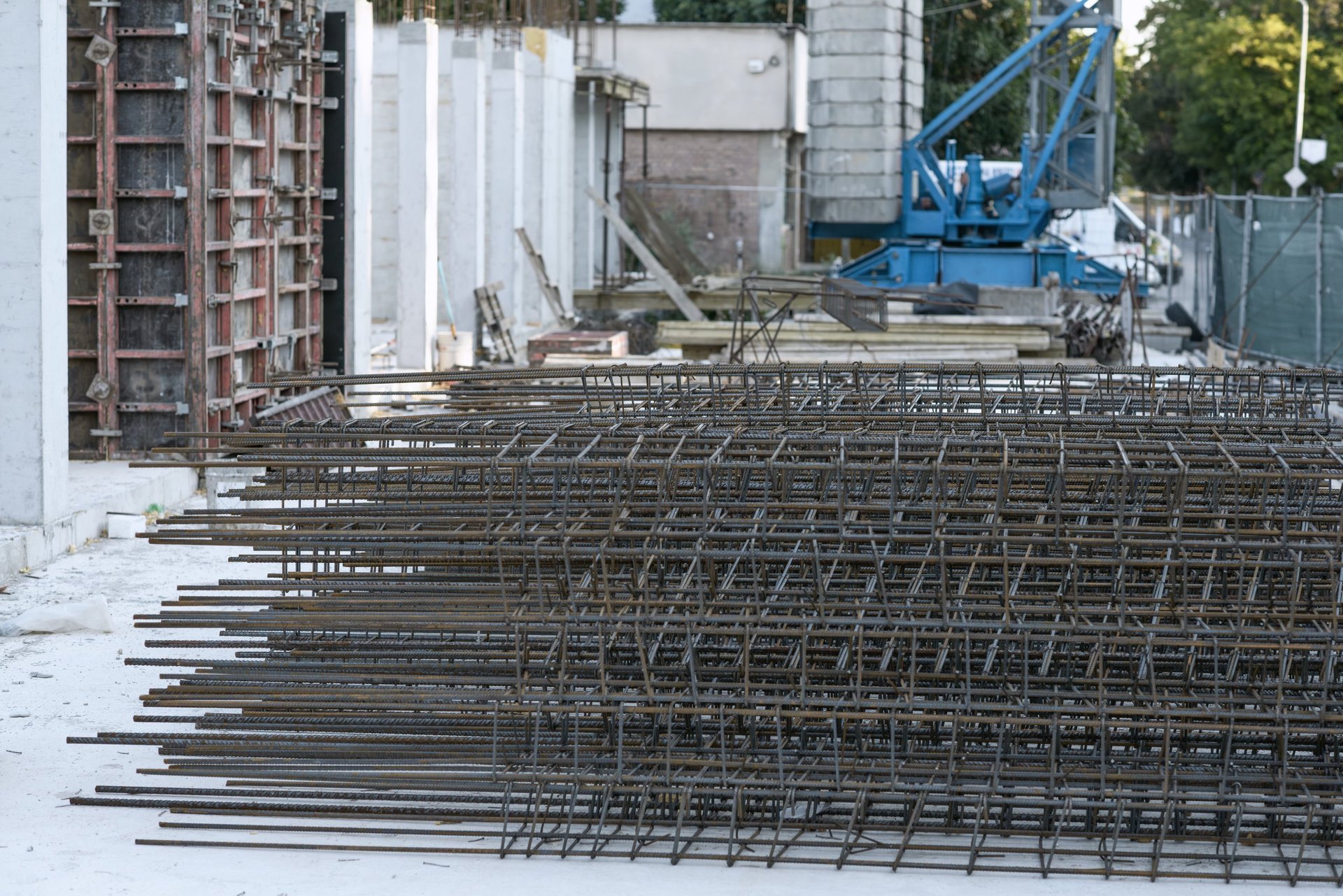
The schedule decides the deliverable
A schedule, a diameter list and a drawing are three different things
A bar bending schedule is the document the order is actually built from: it fixes every bar mark, shape, cut length and quantity for the package. A drawing without a schedule gives geometry but not a fabricable list, and a diameter list gives a weight estimate but no cut lengths at all.
When the schedule is complete and the drawing is approved for construction, the order can be split by bar mark and grouped by zone, and each delivery can be checked against the drawing on arrival. Where the schedule is partial or still at tender stage, the honest position is that quantities are provisional — and that belongs in the enquiry rather than in a firm price.
Basis boundary
No form, grade or basis on this page is a substitute for another. A comparable specified strength does not make one grade or standard interchangeable with the one the drawing names, and a change to any of them is a design decision requiring the design team's approval.
Tender Basis
What a defensible construction rebar enquiry has to state, and where each input comes from
A package becomes quotable once the drawings, the schedule and the acceptance framework are unambiguous. Each row names the input, the authoritative source it must come from, and what goes wrong if it is left open. Values that vary by standard, edition and grade are confirmed from the approved documents — they are not published here as fixed figures.
| Input | Authoritative source | If left open | Package field |
|---|---|---|---|
| Package & zone split | Approved general arrangement and reinforcement drawings, keyed to the construction programme. | The order cannot be grouped, marked or released in phase with the works. | Package / zone — fixed. |
| Bar bending schedule | The issued schedule for that package, giving bar marks, shapes, cut lengths and quantities. | Cut lengths cannot be fabricated and quantities remain an estimate. | Schedule ref — fixed. |
| Grade & standard | The approved drawing and the project specification for the element. | Mechanical properties, marking and acceptance are all uncertain. | Grade / standard — fixed. |
| Bar form & detailing | The schedule's shapes plus laps, couplers and any congestion or tolerance notes. | The deliverable is undefined and cannot be inspected on arrival. | Form / detailing — fixed. |
| Testing regime | The project specification and inspection and test plan for that package. | The wrong evidence is supplied and the load is held at receiving. | ITP reference — required. |
| Sign-off owner | The project's quality and acceptance structure for that package. | Nobody is named to release the material, so it sits in the laydown. | Sign-off — fixed. |
| Phasing & required dates | The construction programme and placement sequence. | Delivery cannot be planned and site storage becomes a problem. | Phase / date — required. |
| Destination & documents | Project logistics scope, importer requirements and Incoterm. | Delivery basis and document set cannot be fixed. | Destination / Incoterm — required. |
Values that vary by standard, edition, grade and ordered unit system are confirmed at quotation from the approved documents and the actual delivered consignment — they are not published here as fixed numbers.
Testing & Receiving
What to verify for the delivered load, and how it is received package by package
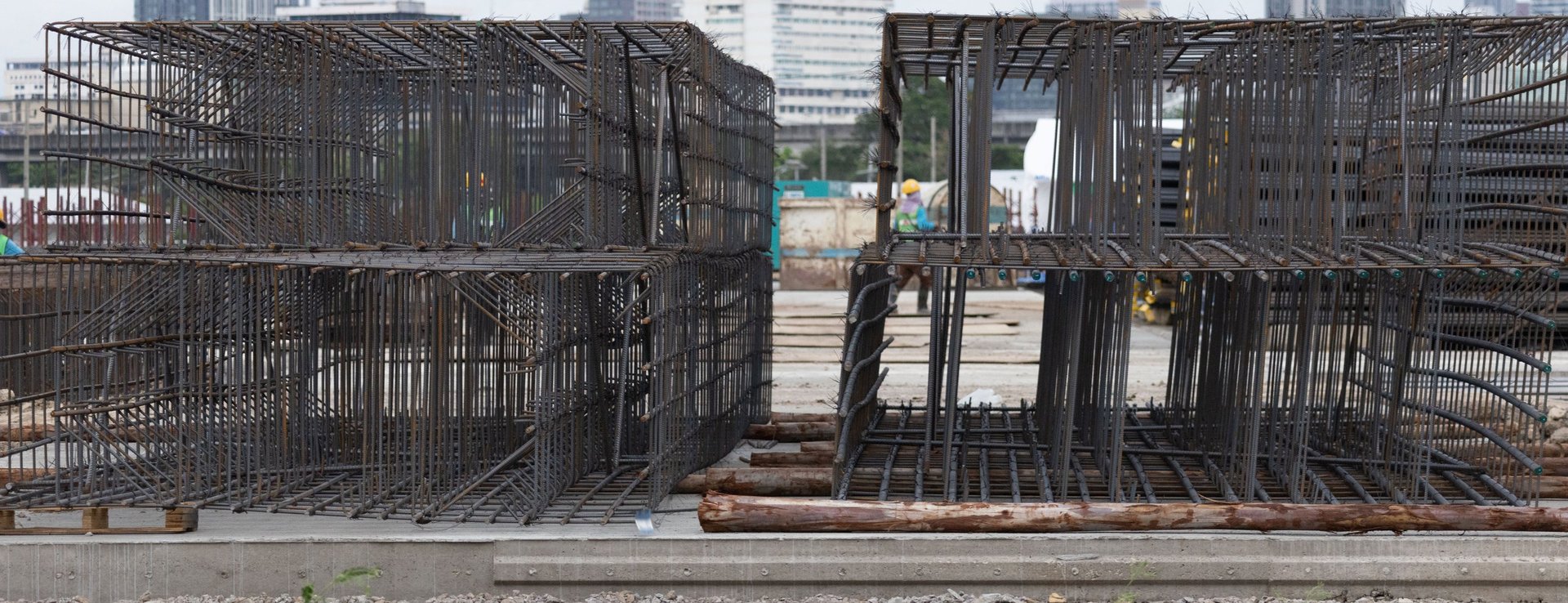
Reinforcement arrives in phases, so the evidence has to travel with the load. Each record below is verified against the governing standard, the approved schedule and the delivered lot, with the party who holds the check named. Design approval, material evidence, fabrication and delivery documentation stay separate.
| Record | What it verifies | Who holds the check | Receiving point |
|---|---|---|---|
| Approved drawing & bar schedule | Grade, standard, bar marks, shapes and quantities for the package. | Design team / consultant | Before fabrication |
| Mill test certificate (MTC / EN 10204 3.1) | Identity, chemistry and mechanical properties of the supplied lot. | Buyer requests; project defines the need | With each load |
| Tensile & yield results | Strength performance of the lot under the standard's test framework. | Buyer + consultant / QA | With each load |
| Bend / rebend results | Bend acceptance of the lot under the standard. | Buyer + consultant / QA | With each load |
| Project or witnessed testing | Any package-specific sampling the specification calls up. | Consultant / QA / third party | Where specified |
| Bundle marking & lot traceability | Package, zone, bar size, grade and heat marking. | Buyer + site store | At delivery |
| Delivery notes keyed to package | That each load matches the schedule's bar marks and the zone it serves. | Buyer + site store / QA | At delivery |
| Document handoff & origin | Origin, mill, document set and any approval on file. | Buyer + commercial | At quotation |
Evidence, not assumption
Records are issued against the delivered lot. A named standard is a requirement, never proof that the delivered bar meets it.
Package-keyed receiving
Marking and delivery notes are keyed to the package and zone so each load is checked against the drawing it serves.
Approval kept separate
Material evidence does not replace the named sign-off owner's acceptance of the package.
GCC Destinations
Plan the destination, documents and delivery basis for a construction rebar order
For each GCC market the specification, documentation and delivery basis are aligned to the project at quotation. No served markets, local stock, local branches, customs clearance, project approval or delivery times are claimed in advance.

United Arab Emirates
Project specification and technical submittal review.
Add the delivery location, importer/customs inputs, Incoterm and document set before the construction rebar RFQ goes out.

Saudi Arabia
Large-project quantities and cross-border documentation.
Confirm the delivery location, importer inputs, Incoterm and required documents for the phased rebar package.

Qatar
Infrastructure technical approval readiness.
Add the technical submittal and document set the project requires for the construction rebar consignment.

Kuwait
Contractor and fabricator hand-off.
State the delivery location, Incoterm, documents and the required date for the rebar call-off.

Bahrain
Contractor procurement and industrial supply.
Provide the destination, importer/customs inputs, Incoterm and documents before the construction rebar is quoted.

Oman
Port-oriented project supply planning.
Confirm the destination, required documents and Incoterm so the quotation basis is fixed for the rebar package.
Commercial department
The commercial desk checks each construction enquiry for an approved drawing and a workable schedule, a consistent grade and standard, a testing regime that matches the package and a sign-off owner who is actually named before quoting. Destination, port or delivery line, Incoterm, document set and the phased delivery programme are fixed at quotation from your specification.
Office 3303, Churchill Executive Tower, Business Bay, Dubai, United Arab Emirates
Monday – Saturday: 8.00 AM – 6.00 PM · Sunday: Closed
Technical Reference
The authoritative framework behind the construction reinforcement decision
A source-backed reference for how the reinforcement and acceptance decisions are framed — not a substitute for the project's own specification, and not an endorsement or approval of any product.
Reinforced-concrete design and construction practice places the structural design, the cover and durability requirements and the acceptance criteria with the project's design authority and the standards it adopts — for example EN 1992 for concrete structures and its national annexes, the EN 206 exposure framework, or ACI 318, alongside an ASTM or BS reinforcement standard such as A615 or BS 4449. Those documents, plus the project specification, fix what each element requires.
The procurement consequence is narrow and practical: the supplier fabricates the schedule the designer issued, to the grade and standard the drawing names, and provides the lot evidence the project's testing regime calls for. A supplier does not set cover, does not choose a grade, and does not decide what evidence is sufficient for acceptance.
Where to verify
Confirm the applicable standard, edition and national adoption against the project specification and the authority having jurisdiction. Any project-specific amendment or designer's specification takes precedence over a general reference.
Standards and editions referenced generically · checked
What this page does and does not do
- It organises approved drawings and a bar bending schedule into package, grade, testing and receiving fields.
- It keeps the standard, grade, bar form, testing and sign-off decisions distinct.
- It does not perform structural design or set cover, durability or acceptance criteria.
- It does not approve a substitution, and does not claim capacity, stock, certification or delivery times.
FAQ
Rebar for construction, answered directly
Post-tender technical and commercial questions from contractors, consultants and fabricators — answered straight.
Is there one rebar grade for construction?
No. The grade and standard come from the approved drawing for each element. Substructure, superstructure, slabs and external works can carry different grades within the same project, and the schedule is what fixes them.
How should a construction rebar order be split?
By work package and by zone or pour, following the bar bending schedule's bar marks. A single project-wide tonnage cannot be checked against drawings or released in phase with the programme.
What is needed before a quantity can be quoted?
Drawings approved for construction and a bar bending schedule giving cut lengths and shapes. Diameter quantities alone, or a preliminary tender list, will not produce a reliable price or a deliverable order.
What testing should be requested?
Whatever the project specification calls up for that package — mill certificates alone, certificates plus project-specific testing, or witnessed sampling. They are different requirements, not variations of the same one.
Who signs off the delivered reinforcement?
Whoever the project names, which may be the consultant or supervising engineer, the main contractor's QA department, or the client representative. The enquiry should state who holds acceptance for each package.
How are deliveries phased?
In phase with the construction programme and the placement zones. Phasing, bundle marking and delivery notes are keyed to the package and zone so each load can be received and checked against the drawing.
Qualified RFQ
Request a quote for construction rebar
Carry the package summary from the planner, together with the approved drawing and the bar bending schedule for the package you are pricing. The enquiry is ready for review once the package, grade, schedule, testing regime, sign-off owner and phased dates are complete.
Send to commercial departmentAll pricing is on request. Price, stock, origin and lead time remain quotation-dependent unless current verified evidence is present.
Office 3303, Churchill Executive Tower, Business Bay, Dubai, United Arab Emirates
Monday – Saturday: 8.00 AM – 6.00 PM · Sunday: Closed
Before you send
- Work package and zone split, with the drawing reference approved for construction
- Bar bending schedule giving bar marks, shapes, cut lengths and quantities
- Grade and standard exactly as the drawing names them for the element
- Bar form and detailing — laps, couplers, congestion or tolerance notes
- Testing regime from the project's inspection and test plan
- The named sign-off owner who will accept this package
- Phased receiving plan and the required dates from the programme
- Destination, Incoterm and the document set the project needs
Add every open item — an unapproved drawing, a partial schedule, an unconfirmed testing regime, an unnamed sign-off owner — as an explicit field before sending.