
Industry · Marine
Marine structural steel specified for its actual exposure zone
Identify the marine component and whether it sits in atmospheric, splash, tidal or immersed exposure before requesting structural steel. Send the approved grade, section schedule, protection system and inspection requirements so the offer can be reviewed for the actual duty.
Marine use is an operating context, not one steel grade or a corrosion guarantee. Ordinary structural, ship-class, offshore and stainless requirements need their own applicable approvals.
Four exposure zones
- 1AtmosphericAirborne salt, no water contact.
- 2Splash and tidalIntermittent wetting — usually the most aggressive zone.
- 3ImmersedContinuous water contact.
- 4Buried or mudSoil and water interface conditions below the bed.
Each zone carries its own material and protection decision. One member can cross two of them.
Material and protection route
Select a material-and-protection route for the actual zone
Marine exposure does not resolve to one grade, and it does not resolve to one coating either. The route follows the zone the member actually sits in, plus the maintenance access the operator will have to it.
The designer has approved the grade and protection for the component.
Before you enquire: Give the exposure zone and full acceptance schedule.
Splash, immersion, fatigue or class rules affect the item.
Before you enquire: Resolve the applicable design and inspection requirements.
A generic grade or paint description is offered as marine qualification.
Before you enquire: Request item-specific compliance and protection evidence.
| Decision | Why it matters here | Before you enquire |
|---|---|---|
| Fit | The designer has approved the grade and protection for the component. | Give the exposure zone and full acceptance schedule. |
| Verify first | Splash, immersion, fatigue or class rules affect the item. | Resolve the applicable design and inspection requirements. |
| Different route needed | A generic grade or paint description is offered as marine qualification. | Request item-specific compliance and protection evidence. |
Explore the full structural-steel range— the parent range page, where each section family sits beside its own standard.
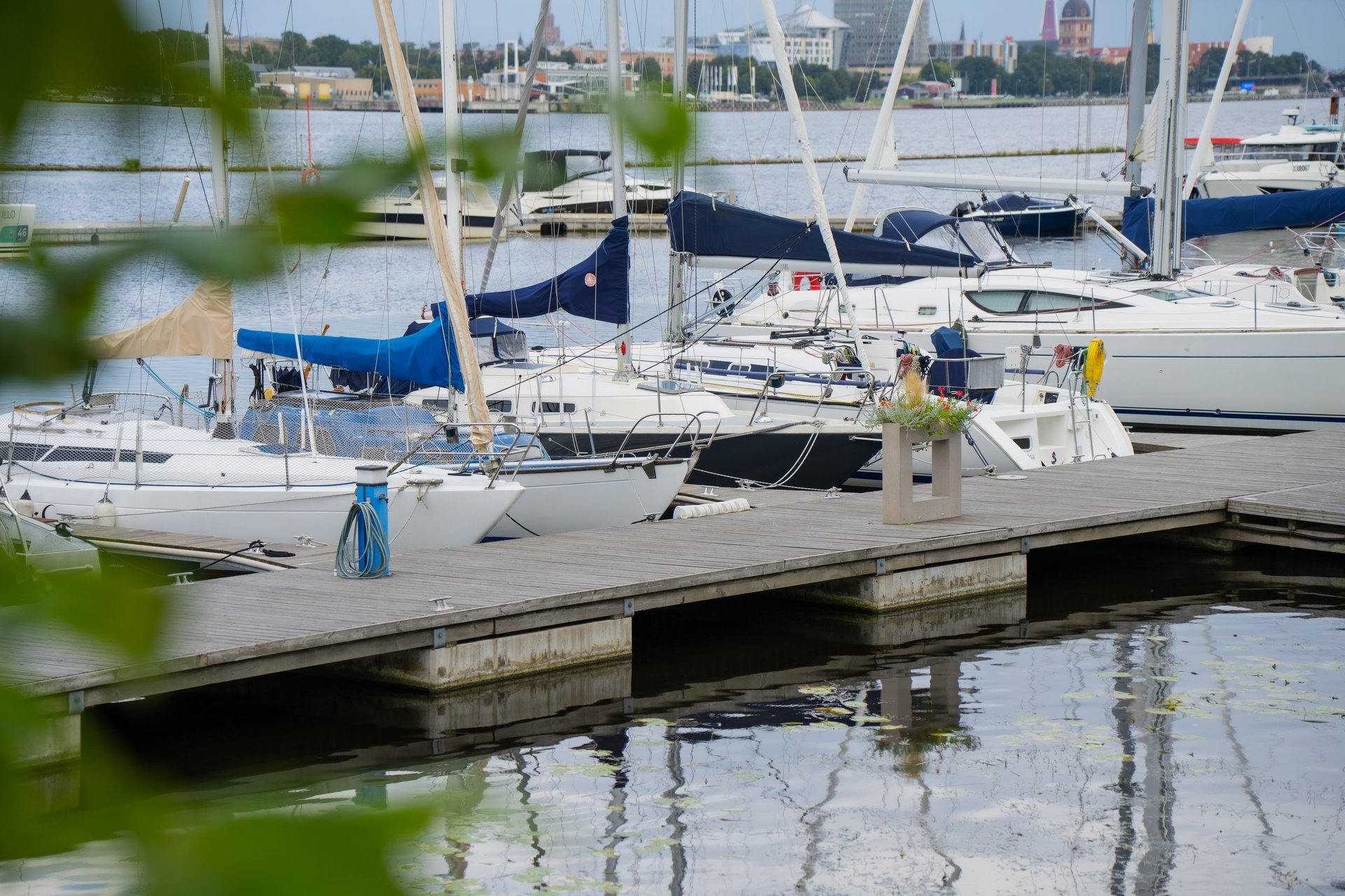
Protected carbon structural steel
Use the approved coating and corrosion strategy with the material grade and section schedule.
carbon structural steel supplierStainless structural alternative
Select the exact alloy and detail for the exposure; stainless is not a universal marine solution.
stainless structural steel supplierExposure, fatigue and access
Describe exposure and maintenance access at the member
Marine durability is decided at the detail, not at the project level. Wet interfaces, crevices and dissimilar contacts are where the design review has to happen — before the material is ordered.
Provide the approved exposure zone, water-contact conditions, loading and fatigue references, connection details and inspection access. State the corrosion allowance, coating or other protection decisions supplied by the designer, together with maintenance and replacement assumptions. Identify ship-class or offshore rules only where they actually apply. Keep wet interfaces, crevices and dissimilar contacts visible in the design review rather than assuming a marine label settles the material choice.
Zone and water contact
- What to state
- The approved exposure zone for each member, plus whether and how often it is wetted.
- Why it changes the offer
- Splash and tidal exposure is usually the most aggressive, and it does not behave like permanent immersion.
- What it costs if missed
- One protection system applied across zones that actually need different treatment.
Detail, fatigue and connections
- What to state
- Loading and fatigue references, connection details, and any dissimilar-metal contacts.
- Why it changes the offer
- Wet joints and cyclic duty need detail-specific review that a material schedule alone does not capture.
- What it costs if missed
- A correct section failing at a detail that was never reviewed for its actual exposure.
Access, maintenance and preservation
- What to state
- Inspection access, corrosion allowance, protection decisions, and maintenance and replacement assumptions.
- Why it changes the offer
- A protection system the operator cannot reach or renew has a different real service outcome.
- What it costs if missed
- Delivered protection damaged in transit and nobody named to inspect or repair it.
| Marine input | What it decides | Boundary it protects | What the enquiry must produce |
|---|---|---|---|
| Component and its exposure zone | Which material and protection route the member is bought against. | The marine label from standing in for an exposure decision. | Component, zone and water-contact conditions. → Marine exposure zone field |
| Approved grade and certification scope | The material standard and what the delivered certificate must evidence. | A grade name from being read as a certification claim. | Full grade and required certification scope. → Grade and documents fields |
| Protection system and preparation | Surface preparation, coating system and any other corrosion measure. | Protection scope from being assumed from a paint reference. | Designer-approved protection schedule. → Surface or coating field |
| Fatigue and connection detail | Whether critical details and welds need their own inspection. | Strength-only selection from standing in for detail acceptance. | Critical details and weld inspection scope. → Connection and fatigue field |
| Dissimilar contacts and crevices | Where galvanic or crevice conditions need specific detailing. | A single material from being applied across a mixed assembly. | Dissimilar-contact controls and detailing. → Protection and class/client rules field |
| Access, preservation and repair | Who inspects the delivered condition and who repairs transport damage. | Accepted protection from silently degrading before handover. | Receiving inspection and repair responsibilities. → Protection and inspection access field |
This page maps exposure and access to procurement inputs. It does not select a coating, establish service life, or qualify material for class or offshore service — those decisions rest with the project's design authority and the applicable rules.
Protection schedule per item
Link the marine protection schedule to the structural item
Material, fabrication and protection are three separate acceptance layers. Each carries its own evidence, and none of them certifies the others.
Separate material, fabrication and protection evidence so none is mistaken for approval of the others.
| Specification decision | Applicability and limit | Evidence to request | RFQ action |
|---|---|---|---|
| Material and scope | Marine, ship-class and offshore labels have different applicability. | Approved material specification and applicable class/client rules. | Name the component, full grade and required certification scope. |
| Exposure and protection | Atmospheric and immersed locations may require different systems. | Designer-approved exposure and protection schedule. | Identify zones, surface preparation, coating and other corrosion measures. |
| Connections and fatigue | Wet joints and cyclic duty require detail-specific review. | Approved connection, welding and inspection requirements. | State critical details, weld inspection and dissimilar-contact controls. |
| Preservation and handover | Shipment damage can affect the accepted protection condition. | Agreed packing, inspection and repair requirements. | Define receiving inspection and repair responsibilities. |
Material and scope
Marine, ship-class and offshore labels have different applicability. The component, full grade and required certification scope are what make that explicit.
Exposure and protection
Atmospheric and immersed locations may require different systems, so the designer's exposure and protection schedule attaches to the item rather than the project.
Connections and fatigue
Wet joints and cyclic duty require detail-specific review. Critical details, weld inspection and dissimilar-contact controls are stated individually.
Evidence note. This page states no coating product, dry-film thickness, corrosion-allowance value or service life, and it does not assert that any grade is qualified for marine, class or offshore service. Those come from the project's approved exposure and protection schedule and the documents issued for the material and system actually supplied.
Verification and protection records
Documents that support marine material and protection acceptance
A coating data sheet describes a system. It is not evidence of the condition actually delivered, and the two are routinely confused at handover.
Reconcile the certificate, fabrication records and protection inspection with the exact member and exposure zone. A coating data sheet alone cannot prove the condition of the delivered system.
| Control | What to examine | When and limits | Next action |
|---|---|---|---|
| Material and scope | Approved material specification and applicable class/client rules. | Before material acceptance; confirm feasibility and cost at quotation. | Name the component, full grade and required certification scope. |
| Exposure and protection | Designer-approved exposure and protection schedule. | Before material acceptance; confirm feasibility and cost at quotation. | Identify zones, surface preparation, coating and other corrosion measures. |
| Connections and fatigue | Approved connection, welding and inspection requirements. | Before material acceptance; confirm feasibility and cost at quotation. | State critical details, weld inspection and dissimilar-contact controls. |
| Heat and item identity | Mill test certificate linked to heat markings and packing list. | Before release and again on receipt; a sample certificate is not evidence for the shipped heat. | Request traceability through cutting, bundling and delivery. |

Expert insight · Protection-scope boundary
Can one marine paint reference cover every substrate and item?
ISO 12944-9's public scope addresses protective paint systems for specified offshore and related carbon-steel structures and lists exclusions. Its scope is narrower than every material or product used in a marine project.
Buyer implication: Check the substrate, exposure and item against the approved protection specification instead of applying a marine paint label universally.
Source review record
- Method
- Review the standards publisher's scope and exclusions as a procurement boundary check.
- Applicability
- Protection-specification screening for relevant carbon-steel structures.
- Limit
- The public scope does not select a coating, establish service life, or cover stainless structures and pipelines.
ISO 12944-9 offshore protection scope · Information reviewed 2026-10-15.
Local specification builder
Prepare a marine exposure-and-protection enquiry
Record the member's exposure and approved protection before comparing material offers. The builder does not select coating life, corrosion allowance or class qualification.
Marine exposure schedule
Prepared in your browser. Nothing is sent from this page.
Complete the specification to prepare a review summary.
Confirm material suitability, exposure-specific protection and any class/offshore acceptance. A coating reference does not certify structural grade or service life.
Project context routes
Choose the marine project context before ordering
Use these routes to resolve applicable project controls without extending one marine standard to every asset.
Offshore-platform structures
Apply the offshore component and inspection requirements where the actual project invokes them.
offshore structural steel supplierBridge structures
Coordinate waterfront exposure with bridge-specific material and fatigue requirements.
bridge structural steel supplierInfrastructure assets
Keep quay-adjacent, access and utility structures tied to their own approved acceptance basis.
structural steel for infrastructure
GCC destination planning
Plan the GCC destination around the marine protection and release plan
Name the receiving yard or site and the party accepting the surface condition after transport. Country flags identify the destination; quotation must confirm the supply route, origin and availability for this order.
 United Arab Emirates
Include marine exposure and preservation requirements in the destination enquiry. Identify the emirate, fabricator or site address and unloading restrictions; distinguish a domestic handover from an import leg.
structural steel supplier UAE Saudi Arabia
Include marine exposure and preservation requirements in the destination enquiry. Name the consignee, importer and final site; ask who confirms product classification and border documentation before dispatch.
structural steel supplier Saudi Arabia Qatar
Include marine exposure and preservation requirements in the destination enquiry. State the nominated receiving point and project document approver; align certificate review with the required arrival window.
structural steel supplier Qatar Oman
Include marine exposure and preservation requirements in the destination enquiry. Specify the actual port, border point or inland site requested; separate the entry leg from onward transport and unloading.
structural steel supplier Oman Kuwait
Include marine exposure and preservation requirements in the destination enquiry. Identify the contractor or fabrication yard receiving the sections; agree import-document responsibility and the named delivery place.
structural steel supplier Kuwait Bahrain
Include marine exposure and preservation requirements in the destination enquiry. Confirm whether the order is for local consumption or onward shipment; name the consignee and agree who handles each transport leg.
structural steel supplier BahrainThese routes describe destination planning inputs. They do not assert that any market is served by a local branch, that stock is held anywhere, or that any destination is currently reachable — supply route, origin, price and availability are confirmed at quotation.
Commercial scope and comparison basis
Price preservation and protection as explicit scope
On a marine order, preservation is not packaging. It is part of the delivered protection, and it has to appear as its own line so it can be inspected and priced.
Separate raw material, fabrication, surface preparation, coating, inspection, preservation and repairs. Ask the offer to identify exclusions and the acceptance state at the agreed handover point.
Ask for the offered mill and origin, section schedule, quantity basis, processing scope, packing, commercial validity and exclusions. State the Incoterm with its named place and edition, who unloads, and the requested delivery window. Price, availability, production allocation, transport feasibility and dates require written confirmation.
Coordinate an export enquiry— Agree non-damaging handling, preservation, item marking and repair responsibility for marine-project delivery.
Scope lines a marine offer should show separately
- Raw material — mill, origin and section schedule
- Fabrication — cutting, drilling and fit-up
- Surface preparation — the grade and method used
- Coating — system, application and inspection
- Preservation — handling, packing and protection in transit
- Repairs — who accepts and who remedies transport damage
- The acceptance state at the agreed handover point
- Validity, Incoterm, named place and all exclusions
Price on request. An offer quoting "coated" without naming preparation, application and the handover condition has not yet scoped the protection.
Geometry, mass and material references
Check geometry and mass without implying marine approval
Use these references for the physical member schedule while the exposure and project rules control material acceptance.
Section size reference
Specify complete geometry and interface dimensions for the marine member.
structural steel sizesMass and quantity reference
Separate theoretical section mass from protection and fabricated-assembly mass.
structural steel weight chartApplicability boundary: the references are geometry and mass aids for the member schedule. They establish no marine, class or offshore approval, and this page states no dimensional or unit-mass value — read it from the standard edition your project cites.
Comparability
Evidence that keeps marine protection claims specific
The purpose of this evidence is not administration. It is that two offers built on the same exposure and acceptance can be compared line by line, and no protection claim is accepted without the item it applies to.
Material and scope
Approved material specification and applicable class/client rules.
Name the component, full grade and required certification scope.
This makes competing offers easier to compare against the same acceptance requirement.
Exposure and protection
Designer-approved exposure and protection schedule.
Identify zones, surface preparation, coating and other corrosion measures.
This makes competing offers easier to compare against the same acceptance requirement.
Connections and fatigue
Approved connection, welding and inspection requirements.
State critical details, weld inspection and dissimilar-contact controls.
This makes competing offers easier to compare against the same acceptance requirement.
Release and hand-over map
Release marine steel with exposure and preservation controlled
Each stage names its input, its output and the item that must be closed before the material moves on. On a marine order the receipt stage carries real weight, because the delivered condition is the accepted condition.
| Stage and owner | Required input | Evidence or output | Risk and next action |
|---|---|---|---|
| Engineering release — Buyer's design authority | Approve the exposure zones, grades, protection and applicable project rules. | Approved specification and drawing revision | Unapproved substitution can change the design basis. Close the item before proceeding. |
| Offer review — Buyer and quotation team | Resolve fabrication, inspection, preservation and repair exclusions. | Written technical exceptions and commercial scope | An unlisted exception can survive into the purchase order. Close the item before proceeding. |
| Material release — Mill, inspector and buyer as agreed | Check heat identity and the agreed fabrication/protection release records. | Accepted documents linked to the order items | Missing heat identity can make an otherwise correct section unacceptable. Close the item before proceeding. |
| Receipt and reconciliation — Receiving team | Inspect condition, markings and any transport damage before incorporation. | Delivery record, item count and discrepancy record | Record any mismatch before the material is incorporated into work. Close the item before proceeding. |
Buyer FAQ
Marine structural-steel questions
These are the questions that come up once a marine project has a material schedule but the exposure, protection and handover conditions are still open.
Does marine use require one particular grade?
No. The component's design, exposure and applicable project rules establish the material requirement.
Is stainless always suitable for seawater exposure?
No. The exact alloy, detail, temperature and maintenance conditions require a specific assessment.
Does a paint data sheet prove delivered protection?
No. The agreed preparation, application, inspection and condition at handover need their own records.
Can bare weathering steel be assumed suitable?
No. Salt and moisture conditions require an exposure and detailing review before an uncoated solution is approved.
Does this enquiry prove class qualification?
No. Identify the applicable class/client rules and request evidence for the exact product and order.
Who handles coating damage after transport?
Agree the inspection, reporting and repair responsibilities in the accepted commercial and technical scope.
Qualified RFQ
Request marine steel with the exposure conditions attached
Send the component and section schedule, approved grades, exposure zones, protection requirements and inspection plan. Ask for a specific compliance and exception response.
Prepare and copy the summary above, then open the structural-steel RFQ and paste it into Product Requirement. Add your name, company and reply email on that form. Supporting drawings can be shared through the destination's verified contact process.
This page prepares your enquiry locally. Opening the RFQ does not submit it. A submission is complete only when the receiving form returns a genuine acknowledgement.