Industries · Oil & Gas · Steel Tubes

Steel Tubes for Oil and Gas Procurement

Split the oil and gas tube package into instrument circuits, heat-transfer items and mechanical equipment components. For each, give the actual fluid and environment, approved material specification, dimensions and inspection scope. Keep line pipe, downhole tubulars and general tube items distinct so a product label cannot hide the wrong acceptance basis.

This page does not turn steel tubing into line pipe or qualified OCTG. Sour, corrosive and pressure service require the project’s exact material and design approval; no blanket service qualification is claimed.

Service Exposure

Resolve service exposure and product boundaries

Identify the pressure-temperature envelope, fluid composition and external exposure for every circuit. Add any project-specific sour-service or corrosion requirement with its acceptance owner. Separate material supply, fabrication, connection assembly and system testing so each record has a clear purpose.

The environment selects the material

Fluid composition, temperature and pressure decide which grades are even eligible. A grade that performs well in one service can be unacceptable in another, and the acceptance basis has to be attached to the specific circuit rather than to the package as a whole.
Product boundary comes first

Tube, pipe and downhole tubulars are different products with different design and qualification bases. Settling which one the item actually is prevents a tube enquiry being compared against pipe offers on price alone, when the two were never the same thing.

Four records, four purposes

Material supply, fabrication, connection assembly and system testing each produce their own evidence. Keeping them separate means a mill certificate is not read as proof that a completed system was tested and accepted.

Why the product boundary is the first decision

In oil and gas procurement, the same word is used for different products. A “tube” enquiry and a “pipe” enquiry can be compared as though they were interchangeable, when the two carry different design bases, different qualification routes and different inspection expectations. That confusion is expensive in both directions: a tube bought against a pipe requirement may not satisfy it, and a tube compared against a pipe price will look wrong on cost for reasons that have nothing to do with the tube. Classifying the item explicitly — and recording that classification on the enquiry — is what makes every later comparison meaningful.

Package Mapper

Oil and gas tube package RFQ mapper

Capture the decisions below, prepare a review summary and copy it to the tube RFQ. Have the project authority approve the exact product family and service requirements. Any material, standard or route alternative must be an explicit exception; the summary does not qualify sour service or the completed system.

Fields marked * are required. Use mm for OD, ID and wall dimensions and tolerances, m for length, and an explicit quantity unit. Enter positive quantities and lengths; piece counts must be whole numbers. If a design detail is unresolved, describe the decision needed rather than guessing a grade.

Complete the specification to prepare a review summary.

Prepared specification

Your prepared specification will appear here. No enquiry has been sent.

Have the project authority approve the exact product family and service requirements. Any material, standard or route alternative must be an explicit exception; the summary does not qualify sour service or the completed system. This page prepares the summary locally and does not send it anywhere; the destination RFQ owns contact collection and submission.

Route Decision

Decide whether this is the right tube route

Three bracket questions separate the routes before a grade is named. The first of them decides whether the item is a tube enquiry at all.

Decide whether this is the right tube route: each decision, why it matters and what to send before enquiring
DecisionWhy it matters hereBefore you enquire
Instrument circuitTube/fitting compatibility and internal condition govern the interface.Provide circuit fluid, connection system and cleaning scope.
Thermal equipmentTube specification and grade follow the approved equipment design.Send the item schedule, wall basis and inspection plan.
Line pipe or downhole dutyThose products have their own design and qualification bases.Reclassify the enquiry before comparing general tube offers.

Not sure which product family the supply belongs to? Explore the full steel-tubes range. It sets out the types, standards and enquiry path for every route named here.

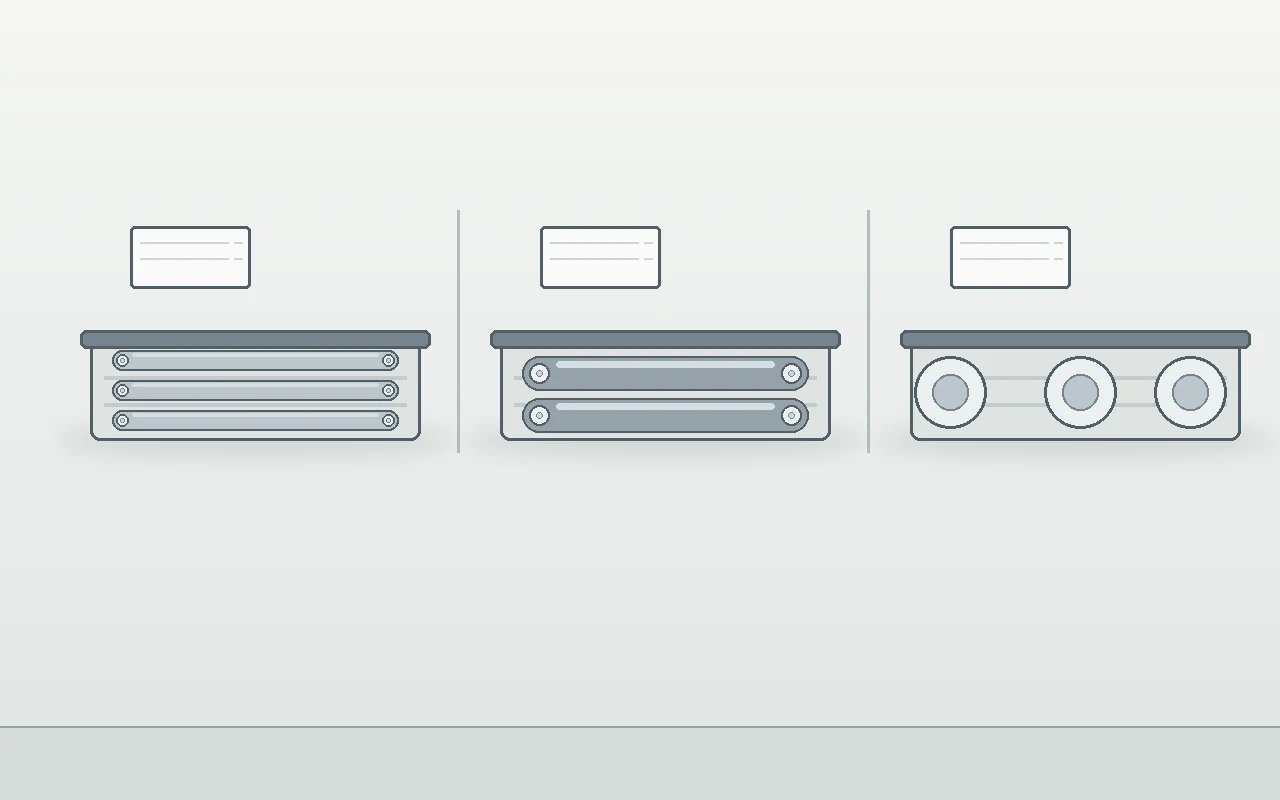
Oil and gas tube items separated by actual duty
Illustration: classify the product before choosing its specification. Original illustration produced for this page — a generic, unbranded setting; no supplier facility, certificate, logo, test result or endorsement is depicted.

Document Package

Documents that support steel tubes for oil and gas procurement

Create an item-to-heat record index and keep special-service requirements visible in the inspection plan. A mill certificate supports its stated scope; it cannot replace corrosion selection, connection assembly or system acceptance.

Material and document acceptance: each control, what to examine, when and its limits, and the next action
ControlWhat to examineWhen and limitsNext action
Product classificationApproved item list and specification.Before material acceptance; confirm feasibility and cost at quotation.State tube, pipe or other tubular duty explicitly.
Environment and materialProject material-selection basis and required tests.Before material acceptance; confirm feasibility and cost at quotation.Attach fluid and special-service requirements.
Interfaces and conditionApplicable manufacturer/project interface instructions.Before material acceptance; confirm feasibility and cost at quotation.Define supply and assembly boundaries.
Heat and item identityMill test certificate linked to heat markings and packing list.Before release and again on receipt; a sample certificate is not evidence for the shipped heat.Request traceability through cutting, bundling and delivery.
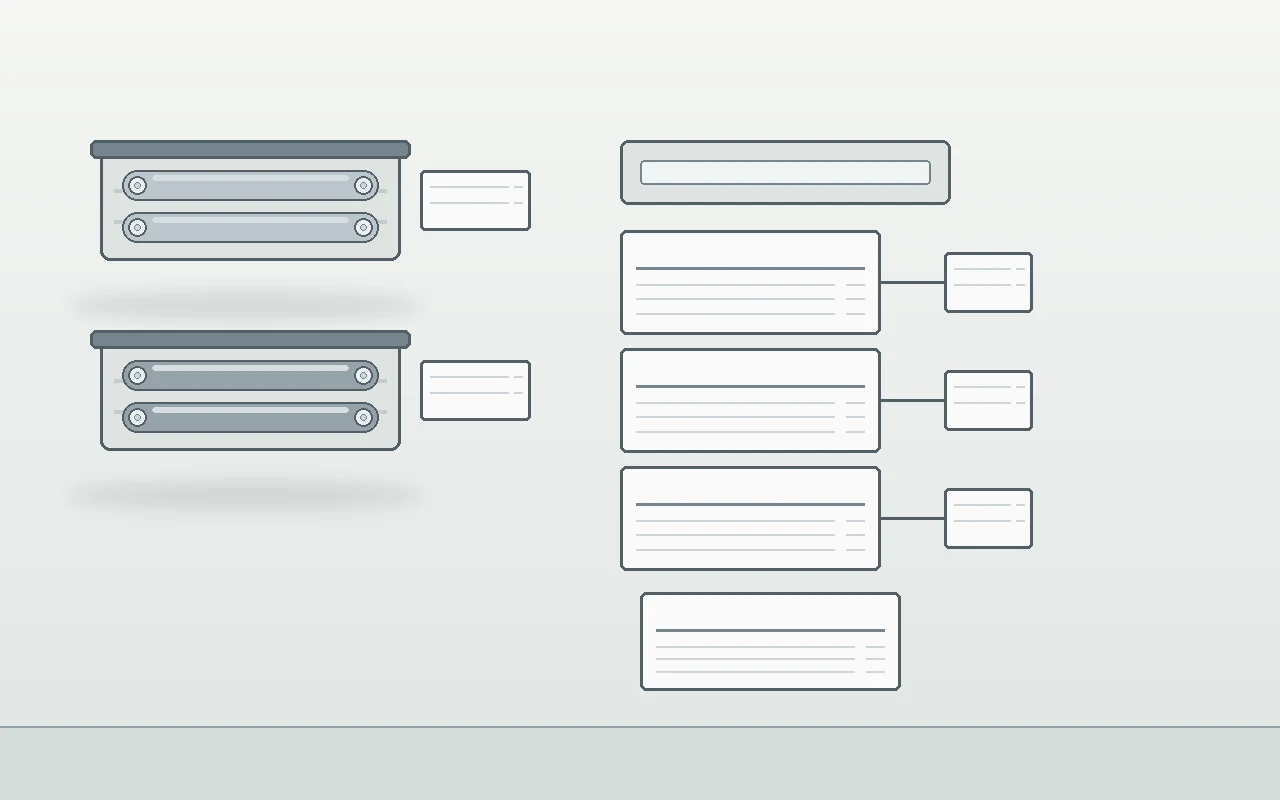
Project tube items linked to heat and inspection records
Illustration: keep special-service records tied to the supplied item. Original illustration produced for this page — a generic, unbranded setting; no supplier facility, certificate, logo, test result or endorsement is depicted.

Acceptance Basis

Put the acceptance basis on the order

This page does not turn steel tubing into line pipe or qualified OCTG. Sour, corrosive and pressure service require the project’s exact material and design approval; no blanket service qualification is claimed.

Put the acceptance basis on the order: specification decision, its applicability and limit, the evidence to request and the RFQ action
Specification decisionApplicability and limitEvidence to requestRFQ action
Product classificationIndustry context does not identify the actual product standard.Approved item list and specification.State tube, pipe or other tubular duty explicitly.
Environment and materialGrade selection must address the actual process conditions.Project material-selection basis and required tests.Attach fluid and special-service requirements.
Interfaces and conditionConnections, joining and cleaning add acceptance requirements.Applicable manufacturer/project interface instructions.Define supply and assembly boundaries.
Release evidenceA reference certificate is not the shipped heat’s record.Heat-linked dossier and accepted inspection plan.Name the document approver and release hold points.

Service warning. A stainless or duplex designation does not by itself satisfy a sour or corrosive service requirement. Environmental suitability is established by the project’s own material-selection and qualification process, and the acceptance owner for that decision should be named on the enquiry.

The left-hand column is what the order has to name. Use the oil and gas tube package mapper to turn these decisions into an enquiry the commercial department can answer line by line.

Operating Duty

Follow the operating duty to the right specification

The drawing and service envelope govern acceptance. These paths address different purchasing decisions; an application label does not approve a material.

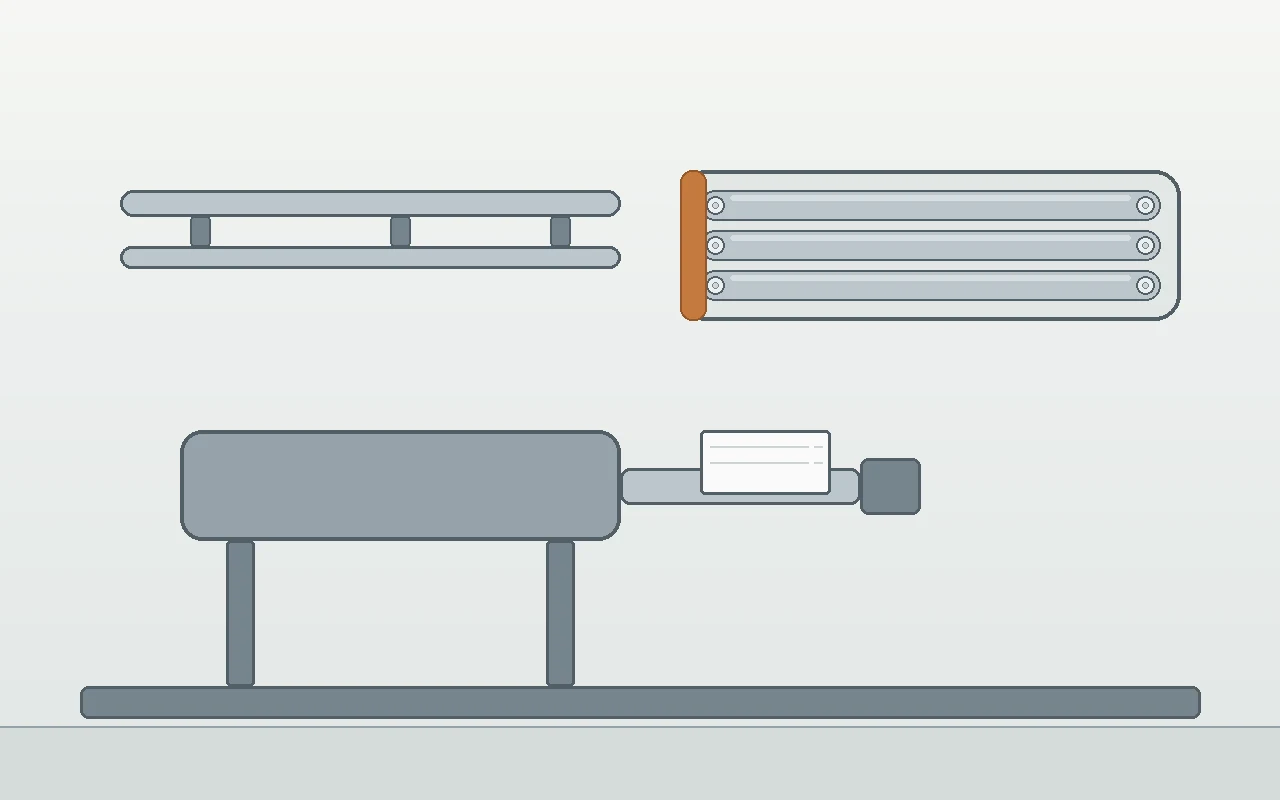
Different tube duties within a process skid
Illustration: separate circuit and equipment acceptance boundaries. Original illustration produced for this page — a generic, unbranded setting; no supplier facility, certificate, logo, test result or endorsement is depicted.

Commercial Basis

Compare offers on the same delivered scope

Compare product scope, mill, origin, special tests, inspection, preservation and document review before comparing totals. Agree transport only after technical release responsibility is clear; do not assume urgent project demand establishes stock or dispatch timing.

Product scope first

Confirm both offers are for the same product classification before comparing anything else. A tube and a pipe offer are not alternatives to one another.

Special tests and inspection

Which examinations apply, at what stage and on what sampling basis follows from the project requirement. State them so they are priced rather than discovered.

Preservation and packing

Cleaning, capping, surface treatment and corrosion protection are part of delivering the specified condition to site, not optional extras.

Document review before transport

Agree who reviews and releases the documents, and settle that before despatch is committed. Technical release responsibility and transport timing belong on the same plan.

Ask for the offered mill and origin, tube schedule, quantity basis, processing scope, packing, commercial validity and exclusions. State the Incoterm with its named place and edition, who unloads, and the requested delivery window. Price, availability, production allocation, transport feasibility and dates require written confirmation.

Coordinate an export enquiry — align tube identification, bundle protection and transport documents with the named delivery place before dispatch.

Pricing is on request. No rate is published before the product classification, the accepted basis and the delivery point are stated.

GCC Destination

Plan the GCC destination around steel tubes for oil and gas procurement

Use the destination to close the quotation scope, then confirm feasibility and commercial terms in writing. Country flags identify the destination; quotation must confirm the supply route, origin and availability for this order.

Carry project item tags, material segregation and document-release requirements to the destination. Identify the emirate, fabricator or site address and unloading restrictions; distinguish a domestic handover from an import leg.

Carry project item tags, material segregation and document-release requirements to the destination. Name the consignee, importer and final site; ask who confirms product classification and border documentation before dispatch.

Carry project item tags, material segregation and document-release requirements to the destination. State the nominated receiving point and project document approver; align certificate review with the required arrival window.

Carry project item tags, material segregation and document-release requirements to the destination. Specify the actual port, border point or inland site requested; separate the entry leg from onward transport and unloading.

Carry project item tags, material segregation and document-release requirements to the destination. Identify the contractor or fabrication yard receiving the tubes; agree import-document responsibility and the named delivery place.

Carry project item tags, material segregation and document-release requirements to the destination. Confirm whether the order is for local consumption or onward shipment; name the consignee and agree who handles each transport leg.

A destination page plans the commercial and documentary side of the order. None of them implies a local office, warehouse or stock position, and none changes the acceptance basis on your drawing.

Remaining Decisions

Resolve the remaining specification decisions

Use these checks to close the interface and delivered-condition details within each qualified product family.

Expert Insight

Can a product data sheet qualify the project environment?

Alleima’s duplex data sheets describe specific materials and conditions. They cannot by themselves approve every offered mill product or oil and gas service.

Buyer implication: Use reference data to frame review questions, then obtain project approval and heat-specific evidence.

Method: Manufacturer data-sheet scope review and separation of reference guidance from order acceptance. Applicability: Illustrative duplex tube material information. Limit: No sour-service, downhole, line-pipe or project qualification is asserted.

Alleima SAF 2205 seamless tube data sheet · Information reviewed 2026-10-16.

Why Control It

Make acceptance easier to demonstrate

Each of these is a field on the order, and each one exists so acceptance can be shown against the project requirement rather than argued after the material is on site.

Product classification

Approved item list and specification.

State tube, pipe or other tubular duty explicitly.

Environment and material

Project material-selection basis and required tests.

Attach fluid and special-service requirements.

Interfaces and condition

Applicable manufacturer/project interface instructions.

Define supply and assembly boundaries.

From Specification To Receipt

Close each decision before releasing the order

Four stages, each with an owner. An item that is still open at any stage becomes a decision made by whoever receives the material rather than by whoever specified it.

Responsibilities from specification to receipt: each stage and owner, the required input, the evidence or output, and the risk and next action
Stage and ownerRequired inputEvidence or outputRisk and next action
Engineering releaseBuyer’s design authorityProject engineer releases product classification and service requirements.Approved specification and drawing revisionUnapproved substitution can change the design basis. Close the item before proceeding.
Offer reviewBuyer and quotation teamBuyer resolves material, inspection and supply-boundary exceptions.Written technical exceptions and commercial scopeAn unlisted exception can survive into the purchase order. Close the item before proceeding.
Material releaseMill, inspector and buyer as agreedInspector accepts the item-indexed heat and required project records.Accepted documents linked to the order itemsMissing heat identity can make an otherwise correct tube unacceptable. Close the item before proceeding.
Receipt and reconciliationReceiving teamReceiver segregates items and preserves protection until approved installation.Delivery record, item count and discrepancy recordRecord any mismatch before the material is incorporated into work. Close the item before proceeding.

Each stage has an owner, and every one of them can be settled before the order is placed. The mapper above collects them in one place.

Prepare your specification

Common Questions

Questions before you place the tube order

Is steel tube the same as line pipe?

Do not assume interchangeability. Classify the actual item and use its approved product and design requirements.

Does stainless or duplex automatically meet sour service?

No. Obtain the project’s exact environmental and material acceptance requirements and qualified approval.

Can a catalogue certificate support release?

Use records tied to the actual supplied heat and items. Reference documents do not prove shipment conformity.

Who approves the complete connection?

The responsible system authority under the approved manufacturer/project instructions and test basis.

What should the package include?

Item tags, product classification, grade, standard, condition, dimensions, fluid/service requirements, inspection, quantity and destination.

Enquiry Handoff

Turn this requirement into a reviewable enquiry

Have the project authority approve the exact product family and service requirements. Any material, standard or route alternative must be an explicit exception; the summary does not qualify sour service or the completed system. Include the completed fields and the controlling drawing revision so exceptions can be returned against the right requirement.

Prepare and copy the summary above, then open the steel-tubes RFQ and paste it into Product Requirement. Add your name, company and reply email on that form. Supporting drawings can be shared through the destination’s verified contact process.

Open steel-tubes RFQ

This page prepares your enquiry locally. Opening the RFQ does not submit it. A submission is complete only when the receiving form returns a genuine acknowledgement.

sales@noordeirasteel.ae · +971 56 398 0860 · Business Bay, Dubai