Industries · Power Generation · Steel Tubes

Steel Tubes for Power Generation

Split a power-generation tube package by circuit and equipment duty before consolidating purchasing. Boiler and superheater items, cooling or heat-transfer tubes and instrument lines need different material and inspection bases. Send the approved item schedule and outage priorities so technical release and transport planning can be reviewed separately.

A power-plant label does not make every tube A213 or every circuit T11/T22. Material selection and continued-service decisions remain equipment- and code-specific.

Critical Path

Protect the critical path with a released item schedule

Record circuit identity, service environment, approved grade and wall convention for each item. Separate new supply from replacement decisions that depend on service history. Identify document and inspection hold points early; an urgent delivery request cannot bypass material release.

Circuit identity is the index

A plant-wide phrase like “boiler tube” can describe several distinct requirements. Indexing every item to its circuit and equipment reference is what allows grade, wall convention and inspection scope to be assigned per item rather than averaged across the package.

Replacement is a different decision

New supply is bought to a specification. A replacement also has to suit equipment already in service, and what the plant will accept there depends on service history and the approved repair scope — a decision the supplier cannot make.

Document hold points are schedule

A tube that is physically ready but not documentarily released is not available to the outage. Naming hold points, the reviewer and the required dates turns document release into a scheduled activity rather than a surprise at despatch.

Why an urgent date does not shorten material release

Outage windows are fixed and the pressure to compress the front end of a tube order is real. The compression has to come from earlier planning rather than from skipping steps, because the steps that get skipped are the ones that establish the material is what the circuit requires. A delivery that arrives without its release is not an early delivery — it is a delivery that cannot be allocated, and the time saved appears again as a delay once the records are questioned. Settling grade, wall convention, the inspection plan and the acceptance owner before transport is committed is what protects the date.

Route Decision

Decide whether this is the right tube route

Three bracket questions separate the routes before a grade is named. Each one changes which requirements the item carries, and none of them is settled by the tube’s nominal size.

Decide whether this is the right tube route: each decision, why it matters and what to send before enquiring
DecisionWhy it matters hereBefore you enquire
Boiler or superheater circuitThermal-service specification and exact grade govern.Provide the approved circuit and wall schedule.
Cooling / heat-transfer equipmentFluid and tube-to-equipment interfaces can change material selection.Send water/process conditions and equipment specification.
Instrument and auxiliary linesConnections and cleanliness require separate review.Use the instrument or hydraulic circuit specification.

Not sure which product family the supply belongs to? Explore the full steel-tubes range. It sets out the types, standards and enquiry path for every route named here.

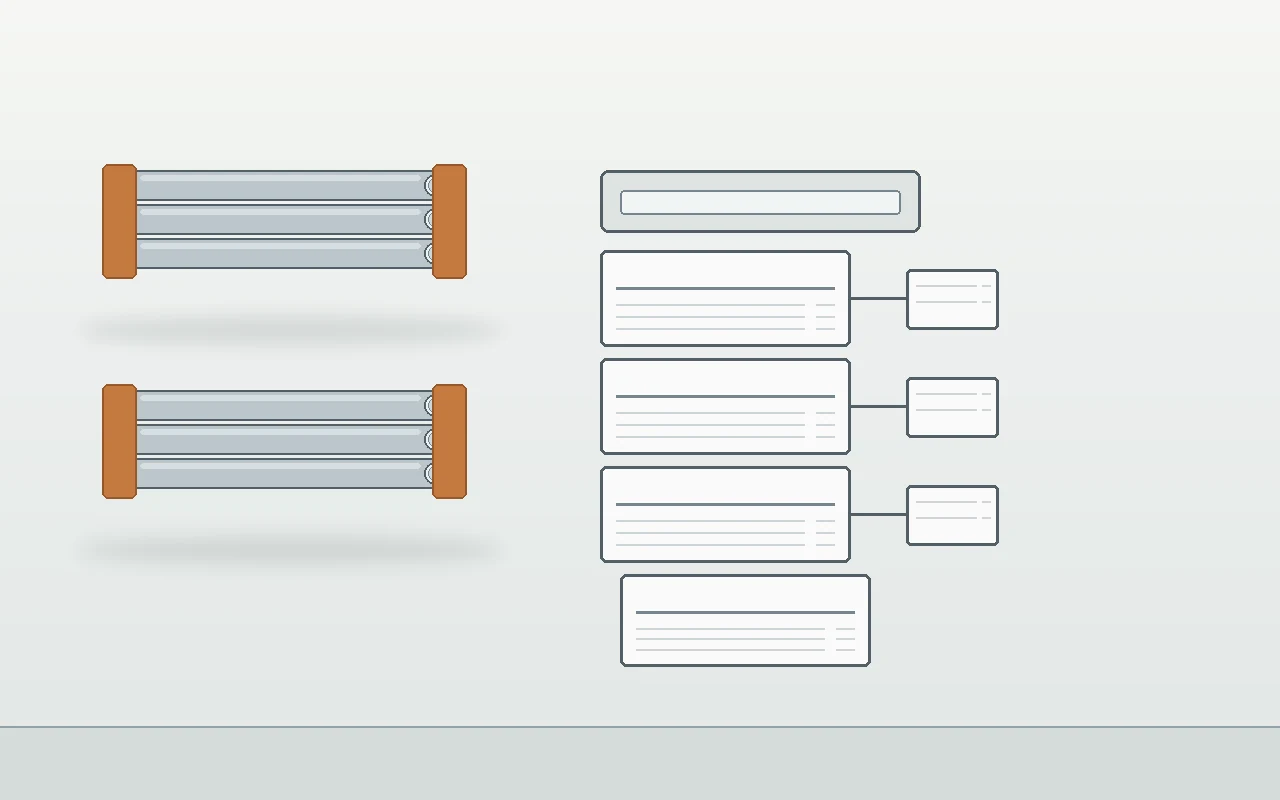
Tube packages separated by power-plant circuit duty
Illustration: avoid a single specification for unrelated circuits. Original illustration produced for this page — a generic, unbranded setting; no supplier facility, certificate, logo, test result or endorsement is depicted.

Acceptance Basis

Put the acceptance basis on the order

A power-plant label does not make every tube A213 or every circuit T11/T22. Material selection and continued-service decisions remain equipment- and code-specific.

Put the acceptance basis on the order: specification decision, its applicability and limit, the evidence to request and the RFQ action
Specification decisionApplicability and limitEvidence to requestRFQ action
Circuit ownershipPlant-wide shorthand can hide distinct requirements.Approved item list with equipment and circuit references.Assign grade and standard per item.
Wall and processingMinimum/average wall and forming scope affect acceptance.Drawing and dimensional/treatment schedule.State the convention and delivered stage.
Inspection releaseMissing records can delay an otherwise finished shipment.Accepted inspection plan and document index.Name hold points, reviewer and required dates.
Replacement boundaryNew material records do not establish existing-system integrity.Plant engineering release and approved repair/installation scope.Identify responsibility for service and system approval.

The left-hand column is what the order has to name. Use the power-plant tube package mapper to turn these decisions into an enquiry the commercial department can answer line by line.

Package Mapper

Power-plant tube package mapper

Capture the decisions below, prepare a review summary and copy it to the tube RFQ. Keep the circuit’s approved specification and document release ahead of transport commitment. The summary does not assess remaining life or approve a material change.

Fields marked * are required. Use mm for OD, ID and wall dimensions and tolerances, m for length, and an explicit quantity unit. Enter positive quantities and lengths; piece counts must be whole numbers. If a design detail is unresolved, describe the decision needed rather than guessing a grade.

Complete the specification to prepare a review summary.

Prepared specification

Your prepared specification will appear here. No enquiry has been sent.

Keep the circuit’s approved specification and document release ahead of transport commitment. The summary does not assess remaining life or approve a material change. This page prepares the summary locally and does not send it anywhere; the destination RFQ owns contact collection and submission.

Document Package

Documents that support steel tubes for power generation

Build an item-indexed release dossier rather than one generic tube certificate pack. Reconcile heat identity, treatment, examinations and any processing records before material is allocated to the outage.

Material and document acceptance: each control, what to examine, when and its limits, and the next action
ControlWhat to examineWhen and limitsNext action
Circuit ownershipApproved item list with equipment and circuit references.Before material acceptance; confirm feasibility and cost at quotation.Assign grade and standard per item.
Wall and processingDrawing and dimensional/treatment schedule.Before material acceptance; confirm feasibility and cost at quotation.State the convention and delivered stage.
Inspection releaseAccepted inspection plan and document index.Before material acceptance; confirm feasibility and cost at quotation.Name hold points, reviewer and required dates.
Heat and item identityMill test certificate linked to heat markings and packing list.Before release and again on receipt; a sample certificate is not evidence for the shipped heat.Request traceability through cutting, bundling and delivery.

A sample certificate is not evidence for the shipped heat, and a tube released after it has been allocated to a circuit cannot be re-indexed afterwards without disturbing the outage plan.

Power-plant tube bundles linked to circuit release records
Illustration: close technical release before outage allocation. Original illustration produced for this page — a generic, unbranded setting; no supplier facility, certificate, logo, test result or endorsement is depicted.

Operating Duty

Follow the operating duty to the right specification

The drawing and service envelope govern acceptance. These paths address different purchasing decisions; an application label does not approve a material.

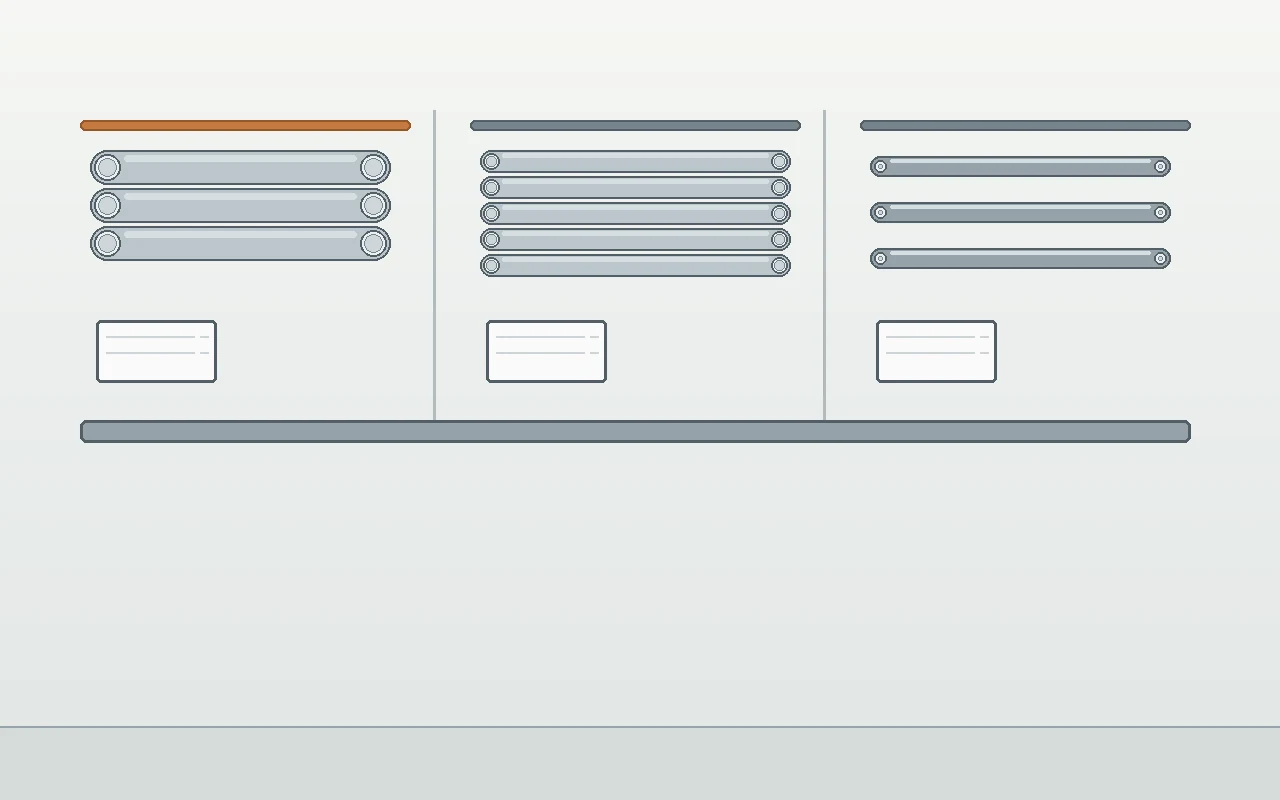
Different tube geometries protected for plant receipt
Illustration: plan handling for the actual delivered item. Original illustration produced for this page — a generic, unbranded setting; no supplier facility, certificate, logo, test result or endorsement is depicted.

GCC Destination

Plan the GCC destination around steel tubes for power generation

Use the destination to close the quotation scope, then confirm feasibility and commercial terms in writing. Country flags identify the destination; quotation must confirm the supply route, origin and availability for this order.

A destination page plans the commercial and documentary side of the order. None of them implies a local office, warehouse or stock position, and none changes the acceptance basis on your drawing.

Commercial Basis

Compare offers on the same delivered scope

Request separate dates for technical document review, material readiness and transport. Ask for item-level availability confirmation and packing suited to straight or formed geometry; a requested outage date is not a supplier commitment.

Item-level availability

Different items in one package can have different lead times and origins. An order-level confirmation does not tell you which item is holding the programme.

Packing for the geometry

Straight lengths and formed items need different protection. Packing that suits one can damage the other, and the failure shows at receipt rather than at despatch.

Three separate dates

Technical document review, material readiness and transport are distinct milestones. A single promised date hides which of the three is the constraint.

An outage date is a request

A requested outage date is a target, not a commitment. Written confirmation follows technical and commercial review, and belongs on the order rather than in a planning assumption.

Ask for the offered mill and origin, tube schedule, quantity basis, processing scope, packing, commercial validity and exclusions. State the Incoterm with its named place and edition, who unloads, and the requested delivery window. Price, availability, production allocation, transport feasibility and dates require written confirmation.

Coordinate an export enquiry — align tube identification, bundle protection and transport documents with the named delivery place before dispatch.

Pricing is on request. No rate is published before the circuit, the accepted basis and the delivery point are stated.

Expert Insight

Can one thermal-tube family cover the whole plant?

A213 identifies a defined boiler and heat-transfer tube scope. That does not turn instrument lines or every auxiliary tube item into A213 material.

Buyer implication: Split the purchase package by circuit duty and approved product basis.

Method: Publisher scope review followed by an editorial circuit-boundary check. Applicability: A213 thermal-service tube context. Limit: No plant material schedule, remaining-life review or operating envelope is inferred.

ASTM A213/A213M-25 scope reference · Information reviewed 2026-10-16.

Remaining Decisions

Resolve the remaining specification decisions

Use dimensional acceptance for technical release and estimated mass for handling planning.

Plan handling mass

Use item-specific geometry and appropriate material density; confirm shipping mass separately.

Why Control It

Make acceptance easier to demonstrate

Each of these is a field on the order, and each one exists so acceptance can be shown against the circuit requirement rather than argued once the material is allocated.

Circuit ownership

Approved item list with equipment and circuit references.

Assign grade and standard per item.

Wall and processing

Drawing and dimensional/treatment schedule.

State the convention and delivered stage.

Inspection release

Accepted inspection plan and document index.

Name hold points, reviewer and required dates.

From Specification To Receipt

Close each decision before releasing the order

Four stages, each with an owner. An item that is still open at any stage becomes a decision made by whoever receives the material rather than by whoever specified it.

Responsibilities from specification to receipt: each stage and owner, the required input, the evidence or output, and the risk and next action
Stage and ownerRequired inputEvidence or outputRisk and next action
Engineering releaseBuyer’s design authorityPlant engineer releases each circuit and replacement boundary.Approved specification and drawing revisionUnapproved substitution can change the design basis. Close the item before proceeding.
Offer reviewBuyer and quotation teamBuyer reconciles item-level technical and outage priorities.Written technical exceptions and commercial scopeAn unlisted exception can survive into the purchase order. Close the item before proceeding.
Material releaseMill, inspector and buyer as agreedInspector closes the indexed records and release hold points.Accepted documents linked to the order itemsMissing heat identity can make an otherwise correct tube unacceptable. Close the item before proceeding.
Receipt and reconciliationReceiving teamReceiving team allocates protected material to the correct circuit.Delivery record, item count and discrepancy recordRecord any mismatch before the material is incorporated into work. Close the item before proceeding.

Each stage has an owner, and every one of them can be settled before the order is placed. The mapper above collects them in one place.

Prepare your specification

Common Questions

Questions before you place the tube order

Can every plant tube be ordered as A213?

No. Select the specification for the actual circuit and duty.

Does new tube conformity approve an existing-system repair?

No. Plant engineering must approve the repair, joining, examination and return-to-service requirements.

How should outage dates be used?

Provide priorities and required dates, then obtain written confirmation after technical and commercial review.

Should straight and formed pieces be separate?

Identify their drawings, processing stage, inspection and packing requirements distinctly.

What delays can the RFQ help prevent?

Resolve grade, wall convention, document hold points and acceptance owner before transport is committed.

Enquiry Handoff

Turn this requirement into a reviewable enquiry

Keep the circuit’s approved specification and document release ahead of transport commitment. The summary does not assess remaining life or approve a material change. Include the completed fields and the controlling drawing revision so exceptions can be returned against the right requirement.

Prepare and copy the summary above, then open the steel-tubes RFQ and paste it into Product Requirement. Add your name, company and reply email on that form. Supporting drawings can be shared through the destination’s verified contact process.

Open steel-tubes RFQ

This page prepares your enquiry locally. Opening the RFQ does not submit it. A submission is complete only when the receiving form returns a genuine acknowledgement.

sales@noordeirasteel.ae · +971 56 398 0860 · Business Bay, Dubai