
 Bahrain · Steel Coil
Steel Coil Supplier — Bahrain
A coil consignment into Bahrain is a chain of hand-offs, and each one has an owner. Who the goods are consigned to, who appears as the importer, which authority governs the step being asked about, and who moves the coil past the terminal — those assignments decide whether the movement runs or stalls at the boundary.
Every step assigned an owner Consignee named before documents are drawn Onward movement identified
Customs duty, conformity requirements and clearance outcomes are administered by the officials who govern them and are confirmed for the actual consignment. Nothing on this page states a duty rate, a clearance result or a facility in Bahrain. See the wider Bahrain market page for the full product range.
Responsibility check
Find the step nobody has been given
Most Bahrain coil consignments that go wrong do not fail on the steel — they fail on an assignment. A step was assumed to be the other party's, or two documents named two different entities. The check below works through the hand-offs and reports which one has no owner yet.
Nothing here is sent until you choose to send it. If your Bahraini counterpart has not yet confirmed who receives the coil, leave it blank — an empty field flags a genuine gap, which is what the review needs to see.
Nothing entered yet
Enter the consignment details to see which responsibility gaps are still open. The check reports where ownership of a step has not been assigned — it does not state a duty rate, a clearance result or a facility in Bahrain, because those belong to the officials who administer them.
Why no duty or clearance answer
Duty and any conformity requirement attach to the actual goods and the classification applied to them, and they are administered by the officials who govern that step. A figure quoted here would describe someone else's consignment. Ask the authority that administers the step you are planning.
Division of responsibility
Every hand-off on the route has an owner
A coil consignment into Bahrain passes through several pairs of hands. The Incoterm allocates the obligations between buyer and seller, but the parties inside the destination — the consignee, the importer and whoever moves the coil onward — are assigned separately, by the commercial arrangement rather than by the term.
Consignee
The Bahraini party the goods are consigned to. This is a destination-side assignment, and it is not automatically the same party as the importer named on the invoice.
Importer on the invoice
The party the commercial document names. Where it differs from the consignee, both have to be recorded deliberately so the two documents do not disagree.
Obligations under the term
The Incoterm allocates who arranges carriage, who bears cost and where risk passes. It only does so together with its named place, which is why the two are written as one.
Where an unassigned step shows up
A step nobody owns does not announce itself at the enquiry stage. It surfaces later, at the point where someone has to act and both parties believed the other would — usually while the coil is already standing at the boundary and the clock on the movement is running.
The rules that define the terms are published by the International Chamber of Commerce — Incoterms rules at iccwbo.org. Read the current edition there rather than a summary of it.
- A delivery point named at the terminal, with nobody owning the onward leg
- Consignee and invoice importer left as two different parties by accident
- A term agreed in conversation but never written with its place
- Documents prepared to different entity names across the set
- Onward carrier engaged by neither party until the coil has landed
- Risk transfer assumed from the price rather than read off the term
Who governs which step
Ask the right authority the right question
A Bahrain coil enquiry often starts as one question — what do we need to get this in? — but it is really several, and they are answered by different bodies. Separating them at the start is what stops an answer about one step being mistaken for an answer about another.
| The step | Where the answer comes from |
|---|---|
| Customs treatment and duty | The national customs authority, which administers the declaration and any duty for the goods as classified. |
| Conformity or standards requirement | Whichever body administers the conformity requirement for that product — a separate question from the customs one. |
| Physical handling at the boundary | The port or terminal operator, which governs how the coil is lifted, stored and released at the boundary itself. |
| Obligations between buyer and seller | The agreed Incoterm and its named place, as defined in the ICC's published rules. |
| Documents for the consignment | Agreed between the parties to the order, and confirmed against what the destination requires for the goods. |
The mistake this table prevents
Treating "can we import this?" and "does this product meet the requirement?" as one question. They are administered separately, so an answer to one is not an answer to the other. A consignment can satisfy the customs step and still be held on a conformity question — or the reverse. Route each question to the body that actually governs it.

What this page can and cannot tell you
This page can tell you how to structure the enquiry and which step needs an owner. It cannot tell you what duty will apply to your coil or whether a conformity requirement will be raised, because both depend on the actual goods, the classification and the authority's own assessment. Confirm those against the officials who administer them.
Consignee & delivery point
Name the party, then name the place
The consignee and the delivery point are two separate assignments that are often written as if they were one. Naming the party answers who receives the coil; naming the place answers where the movement stops. Both are needed, and they are recorded in different documents.
Consignee
The Bahraini party the goods are consigned to. It appears on the transport document, so it has to be the entity actually set up to receive and hold the coil.
Importer on the invoice
The party named on the commercial document. It may be the same entity as the consignee or a different one — what matters is that the choice is deliberate and consistent.
Delivery point
Where the movement ends for the purpose of the agreed term. Terminal, warehouse or an inland address — named exactly rather than described generally.
Onward movement
Who carries the coil beyond that point, where there is one. This sits outside the term unless the term is extended to cover it, so it is assigned explicitly.
Where each assignment is recorded
- The transport documentCarries the consignee. This is the document the carrier and the terminal work from, so a consignee that cannot take delivery is a problem discovered at the boundary.
- The commercial invoiceCarries the importer and the goods description. It has to describe the coil the same way the order does, coating designation included.
- The agreed term with its placeCarries the allocation of obligations. Written as one line, because the place is part of the term rather than a note beside it.
- The packing listCarries what is physically in the consignment. This is where the receiving party confirms the coil it expected is the coil that arrived.
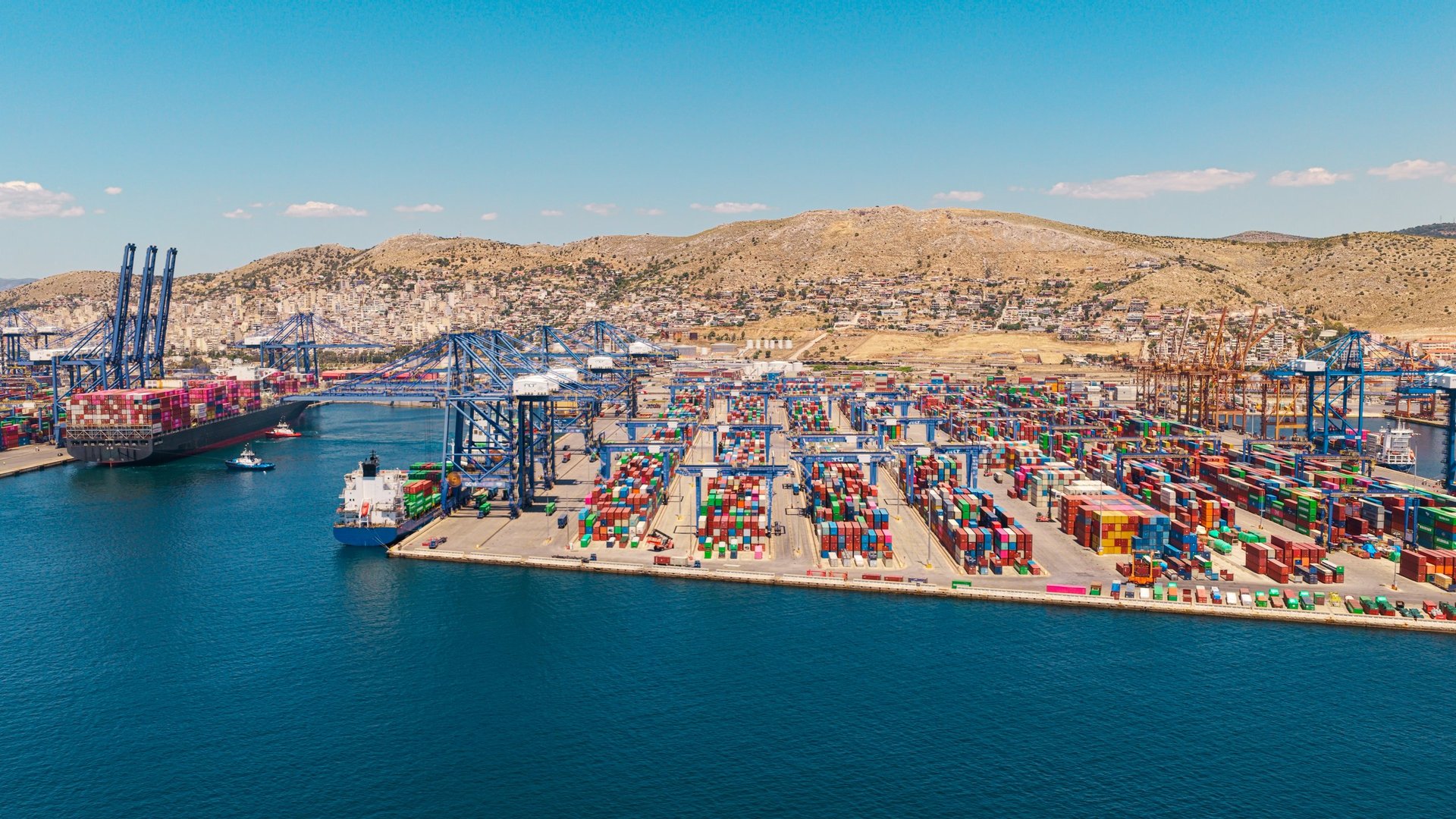
Settle it with your counterpart, not around them
Which Bahraini entity receives the coil is a decision for the buyer and their local counterpart to make together. It is not something a supplier can assign on their behalf — but it is something the enquiry can record, so the documents are drawn to the right party from the start.
Record it on the enquiryCoated & light-gauge
A coated coil is described in two parts, not one
Bahrain coil demand leans toward the lighter gauges and coated products, and a coated coil carries a description the uncoated one does not. Substrate and coating are separate characteristics, so they have to be stated separately — and kept consistent wherever they appear.
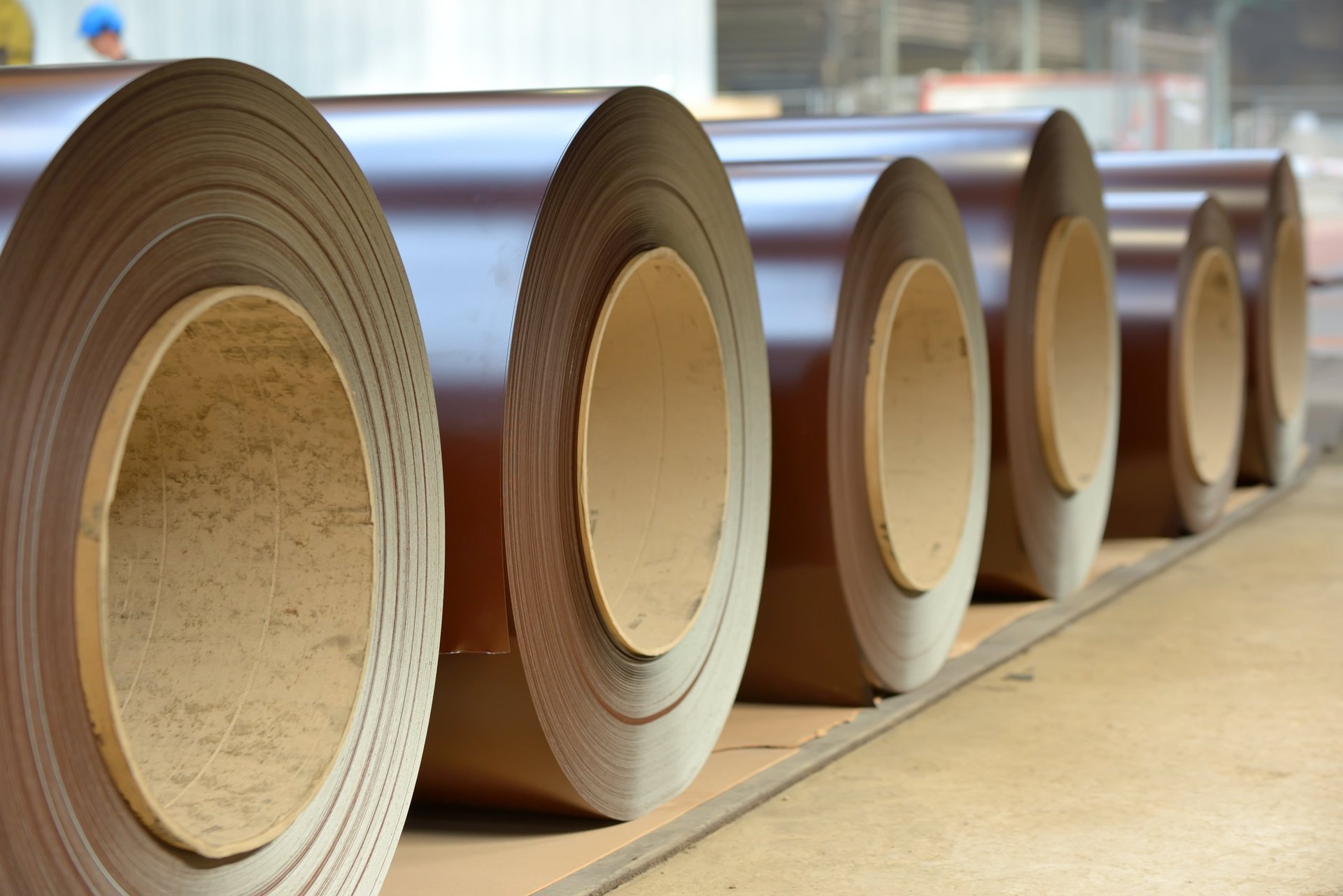
Where the description comes apart
The order names the coated product; the invoice names the substrate. Both are correct and neither is complete. That gap is a common reason a light-gauge consignment gets queried, and it is closed by writing both parts of the description the same way on every document.
Steel coil product range| Field | What usually goes wrong |
|---|---|
| Substrate designation | Named on the technical sheet but shortened on the invoice, so the two no longer read as the same product. |
| Coating designation | Recorded on the order and omitted from the paperwork, leaving the receiving check nothing to confirm. |
| Thickness & width | Light gauges are less forgiving of a unit mismatch between documents than heavier sections are. |
| Quantity basis | Counted in coils on one document and tonnes on another, so the consignment cannot be reconciled at receipt. |
| Product form | Coil and cut sheet described interchangeably, although they are different goods for documentation purposes. |
| Coating records | Assumed to travel with any coated coil, when they are a requirement the order has to state. |
Where a coil is the wrong form
Where the receiving operation has no way to unwind a coil, the flat form removes the handling problem rather than adding a step to manage it. Worth confirming before the consignment is planned around a coil.
Steel sheet, where cut lengths fit betterWhere it goes
The destination roles change with the receiving operation
Whether a consignment runs smoothly depends less on the coil than on who is waiting for it. These are the receiving situations where the assignments shift — use them to check your own against one of them.
A fabricator taking coil to the line
The consignee is also the end user, so the receiving party can confirm the coil against the order directly. The assignment is simple; the handling fit is the part that needs checking.
A trader holding stock for resale
Here the consignee and the eventual user are different parties, so the coil has to arrive identifiable and documented — the next buyer reads the paperwork, not the material.
A contractor receiving against a project
Delivery is tied to project milestones, so the timing and the document set change per call-off even though the specification does not.
Coated coil for cladding and panels
The coating designation becomes a required part of the description rather than a technical footnote, and it has to hold across every document.
A consignment moving beyond the terminal
Where the coil lands at the boundary and moves inland, the onward leg needs a named owner or it waits at the port while two parties assume the other has it.
A first order with a new counterpart
With no trading history the assignments are untested, so writing them down rather than relying on familiarity is worth the extra line on the enquiry.
Assignments cost nothing to record
Writing down who receives the coil and who moves it past the boundary takes a line on the enquiry. Discovering that neither party arranged it takes considerably longer, and it happens while the coil is already sitting at the boundary with storage accruing.
Reading the movement, not just the price
Two coil offers reaching Bahrain can look comparable on price and still place the responsibility in different hands, because the terms behind them differ. Before comparing figures, check that both offers are built on the same term with the same named place — and that the steps outside the term have an owner in both.
How a coil price is actually assembled — what sits inside it and what does not — is worth understanding before the comparison, since the commercial structure is where offers most often stop being comparable.
How a coil price is formedGCC routes
Regional movements pass through more than one set of rules
Where a coil reaches Bahrain as part of a wider regional movement, the responsibilities do not stop at the first border. Use these when your consignment involves another GCC market before it arrives — each one assigns its steps differently.
 QatarSubmittal before shipmentQatar coil enquiries usually sit behind a technical submittal, so the responsibility for the submittal is settled before the consignment plan is drawn.Coil supply for Qatar
 Saudi ArabiaProject hold pointsSaudi project supply ties approval to defined hold points, so who signs off at each stage is agreed alongside the specification.Coil supply for Saudi Arabia
 UAEFirst leg of a wider movementUAE coil supply is often one leg of a regional movement, so the point at which responsibility passes is fixed rather than left to the onward carrier.Coil supply for UAE
 KuwaitImporter of recordKuwait consignments turn on who is declared as importer of record, and that entity has to be named before the documents are drawn.Coil supply for Kuwait
 OmanPort handling and lashingOman consignments pass through port destinations where the coil is secured more than once, so the handling responsibility is part of the plan.Coil supply for OmanBahrainYou are hereThis page covers the coil consignment into Bahrain, including who owns each step, the consignee and the delivery point.Current market
Customs duty, conformity requirements and clearance outcomes are confirmed for the actual consignment against the officials who administer them. Nothing on this page is a statement about a clearance outcome or a facility in any of these markets.
Questions buyers ask
Steel coil into Bahrain — common questions
Each answer depends on the consignment and the assignments behind it. Where a question can only be settled against your own arrangement, the answer says so rather than offering a general figure.
Which Bahraini entity should appear as the consignee on a coil shipment?
The consignee is the party the goods are consigned to, and on a Bahrain-bound coil shipment that is normally the local entity taking delivery rather than an overseas buyer arranging it. The consignee is not automatically the same party as the importer named on the invoice, and where the two differ both have to be stated deliberately so the transport document and the commercial document agree. Getting this wrong usually surfaces as a document correction partway through the movement, so it is worth settling with your Bahraini counterpart before the papers are drawn.
Which authority governs each step of a coil consignment into Bahrain?
Different steps fall to different authorities, and part of planning the order is knowing which one applies where. Customs treatment and duty follow the national customs authority. Any conformity or standards requirement for the goods follows whichever body administers it for that product. The port or terminal operator governs the physical handling at the boundary. Because these are separate, a question about clearance and a question about product conformity are not the same question — and neither should be answered from a general statement about the destination country.
Does the responsibility for a coil consignment change with the Incoterm?
Yes. The agreed Incoterm is what allocates the obligations between the parties — who arranges carriage, who bears cost and at what point risk transfers. Because the term allocates those obligations, the same coil quoted against a different term is being handled by different parties at different stages. The ICC publishes the rules that define each term, and the named place attached to the term is part of it rather than a note beside it.
What does the named delivery point settle on a Bahrain coil order?
It settles where the movement ends for the purpose of the agreed term, and it is the point the receiving party has to be set up for. Bahrain-bound coil commonly lands at a terminal and then moves onward, so naming the delivery point exactly — terminal, warehouse or an inland address — avoids the onward leg being left to interpretation between the terminal and the consignee. Where the coil has to move beyond the boundary, say who arranges that leg.
How do coated and light-gauge coils change the paperwork?
A coated coil carries a designation the uncoated product does not, and that designation has to appear consistently on the order and on the commercial documents. Where the buying requirement includes any certificate or record for the coating, that is a separate line rather than something implied by naming the coated product. Because coating and substrate are described separately, a mismatch between the two descriptions across documents is a common source of delay on light-gauge consignments.
What has to be settled before a Bahrain coil offer is firm?
The steel specification and coil form, the dimensions and quantity basis, the Bahraini consignee and the delivery point, the agreed Incoterm with its named place, which documents the consignment needs, and who is handling each onward step. Customs duty, any conformity requirement and clearance outcome are confirmed for the actual consignment against the officials who administer them. Nothing on this page states a duty rate, a clearance result or a facility in Bahrain.
Request a quote
Send the coil requirement with the responsibility plan
Provide the product and specification, the dimensions and quantity basis, the Bahraini consignee, the importer on the invoice where it differs, the agreed Incoterm with its named place, the delivery point and who handles anything beyond it. If an assignment is still open, say so.
What happens after you send it
- 1The specification is checked against the coil range and the declared standard.
- 2The assignments are reviewed — consignee, importer, term with its place, delivery point and onward owner — and anything unassigned is raised back to you.
- 3Commercial terms are formed on that basis, with the document set drawn to the parties named.
Availability, origin, certification, lead time and freight are confirmed on quotation against current company data — nothing on this page should be read as a stock or price statement.
Monday – Saturday, 8.00 AM – 6.00 PM · Sunday closed
Not sure which Bahraini entity should appear where?
Name the consignee, the importer and the delivery point on the enquiry. The review will flag any step left without an owner before the offer is formed.
Noor Deira Steel Trading L.L.C. · Office 3303, Churchill Executive Tower, Business Bay, Dubai, United Arab Emirates