
Steel Sheet · Oman
Steel Sheet Supplier in Oman
On an Oman delivery the sheet is usually certificated correctly and then handed between three or four parties before anyone installs it. That middle section — discharge, the inland movement, the wait, the unloading — is where a technically sound order turns into a condition dispute. This page is about planning that section, because it is the part a buyer can still control after the order is placed.
Every movement has an owner Storage matched to duration Condition stated for the unpacked state
This page describes how an Oman-bound sheet delivery is planned. It makes no claim about stock, a warehouse, a local branch, shipping lanes, transit time, customs duty or clearance — none of which a supplier can commit to on a buyer's behalf. Review the steel sheet specifications to confirm which product form and coating condition your requirement falls under.
Delivery map
Six inputs that decide an Oman delivery, none of them technical
The sheet specification is settled before any of these. What follows is the delivery side of the order — the part that determines whether the material that was certificated is the material that gets installed.
Named destination
Which place in Oman does the sheet have to reach — port, industrial area or project site?
The country name is not a delivery point. A discharge port and the site that consumes the sheet are frequently separated by a leg nobody has priced, and that gap is where the schedule slips.
Port-to-site leg
Who moves the sheet from discharge to the site, and with what equipment?
Sheet bundles are heavy, flat and wide. The vehicle, the lifting equipment and the access at the receiving end are decided by the site, not by the supplier — and they have to be named before the offer is fixed.
Receiving capability
What can the receiving point actually accept, and when?
A site with no covered storage, a limited laydown area or restricted delivery windows changes how the consignment should be split and sequenced. That is a delivery input, not an afterthought.
Storage exposure
How long will the sheet wait, and under what conditions?
Sheet waiting at a coastal location between discharge and installation meets moisture, salt-laden air and temperature cycling. Uncoated sheet is the most exposed, and coated sheet can lose its edge protection.
Condition on arrival
What does the sheet have to look like when it is unpacked, not when it is loaded?
The acceptance question at the site is about the sheet that arrives, not the sheet that was certificated. Storage and handling sit between those two states, so the requirement has to cover the whole journey.
Delivery terms
Where do the supplier's obligations end, and where do the buyer's begin?
An Incoterm marks the handover, and that handover point determines who owns the sheet — and the risk to it — through each transfer. Naming it precisely is what makes the handover auditable.
Project-delivery worksheet
Work the delivery through before the enquiry goes out
The worksheet collects the fields that decide an Oman delivery and branches on how the sheet is received and how long it waits. It reports the gaps that cost time on this route — it does not estimate a price, a duty figure or a transit time, and it will not invent a destination you have not named.
What is being delivered
Where it goes, and who moves it
Nothing to report yet
Complete the fields on the left. The worksheet reports which delivery inputs an Oman offer actually depends on, and where the plan still has a gap.
Handover and packing
Where the supplier stops and the buyer starts
A delivery term is only useful if the place it applies to is written down. These three inputs are what make the handover auditable rather than a matter of recollection.
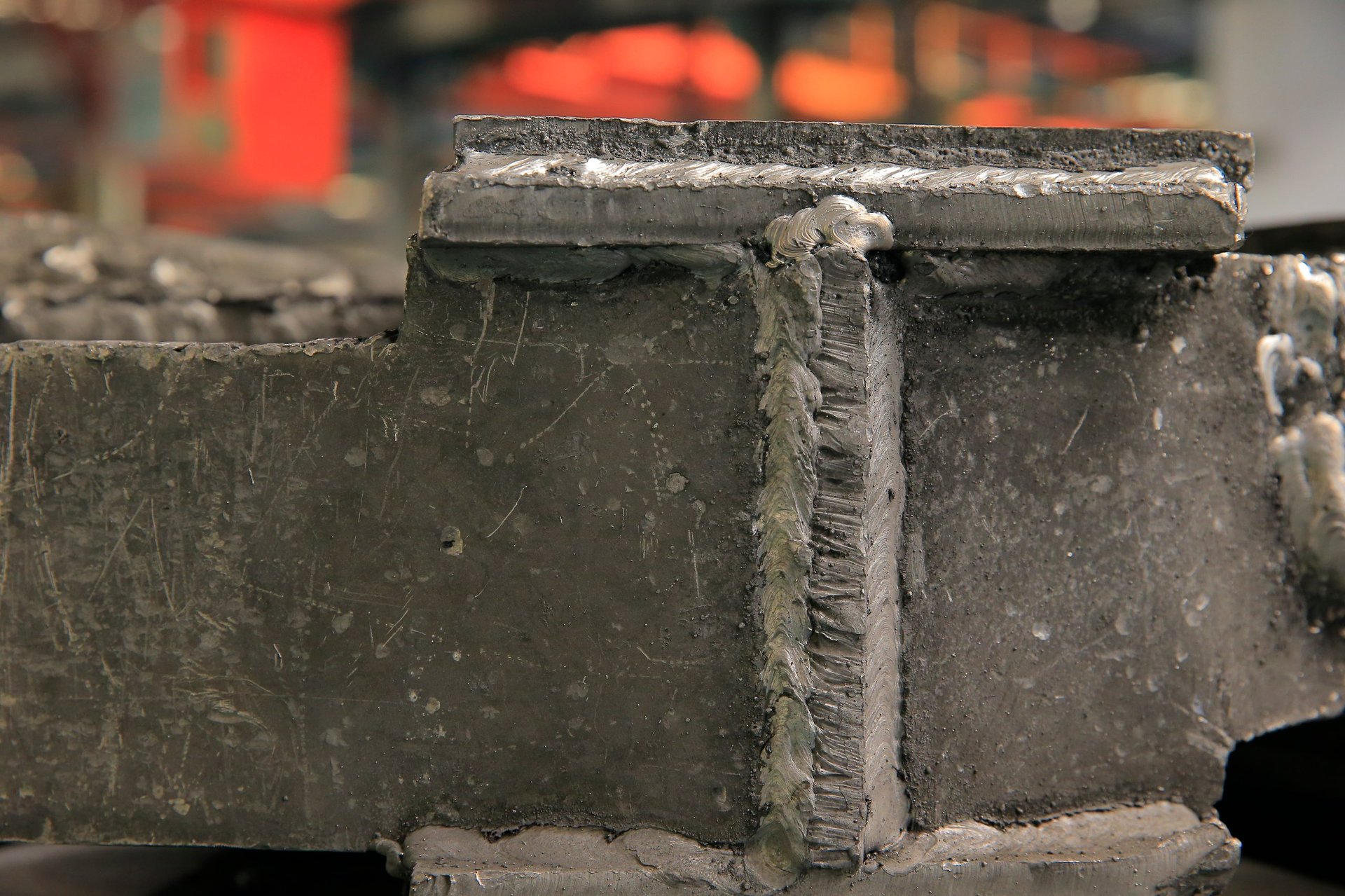
Every transfer is a point where the sheet changes hands — and a point where its condition can change with it.
Packing for handling, not just for transport
Sheet is bundled, palletised or containerised and marked by size, grade and lot. Where the consignment will be transferred more than once, the bundle format and the lift points are named in the enquiry.
Handover point
State where the supplier's responsibility ends. That single point decides who owns the sheet through loading, the sea leg, discharge and the inland movement, and it is what makes a claim separable from a dispute.
Last leg and receiving window
The inland movement and the site's delivery window are the buyer's inputs. Naming them lets the consignment be sequenced against the site's actual capacity rather than against an assumed arrival.
Where the delivery involves an inland movement the buyer arranges, that arrangement still belongs in the enquiry. Naming the handover point without naming who moves the sheet from it leaves a gap that only becomes visible when the consignment is already sitting at the port.
Sheet selection
Four decisions that follow the sheet all the way to the site
Each of these is usually treated as a technical choice. On a delivery into Oman each one also has a consequence that only appears after the sheet has left the mill.
Rolling route
Cold-reduced and hot-rolled sheet are read against different thickness requirements, and the route also decides how the surface behaves after a long period in storage.
Coating condition
Hot-dip coated and prepainted sheet carry an additional document layer beyond the base metal, and a coating is also the first thing to suffer if the consignment waits in a coastal yard.
Sheet dimensions
Thickness, width and length with the tolerance basis and the unit system. On a site delivery these also determine the vehicle and the lifting arrangement.
Packing for the journey
Interleaving, edge protection, moisture control and lift-point marking. On a delivery with more than one transfer these are the difference between the sheet arriving as ordered and arriving as a claim.
Sheet ordered against an Oman project specification frequently arrives with the project document attached rather than a mill description. Send the governing document with its edition — a grade name on its own does not tell the commercial desk which requirement to quote against.
Arriving condition
The sheet is judged where it is unpacked, not where it was loaded
Between those two points the consignment passes through stages the mill has no control over and the buyer does. This is what acts on the sheet at each stage, and the input that covers it.
| Stage | What acts on the sheet | The input that covers it |
|---|---|---|
| Packed at origin | The sheet is only as protected as the packing specified on the order. | Packing requirement stated in the enquiry rather than left to a supplier default. |
| At sea and at discharge | Humidity and salt-laden air act on exposed edges and uncoated faces. | Protection matched to the declared transit and the discharge environment. |
| Waiting between port and site | This is the least controlled part of the journey, and often the longest. | Storage duration and conditions named by the buyer, because only the buyer knows them. |
| Unloaded at the site | Lifting, stacking and laydown can damage edges and coating that survived the voyage. | Handling arrangement and receiving capability agreed before dispatch. |
| Unpacked for use | This is where the acceptance decision is actually made. | Condition requirement written against the unpacked state, not the loaded state. |
Why storage is the stage that gets missed
Packing is specified for transit because transit is what the supplier sees. The wait after discharge is invisible to everyone except the buyer, so it is the stage most often left out of the requirement — and on a coastal delivery it is the stage that acts on the sheet longest.
The practical answer is not a longer specification. It is two fields: how long the sheet will wait, and under what conditions. Both are known only to the buyer, and together they tell the supplier whether standard protection is sufficient or whether the consignment needs more.

Acceptance happens at unpacking. The requirement is most useful when it is written for that moment.
Delivery patterns
Three ways an Oman sheet order is received
Each pattern shifts a different input in the worksheet. They describe how the consignment is handled and held — not product grades or service environments.
Direct-to-site consignments
The sheet moves from discharge straight to the project. Where the schedule is tight, this reduces handling — but it also removes the opportunity to inspect and repackage before the site receives it.
Confirm the site can receive the full consignment in one movement.
Split deliveries held in transit
The order is divided to match the site's storage or consumption rate. This protects against over-delivery, but it extends the period the sheet sits between discharge and installation.
State the expected storage duration and the conditions at the holding point.
Coastal or humid storage
Sheet held near the coast before installation meets conditions that uncoated and edge-exposed material handles least well. The requirement is a storage decision as much as a product decision.
Name the storage conditions, not only the destination.
GCC supply
Steel sheet across the Gulf
Oman is the destination covered by this page. If the sheet is landing elsewhere in the GCC, move to the matching country route so the delivery inputs follow the actual destination rather than the one assumed here.

Oman
CurrentYou are here · this page
Oman is the destination view covered here — sheet selection, named destination, handover point, storage planning and arriving condition, with the fields that carry them.

United Arab Emirates
Sheet landing in the UAE often moves again from a free zone, so the delivery basis and the declaration trail are settled together rather than at the port.

Saudi Arabia
The conformity evidence set runs alongside the sheet specification, so a dimensionally complete order can still be commercially incomplete without it.

Qatar
Qatar-bound sheet orders turn on the import file and the named delivery point, and the enquiry is built so the material and shipping evidence stay separate.

Kuwait
The declared weight basis sits underneath the sheet requirement and decides whether a quotation is genuinely comparable with another.

Bahrain
A shorter ocean leg makes the ordered quantity interact more tightly with how the sheet is packed and shipped, which is fixed with the schedule.
Related reading
Pages buyers reach for alongside an Oman sheet enquiry
Each of these touches a decision that runs from dispatch to installation — the dimensions that govern handling, the export preparation itself, or the product form being shipped. Reading one does not make two forms interchangeable.
Expert insight
Which part of an Oman delivery can a supplier actually stand behind?
The useful question is not how much a supplier promises, but where their responsibility stops. On this route the answer turns on the handover point.
A supplier can stand behind the material and the way it leaves the works: the sheet is supplied to the standard and edition named on the order, the mill certificate describes that material, the packing follows the requirement stated, and the consignment is coordinated to the delivery term and place recorded. Those commitments follow from inputs the buyer controls, which is exactly why they can be relied on.
Everything after the handover point is a different matter. The inland movement, the storage arrangement, the unloading and the period the sheet waits are the buyer's to control and, usually, the buyer's to arrange. That is not a limitation of the supplier — it is a fact about where the responsibility sits once the sheet has changed hands.
This is why the worksheet asks for the handover point and the storage duration together. Those two answers are what let a supplier decide whether standard packing is sufficient and what let a buyer establish, later, whether a problem occurred before or after the sheet was theirs.
What delivery planning changes
The failures this planning prevents
None of these are unusual. They are the ordinary ways an Oman sheet delivery becomes a dispute after the fact rather than a plan before it.
| The failure | What the worksheet does about it | What the buyer gets |
|---|---|---|
| An unowned leg between port and site | The enquiry separates the discharge point from the consuming site, so both are named and neither is assumed. | A schedule where every movement has an owner. |
| Packing sized for the voyage, not the journey | Protection is matched to the number of transfers and the expected wait rather than to a standard default. | Sheet that survives the whole route, not just the sea leg. |
| Deterioration discovered at unpacking | Storage duration and conditions are stated up front because only the buyer knows how long the sheet will wait. | A condition requirement that covers storage, not only transit. |
| A handover point left implicit | The delivery term and the exact place it applies to are stated together, making the risk transfer auditable. | A claim that can be separated from a dispute about timing. |
From requirement to receipt
Seven steps, and the one this route loses time on
Each step names its owner, the input that moves it forward, and the specific point where an Oman delivery tends to stall.
Requirement
Buyer
Form, rolling route, coating condition, thickness, width, length, quantity basis.
Result: Product identified and anchored to a governing document.
Watch for: A coating condition named without the document it is read against.
Named destination
Buyer
Discharge port or the site the sheet is consumed at.
Result: A place on the quotation rather than a country name.
Watch for: A port named when the sheet is actually required inland.
Handover and last leg
Buyer and commercial
Where responsibility transfers, vehicle and lifting arrangement, receiving window.
Result: The inland leg owned by someone before dispatch, not after.
Watch for: An unowned transfer between discharge and the site.
Storage and protection
Buyer
Expected wait, storage conditions, packing protection required.
Result: Protection matched to how long and where the sheet will wait.
Watch for: Standard packing assumed for a long coastal hold.
Pre-shipment check
Technical and QA
Dimensional and coating checks, count reconciliation.
Result: Thickness, width, length and mass reconciled to the certificate.
Watch for: A dimensional reading taken to a different basis than the order cites.
Shipment
Supplier and forwarder
Packing, marking, delivery terms, named destination.
Result: Consignment coordinated to the named place.
Watch for: Documentation issued against a place other than the one agreed.
Receipt and acceptance
Buyer
Unpacking, condition check, close-out of the document set.
Result: Accepted against the requirement written at the start.
Watch for: An acceptance standard that was never stated in the enquiry.
Questions buyers ask
Oman steel sheet — the doubts that come up before dispatch
Each answer depends on your own consignment and destination. Where a question can only be settled against your own arrangements or your forwarder, the answer says so rather than offering a general figure.
Which Omani ports or destinations should be named on the enquiry?
Name the place the sheet is actually consumed at, and the discharge point if it differs. Sohar, Salalah, Duqm and the Muscat area are the destinations buyers most often specify, but they serve different parts of the country and are not interchangeable. The point of naming both is that the inland movement becomes somebody's responsibility in writing rather than an assumption between discharge and delivery.
How long can steel sheet be stored before installation, and what does that change?
There is no fixed answer, because it depends on the coating condition, the storage environment and how the bundles are supported. What matters for the enquiry is that the expected wait and the conditions are stated. Sheet held near the coast for a long period meets moisture and salt-laden air, and uncoated or edge-exposed material handles that least well. Stating the duration lets the packing and protection be matched to it rather than guessed.
What packing should be specified for a multi-leg delivery?
Protection follows the number of times the sheet is handled. A single direct movement needs less than a consignment that is discharged, held, loaded again and unloaded at a site. Interleaving, edge protection, moisture control and lift-point marking are the fields that carry this, and they are stated in the enquiry because once the sheet is packed there is nothing left to decide.
Can you guarantee a shipping lane, transit time or delivery to a specific Omani port?
No. Shipping lanes, sailing schedules and transit times are set by the carriers and can change with demand and season, so a supplier cannot commit to them on a buyer's behalf. What can be committed to is the sheet specification, the packing as stated, and coordination of the consignment to the delivery term and place recorded on the order. Schedules are confirmed at the time of shipment.
Does a delivery into Oman carry any local duty or customs commitment on this page?
None. Customs treatment, classification, duty and any destination-side requirement depend on the importer of record and are verified through Oman's own customs authority and the importer's broker against the current rules. This page states no rate or classification, and the enquiry keeps the material requirement separate from the importer's own file so that neither is mistaken for the other.
What determines who is responsible for damage found after unloading?
The point at which risk transfers under the agreed delivery term, combined with how the sheet was packed, handled and stored after that point. That is why the handover point and the named place are recorded together, and why the storage arrangement is stated. Without those, a genuine handling problem and a genuine storage problem look identical after the fact and neither can be resolved cleanly.
Request a quote
Send the Oman delivery requirement for review
Give the sheet form, coating condition and dimensions, then the discharge point, final destination, handover point, receiving arrangement and expected storage. Delivery questions are answered against the plan you provide rather than from an assumed route.
What happens after you send it
- 1The sheet requirement is read against the standard and edition you named.
- 2The delivery plan is checked for the gaps that cost time — an unnamed inland leg, an undeclared storage period.
- 3Packing and protection are matched to how long and where the sheet will wait.
Price on request. Availability, origin, certification, shipping schedule and freight are confirmed on quotation against current company data. Nothing on this page is a stock, price, lane, duty or clearance statement.
Monday – Saturday, 8.00 AM – 6.00 PM · Sunday closed
Landing somewhere other than Oman?
Move to the matching country route so the delivery inputs and handover point follow the actual destination rather than the one assumed here.
Noor Deira Steel Trading L.L.C. · Office 3303, Churchill Executive Tower, Business Bay, Dubai, United Arab Emirates