
Qatar Hollow Section Supply
Hollow Section Supplier in Qatar
A Qatar hollow-section enquiry is two questions that have to be answered together: what the project specification requires, and what the actual consignee, delivery point and document set require. Answer one without the other and the quotation is incomplete in a way that only surfaces at the port. This page builds the handoff between them — the specification fields the project fixes, the destination fields the consignee fixes, and a clear split of who verifies what. It does not claim local stock, a Qatar office or warehouse, an importer-of-record role, or a customs service, and it publishes no tariff rate, clearance time or duty figure: those are ruled on by the Qatari authority for the shipment's actual classification and origin.
Price on request · no local stock or customs-service claim · terms confirmed against the live enquiry
The destination half
Six fields a Qatar consignment turns on
A hollow-section schedule settles what is being shipped. It does not settle where it is going, who is receiving it, or what has to travel with it. The six fields below are the ones that decide whether a Qatar enquiry can actually be quoted and cleared — and each one belongs to a party that is not the one holding the drawing.
| Field | What it settles | Who confirms it | What stays open without it |
|---|---|---|---|
| Delivery point — port, free zone, or project site | Where the seller's obligation ends and what mode carries the consignment the last leg. A port discharge, a free-zone delivery and a site delivery inland are three different transport arrangements even when the country is the same. | Buyer / consignee | The freight basis and the named place cannot be applied to the Incoterm, so the quotation has to be reissued once the destination is known. |
| Consignee and importer of record | Who assumes clearance responsibility and in whose name the entry is made. These are not always the same party, and the answer changes which documents are addressed to whom. | Buyer / consignee | Documentation addressing and clearance responsibility stay unresolved, which is discovered only when the consignment is already at the destination. |
| Incoterms rule and its named place | Which delivery tasks, costs and risks transfer at which point. The rule is incomplete without the place it names. | Buyer and seller, agreed | A rule quoted against no place is unenforceable and is a common cause of a disputed invoice line. |
| Required-on-site date | Whether the consignment is judged against a project programme or a stock movement, and how much of the total time the shipping leg can take. | Buyer / project programme | Delivery timing cannot be promised, and a date quoted against a guess is worse than no date at all. |
| Document set the receiver expects | What has to travel with the steel so the consignment can be accepted and cleared. Some of this is standard, some is project-specific and some depends on the destination. | Buyer, importer and project reviewer | Material that is dimensionally correct can still be held up because a document the receiver expected was never requested. |
| Commodity description and classification inputs | The starting point for a tariff question. Classification is decided from the goods as described, not from the country of supply. | Importer, verified against the customs authority | Nobody can assess the tariff position, and any figure quoted from memory is worse than saying the classification is unresolved. |
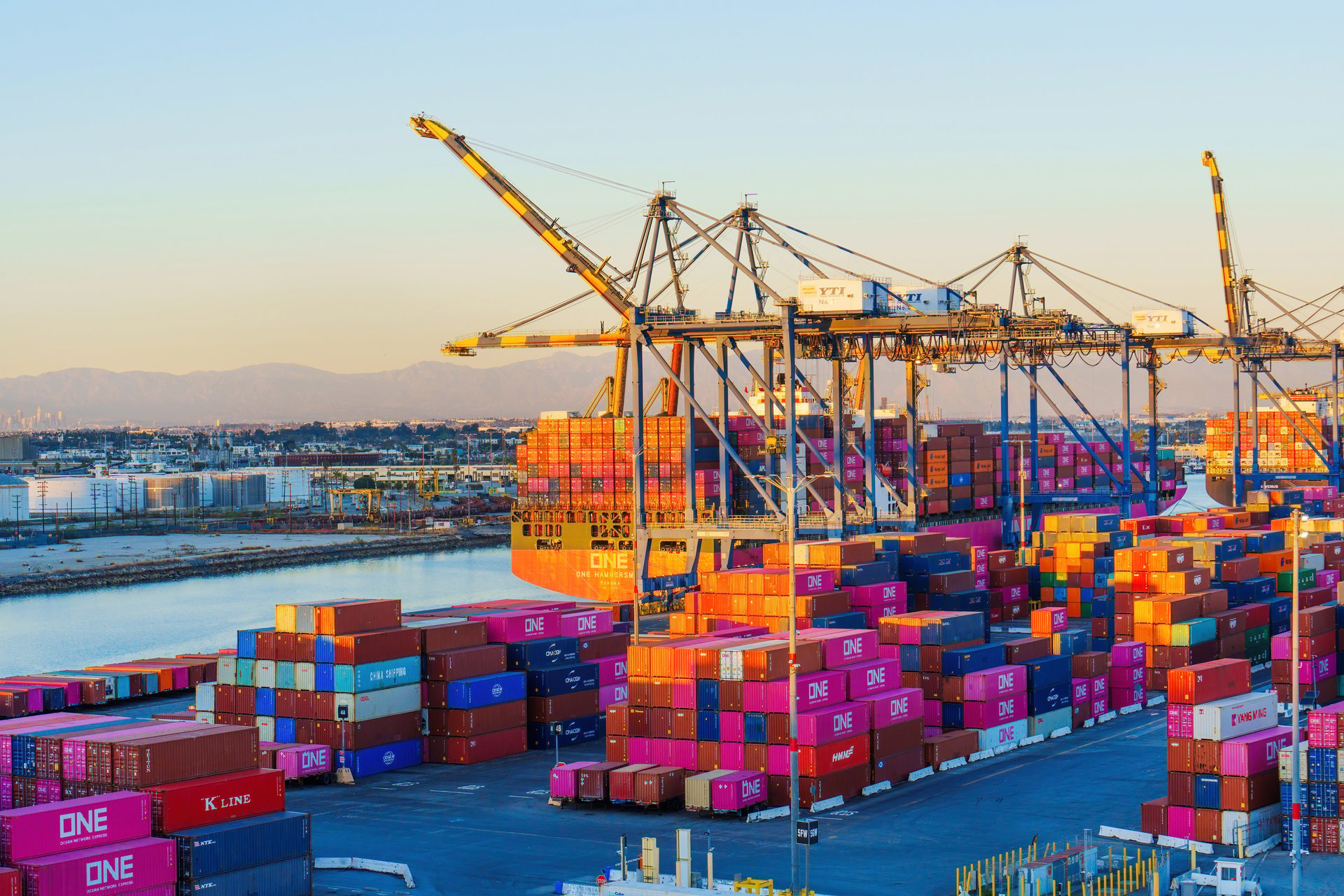
Where the two halves meet
The specification is decided in an office against a design. The destination is decided by whoever receives the material and whoever clears it. Neither party normally sees the other's document, which is exactly why an enquiry that carries only one of them stalls when the consignment reaches the port.
What this page does not claim
Targeting Qatar is not evidence of anything local. This page does not assert a Qatar office, a warehouse, held inventory, an importer-of-record role or a customs clearance service, and it should be read as none of those. A country page tells you which questions a consignment to that country raises and who has to answer them; it does not tell you what a supplier owns there.
The same discipline applies to numbers. No tariff rate, duty figure, clearance duration, permit requirement or local tax is published here, because each of those is decided for a specific consignment by the authority that governs it — and a figure carried on a supplier page is a figure nobody can be held to.
Import-and-specification handoff
State both halves, and see which one is still open
The specification half is what the project fixes. The destination half is what the consignee, the importer and the receiver fix. Fill in what you know — the checklist reports each half separately, because a Qatar enquiry is normally held up by one of them rather than by both, and the two are rarely owned by the same person.
Handoff status
Specification half
Destination half
Enquiry not yet quotable
Neither half is complete. That is a normal starting point — the checklist below is the order in which these questions are usually settled, and the specification half normally comes first because it decides what is being shipped.
Still open — specification
Still open — destination
Four parties, four answers
The question asked of the wrong party
A Qatar enquiry rarely fails because a document is missing. It fails because a question was put to someone who does not own the answer — a customs question sent to the engineer, a design question sent to the forwarder, a delivery question sent to the mill. The four parties below each hold a different part of the answer, and the split between them is the single most useful thing to settle before the enquiry is raised.
The buyer or project procurement team
What the project actually requires — the specification, the quantities and the date the material is needed.
- The standard family and the edition the project specification cites
- Shape, dimensions, wall, length basis and grade designation
- Quantities, lot structure and the required-on-site date
- Any project-specified inspection or documentation beyond the product standard
Not their question: Not the customs position, and not the classification. A project specification does not determine tariff treatment.
The Qatar consignee or importer of record
Who receives the consignment, in whose name it is cleared, and where it is delivered.
- Consignee identity and the importer of record for the entry
- Delivery point — port, free zone or inland site — and its named place
- Any consignee-specific document requirement or receiving format
- Availability of the registration details an entry depends on
Not their question: Not the technical specification, and not the mill documentation. Those are settled before the consignment is booked.
The seller and the shipping line or forwarder
What is supplied, how it is packed and marked, and how it moves to the named place.
- Mill test certificate against the ordered standard and edition
- Dimensional and mass records, and heat or lot traceability
- Packing, marking and bundle identification against the shipped lot
- Commercial invoice, packing list and the transport document for the agreed rule
Not their question: Not the classification, and not the clearance. A seller cannot rule on how a destination classifies goods.
The Qatari customs authority
The tariff treatment that applies to the shipment as classified, in the light of its origin and the rules in force at the time.
- Classification of the goods as described on the entry
- The tariff treatment that follows from that classification and the origin
- Any restriction, permit or documentation requirement attached to it
- The procedural requirements that apply to the entry itself
Not their question: Not the design decision, and not the acceptance of the steel against a project specification. Those belong to the engineer of record.

Three questions that look like one
Conformity, approval and clearance get treated as a single hurdle and they are three separate ones. Conformity is whether the steel meets the standard the specification cites — evidenced by the mill certificate. Approval is whether the engineer of record accepts that product for this project — a design judgement the certificate does not make. Clearance is whether the consignment can enter as described — a customs question decided by the authority, not by the supplier and not by the designer.
Merge them and an enquiry ends up asking one party to answer all three. Keeping them apart is what makes the handoff checklist above useful rather than decorative: each field is answered by exactly one of these parties, and none of them can answer for another.
The specification half
Six requirements that are often treated as one
A hollow-section specification is not a single instruction. It is a set of separate requirements that happen to arrive on the same document, and each one has a different governing authority. Collapsing them into a standard name and a size is how a technically conforming consignment still turns out not to be what the project needed.
| Requirement | Why it matters | Keep it separate from |
|---|---|---|
| Governing standard and edition | It fixes the scope, the dimensional and wall tolerances, the ordering requirements and the tests the section is supplied against. | Separate from the grade, and separate from the tariff question. Two consignments of the same steel can follow different standards because the projects cite different documents. |
| Shape, dimensions and wall | Square, rectangular and circular hollow sections are different products with different dimensional inputs, and a wall is stated independently of the section size. | Separate from the length. A cross-section specification and a cut-to-length instruction are two different requirements on the same line. |
| Grade and material condition | The grade designation and the delivery condition are a distinct requirement from the standard that governs them. | Separate from the standard. A standard permits a set of grades; it does not select one for your design. |
| Length basis and quantity structure | Stock lengths and finished cut lengths are different requirements, and the lot structure changes how the order is produced and checked. | Separate from the packing and shipping configuration, which is a logistics decision made after the order. |
| Inspection, testing and documentation | What has to be verified, by whom, and what has to travel with the consignment — the project may add requirements beyond the product standard. | Separate from the customs document set. Mill certification and a customs declaration answer different questions and are produced by different parties. |
| Finish or coating condition | Whether the section is supplied bare, galvanized or otherwise finished is an order input that changes both the product and the documents. | Separate from the standard. A finish requirement is a project decision, not something a product standard assumes. |
Why the shape and the family carry more weight on a hollow section
A hollow-section order can span three shapes whose dimensional inputs do not interchange with each other. A square section has one equal outside side. A rectangular one has two different outside sides and an orientation question that the designation alone does not answer. A circular one has a single diameter and no corner geometry at all.
On top of that, a round tube belongs either to a structural hollow-section family or to a pressure-pipe family, and the two are governed, toleranced and documented by different standards. So a hollow-section enquiry has to name the shape and the family before it names the size — a point that does not arise on a plate or bar order, where the form is settled by the product name alone.
Take it to the enquiry as
Shape + standard and edition + outside size × wall + length basis + grade designation + quantity and unit + finish condition
Every field above is a separate requirement with its own authority. The edition in particular is routinely left off, and without it the tolerances the order will be judged against are undefined.
Review the hollow sections product rangeThree document sets, three producers
What travels with a hollow-section consignment
Documents arrive on the same ship and answer different questions. Grouping them by who produces them is what keeps a receiving check from turning into an argument about which set was supposed to say what.
Product and quality evidence
Produced against the ordered standard and edition. This is what evidences the steel itself.
- Mill test certificate covering chemistry and mechanical results against the ordered standard
- Dimensional and wall record against the governing edition, plus the mass basis used
- Heat or lot traceability linking the consignment to the supplied material
- Any inspection or test record the project specification adds beyond the standard
Commercial and transport documents
Produced against the shipment and the agreed delivery rule, and addressed to the consignee.
- Commercial invoice and packing list matched to the shipped lot
- Transport document for the agreed Incoterms rule and named place
- Packing and bundle identification consistent across all documents
- Weight and quantity reconciliation between the order, the packing list and the certificate
Customs-facing inputs
The importer assembles these for the entry, against the Qatari authority's requirements at the time of import.
- Goods description precise enough to support classification of the consignment
- Origin information, and the origin document where the treatment depends on it
- Importer and consignee registration details the entry requires
- Any permit, restriction or certificate the authority attaches to that classification
Where a customs question actually gets answered
Qatar's tax authority is not its customs authority, and the two are separate institutions with separate remits. A tariff or classification question is a customs question, and it is answered against the goods as described on the entry and their origin — not against the country the supplier happens to sit in. The importer of record is the party who raises it, because the importer is who the entry is made by.
That is the reason this page publishes no rate and no code. A figure carried on a supplier page cannot bind an authority, and a classification is decided for a consignment rather than for a product name. The useful thing a supplier page can do is make sure the description and the origin are precise enough for the question to be answerable at all.
Qatar customs — tariff and HS guidanceReconciling the sets at receipt
Three checks settle most receipt disputes before they start. Does the mill certificate reference the standard and the edition that was actually ordered, not an earlier one? Do the quantity and the mass agree across the order, the packing list and the certificate? And does the goods description on the commercial documents match the description the entry was raised against?
A mismatch in any of the three is a documentation problem rather than a material problem, and it is far cheaper to catch at the desk than at the port.
Terms that decide who does what
The commercial fields a Qatar consignment turns on
These are the fields that allocate work between the parties. They are not technical requirements, and they are not customs rules either — they are the terms that say who performs which task, at which point, and from where.
Incoterms rule, always with its named place
The rule allocates which delivery tasks, costs and risks transfer and at which point; the named place is what makes that allocation specific. A rule quoted on its own cannot be applied and is one of the most common reasons a Qatar quotation has to be reissued. Worth stating explicitly, too: the rule does not settle title, payment terms, the classification of the goods, or who clears the entry.
Delivery point and how the last leg is carried
A port discharge, a free-zone delivery and a delivery to an inland project site are three different transport arrangements for the same country. Naming the point tells the supplier which one is being priced. Leaving it open means the freight basis is a guess, and a quote built on a guess changes as soon as the destination is known.
Packing, marking and bundle identity
Packing has to survive the voyage and marking has to let the receiver identify lots on arrival. For hollow sections that means bundles identified by size, grade and lot, with the marking consistent across the packing list and the certificate. Where a project specifies its own marking or lot conventions, those belong on the enquiry rather than being raised after the material is packed.
What is agreed versus what is confirmed later
Two different things travel on a quotation. The specification and the terms are agreed — they are settled by the parties and the quotation reflects them. Availability, origin, the tariff position and delivery timing are confirmed — they depend on facts that are checked at the time, and a supplier who states them as though they were agreed is overstating what a quotation can promise.

Where the consignment gets decided
Most of what goes wrong on a Qatar delivery is decided long before the ship sails. The named place, the consignee, the importer and the goods description are all settled at the enquiry stage or not at all — and each of them is cheaper to correct on paper than on the quay.
See how the export side of the order worksFrom requirement to receipt
Where a Qatar hollow-section enquiry actually stalls
Six stages carry a consignment from a design decision to an accepted delivery. Each one hands the next something it needs, and each one has a specific failure it exists to prevent.
Project requirement fixed
Project procurement
The specification the project cites, with quantities and the required-on-site date.
A technical requirement a supplier can quote against.
Prevents: A standard named without an edition, leaving the tolerances undefined.
Consignee and destination named
Importer / consignee
Who imports, who receives, and the exact point the material has to reach.
A destination the delivery terms can actually be applied to.
Prevents: An Incoterm quoted with no named place, so the terms cannot be read.
Description and origin settled
Importer, with the seller's input
How the goods are to be described for the entry, and where they originate.
Inputs the classification question can be raised against.
Prevents: A tariff position assumed from the country of supply rather than the goods.
One enquiry, not several
Procurement
The specification and the destination fields raised together on a single enquiry.
One quotation covering the product and the delivery.
Prevents: Sizes and terms split across enquiries raised on different bases.
Supply and movement
Seller and forwarder
Production against the ordered basis, packing and marking, and movement to the named place.
A consignment whose documents and bundles reconcile.
Prevents: A certificate that does not reference the edition actually ordered.
Receipt and reconciliation
Consignee and project reviewer
The delivered material checked against the ordered specification and the agreed document set.
A consignment accepted against a named basis.
Prevents: A document the receiver expected never having been requested.
Where to go next
Related product, market and export routes
This page settles the Qatar handoff between a project specification and a destination. The routes below pick up the next question — the product family itself, the Qatar market overview, or the comparison against an open profile.
Hollow sections product range
The product family this page routes to — the shapes, materials, grades and standards behind any consignment. Open it once the consignee and delivery point are fixed and the section itself is what is left to settle.
Open pageQatar steel market overview
The country route for everything Noor Deira supplies into Qatar. Use it when the project spans more than hollow sections and the enquiry covers a wider package.
Open pageHollow section export
How the export side is handled — packing, marking and movement to the named place. Read it as the seller-side counterpart to the consignee handoff described on this page.
Open pageStructural steel products
A comparison route, not a substitution. Where a connection needs a flat face to land on, an open profile is a design comparison for the engineer of record — not a purchasing swap against a hollow section.
Open pageGCC supply
Hollow sections across the Gulf
Qatar is the destination on this page and is shown without a self-link. Where a project lands elsewhere in the GCC, the matching country route carries the same specification-and-destination discipline against that country's requirements.

Qatar
This page
Destination-first buying: name the consignee, the importer of record, the delivery point and the named place alongside the specification, so the quotation and the document set match the consignment before it is booked.

Saudi Arabia
Project specification & import inputs
Use it where the specification itself is still being settled — the Saudi route works from the standard and edition outward, which is a different starting point from the consignee-first handoff on this page.
Open this market
United Arab Emirates
Destination & importer inputs
Use it where the emirate and the receiving location decide the arrangement. The UAE route breaks the destination down further than a single delivery point allows here.
Open this market
Kuwait
Contractor procurement inputs
Use it where a contractor carries the acceptance obligation and an importing counterpart carries the entry as two separate conversations rather than one handoff.
Open this market
Oman
Port-oriented supply inputs
Use it where the consignment continues past the port. The Oman route treats the onward movement and the packed configuration as order inputs, which this page does not.
Open this market
Bahrain
Industrial supply inputs
Use it where the steel is bought to be worked — cut lengths, finish sequence and the cut schedule are the questions that lead, rather than the consignee handoff.
Open this marketCommon questions
What Qatar procurement teams ask about hollow sections
These are the questions that come up before a hollow-section consignment is booked for Qatar — the ones where an assumption carried from a specification into a shipment costs time at the destination.
Do you have a warehouse or stock in Qatar?
This page does not claim one, and you should be cautious of any supplier page that asserts local stock without evidence you can check. Country targeting is not evidence of a local operation, an office, inventory, an importer-of-record role or a customs service. What is real and checkable here is the specification and destination handoff: the fields a Qatar consignment actually turns on, and a clear split of which party confirms each one. Availability, origin and delivery timing are confirmed against your live enquiry rather than implied by the page.
What does the project specification not settle about a Qatar delivery?
Almost everything to do with the destination. A project specification fixes the product: the standard and edition, the shape and dimensions, the grade and the inspection requirements. It usually says nothing about who the importer of record is, which point the material has to reach, what the receiver expects to arrive with it, or how the shipment is described for entry. Those are destination questions and they belong to the consignee and the importer. An enquiry that carries only the specification is technically complete and commercially unquotable.
Can you tell me the duty or the tariff code for hollow sections into Qatar?
No, and no supplier should be telling you either. Tariff treatment follows from how the goods are classified, which depends on the consignment as described, its material and its origin — not on the country supplying it. Rates change, and the applicable treatment is the one in force when the entry is made. What this page does is show you which inputs the classification question needs, so the importer can raise it properly with the Qatari customs authority. Ask for a rate from anyone who has not seen your goods description and you are being given a number, not an answer.
Is confirming the steel standard the same as confirming it is approved for a Qatar project?
They are different questions and they belong to different people. Confirming the standard means establishing that the section conforms to the standard your specification cites — that is a product and certification question. Approval for a specific project means the engineer of record accepting that product against the project's own requirements, which may add tests, documentation or restrictions that the product standard does not contain. A mill certificate evidences the first. It does not deliver the second, and treating it as though it did is how material arrives that is conforming but not accepted.
Why do you ask for the importer of record rather than just the delivery address?
Because they are not always the same party and they answer different questions. The delivery address tells you where the material has to physically reach; the importer of record tells you in whose name the entry is made and who carries clearance responsibility. When the two differ, the documents have to be addressed accordingly and the clearance obligation sits with one party while delivery sits with another. Assuming they are the same is a common way for a straightforward consignment to be held while the paperwork is reconciled after arrival.
What is different about specifying hollow sections rather than plate or pipe for a Qatar project?
The hollow-section family spans three shapes whose dimensional inputs are not interchangeable — a square section has one equal outside side, a rectangular one has two different outside sides and an orientation question, and a circular one has a single diameter and no corner geometry at all. On top of that, a round tube can belong either to a structural hollow-section family or to a pressure-pipe family, and those are governed, toleranced and documented by different standards. So a hollow-section enquiry needs the shape and the family named, not just a size. Where a Qatar project compares a hollow section against an open profile, that is a design comparison to be settled by the engineer of record rather than a purchasing substitution.
How should the Incoterms rule be stated for a Qatar consignment?
As the rule plus its named place, always together. The rule allocates which delivery tasks, costs and risks transfer and at which point; the named place is what makes that allocation specific. A rule quoted without a place cannot be applied, and it is one of the most common reasons a quotation has to be reissued. Note also what the rule does not settle: it does not determine title, payment terms, the classification of the goods, or who clears the entry. Those are separate matters, and the named place is the anchor the delivery terms hang from.
Send the specification and the destination together
Give us the hollow-section specification the project cites, and the consignee, importer of record, delivery point and named place the consignment has to reach. The commercial department will come back on the line, the quantity basis and the delivery terms — with availability, origin and timing confirmed against the live enquiry rather than promised here. Tariff treatment and clearance stay with the importer and the Qatari customs authority.
Price on request · sales@noordeirasteel.ae · +971 56 398 0860