
Steel Coil · S235JR
S235JR Steel Coil — A Structural Grade Must Be Checked Against the Form
S235JR is a structural designation, and structural standards are written around the products they cover. Applying one to coil is not wrong — but it is a decision that has to be checked against the standard part, the form it actually covers and the edition your project is reading, rather than assumed from the grade name.
Price on request · Standard scope and product form confirmed before quoting
Is This Your Route?
A structural grade has been named, and the material being bought is coil
This page is for the buyer who works from the structural side — a design or project requirement that names S235JR — and who now has to establish whether that requirement can be met in coil form, and on what basis.
Structural steel requirements are usually written with a shape in mind: a beam, a column, a plate, a section. The grade designates the strength and impact class the steel has to meet, and the standard around it sets out which products those requirements are placed on. When the same grade name is then applied to coil, one question is being carried across from another context.
That question is worth asking deliberately. Coil is a flat product supplied for further processing, and the reason a project names a structural grade is normally a load-bearing requirement placed on a finished component. If the coil is going to be slit, profiled, roll-formed or cut into parts, the connection between "the steel meets S235JR" and "the finished part meets the project requirement" passes through the processing, and has to be established rather than assumed.
There is a second, quieter question sitting beside it. Structural grades are often specified with an impact requirement, and impact behaviour is a property of the condition the steel is delivered in. A requirement written for one delivery condition does not automatically transfer to another — and that distinction survives all the way to the acceptance test.
What this page will not do
- It does not state that S235JR coil is universally suitable. Whether it is depends on the standard part, the product form it covers and your project's own requirements.
- It publishes no yield strength, tensile range or impact energy figure. Those belong to the current edition of the governing standard, and this page does not restate them from memory.
- It does not treat a structural grade and a cold-forming or coated grade as interchangeable. They are written for different jobs and are evidenced differently.
This is your route if…
- A project, drawing or customer requirement has named a structural grade and you are sourcing it in coil.
- You need to establish which part of the standard series governs a flat product before the order is placed.
- The coil will be processed into parts, and the project requirement has to survive that processing.
- An impact requirement may apply, and you need to confirm the delivery condition it was written against.
Look elsewhere if…
- The requirement is a cold-forming or coated-sheet demand rather than a structural one — those are written for a different job and evidenced differently. See the full coil grade set
- You need flat product already cut to length rather than a coil to feed a line. See the steel sheet range
- The structural requirement is better met in plate. See the steel plate range
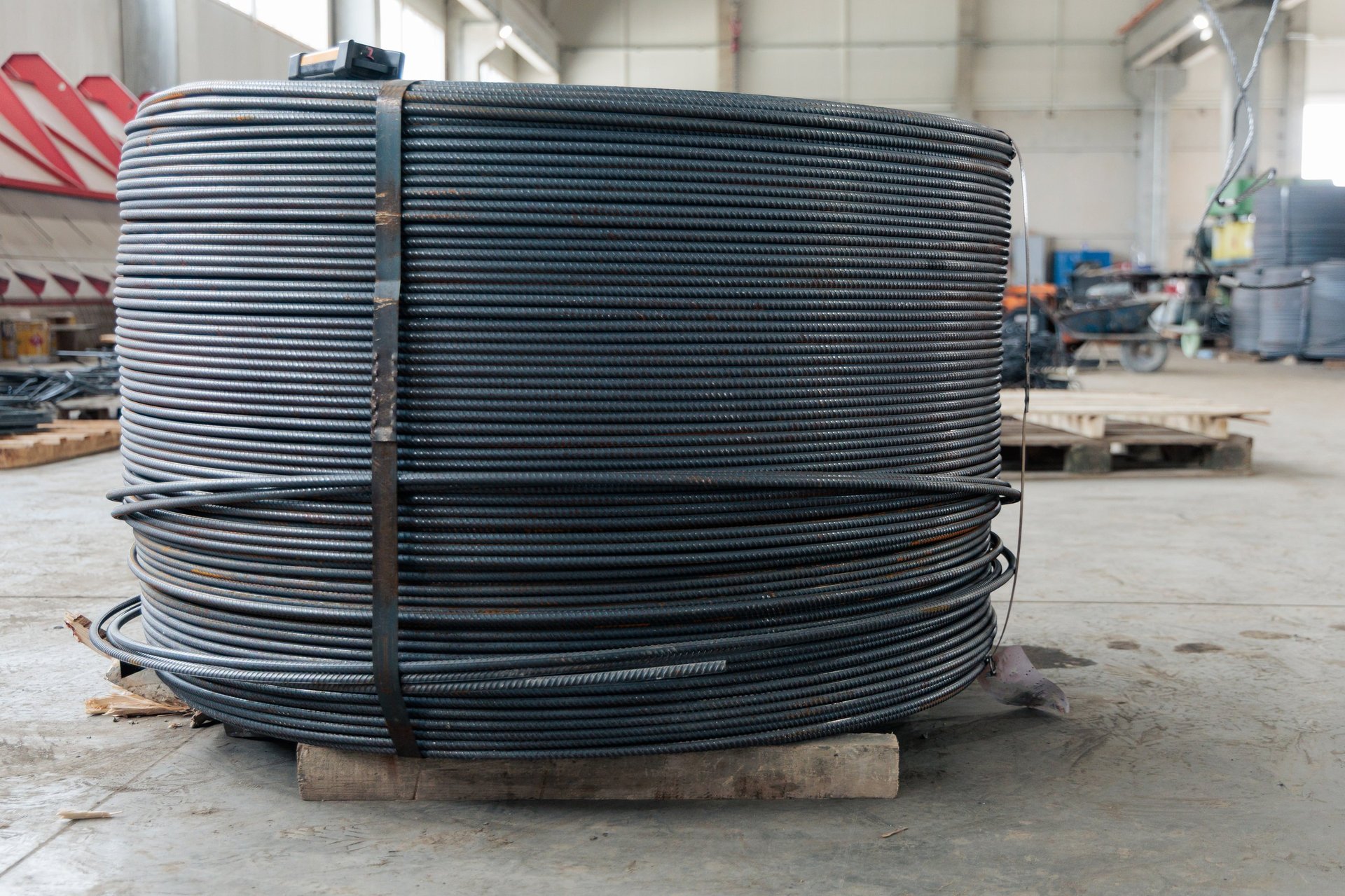
Scope & Product Form
Three checks before a structural grade is placed on coil
The grade name does not answer any of these on its own. Each one is a question about scope — what the standard covers, what the project requires, and what condition the material will be in. The check below reports what remains open; it publishes no mechanical value.
Check the scope before the grade is applied to coil
Three questions about scope. Together they determine whether this requirement belongs on a coil at all, and on what basis.
This reviews whether the scope questions are addressed. It does not state that any grade is suitable for coil, and it calculates no mechanical value — those follow from the governing standard and from your project requirement.
Scope review
Describe what the coil will become, whether an impact requirement applies, and whether the standard reference is named. The review reports which scope questions are still open.
Nothing here is a specification against a standard, and nothing here declares a structural grade suitable for a given product form. It is a check that the scope questions have been asked.
Why "does the standard cover this product form" is a real question
A standards series is usually divided into parts, and the parts divide along product lines — by strength level, by delivery condition, and by the products each one is written for. A grade name tells you the strength and impact class; it does not, by itself, tell you which part of the series governs the product you are buying or that the product form you want is covered by the part you are looking at. That is why the standard reference — not just the grade designation — belongs on the enquiry.
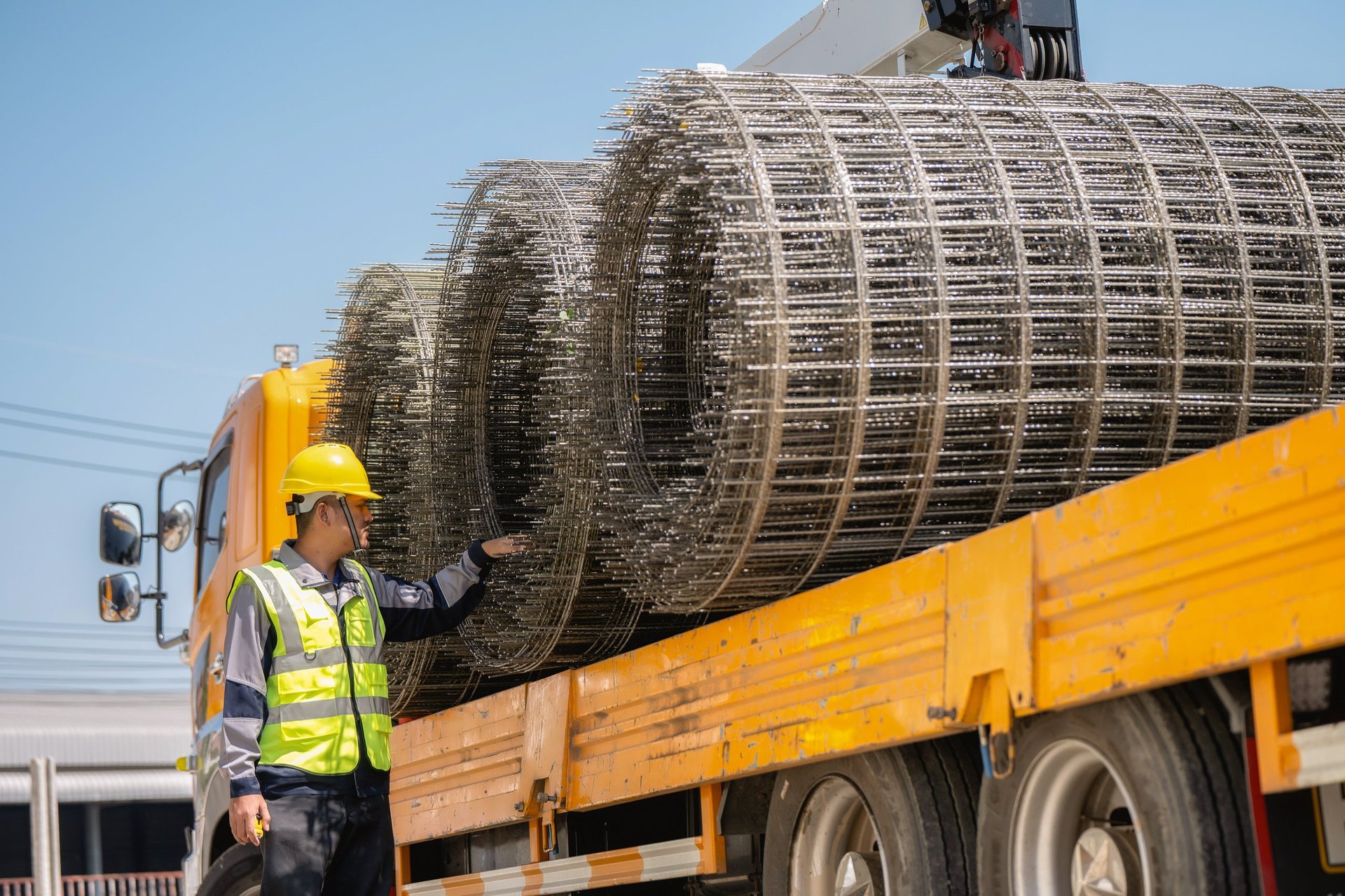
Where It Stops
Four assumptions a structural grade name invites
Each of these is a step made when a structural requirement is carried across to a flat product. Each one is a change to what is being asked of the material, whether or not anybody wrote it down.
The grade name is taken to cover the product form
A structural designation names a strength and impact class. Whether the part of the standard series cited actually covers the flat product you are buying is a separate matter, and it is settled by the standard reference rather than the grade name.
Boundary: the standard part and edition belong on the enquiry. A grade name alone does not establish scope.
A requirement written for a section is applied to a coil
Structural requirements are frequently written around the finished shape. Carrying that requirement back to the flat product it will be made from is a reasonable step, but it has to be taken deliberately — the intermediate form is not the thing the requirement was written for.
Boundary: state what the coil becomes and who demonstrates the finished part meets the requirement.
The impact requirement is treated as a property of the grade label
Impact behaviour is tied to the delivery condition, not only to the designation. A requirement written against one condition does not transfer automatically to another, and the difference shows up at acceptance testing rather than at order.
Boundary: delivery condition and impact requirement are read together, never one from the other.
A structural grade is substituted for a forming grade because both are steel
A structural designation and a cold-forming designation are written to different purposes and evidenced against different criteria. Treating one as a stand-in for the other is a change to the requirement that the grade name conceals.
Boundary: substituting across purposes reopens the requirement. The grade name is not evidence that the purpose is met.
The pattern behind all four is the same: a designation written for one purpose is asked to carry a requirement it was not written for. The cure is not to avoid structural grades on flat product — it is to put the standard reference, the product form and the project requirement on the enquiry together, so the connection between them is examined rather than presumed.
Writing the Order
What the enquiry has to carry for a structural grade in coil form
These are the fields that close the scope question and let a mill quote without guessing. Anything left out is filled in by default — and a default chosen by someone who has not seen your project is a risk taken on your behalf.
| Order field | Why it has to be on the enquiry |
|---|---|
| Grade designation and standard reference | Name the grade and the part of the standard series that governs it, so scope is agreed rather than assumed from the designation. |
| Governing edition | Where a standard is invoked, the edition is part of the requirement. Two parties citing the same number can still disagree about conformance without it. |
| Product form and end use | Say that the product is coil and what it will become. The scope question depends on the final form, not only on the supplied one. |
| Impact requirement and delivery condition | State whether an impact requirement applies and the condition it was written against — the two are read together. |
| Thickness and width, with tolerances | Nominal dimensions give inspection nothing to accept or reject against. The tolerance class is part of the requirement. |
| Coil geometry and quantity | Inner diameter, outer diameter, mass range and quantity determine whether the coil suits your decoiler and how the campaign is planned. |
| Processing the coil will undergo | Slitting, profiling, roll forming or blanking all change the material on its way to the finished part. |
| Tests, documents and destination | The tests name what will be proven and the destination determines the document set the receiving inspection will expect. |
Inspection and documents
- Confirm the certificate cites the standard part and edition your order invoked, not only the grade name.
- Check that the delivery condition the material was supplied in is the one the impact requirement was written against.
- Name the test basis on the order, so the evidence you receive matches what your inspection will run.
- Verify the certificate covers the heat or lot actually shipped, not a representative heat from the campaign.
- Keep a record of what was not tested — a certificate is silent about examinations never performed.
What a scope question is not
Raising the scope question is not a suggestion that the material is unsuitable. It is a check that the standard reference, the product form and the project requirement have been read together. An enquiry that names all three moves faster than one that leaves the desk to work them out.
GCC Supply
Sourcing a structural-specified coil into the Gulf
Where a structural grade is named on a flat product, the paperwork tends to be examined as closely as the material. The route and the document set are part of the order rather than an afterthought to it.

United Arab Emirates
Local and re-export enquiries, where the standard reference and the project requirement are reconciled before the coil is ordered.
Steel coil supply for United Arab Emirates
Saudi Arabia
Programme volumes where the specified standard and the supporting documentation are reviewed together before material is released.
Steel coil supply for Saudi Arabia
Qatar
Project-driven demand where the submittal has to name a standard, so an assumed scope surfaces there rather than quietly.
Steel coil supply for Qatar
Oman
Port-oriented supply where coil geometry and protection are settled to suit the route in and the works receiving them.
Steel coil supply for Oman
Bahrain
Industrial supply where the document set carries as much weight as the material, because inspection is run against it.
Steel coil supply for Bahrain
Kuwait
Contractor supply linking the coil to the drawing it feeds, so the standard and the condition are fixed before the line is set.
Steel coil supply for KuwaitThese pages set out the supply route and the enquiry handling for each destination. They do not claim local warehousing, stockholding, a branch presence or a delivery timescale — those are confirmed against your own order. Where a structural grade is in play, tell the desk which destination is receiving the material: the document set a project inspection expects is not the same everywhere, and naming it early is cheaper than recovering it.
Reference Notes
What a structural designation covers, and what it leaves to the standard
Read carefully, the designation is precise within its own limits. The difficulty begins when the name is asked to answer questions that belong to the standard series instead.
A standards series is divided by product and condition, not only by strength
Series for structural steels are typically split into parts, and the parts divide along lines that include the delivery condition and the products each is written for. A grade name identifies a strength and impact class; the part identifies what it is applied to.
Scope is a question about the standard, not the grade
Asking whether a grade is suitable for coil is really asking whether the part of the standard that governs it covers that product form. That is answered by reading the standard, which is why the reference belongs on the enquiry.
Impact requirements attach to a delivery condition
Where a project specifies impact behaviour, it does so in the context of a delivery condition. The two travel together — a requirement written against one condition does not carry across to another without being re-examined.
The finished part is the thing the project requirement is written for
A structural requirement normally governs the component, not the input to it. When the input is coil that will be processed, the chain from delivered material to finished part has to be established, and somebody has to be responsible for demonstrating it.
This page deliberately does not reproduce yield strength, tensile ranges or impact energy figures, and it does not state which part of the standard series governs a given product form. Those are answered by reading the current edition of the standard — and the scope question in particular should be settled from the standard itself, not from a marketing page.
Which layer settles which question
Grade designation
A strength and impact class. Identifies the requirement, not the product it applies to.
Standard part and edition
Which requirements apply and to which product form. The scope question is answered here.
Delivery condition
The state the steel is supplied in — and what an impact requirement is measured against.
Dimensions and tolerances
Whether the flat product fits the line and the part. Settled by the tolerance class on the order.
Tests and certificates
What is demonstrated, and against which basis, at the point of acceptance.
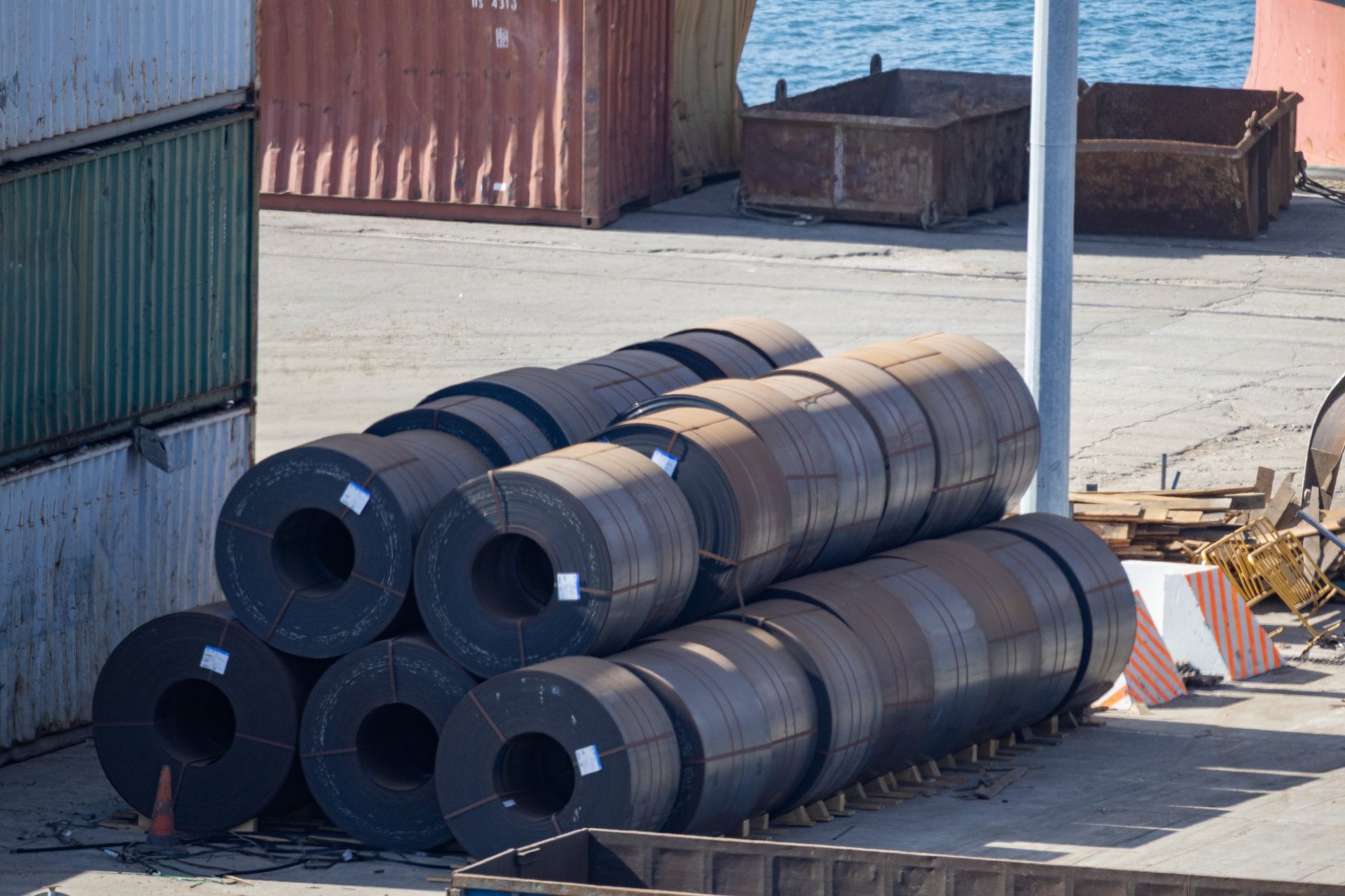
FAQ
Questions the grade name does not settle
Can S235JR be supplied as coil?
That is a question about the standard, not about the grade. The grade names a strength and impact class; which products those requirements apply to is set out in the part of the standard series that governs it. Establish that scope first, and treat the answer as specific to your order rather than general.
Does naming the grade settle the enquiry?
No. The enquiry still needs the standard part and edition, the product form and what the coil will become, the impact requirement with its delivery condition, dimensions with tolerances, coil geometry, quantity, destination and the tests or documents you need.
Is a structural grade interchangeable with a cold-forming or coated grade?
They are written for different purposes and evidenced against different criteria. Treating one as a stand-in for the other changes the requirement — and the grade name gives no indication that the change happened.
What if the project specifies an impact requirement?
Impact behaviour is tied to the delivery condition, so the two are read together. Confirm the condition the coil will be supplied in matches the one the project requirement was written against, and name the test basis that will demonstrate it.
Who is responsible for showing the finished part meets the requirement?
That has to be settled on the enquiry rather than after delivery. Where coil is processed before it becomes a structural part, the chain from the delivered material to the finished component runs through the operation — and somebody has to own demonstrating it.
Where It Is Used
Situations where a structural requirement meets a flat product
The scope question arises at the point where a structural specification and a flat-product purchase meet. These are the situations it typically comes up in.
A project requirement names a structural grade for a flat product
The specification was written with the finished component in mind, and the material being bought is the flat input to it — which is where the scope question begins.
Coil is profiled or roll-formed into structural sections
The coil is processed into a load-bearing shape, so the connection between the delivered material and the finished section has to be established for the requirement.
An impact requirement is carried across from the drawing
The drawing specifies impact behaviour in a delivery condition, and the coil is being sourced in a condition that may differ from the one the requirement assumed.
A supplier treats a structural grade as a stand-in for a forming grade
Both are steel, so the substitution looks reasonable on paper — but the two are written to different purposes and evidenced against different criteria.
Flat product is bought ahead of the project detail
Coil is purchased before the structural requirement is finalised, which is exactly when the standard reference and the product form need to be pinned down rather than assumed.
A submittal has to name the standard behind the material
Project approval asks which standard the steel conforms to, and the answer has to be the part of the series that actually governs the product supplied.
Where the decision leads next
Steel sheet
Cut-to-length flat product, where the coil has already been decoiled and cut rather than supplied to your line.
See steel sheetSteel plate
Heavy-gauge plate for fabricated structures, where the structural requirement is met directly in the finished form.
See steel plateSteel coil grades
The full set of designations, if the structural requirement is not the only one under consideration.
Compare coil gradesRequest a Quote
Send the grade and the part of the standard series you are reading it against, the edition, what the coil will become, whether an impact requirement applies and the delivery condition it was written for, the thickness and width with tolerances, the coil geometry, the quantity, the destination and the tests or documents you need. Or send it with the scope still open and say so. Price is on request.
Enquiries on this route are handled through the steel coil desk — the main steel coil enquiry desk. The form here reaches the same team.
Office 3303, Churchill Executive Tower, Business Bay, Dubai, United Arab Emirates
Monday – Saturday: 8.00 AM – 6.00 PM · Sunday: Closed