
Steel Coil · SPCC Cold Rolled
SPCC Cold Rolled Coil — The Designation Never Names the Temper
SPCC identifies the steel and the fact that it has been cold reduced. It does not tell a mill how hard to leave it, how smooth to make the surface, or how tightly to hold the thickness. Those three fields decide what you can actually do with the coil — and every one of them is left open unless the order closes it.
Price on request · Temper, surface finish and tolerance agreed before quoting
Is This Your Route?
You are buying cold-rolled coil and the drawing names a designation
This page is for the purchasing manager or QC engineer who is sourcing cold-rolled coil against a specification — often from an overseas drawing or an existing product — and who needs the delivered state pinned down before the material is ordered.
A cold-rolled designation does two jobs. It names the steel, and it records that the material has been reduced in the cold state rather than hot rolled. What it does not record is the condition the coil is delivered in — and for a cold-rolled product that condition is not a detail.
Cold reduction leaves the steel harder and less ductile than it started. What the mill does afterwards determines how much of that it keeps. An annealed supply and a full-hard supply can carry the same designation and behave like two different materials in the press. Alongside that sits the surface — the finish the rolls impart — and the dimensional tolerance, which on thin cold-rolled gauge is a narrow band that decides whether the coil suits your line.
The practical failure is not exotic. An enquiry reading "SPCC cold rolled, 0.5 mm, quote please" has named the steel and left the temper, the finish and the tolerance to whoever answers. The mill will supply something reasonable. Whether it is what your press, your paint line or your customer's drawing needs is a separate question that nobody has asked yet.
What this page will not do
- It publishes no hardness value, no elongation figure and no strength range. Those belong to the current edition of the governing standard, and this page does not restate them from memory.
- It does not treat the designation as a formability guarantee. Whether the coil draws, bends or paints as your part requires is established by the temper and the testing, not by the name.
- It does not present one standards system's cold-rolled designation as equivalent to another's. Where your project cites a standard, that standard is what the order is read against.
This is your route if…
- You are buying cold-rolled coil to a specification and need the delivered condition pinned down, not just the steel named.
- The coil will be formed, and the temper decides whether it forms the way your part requires.
- The material will be painted, coated, printed or left visible, so the surface finish is part of the product rather than a detail.
- Thin-gauge accuracy matters on your line and the tolerance class has to be agreed rather than assumed.
Look elsewhere if…
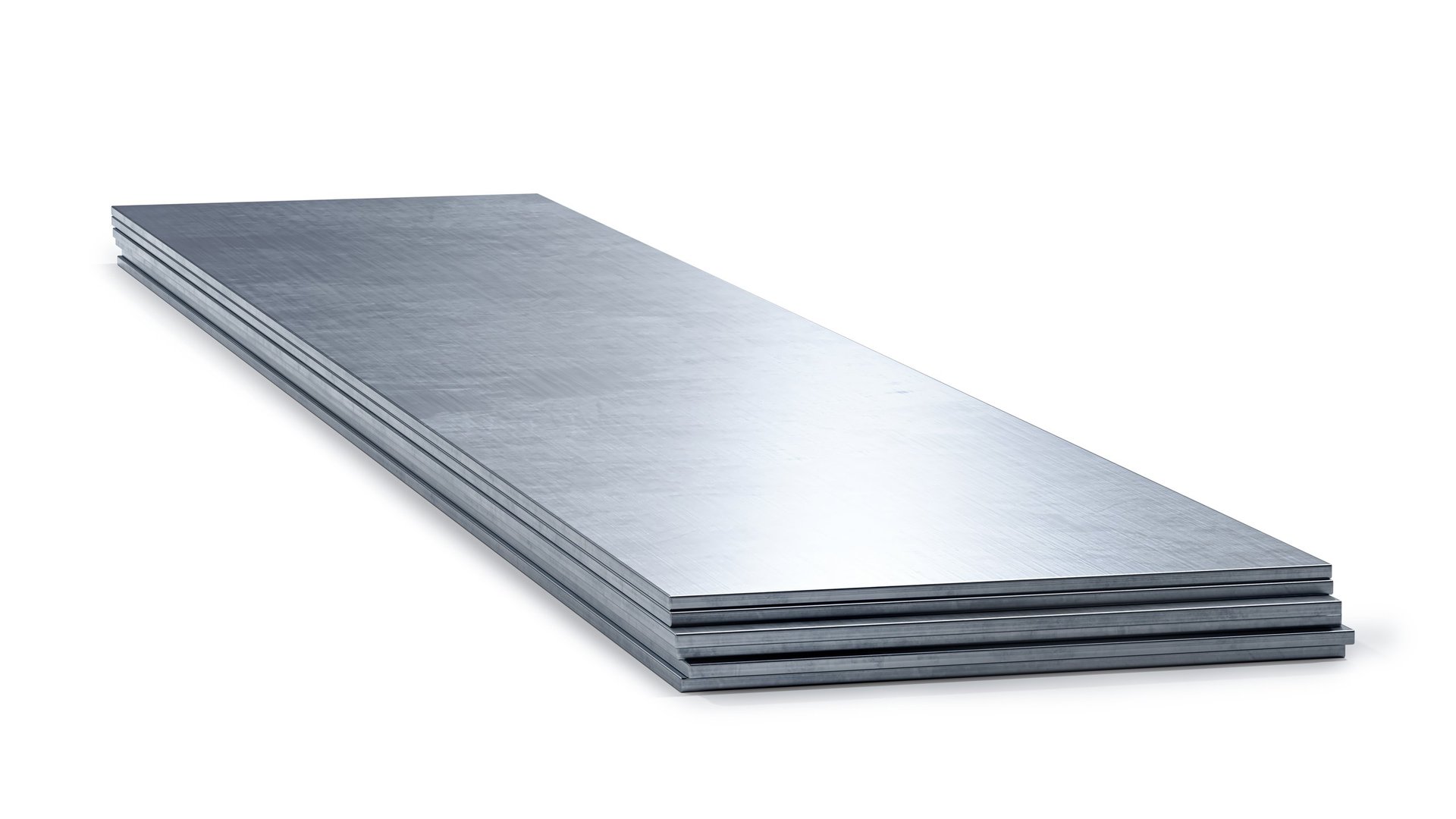
- You need flat product already cut to length rather than a coil to feed your own line. See the steel sheet range
- The requirement is a coated product rather than plain cold-rolled surface, so the coating is the decision. Compare the full coil grade set
- You are still deciding between hot-rolled and cold-rolled supply rather than specifying a cold-rolled order. See the steel coil range
Temper & Finish Gate
Three delivery fields the designation does not carry
Temper, surface finish and dimensional tolerance are separate decisions from the designation, and each changes what the coil is good for. The check below reports which are still open; it publishes no hardness or mechanical value.
Describe the coil you need to receive
Three delivery fields that sit outside the designation. Each one can make the difference between a coil that runs and a coil that does not.
This reviews whether the delivered condition has been described. It prints no hardness, elongation or strength value, and it makes no judgement about whether a temper suits a particular forming operation.
Delivery review
Describe how the temper is set, how the finish is set and how thickness is specified. The review reports which of the three are still open.
Nothing here is a specification against a standard, and nothing here states a temper value or a finish. It is a check that the coil you will receive has been described rather than assumed.
Why the delivery state is part of the product
Cold rolling is a process that changes the steel as it shapes it: the material is reduced below its recrystallisation temperature, which hardens it and reduces how far it will stretch. Everything that happens after that — softening it back, leaving it part-hard, altering the surface with the finishing rolls — is a decision about the delivered condition. Two orders carrying one designation and different delivery states are two different products with two different uses. That is why the delivery fields belong on the enquiry rather than in the mill's discretion.

Where It Stops
Four assumptions a cold-rolled designation invites
Each of these is a step taken because the designation looked sufficient. Each one moves a decision away from the party who understands the finished part.
The designation is read as a formability guarantee
Naming the steel does not promise that the coil will draw, bend or stretch as the part requires. How far the material forms is a property of the condition it is delivered in, and that condition is set by the temper on the order.
Boundary: formability is established by the temper and by what is tested, not by the designation.
The surface finish is treated as cosmetic
Finish is often left to the supplier because it is assumed to be about appearance. It is also about how the surface takes paint or coating and how it behaves when handled, which is why it belongs on the order wherever the coil is processed further.
Boundary: the finish is a delivered property with functional consequences, not a decoration.
A nominal thickness is taken as a tolerance
A nominal figure is a target, not an acceptance band. On thin cold-rolled gauge the difference between one tolerance class and another is enough to change whether the coil runs on a given line, so the class has to be named.
Boundary: thickness and its tolerance class are separate statements. Name both.
One standards system's cold-rolled designation is swapped for another's
Cold-rolled designations exist in several standards systems, and each writes its temper conditions, finish definitions and tolerance tables its own way. Substituting one for another without reading both changes the requirement in ways the name conceals.
Boundary: where a project cites a standard, that standard governs the order. Do not resolve it on the label.
The pattern is the same in each case: a designation is asked to carry a delivery decision it was never designed to carry. The designation tells the mill what family of steel to make. The temper, the finish and the tolerance tell it what state to deliver that steel in — and only your process knows the answers.
Writing the Order
What the enquiry has to carry for a cold-rolled coil
These are the fields that let a mill quote the material you actually need, in the state you actually need it. Anything left out is supplied as a reasonable default — which is a decision taken for your process by someone who has never seen it.
| Order field | Why it has to be on the enquiry |
|---|---|
| Designation, standard and edition | Name the steel and the standard the order is read against, so the requirement is checkable rather than a shorthand. |
| Temper of supply | The temper decides how much of the cold-reduction hardening remains, which is what determines how the coil performs on your line. |
| Surface finish | Where the coil is painted, coated or visible, the finish determines both how the surface behaves downstream and how the product looks. |
| Thickness, width and tolerance class | Nominal dimensions give inspection nothing to accept or reject against on thin gauge, where the acceptance band is the requirement. |
| Forming the coil must survive | Stating the bend, draw or profile is what lets the temper be chosen against the operation rather than against the product family. |
| Coil geometry and quantity | Inner diameter, outer diameter, mass range and quantity determine whether the coil suits your decoiler and how the campaign is planned. |
| Surface protection and packaging | Cold-rolled coil travels as a finished surface, so the protection and the packaging expectation belong on the order rather than with the freight forwarder. |
| Tests, documents and destination | The tests name what will be demonstrated and the destination determines the document set the receiving inspection expects. |
Standards commonly cited against cold-rolled coil
Inspection and documents
- Confirm the certificate cites the standard and edition the order invoked, and that the temper and finish stated on the order appear on the evidence.
- Name the test basis so the evidence you receive matches what your own inspection will run.
- Check the certificate covers the heat or lot actually shipped, not a representative heat from the campaign.
- Inspect the surface on receipt against the finish you ordered — it is a delivered property, not a formality.
- Keep a record of what was not tested. A certificate says nothing about examinations never performed.
What the certificate is measured against
A certificate states results against the basis it cites. If that basis is the designation alone, it will not speak to the temper, the finish or the tolerance class you needed — because those were never part of what was tested. The fields on the order are what make the evidence mean something.
GCC Supply
Moving cold-rolled coil into the Gulf
Cold-rolled coil travels as a finished surface, so the handling and storage on the way matter more than they do for material that will be processed again. The route is part of the specification.

United Arab Emirates
Local and re-export enquiries, where the delivered temper and finish are reconciled with the processing the coil will go through.
Steel coil supply for United Arab Emirates
Saudi Arabia
Programme volumes where the specified standard and the supporting documentation are reviewed together before material is released.
Steel coil supply for Saudi Arabia
Qatar
Project-driven demand where the submittal has to name the standard, so an unstated temper or finish surfaces there rather than quietly.
Steel coil supply for Qatar
Oman
Port-oriented supply where coil geometry and surface protection are settled to suit the route in and the works receiving them.
Steel coil supply for Oman
Bahrain
Industrial supply where the document set carries as much weight as the material, because inspection is run against it.
Steel coil supply for Bahrain
Kuwait
Manufacturing supply linking the coil to the line it feeds, so the temper and the tolerance are fixed before the run is set.
Steel coil supply for KuwaitThese pages set out the supply route and the enquiry handling for each destination. They do not claim local warehousing, stockholding, a branch presence or a delivery timescale — those are confirmed against your own order. On cold-rolled material the surface is part of what you bought, so name the finish and the packaging expectation at enquiry stage: a coil that arrives with a marked or damp surface has not met its specification even if every dimension is right.
Reference Notes
What the designation fixes, and what it hands to the order
Read as a statement about the steel, the designation is precise. Read as a statement about the delivery, it is silent — and that silence is where cold-rolled orders go wrong.
The designation describes the steel and the process, not the delivery
A cold-rolled designation names the steel family and records that the material was reduced in the cold state. It says nothing about how far it was softened afterwards, what the rolls left on the surface, or how tightly the thickness is held — all of which are set on the order.
Cold reduction changes the material, and the temper decides how much
Reducing steel below its recrystallisation temperature hardens it and reduces the elongation available. Everything the mill does after that either keeps or releases some of that effect, which is why the delivered temper matters as much as the composition to a forming line.
Finish and tolerance are delivered properties with consequences
Surface finish affects how paint and coating take to the sheet and how the coil handles through a line. Tolerance class decides what a thin-gauge coil can be used for. Neither is cosmetic and neither comes from the designation.
Standards systems write cold-rolled requirements their own way
Different standards bodies define their cold-rolled tempers, finishes and tolerance tables independently, and they do not publish mappings between them. Where your project cites a standard, that standard is the requirement — and the edition is part of it.
This page deliberately prints no hardness, elongation or strength figure, and it does not state which temper conditions a standard defines or which product forms it covers. Those are answered by reading the current edition of the standard that governs your order — and the temper and scope questions in particular should be settled there rather than from a supplier page.
Which field settles which question
Designation
The steel family and that it is cold reduced. The starting point, not the delivered product.
Temper
How much of the cold-reduction hardening remains — and therefore how the coil forms.
Surface finish
How the surface takes coating, paint or printing, and how the finished product looks.
Tolerance class
The acceptance band on thickness. What inspection measures against on thin gauge.
Tests and certificate
What is demonstrated at acceptance, against the basis the order named.
FAQ
Questions the designation leaves to the order
Does naming the designation fix the delivered condition of the coil?
No. The designation identifies the steel and the fact that it is cold reduced. The temper — how far the material has been softened or left work-hardened — the surface finish and the dimensional tolerance are separate fields, and each of them changes what you receive.
Why does the temper matter so much on cold-rolled coil?
Cold reduction hardens the steel, and what happens afterwards decides how much of that hardness remains. The same designation supplied in two different tempers can behave quite differently in the press, so the temper is effectively part of what the material is for your process.
What does the surface finish actually describe?
It describes the texture the finishing rolls leave on the sheet — how dull or reflective the surface is. It matters wherever the coil is painted, coated, printed or visible in the finished product, because the finish determines how the surface behaves and how it looks.
Is thickness tolerance a separate decision from the gauge?
Yes. Two coils of the same nominal thickness can be supplied in different tolerance classes, and a thin cold-rolled gauge held to a tight class is not the same material to a forming line as the same nominal gauge held loosely.
Should I specify a forming requirement as well as the temper?
If the coil is formed, say what it has to do — the bend, the draw, the severity of the profile. That is what lets the temper be chosen against your operation, and it is what the testing should be asked to demonstrate.
Where It Is Used
Applications where the delivery state decides the outcome
Cold-rolled coil is often chosen for how it looks and how it forms rather than for how strong it is. In each of these, the temper or the finish is what the finished product actually depends on.
Pre-painted and coated substrates
The cold-rolled coil is the substrate under a paint or coating line, so the surface finish and the temper both feed into how the finished coated product turns out.
Appliance and enclosure panels
Visible surfaces where the finish is the product, and the forming of the panel decides what the temper has to allow.
Light-gauge forming and bending
Coil fed to a press brake or forming line, where the temper determines whether the material bends cleanly or works against the tooling.
Precision tube and profile making
Cold-rolled strip rolled or formed into sections, where consistent gauge within a tight tolerance class is what keeps the line running steadily.
Printing and laminate lines
Surfaces that will take print or a laminate, where the finish determines adhesion and the visual result of the finished sheet.
Cut and blanked components
Parts blanked from cold-rolled coil, where flatness and a consistent tolerance band matter as much as the steel itself.
Where the decision leads next
Steel sheet
Cut-to-length flat product, where the coil has already been decoiled and cut rather than supplied to your line.
See steel sheetSteel coil grades
The full set of designations, if the surface or coating decision is the one still open.
Compare coil gradesSteel coil range
The wider coil range, if hot-rolled, coated or pickled supply is also under consideration.
See the coil rangeRequest a Quote
Send the designation with the standard and edition your order invokes, the temper you require, the surface finish, the thickness and width with the tolerance class, the forming the coil has to survive, the coil geometry, the quantity, the destination and the tests or documents you need. Or send it with a field still open and say so. Price is on request.
Enquiries on this route are handled through the steel coil desk — the main steel coil enquiry desk. The form here reaches the same team.
Office 3303, Churchill Executive Tower, Business Bay, Dubai, United Arab Emirates
Monday – Saturday: 8.00 AM – 6.00 PM · Sunday: Closed