Steel Plate — Weathering

Materials

Standards: choose by the requirement, not the label alone. Selecting Standards depends on type, material, grade or standard, dimensions, application, documents, quantity, and destination. Send the governing grade or standard, dimensions, quantity, destination and required inspection documents so the enquiry can be checked against the intended service before quotation.

Price on request — stock, origin, lead time and certification are confirmed on quotation.

Fit, alternatives and selection logic

Does this family fit — and what sits beside it

Start with the service requirement for Weathering Steel Plate, then narrow the choice by material family, governing specification, grade or class, delivery condition and dimensional range. A candidate is suitable only when those order details align with the project requirement; related grades are comparison paths, not automatic substitutes.

Weathering Steel Plate procurement scene showing survey and specification review
Marked documentation beside the dimensional check — the two have to agree before a type route can be treated as settled.
Alternative corrosion strategy

alloy steel plate supplier

Fits when

Where corrosion is resisted by the material's alloy content rather than by a protective oxide layer — the appropriate route when the environment is aggressive enough that a weathering surface is not the answer.

Does not settle

An alloy plate is not a more durable weathering plate. It changes the material family, and with it the welding route, the documentation and often the cost basis.

Reach for it when

Reach for it when the exposure, the service fluid or the project specification rules out an uncoated weathering surface.

Severe corrosion service

nickel alloy plate supplier

Fits when

High-temperature or strongly corrosive service where the corrosion mechanism, not atmospheric exposure, decides the material.

Does not settle

A specialist family rather than an upgrade — choosing it changes what the shop can do with the plate as much as what the plate can resist.

Reach for it when

Reach for it when the service conditions exceed what any carbon or low-alloy family can carry.

Neither route beside this one is a stronger version of it. Each answers a different question, and the service requirement decides which of the three is actually in play.

Guided page finder

Standards Specification Gate

Use the Standards selection check to compare the details that actually change a purchase: governing specification, grade or condition, thickness and dimensions, service duty, fabrication route, inspection documents, quantity and destination. Missing inputs are flagged before an RFQ is prepared so an apparently similar option is not treated as equivalent.

Selection inputs

Service and specification
Dimensions
Quantity, destination and documents

Values are recorded exactly as entered. No standard, grade, thickness, condition, unit, destination or document requirement is assumed on your behalf. This gate checks whether your inputs are complete and consistent — it does not approve a material for a duty.

Open inputs before review

13 inputs are still open. Each is listed below with why it matters.

Related pages that match

  • steel plate standards

    This family is defined by a standard that carries an atmospheric-corrosion requirement — confirm the surface is actually intended to weather before ordering against it.

Specification inputs (9)

  • The service the plate has to perform — this is what decides the material family before any grade is considered.
  • The standard and edition the order is certified against.
  • The full grade or class designation, written out rather than abbreviated.
  • Thickness, with its unit.
  • Width, with its unit.
  • Length, with its unit, and whether it is stock or cut to size.
  • Delivery or heat-treatment condition — as-rolled, normalised or quenched and tempered.
  • Whether the project imposes an impact or toughness requirement.
  • Surface condition — plain, patterned, coated or intended to weather.

Quantity, destination and documents (4)

  • Quantity and the unit basis it is counted in.
  • Unit basis for the quantity — without it the figure cannot be quoted or packed.
  • Destination or port, so the delivery route is unambiguous.
  • The documents the buyer will accept as evidence of compliance.

Copyable RFQ handoff

STEEL PLATE — GRADES ENQUIRY

SERVICE
Intended service:     (not stated)

SPECIFICATION
Standard + edition:   (not stated)
Grade / class:        (not stated)
Thickness:            (not stated)
Width:                (not stated)
Length:               (not stated)
Delivery condition:   (not stated)
Toughness / testing:  (not stated)
Surface:              (not stated)

QUANTITY AND DELIVERY
Quantity:             (not stated)
Unit basis:           (not stated)
Destination:          (not stated)

DOCUMENTS
Required documents:   (not stated)

OPEN INPUTS BEFORE REVIEW
- The service the plate has to perform — this is what decides the material family before any grade is considered.
- The standard and edition the order is certified against.
- The full grade or class designation, written out rather than abbreviated.
- Thickness, with its unit.
- Width, with its unit.
- Length, with its unit, and whether it is stock or cut to size.
- Delivery or heat-treatment condition — as-rolled, normalised or quenched and tempered.
- Whether the project imposes an impact or toughness requirement.
- Surface condition — plain, patterned, coated or intended to weather.
- Quantity and the unit basis it is counted in.
- Unit basis for the quantity — without it the figure cannot be quoted or packed.
- Destination or port, so the delivery route is unambiguous.
- The documents the buyer will accept as evidence of compliance.

Price on request. Availability, origin, lead time and certification are confirmed on quotation.
Transfer this into the RFQ

Nothing you entered is discarded — the enquiry carries into the form as written.

How to choose between routes

What the order has to state

Specify Standards with enough detail to make acceptance unambiguous: standard and edition where required, grade or class, plate thickness, width and length, delivery or heat-treatment condition, testing or toughness requirements, surface and edge condition, and document expectations. Do not rely on a trade name where the project calls for a defined material specification.

Specification input, what it governs, its applicability limit, how it is verified, and the RFQ field it becomes.
InputWhat it governsApplicability limitVerification requirementRFQ field
Standard + editionWhich document the order is certified against, and therefore the grades, tolerances and test regime available.A standard number without its edition does not pin the requirements.Read the edition from the project specification or the contract, then state it on the enquiry.Standard + edition
Grade / classThe mechanical properties and chemistry the plate is required to meet.Grade labels are not interchangeable between standards, and not between product forms.Take the full designation from the governing standard — never an abbreviation.Grade / class
Delivery / heat-treatment conditionHow the property was achieved — as-rolled, normalised, quenched and tempered — and what the fabrication route may then do to it.Does not state the strength value itself; the standard defines what the condition delivers.Confirm the required condition with the design engineer before ordering.Delivery condition
Thickness, width, lengthThe dimensional basis of acceptance, including the tolerance the governing standard applies.Nominal figures do not state a tolerance basis on their own.State each dimension with its unit and confirm the tolerance regime the standard sets.Dimensions (with units)
Toughness / impact testingWhether the plate has to demonstrate impact energy at a stated test temperature, which is often a project rather than a product requirement.Not implied by the grade alone — the test temperature and energy level have to be stated.Confirm the test temperature, direction and acceptance level from the project specification.Testing requirements
Surface / edge / processingCutting, edge preparation, surface condition and any pre-delivery processing the fabricator expects to receive.Processing scope affects the offer and the fabrication sequence, not the base material grade.State what the shop expects to receive and what it intends to do afterwards.Processing scope
DocumentsWhat the buyer will accept as evidence that the delivered plate meets the order.Certificates and class approvals are confirmed for the actual supply, not assumed.Name each document required, and the party expected to issue it.Required documents
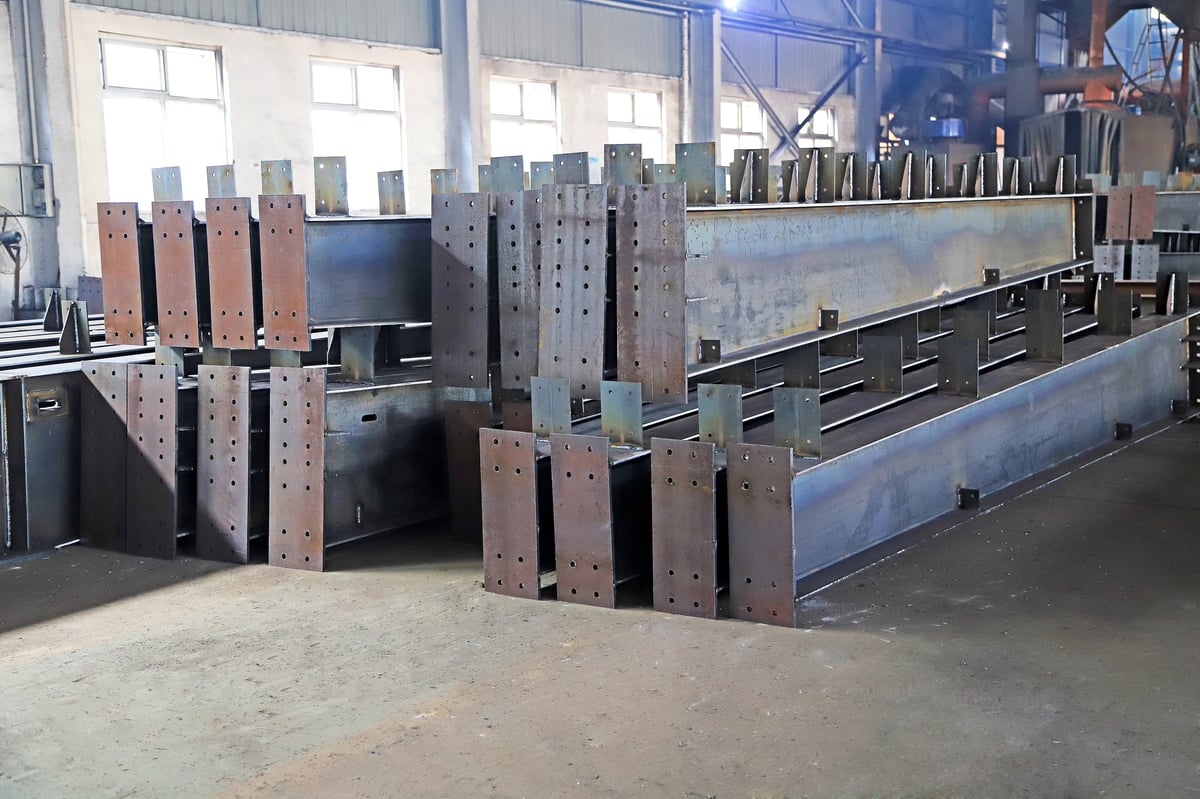
Weathering Steel Plate procurement scene showing stacked structural components
Edge, surface and identification marks prepared for inspection — the condition a delivery condition requirement is checked against.

Where the grade and the standard meet

A grade designation only means something inside the standard that defines it. The same familiar-looking number under two different standards is not the same material, and a higher or harder grade is not a drop-in replacement — the delivery condition and the fabrication route change with it. That is why the standard and the grade have to be stated together, not chosen one after the other.

Where this family sits against the related standards

A weathering plate is specified by a standard that names its own grades, and the atmospheric-corrosion requirement inside that standard is what separates it from an ordinary structural plate. The documents below cover the scopes most often confused with it — general structural plate on either the ASTM or the European route, pressure and boiler plate, and marine hull plate. Each has its own grades and its own acceptance basis, so a grade carried across from one to another does not mean the same thing.

Evidence warning

Mechanical properties, chemistry, tolerances, impact energy levels, hardness and dimensional limits are not printed on this page. Each is published by the standard and edition governing your supply, and each has to be read from that document for the specific grade and condition. Where a figure is needed to proceed, the row above states the input to supply instead.

Evidence and verification path

What each document verifies — and who issues it

Verification should follow the purchase specification. Ask for the documents and test records required by the project, and match material identification to the ordered grade, dimensions and condition. Certificates, class approvals, origin statements or special tests must be confirmed for the actual supply; they are not assumed from this page.

Document, what it verifies, its issuer, and when it is required.
DocumentWhat it verifiesSource / issuerWhen required
Mill test certificateThat the plate was produced to the stated standard and grade — chemistry, mechanical results and, where the standard requires it, impact results.The producing mill; supplied onward by the exporter.With the shipping documents, before the material is accepted.
Dimensional inspection recordThickness, width and length against the order, with the tolerance basis the governing standard sets.Mill or an appointed inspection party.Before despatch, so a discrepancy is caught while it can still be corrected.
Heat-treatment recordThe delivery condition the plate was supplied in, where the order specifies one rather than leaving it to the mill.The producing mill.With the shipping documents.
Impact / toughness test resultsThat the plate meets the impact requirement at the stated test temperature, where the project imposes one.Mill laboratory or a third-party testing body.Before despatch — a failed result has no remedy after the material has travelled.
Material identificationThat the plate supplied can be traced to the heat and the certificate that accompanies it.Mill marking, reconciled by the exporter.On receipt, against the certificate and the packing list.
Certificate of originWhere the goods were produced, where an origin document applies to the consignment.The competent authority or accredited chamber.Before the import declaration is lodged.
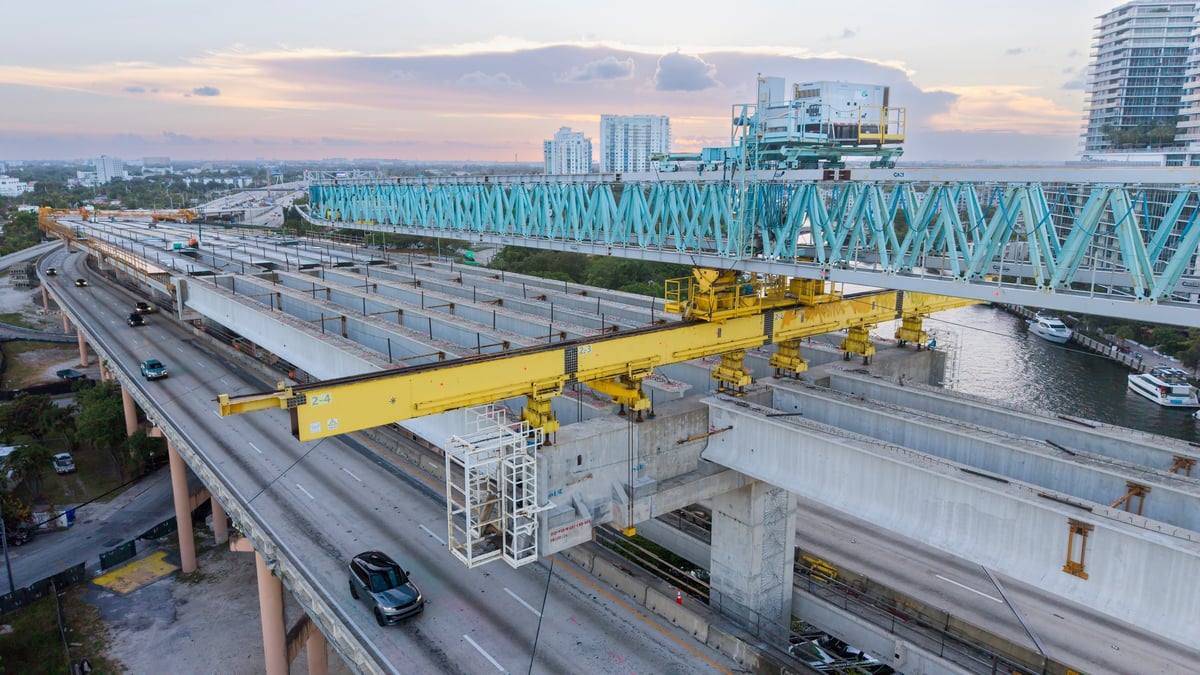
Weathering Steel Plate procurement scene showing an exposed structure in service
Cut layout, welding notes and shipment tagging — where the ordered condition meets the fabrication route.

What a mill certificate is, and is not

A mill test certificate evidences that the plate was produced to the stated standard and grade — the chemistry, the mechanical results and, where the standard requires it, the impact results. It does not evidence an import approval, a class approval or a right to clear goods. Those follow from the project specification, the classification and the competent authority, not from the certificate.

No certificate is produced on this page

This page issues no certificate, cites no certificate number and names no mill, approval body or classification society. Where a project requires one, the matrix above states which party issues it and when it has to be in place — the document itself is produced against a live order, not authored here.

Application and industry paths

Where the duty changes the material decision

Application fit for Standards depends on what the plate will do in service and how it will be fabricated. Use the related bridge, pressure-equipment, heavy-equipment, marine, mining and process-industry paths only where the duty matches; the same nominal plate description can require different toughness, weldability, corrosion, wear or documentation controls.

storage tank steel plate supplier

Tank and containment work where the service fluid, the temperature and the applicable tank code decide the material.

What it changes: The tank code names the acceptable grades and the test regime — and an uncoated weathering surface is rarely the answer inside a containment environment.

structural steel plate supplier

General fabrication where the issue is what the shop can do with the plate once it arrives, under an ordinary atmospheric exposure.

What it changes: Where the design intends an exposed, uncoated surface, the detailing and the welding consumables have to support the oxide layer rather than fight it.

boiler steel plate supplier

Boiler and pressure-part work where the design code, not the atmospheric exposure, governs the material choice.

What it changes: A pressure specification applies, and atmospheric-corrosion resistance is not the basis on which the grade is selected.

These paths appear because the duty changes an ordered property — toughness, weldability, corrosion strategy or wear performance. Applications that would only change the branding of the same plate are deliberately absent.

GCC procurement paths

Keep the specification fixed — change the import path

For GCC procurement, keep the technical specification unchanged while checking the destination-specific import path, consignee requirements and shipment documents. Use the country cards to continue with the exact Steel Plate market route; customs, conformity and duty treatment must be confirmed for the actual shipment.

What these routes are, and are not

Each market route sets out the inputs a destination-specific enquiry has to carry — consignee, documents, the Incoterms place and the delivery point. They are planning routes, not statements of presence. No office, stockholding, warehouse or established market position is claimed in any of these countries.

Commercial, logistics and availability inputs

Which buyer inputs change the offer

Commercial comparison is meaningful only after the technical basis is aligned. Quote requests should identify quantity, plate dimensions, destination, required delivery term, inspection and document package, and any processing scope. Price, stock and lead time must be confirmed for the live enquiry rather than inferred from a catalogue page.

Quantity and unit basis

How the consignment is priced, packed and reconciled — and whether the figures on the offer match what the site counts.

Needed: The basis your procurement system and your receiving site both work in.

Plate dimensions

Thickness, width and length decide what can be supplied from stock sizes and what has to be cut.

Needed: Each dimension with its unit, and whether cut lengths are required.

Destination and delivery term

The transport leg, the import documentation and where cost and risk pass between the parties.

Needed: The named delivery point, and the Incoterms 2020 rule with its named place.

Inspection and document package

What has to be produced before despatch, and which party is waiting on which document.

Needed: Each document named with its issuer, plus any third-party inspection scope.

Processing scope

Cutting, edge preparation and any pre-delivery processing, which affect both the offer and the fabrication sequence.

Needed: What the shop expects to receive and what it intends to do afterwards.

Required delivery date

What availability is checked against, and whether the timescale is realistic for the route.

Needed: The date the material has to be on site, not the date the order is expected to be placed.

What stays quotation-dependent

No price, stock position, mill or origin, lead time, freight rate, duty figure or delivery date appears on this page. Those are confirmed on quotation against the specification and terms you supply, and they are not derivable from the product name or the destination alone.

Supporting technical and commercial routes

Verify the decision before you request a quote

Use the related Steel Plate routes to verify a closer grade, standard, material, application or technical guide before requesting a quote. Follow a related link only when it answers a real specification decision; a neighbouring page is not evidence that two materials are interchangeable.

Expert insight

A source-backed purchasing sequence

The governing document is the one the design code invokes, and its edition is what makes an order checkable. The note below sets out the sequence, and what still has to be confirmed for the specific order.

Decision question

What must a buyer verify before specifying Weathering Steel Plate?

Method
Compare the intended service and purchase inputs for Weathering Steel Plate with the scope of the cited authority, then identify order-specific items that still require project or supplier confirmation.
Information date

Primary source

ASTM International — A588/A588M

https://store.astm.org/standards/a588_a588m

Scope

ASTM weathering-steel scope is a specification reference, not a guarantee that every environment is suitable for uncoated weathering steel.

Limitations

  • The source does not prove Noor Deira Steel inventory, certification, price, lead time, local presence or project approval.
  • The active edition and project-specific requirements must be confirmed before purchase.

Buyer implication

Write the Weathering Steel Plate RFQ around the governing specification, condition, dimensions, service, testing and document requirements before comparing commercial offers.

The purchasing sequence

The safest purchasing sequence for Weathering Steel Plate is to identify the governing service requirement first, then lock the material specification and edition, grade or class, delivery condition, dimensions, testing and documents. This avoids comparing offers that share a familiar name but differ in acceptance basis or fabrication risk.

Evidence-led buyer advantages

Where a qualified enquiry reduces rework

A well-qualified Weathering Steel Plate enquiry reduces rework at three points: material selection, document review and fabrication handoff. The practical gain is not a generic promise of superiority; it is a clearer comparison between compliant offers, earlier visibility of missing requirements and a more complete RFQ for technical review.

01

Material selection is settled late

The service requirement, governing specification and delivery condition are captured together, before a grade is proposed.

Offers arrive on the same specification basis and can be compared directly.

02

Document requirements surface at acceptance

Required documents are named on the enquiry, with the party expected to issue each one.

Preparation is planned before despatch rather than discovered when the material is already on site.

03

Fabrication finds a constraint after delivery

The delivery condition and surface requirement are stated with the fabrication scope the shop intends to use.

The welding and forming route is checked against the ordered condition before the plate is cut.

04

Toughness is assumed from the grade

Impact and toughness requirements are stated explicitly, with the test temperature where the project imposes one.

The material can actually be checked against the duty instead of being taken on trust.

From enquiry to delivery

Six steps, and who owns each

Enquiry flow: define service and specification, confirm grade and condition and dimensions, identify testing and documents, add quantity and destination, then review processing and commercial terms before order confirmation. At each step, unresolved requirements stay open rather than being replaced by assumptions.

Step 01

Define the service

Owner: Buyer / design engineer

Required input

What the plate has to do in service, and the governing project specification.

Evidence / output

A material family decision rather than a grade guess.

Risk if missing

The wrong plate family is compared from the outset, and every later comparison inherits the error.

Next action

Write the duty down before approaching any supplier.

Step 02

Fix grade, condition and dimensions

Owner: Buyer / design engineer

Required input

Standard and edition, full grade designation, delivery condition, thickness, width and length with units.

Evidence / output

A specification that can be quoted, certified and inspected against.

Risk if missing

A familiar trade name is accepted in place of a defined material specification.

Next action

Confirm the edition the contract invokes, not just the standard number.

Step 03

Identify testing and documents

Owner: Buyer with QA / third-party inspector

Required input

Any impact or toughness requirement with its test temperature, plus the documents the buyer will accept.

Evidence / output

A verification path that matches the order rather than the mill's default.

Risk if missing

A test that was never specified cannot be produced after the plate is rolled.

Next action

Name each document and its issuer on the enquiry.

Step 04

Add quantity and destination

Owner: Buyer / procurement

Required input

Quantity with its unit basis, and the named port or inland delivery point.

Evidence / output

A consignment that can be quoted, packed and routed.

Risk if missing

An offer is built against an assumed destination and is not comparable with the others.

Next action

State the destination before requesting any quotation.

Step 05

Review processing and commercial terms

Owner: Buyer with fabricator / supplier

Required input

Cut lengths, edge preparation, NDT scope, Incoterms rule and its named place.

Evidence / output

A scope both the mill and the shop can work to.

Risk if missing

Processing is priced twice, or the ordered condition is invalidated by the fabrication route.

Next action

Hand the fabrication scope to the supplier before the offer is finalised.

Step 06

Confirm the order

Owner: Buyer / commercial department

Required input

The complete enquiry, with every unresolved item marked as unresolved.

Evidence / output

An order that can be produced and accepted without a specification dispute.

Risk if missing

A gap is closed by assumption on one side and by a different assumption on the other.

Next action

Re-read the enquiry and confirm nothing has been silently filled in.

Buyer FAQ

Standards, answered directly

Common questions for Weathering Steel Plate. Each answer depends on the project specification and the actual order conditions, so where a decision is still open it is stated as open rather than assumed.

Which standard or grade should be stated on the RFQ?

Whatever the project specification invokes — and with its edition, not just its number. A standard number alone leaves the edition open, and different editions of the same standard can carry different grades, tolerances and test regimes. If the project has not yet fixed a standard, say so rather than substituting a familiar one: a plate quoted against the wrong document is not a comparable offer, and the difference usually only surfaces at acceptance.

When does heat treatment or toughness testing matter?

Heat treatment matters when the required properties are delivered by the condition rather than by the chemistry alone — quenched and tempered, or normalised. It also matters downstream, because the condition constrains what the fabrication shop may then do to the plate, particularly welding heat input. Toughness testing matters when the service or the design code imposes an impact requirement; that is normally a project requirement rather than something a grade implies, and it needs a stated test temperature to be checkable.

Which dimensions and tolerances govern acceptance?

Thickness, width and length, each with its unit — and the tolerance regime set by the governing standard, not a nominal figure agreed verbally. Thickness tolerance in particular is easy to leave ambiguous, and it is the dimension most likely to be disputed on receipt. If a project applies a tighter tolerance than the standard allows, that has to be stated as an order requirement rather than assumed.

What inspection documents are required?

At minimum, evidence that the delivered plate meets the ordered standard, grade and condition — normally a mill test certificate with the relevant test results. Beyond that, the requirement follows from the project and the destination: impact results where toughness is specified, a heat-treatment record where a condition is ordered, and origin documents where the import declaration requires them. Name each document you will accept, and the party you expect to issue it.

Can a related grade be substituted?

Only when the project's governing document permits it, and rarely automatically. Standards are defined by the standard that names them, so the same designation under two standards is not the same material, and a higher strength grade is not a drop-in replacement for a familiar structural one — the weldability and the fabrication route change with it. Treat related grades as comparison paths to evaluate, not as substitutes to assume.

What destination details are needed for a firm commercial offer?

The named port or inland delivery point, the consignee or importer, and the Incoterms rule you intend to trade on. Those decide the transport leg, the import documentation and where cost and risk pass, so an offer cannot be built without them. Where the offer is held, it is almost always one of these three rather than the plate specification.

Qualified RFQ

Request a qualified quote

Provide the standard, grade or the service requirement, thickness, width, length, quantity, destination, required documents and any cutting, testing or inspection scope. If a requirement is still undecided, state it explicitly so the technical review can identify what must be resolved before a commercial offer is finalised.

  • Reviewed against the standard and edition you state, not against a trade name
  • Missing inputs and document gaps reported back rather than silently assumed
  • Availability, origin, certification and lead time confirmed on quotation
WhatsApp +971 56 398 0860sales@noordeirasteel.ae

Office 1015, Churchill Executive Tower, Business Bay, Dubai, United Arab Emirates.

Monday – Saturday: 8.00 AM – 6.00 PM · Sunday: Closed

Request a quote — steel plate, materials

Price on request. No stock, origin, lead time, certification or delivery date is asserted on this page — each is confirmed on quotation.