
Rebar for Precast Concrete
Rebar for
Precast Concrete
Precast reinforcement is bought to a cage, not to a tonnage: the plant needs the bar geometry and bend schedule fixed for the mould, the bar's weldability and surface condition confirmed against the fabrication method, the marking scheme agreed for the element, and batch traceability that can be carried through casting and certification without breaking.
What the plant actually needs from the bar
- Cage geometry with shapes and tolerances fixed for the mould — diameters alone do not define a cage.
- Bar condition and joining method confirmed: tied and welded cages are not interchangeable, and weldability is not automatic.
- Batch marking agreed so lot evidence maps to the elements cast from it, through to certification.
Information current as of
Return to the steel rebar product familyWhy a Precast Plant Buys Differently
The cage, the mould and the certification chain that drive precast reinforcement
A casting yard is a production line, and the reinforcement that feeds it has to be a defined, repeatable component rather than a site material. This section maps what changes when the buyer is a plant rather than a project — the design itself, the cover and the element requirements stay with the design authority and the project specification.
The cage is the deliverable
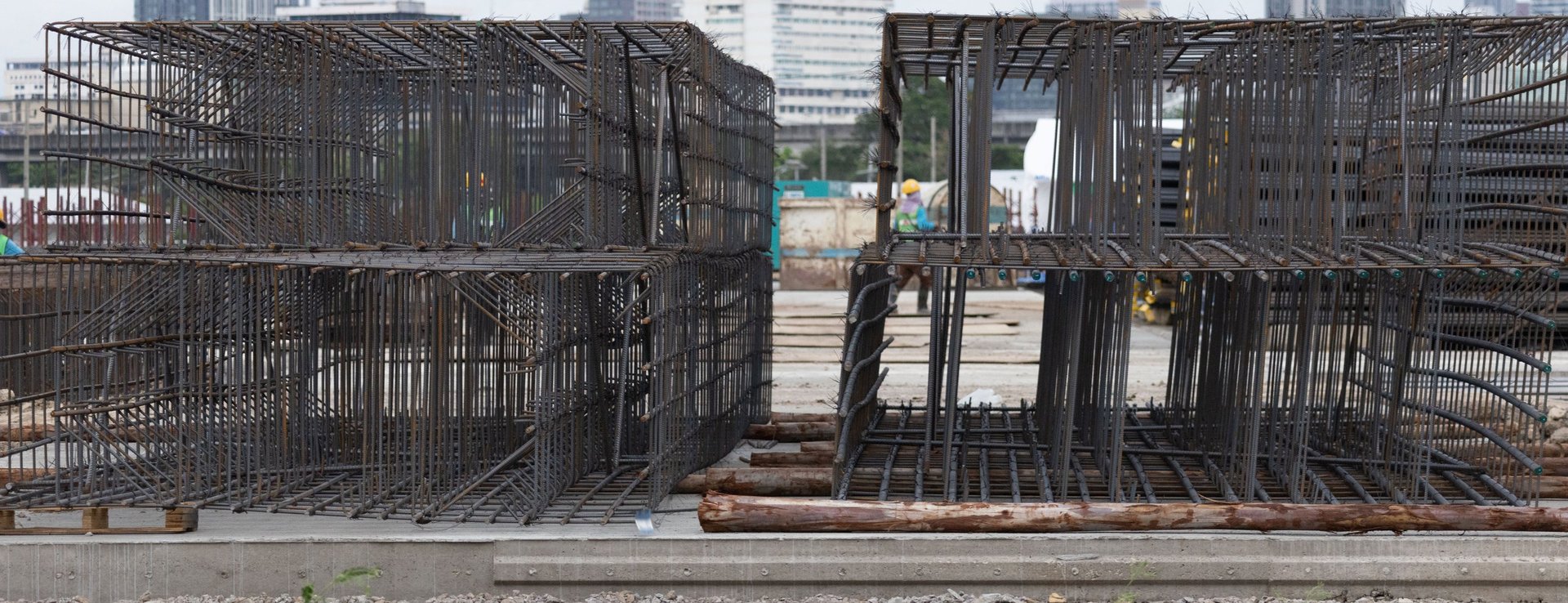
A plant orders cages, mats and lattices that fit a specific mould with a specific cover. Geometry, shapes and tolerances are settled before production, because a cage that does not fit stops the casting line.
Bar condition and surface
Plain mill finish, a cleaned condition, a coated surface or a corrosion-resistant bar each change fabrication and handling. The requirement comes from the specification and the element's exposure.
Joining method
Tied cages, welded cages and cages with mechanical joints carry different bar requirements, different procedures and different acceptance evidence. The method is a design decision.
Repetitive batch production
Precast works in runs. The same cage may be produced many times, so the specification and the evidence have to be repeatable rather than resolved afresh for each unit.
Marking and traceability
Marking is agreed before production so each cage or bundle can be traced to the element it was cast into. Bundle marking alone rarely supports element-level certification.
Certification chain
Precast ties material evidence to casting batches and element certification. Where that chain breaks, the element cannot be certified cleanly and the plant carries the consequence.
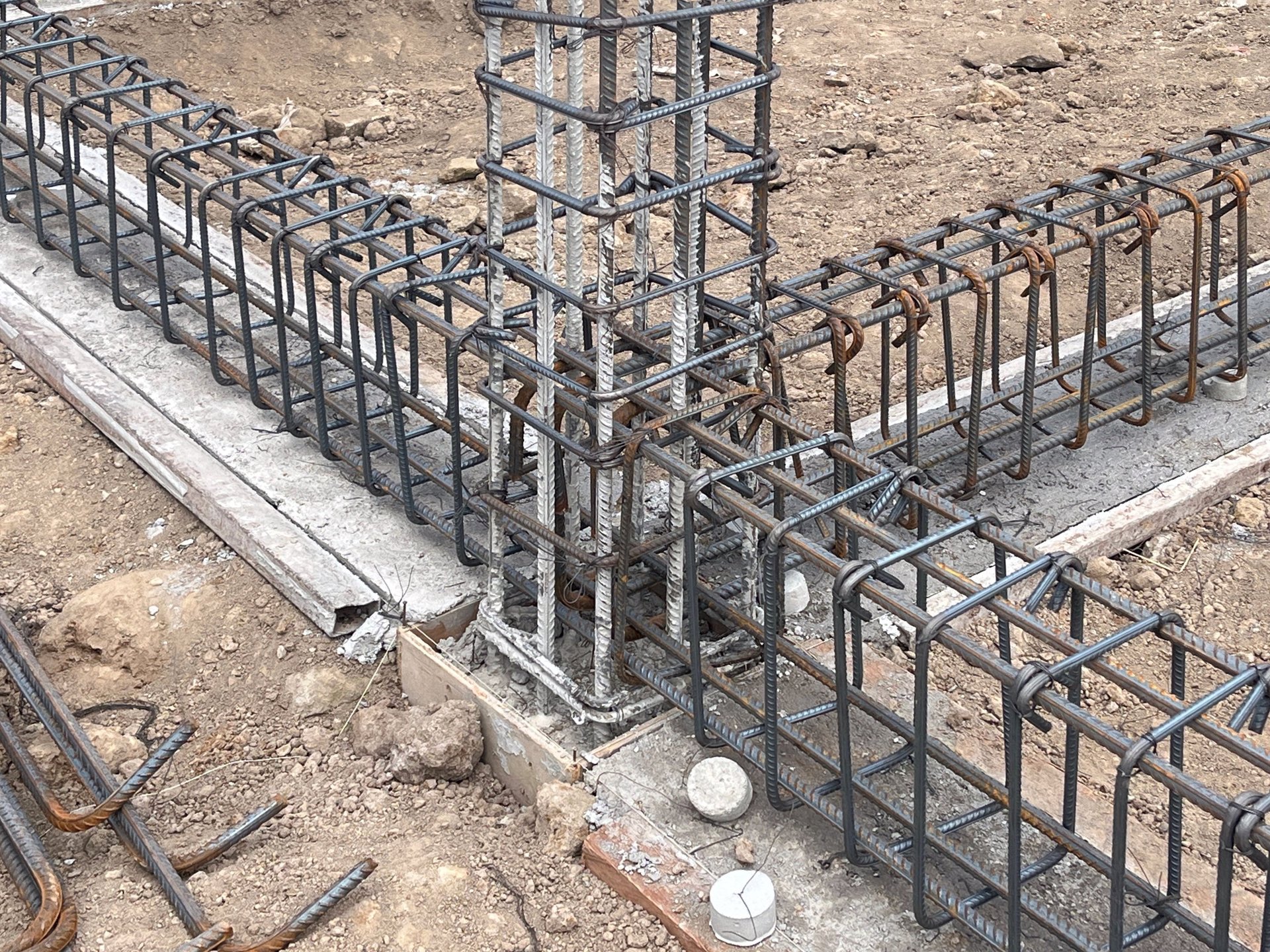
No unconditional weldability claim
Not every reinforcement bar is weldable. Weldability depends on the grade and its chemistry and on the welding practice the standard the design names permits, so a "weldable rebar" label is not a substitute for confirming the grade and the procedure with the design authority. Where welded cages are specified, that confirmation is part of the specification, not an assumption the plant makes at the bench.
Precast Cage Production-to-Certification Handoff
Set up one cage family against its geometry, joining, marking and batch traceability
Plan the cage you are putting into production now — one cage type, one basis. The planner returns the production-to-certification handoff for that cage, the open items blocking release, any weldability confirmation still required, the records to request and a copyable summary. It does not design the cage, set cover, or certify a grade as weldable.
Cage handoff inputs
Required fields marked *One planner run per cage family; repeat for each.
Records to request with the consignment
The planner does not design the cage, set cover, estimate weights, or certify any grade as weldable. Everything you enter is carried into the summary exactly as written for the commercial department to check against the design and the project specification.
Cage handoff result
Start with the cage type, the geometry status and the joining method
These three decide how the cage is fabricated, what bar condition is required and what evidence the plant has to hold. Until they are stated, no cage can be released to production and no batch can be certified against it.
Open items blocking release
- Cage type not selected — flat mats, box cages, cylindrical cages and lattices are fabricated and inspected differently.
- Cage geometry status not stated — a cage cannot go to production against sizes and cover alone.
- Joining method not fixed — tied and welded cages carry different bar requirements and different acceptance evidence.
- Bar surface requirement not confirmed, which affects fabrication condition and handling.
- Governing standard / edition and grade not stated.
- Marking scheme not agreed — the plant needs element- or batch-keyed marking to trace cages through casting.
- Batch traceability basis not stated — how the lot maps to cast elements must be fixed before production.
- Inspection regime and hold points not stated.
Nothing is transmitted yet. Carry the completed summary to the commercial department at the rebar RFQ page for a confirmed quotation.
Choosing the Bar and Cage Basis
Cage form, joining and surface — when each is right for the plant, and when it is not
A precast plant's choices are constrained by the mould, the production method and the certification chain. Each route below states when it should be selected, the boundary that keeps it from being treated as a swap, and when it should be excluded.
Tied cages to a bending schedule
Select it when
The default for most precast elements: bar is cut, bent and tied to the schedule, and the cage is dimensionally checked against the drawing before the pour.
Technical boundary
A tied cage is defined by its schedule and tolerances, not by its diameters. Tie wire, spacing and dimensional checks are part of the deliverable.
Exclude it when
Exclude where the design specifies welded connections or mechanical joints within the cage.
Review the deformed bar typeWelded cages to a confirmed grade
Select it when
Selected only where the design specifies welded fabrication and the weldable grade and welding procedure have been confirmed with the design authority for that bar.
Technical boundary
Weldability is a function of grade and chemistry, not of being reinforcement. No bar is weldable by default, and the procedure has to be approved.
Exclude it when
Exclude any welded cage where the grade and procedure have not been confirmed — the joint is then outside the design basis and outside acceptance.
Compare the RC applicationCoated or corrosion-resistant bar
Select it when
Selected where the element's exposure requires a coated surface or a corrosion-resistant grade, and the specification names it for that element.
Technical boundary
Cutting, bending and handling can damage a coating, so repair and handling requirements come with the system. Neither route guarantees a service life on its own.
Exclude it when
Exclude where the element is not exposed and the specification makes no coating or grade requirement.
Compare the precast applicationFoundation and ground-beam elements
Select it when
Selected for precast foundation units, ground beams and buried elements, which carry their own exposure and detailing requirements alongside the cage specification.
Technical boundary
Buried elements can have different cover and exposure requirements from exposed precast units, so their bar and cage basis is not automatically the same.
Exclude it when
Exclude where the elements are exposed architectural units with their own surface and tolerance requirements.
Review foundation reinforcement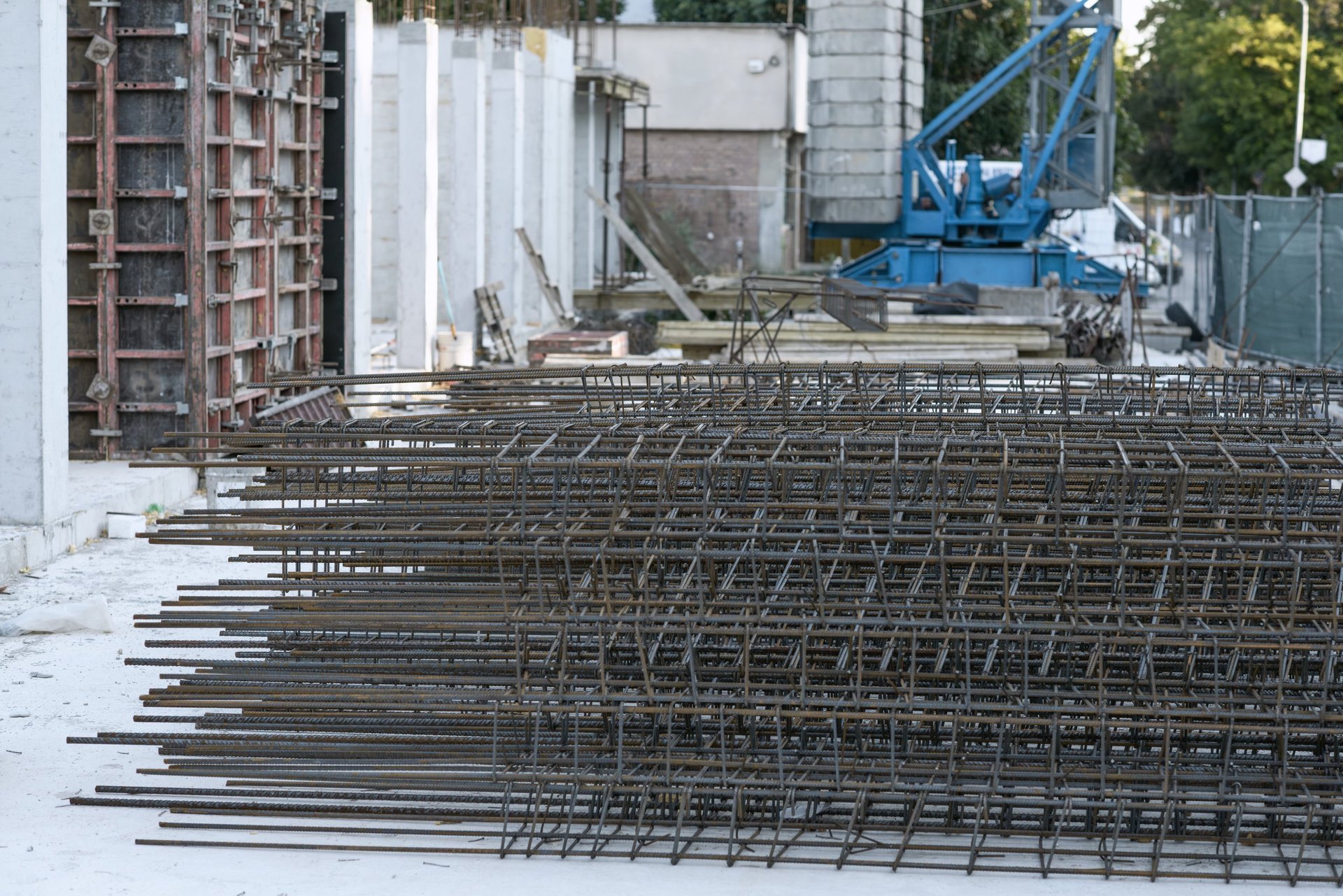
Geometry and tolerance are the deliverable
A cage is defined by its schedule and tolerances, not by its bar diameters
A plant cannot build a cage from a diameter list. It needs the bending schedule with shapes, dimensions and tolerances, and the approved cover for the element, before the first cage is formed. Prototype approval is a separate gate from production release.
Where a prototype cage has been approved, that approval confirms the geometry fits the mould — it does not automatically release production quantities, and it does not substitute for the issued schedule. Keeping those two gates distinct is what prevents a run of cages being built to a superseded revision.
Basis boundary
No cage form, joining method or surface route on this page is a substitute for another, and no grade is presented as weldable without confirmation. Each is the specified choice for a particular design and production condition, and any change to the joining method or the surface is a design decision requiring the design authority's approval.
Cage Specification
What a defensible precast rebar order has to state, and where each input comes from
A cage becomes producible once its geometry, condition and traceability basis are unambiguous. Each row names the input, the authoritative source it must come from, and what goes wrong if it is left open. Values that vary by standard, edition and grade are confirmed from the approved documents — they are not published here as fixed figures.
| Input | Authoritative source | If left open | Cage field |
|---|---|---|---|
| Cage type & element | Approved element drawings and the mould the cage serves. | The cage cannot be fabricated to fit, and the production run stalls. | Cage type — fixed. |
| Bending schedule & tolerances | The issued schedule giving bar marks, shapes, dimensions and tolerances. | The cage cannot be built or dimensionally checked against a defined geometry. | Schedule ref — fixed. |
| Grade & standard | The approved drawing and the project specification for the element. | Mechanical properties, marking and acceptance are all uncertain. | Grade / standard — fixed. |
| Joining method | The design's fabrication requirement — tied, welded or mechanical. | A joint is used that the design did not approve, and acceptance fails. | Joining — fixed. |
| Surface condition | The element's exposure requirement and the project specification. | The wrong bar condition arrives and handling requirements are missed. | Surface — fixed. |
| Cover for the mould | The element drawings, related to the mould and the specified cover. | Cages are built that cannot achieve the required cover in the unit. | Cover — fixed. |
| Marking & batch traceability | The plant's production and certification procedure, agreed with the project. | Lot evidence cannot be tied to the elements cast, breaking certification. | Marking / batch — required. |
| Quantity & call-off | The production programme and the cage count per run. | No quotation basis and no delivery plan exist. | Qty / programme — required. |
Values that vary by standard, edition, grade and ordered unit system are confirmed at quotation from the approved documents and the actual delivered consignment — they are not published here as fixed numbers.
Batch Certification
What to verify for the delivered bar, and how it carries through to element certification
In a precast plant the evidence does not stop at delivery — it has to travel with the cage into the casting run and out again as element certification. Each record below is verified against the governing standard, the approved schedule and the delivered lot, with the party who holds the check named.
| Record | What it verifies | Who holds the check | Stage |
|---|---|---|---|
| Approved cage schedule | Bar marks, shapes, dimensions and tolerances for the cage. | Design team / plant engineering | Before fabrication |
| Mill test certificate (MTC / EN 10204 3.1) | Identity, chemistry and mechanical properties of the supplied lot. | Plant QA requests; project defines the need | With each lot |
| Tensile & yield results | Strength performance of the lot under the standard's test framework. | Plant QA + inspector | With each lot |
| Bend / rebend results | Bend acceptance of the lot under the standard. | Plant QA + inspector | With each lot |
| Weld procedure confirmation | That the welded grade and procedure were approved, where welding is specified. | Design authority / plant QA | Before welding |
| Coating system certification | The specified coating system, where a coated surface is required. | Plant QA + engineer | Where specified |
| Dimensional check of the cage | That the built cage matches the schedule and fits the mould. | Plant QA | Before casting |
| Element-keyed marking & lot records | That the cage's lot maps to the element it is cast into. | Plant QA / certification | At casting |
| Document handoff & origin | Origin, mill, document set and any approval on file. | Plant purchasing + commercial | At quotation |
Evidence, not assumption
Records are issued against the delivered lot. A named standard is a requirement, never proof that the delivered bar meets it.
Certification chain
Marking and batch records are keyed so the lot maps to the elements cast from it, supporting element-level certification.
Approval kept separate
Material evidence does not replace the design authority's approval of the joining method, the grade or the cage detail.
GCC Destinations
Plan the destination, documents and delivery basis for a precast rebar order
For each GCC market the specification, documentation and delivery basis are aligned to the plant and the project at quotation. No served markets, local stock, local branches, customs clearance, project approval or delivery times are claimed in advance.

United Arab Emirates
Project specification and technical submittal review.
Add the delivery location, importer/customs inputs, Incoterm and document set before the precast rebar RFQ goes out.

Saudi Arabia
Large programme volumes and cross-border documentation.
Confirm the delivery location, importer inputs, Incoterm and required documents for each cage family.

Qatar
Technical approval readiness for plant supply.
Add the technical submittal and document set the project requires for the precast rebar consignment.

Kuwait
Contractor and fabricator hand-off.
State the delivery location, Incoterm, documents and the required date for the cage call-off.

Bahrain
Contractor procurement and industrial supply.
Provide the destination, importer/customs inputs, Incoterm and documents before the precast rebar is quoted.

Oman
Port-oriented project supply planning.
Confirm the destination, required documents and Incoterm so the quotation basis is fixed for each cage family.
Commercial department
The commercial desk checks each precast enquiry for an issued cage schedule, a consistent grade and standard, a joining method the design has approved, a surface condition that matches the element, and a marking and traceability basis the plant can certify against before quoting. Destination, port or delivery line, Incoterm, document set and the production programme are fixed at quotation from your specification.
Office 3303, Churchill Executive Tower, Business Bay, Dubai, United Arab Emirates
Monday – Saturday: 8.00 AM – 6.00 PM · Sunday: Closed
Technical Reference
The authoritative framework behind the precast cage decision
A source-backed reference for how the cage, joining and acceptance decisions are framed — not a substitute for the project's own specification, and not an endorsement or approval of any product.
Reinforced-concrete and precast practice places the structural design, the cover, the durability requirements and the permitted fabrication methods with the project's design authority and the standards it adopts — for example EN 1992 for concrete structures and its national annexes, the EN 206 exposure framework, or ACI 318, alongside an ASTM or BS reinforcement standard. Where welded fabrication is used, the weldable grade and the welding procedure are governed by the reinforcement standard and by the welding code the project adopts, not by the plant's preference.
The procurement consequence is that a supplier fabricates the cage to the schedule the designer issued, to the grade and standard named on it, in the condition and joining method the specification requires, and provides lot evidence the plant can carry through to element certification. Deciding whether a grade may be welded is not the supplier's call, and a general "weldable" claim is not evidence of it.
Where to verify
Confirm the applicable standard, edition and national adoption, and any welding requirements, against the project specification and the authority having jurisdiction. Any project-specific amendment or designer's specification takes precedence over a general reference.
Standards and editions referenced generically · checked
What this page does and does not do
- It organises an approved cage requirement into geometry, joining, surface, marking and batch-traceability fields.
- It keeps the schedule, grade, joining method, surface and certification decisions distinct.
- It does not design the cage, set cover or tolerances, or approve a joining method.
- It does not claim any grade is weldable, and does not claim capacity, stock, certification or delivery times.
FAQ
Rebar for precast concrete, answered directly
Post-decision technical and commercial questions from precast plant production and QA teams — answered straight.
Can any reinforcement bar be welded for a precast cage?
Not unconditionally. Weldability depends on the grade and its chemistry and on the practice the standard the design names permits. Where welded cages are specified, the weldable grade and welding procedure must be confirmed with the design authority — reinforcement bar is not weldable simply because it is reinforcement.
What geometry does the plant need before a cage goes into production?
A bending schedule with shapes, dimensions and tolerances, plus the approved cover for the element. Diameters alone do not define a cage, and a prototype approval is separate from a production schedule.
How is traceability handled across a casting run?
By marking and batch keying agreed before production, so the lot evidence maps to the elements cast from it. Bundle marking alone is rarely sufficient where certification requires element-level traceability.
Are tied and welded cages interchangeable?
No. They carry different bar requirements, different fabrication procedures and different acceptance evidence. The joining method is a design decision, not a plant preference.
What changes for a coated or corrosion-resistant bar at the plant?
Surface condition, handling and repair requirements change, and cutting or bending may expose the bar. Those requirements come from the specification and have to be carried into the production method.
Does the plant need different evidence from a site order?
Yes. Precast work ties material evidence to casting batches and element certification, so the lot records and marking scheme have to support that chain rather than stopping at delivery.
Qualified RFQ
Request a quote for precast reinforcement
Carry the cage summary from the planner, together with the issued bending schedule and the element drawings for the run you are pricing. The enquiry is ready for review once the cage geometry, grade, joining method, surface condition, marking and batch basis are complete.
Send to commercial departmentAll pricing is on request. Price, stock, origin and lead time remain quotation-dependent unless current verified evidence is present.
Office 3303, Churchill Executive Tower, Business Bay, Dubai, United Arab Emirates
Monday – Saturday: 8.00 AM – 6.00 PM · Sunday: Closed
Before you send
- Cage type and the element or mould it serves
- Issued bending schedule with shapes, dimensions and tolerances
- Grade and standard exactly as the design names them
- Joining method, with weldability and procedure confirmed where welding applies
- Bar surface condition from the element's exposure requirement
- Marking scheme and the batch traceability basis for casting
- Quantity and the production programme or cage count per run
- Destination, Incoterm and the document set the plant needs
Add every open item — an unissued schedule, an unconfirmed joining method, an unapproved weld procedure, an unagreed marking scheme — as an explicit field before sending.