
Hollow Sections · Materials
Materials
Material is three separate decisions that buyers often collapse into one. The alloy family sets the chemistry and what the section is made of; the coating or surface treatment is a corrosion-protection decision applied on top of it; and neither of those establishes the structural load rating, which comes from the design code and the certified grade against the governing standard. A galvanized mild-steel tube and a stainless tube are not variants of one another — they are different answers to different exposure and lifetime questions. Start by naming the exposure and the fabrication the section has to survive, then read the material routes below against that.
Price on request · material family, coating and grade confirmed against the governing standard and the mill certificate
Compare the material routes
Decide the exposure and the fabrication before you name a material
Each route below answers a different question, and they are not ranked against one another — a route that is right for one exposure is wrong for another. Read them with the service condition and the fabricator's process in hand: carbon and mild steel are the base and the fabrication-first low-carbon option, galvanized is that carbon base with a zinc coating applied for corrosion protection, stainless is a separate alloy family whose resistance comes from its chemistry, and weathering steel is an alloy route that depends on the right atmospheric conditions to behave as intended. Nothing here replaces the governing specification for the project.
Carbon steel hollow section
The base structural family, specified by the standard and grade the project permits. Carbon steel is the starting point for the coated routes — a coating is applied to it, but the coating does not change what the steel below is.
Mild steel hollow section
A low-carbon, general-fabrication route chosen for weldability and forming behaviour rather than for a corrosion-resisting property of its own. Where exposure matters, a separate protection decision is still required.
Galvanized hollow section
Carbon steel given a zinc coating, usually hot dip galvanized to a coating standard. This is a corrosion-protection decision, described by coating mass and coverage — it does not change the alloy or the structural grade.
Stainless steel hollow section
A different alloy family whose corrosion resistance comes from its own chemistry, not from a coating. The grade and its family designation belong to the specification, and the service environment decides whether the family is suitable at all.
Weathering steel hollow section
An alloy route that develops a stable surface layer under the right atmospheric conditions. It is a chemistry decision with exposure conditions attached — it is not a substitute for a coating in every environment.
Coating, alloy chemistry and structural load rating are three separate choices. A coating protects a surface; an alloy family sets what the section is made of; neither of them establishes how much load the section carries. Confirm each against the governing document rather than treating them as a single material pick.
Material decision tree
Answer exposure first, then fabrication
Material follows from the service environment before any grade is named, and the fabrication route decides whether a coating is practical. Work through the two questions below. Where an answer rules a route out, the tree says so rather than forcing a choice — a disqualifier is a legitimate outcome, and so is leaving a question open until the design or the fabricator settles it.
What is the section exposed to in service?
What does the fabrication route do to the material?
Reading so far
liveStart with the exposure question. Until it is answered, the material family cannot be fixed — and that is the correct state to hold rather than guessing a route.
Hollow Section — Materials RFQ
Service exposure: —
Suggested material route: Not yet established
Fabrication route: —
Price on request. Material family, coating and grade are confirmed against the governing standard/edition and the mill certificate — never inferred from the section name alone.
What the tree cannot decide
- The grade and its mechanical properties — those come from the governing standard and the design code.
- The structural load rating — a coating or an alloy family does not set it.
- Coating mass, coverage or thickness figures — the coating standard and the order terms fix them.
- Whether the project permits the family at all — an approval or conformity step is separate from the material reading.
A reading is a starting point for the enquiry, not a specification. Confirm every input against the governing document before it becomes an ordering basis.
Separate the decisions
Chemistry, coating and capacity are specified on three different lines
Most material confusion comes from one label carrying three meanings. The alloy family answers what the section is made of; the coating answers how the surface resists corrosion; the grade and the design code answer what the section can carry. Write them separately in the enquiry so a supplier cannot read one as standing for another — a galvanized S355 tube is a coated carbon-steel section at a named grade, and collapsing those into a single word is what makes offers incomparable.
Alloy family — what it is
Carbon, mild, stainless or weathering. This decides the base chemistry, the fabrication behaviour and the corrosion mechanism. It is not a coating decision and not a strength decision.
Coating — how the surface is protected
Hot dip galvanizing, paint or another system applied to a base section. Described by the coating standard and its coverage requirement. It changes the surface, not the alloy or the grade.
Grade & code — what it can carry
The certified grade against the governing standard, used by the design code to establish structural capacity. Neither a coating nor a family name substitutes for it.
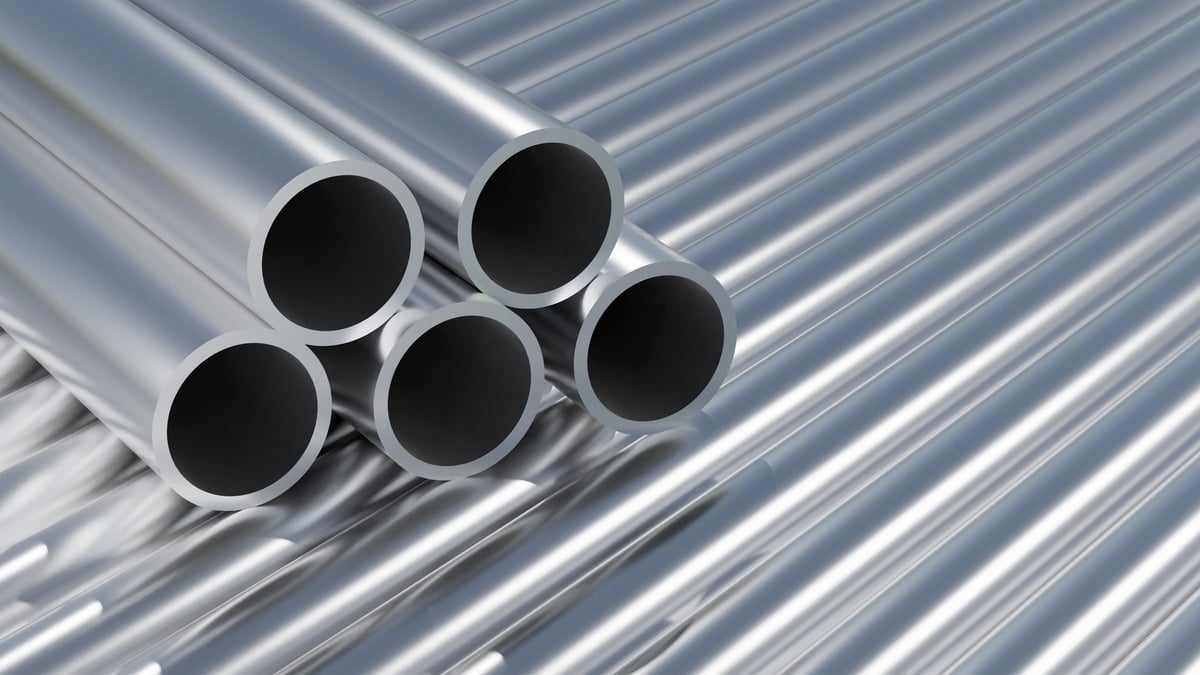
Specification route
Verify a standard or a dimension before it reaches the RFQ
Confirm the hollow-section standard that governs the material, and check a dimension or size input against a reference chart before it becomes an ordering basis.
| Material route | What it decides | Applies to / limitation | Does not decide | RFQ field |
|---|---|---|---|---|
| Carbon / mild steel | Alloy chemistry and fabrication behaviour | The base structural family. Where corrosion protection is needed, a separate coating decision is still required — the bare section is not corrosion-resisting. | Corrosion protection · structural capacity | Material family + grade |
| Galvanized | Corrosion protection of the surface | A coating applied to a carbon steel base. Confirm the coating standard and coverage requirement; a cut edge or weld is an unprotected edge unless it is treated. | Alloy chemistry · grade · load rating | Coating + base material |
| Stainless steel | Alloy family and corrosion mechanism | A different alloy family whose resistance comes from its chemistry. Confirm the grade suits the actual exposure — not every stainless grade suits a chloride environment equally. | Coating coverage · structural capacity | Material family + grade |
| Weathering steel | Atmospheric exposure behaviour | Depends on the right atmospheric conditions and detailing to form its stable surface layer. It is not a general substitute for a coated section in every environment. | Coating · structural capacity | Material family + exposure |
This table is a decision aid only. It carries no numerical technical value; every coating, chemistry, grade and tolerance figure is confirmed against the governing standard, edition and the mill certificate before quotation. Price on request.
Coating & alloy evidence
Ask for two kinds of evidence, because there are two kinds of claim
A coated section and an alloy section are proven differently, and asking for the wrong document is how a genuine material gets rejected at site. For a coating, the evidence describes coverage, mass or thickness against the coating standard and the order's inspection terms. For the steel itself, it is the mill certification tying the heat or lot to the grade and the mechanical results. Name both, and name who is expected to issue each — availability of any certificate is confirmed for the actual supply, not assumed from this page.
Coating evidence
For a galvanized or painted section, the document relates to the coating: coverage, mass or thickness against the coating standard and any inspection scope the order names. Coating a section does not change the steel's grade, so coating evidence is not material-certification evidence.
Material certification & traceability
For the steel underneath, request certification against the governing standard and grade, with heat or lot traceability to the shipped consignment. The expected issuer is the producing mill or the supplier per the order terms.
Dimensional & inspection records
Where the order requires them, name the dimensional or gauge record and any inspection scope — surface, edge, weld or finish — and state the acceptable basis rather than assuming a default.
Shipment & origin documents
Commercial invoice, packing list, origin and transport documents belong to the consignment, agreed per the Incoterm and the destination rules for the actual goods — separate from the material evidence.
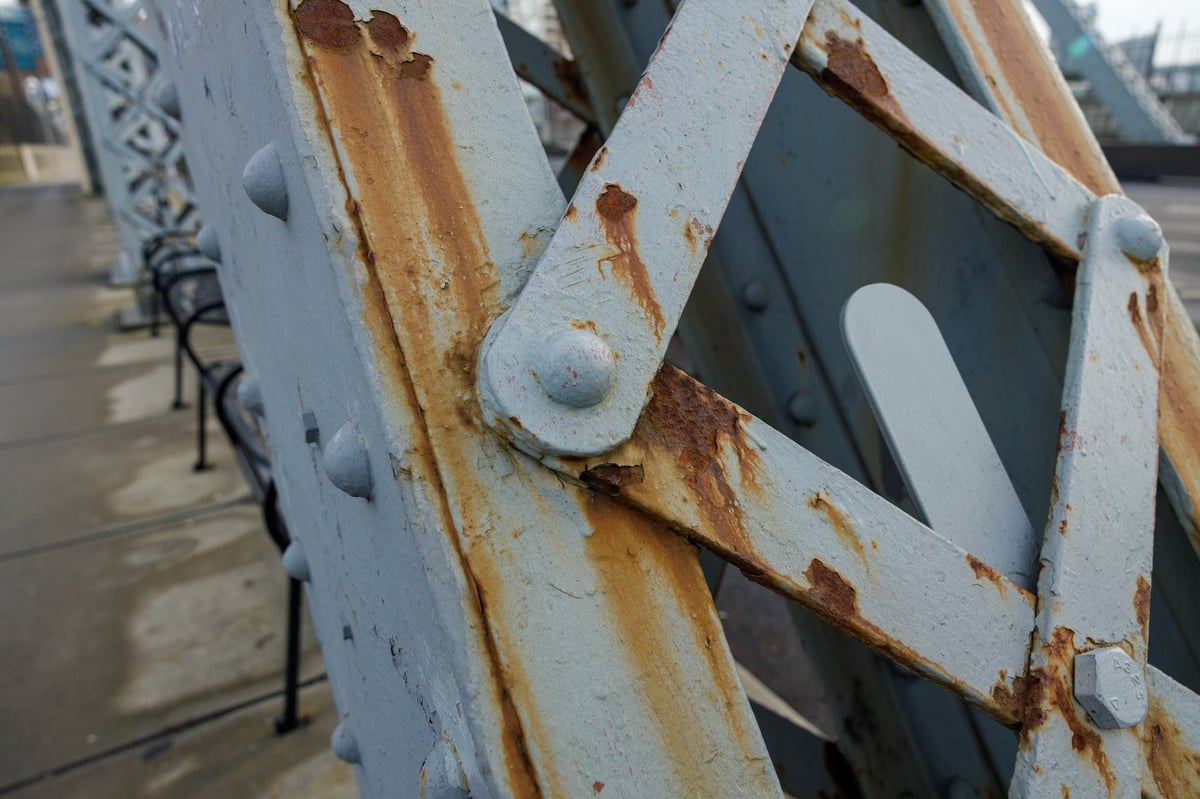
Any coating record, certificate or approval is confirmed for the actual supply. Nothing on this page should be read as evidence that a specific document set is held for a specific order.
Operating duty
Where the duty, not the appearance, drives the material
A material page is worth opening when the end use changes what the section has to resist — a chloride atmosphere, an elevated temperature or a weld-and-galvanize sequence can each eliminate a route that looked fine on paper. Where the duty does not change the material decision, the routes above already carry it. The same nominal section can be correctly galvanized in one application and wrongly so in another, because what the member is exposed to is what selects the protection.
Truss & lattice members
Often uncoated or shop-primed, so the material follows the node detailing and the exposure the analysis assumes — not the finish alone.
Marine & coastal
Chloride exposure is the classic reason to move alloy family rather than add coating. Confirm the grade suits the actual exposure.
Weld-then-galvanize
The sequence makes a carbon or mild steel base the natural choice, because the coating is applied to the finished assembly.
Elevated temperature
Service temperature can constrain the coating or the alloy route and interacts with the grade — state the duty rather than assuming a default.
Architectural & handrail
Appearance and finish often govern, and a coated or stainless route may be chosen for the visual result as much as for corrosion.
General fabrication
Where exposure is not yet classified, state it as open rather than assuming mild steel — the classification changes the requirement.

The fabrication route decides whether a coating is applied before or after the section is cut and welded, and whether edges are protected. Confirm the sequence before selecting the material — a route that suits a shop-coated section may not suit one galvanized as an assembly.
GCC destination
The destination is planned separately from the material
Keep the material decision apart from the destination plan. Confirm consignee and importer details, the named port or inland delivery point, the Incoterms rule and named place, the shipment documents, any permit or conformity step required for the actual goods, and the party responsible for each action. None of the country cards below implies a local office, warehouse or stock position, and none of them changes the material specification.

United Arab Emirates
Consignee & import inputs
Confirm consignee and importer details, the named port or inland delivery point, the Incoterm rule and named place, and the documents the consignment needs.
Destination inputs
Saudi Arabia
Conformity & project inputs
State any permit or conformity step required for the actual goods and name the party responsible for each action alongside the delivery point.
Destination inputs
Bahrain
Delivery & document inputs
Agree the delivery point, the shipment documents and the responsible party for each step, kept separate from the steel specification itself.
Destination inputs
Kuwait
Contractor & routing inputs
Separate the material compliance decision from the destination plan, and confirm the commercial terms before quotation.
Destination inputs
Oman
Port-oriented inputs
Name the port or inland delivery point and the Incoterm so transport and document obligations are explicit for the order.
Destination inputs
Qatar
Delivery & compliance inputs
Confirm the delivery place, required date and any conformity step for the goods, with the material specification held as a separate decision.
Destination inputsCountry cards plan the destination, not the supply position. None of them implies a local office, warehouse or stock position, and none of them changes the material specification.
Enquiry quality
A material name travels between projects; its requirements do not
Two enquiries can both read “galvanized hollow section” and still differ on the base grade, the coating standard and its coverage requirement, the dimensions and the inspection scope. That is why offers are only comparable when every supplier is handed the same named inputs. The four fields below are what make those inputs explicit before anyone quotes, so a low offer can be traced back to the specification it was priced against.
Governing document
Name the standard and edition that controls the material, grade and any coating. The edition fixes scope, tolerances, testing and ordering requirements for each of them.
Material family and grade
State the alloy family and the full grade, then record the coating or surface treatment as a separate line. The coating is not part of the grade name and does not describe the alloy below it.
Service environment
Give the exposure the section actually sees — interior, atmospheric, marine or chloride-bearing — with the service life expected. The environment is what selects the material route before any grade is chosen.
Testing and documents
Record the coating, alloy and mechanical evidence you need by purpose, with the expected issuer. Coating evidence and structural test evidence are different documents and are requested separately.
Related routes
Open a related page only to resolve a specific decision
Adjacency is not proof of interchangeability. The routes below answer a different question from this one — open them when that question is the one blocking the enquiry.
Truss and lattice members
Where the member duty and connection detailing drive the material and finish requirement rather than appearance or house practice.
Structural steel
Open sections covering beams, angles and channels. A different product family with its own material and coating conventions — open it only to resolve a specific decision.
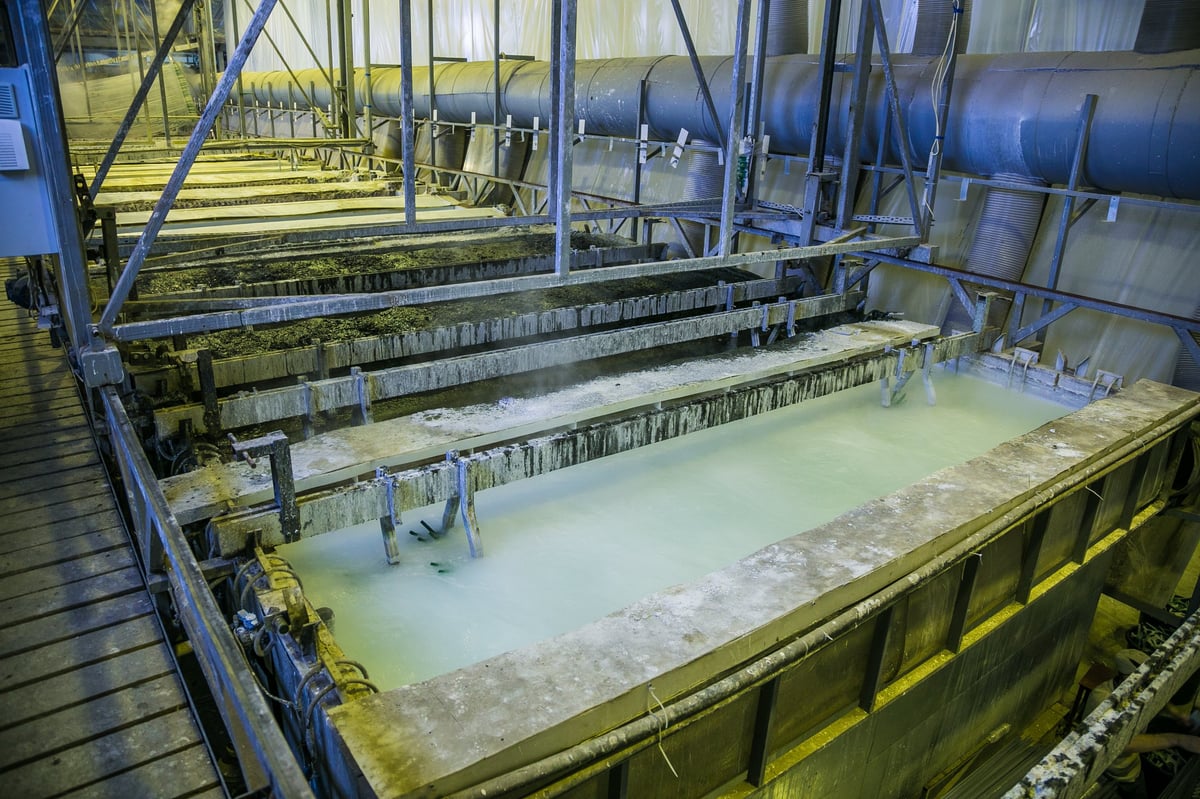
Technical reference
Compare the coating standard's published scope with the project requirement
Where the material decision involves a coating, confirm what the coating standard itself covers before treating it as a corrosion solution.
Reference: International Organization for Standardization — ISO 1461:2022. It governs hot dip galvanized coatings on fabricated iron and steel articles, so it speaks to the coating and not to the alloy chemistry, the grade or the structural capacity of the section beneath it. It does not prove Noor Deira Steel inventory, price, certification, local presence or project approval, and it does not replace the contract documents for the actual order.
ISO 1461:2022 — published scopeScope reference checked 2026-09-07.
From requirement to quotation
Every open item stays visibly open
Work the sequence in order — exposure before grade, grade before dimensions — and leave anything undecided marked open rather than filled with a default.
- 1
Name the exposure and expected life
Interior, atmospheric, marine or chloride-bearing, with the service life the project assumes. This selects the material route before anything else.
- 2
Fix the alloy family and grade
Choose the family from the exposure, then the grade from the governing standard and the design code — they are two steps, not one.
- 3
State the coating separately
Where protection is needed, name the coating standard and its coverage requirement on its own line, with any cut-edge or weld treatment.
- 4
Confirm the fabrication sequence
Record whether the section is coated before or after cutting and welding, since that decides which base material is practical.
- 5
Add dimensions, quantity and destination
Dimensions with units, quantity and unit basis, destination, Incoterm named place and the required date.
- 6
Review unresolved items before quotation
Leave anything undecided marked open rather than guessing, so the offer is qualified on a verified basis.
Questions to settle
Questions to settle before ordering
Five questions buyers raise when a material route is being fixed.
Is galvanizing a material or a coating?
A coating. Galvanized hollow section is carbon steel carrying a zinc coating, and the coating is described by mass and coverage against a coating standard. It does not change the alloy family or the structural grade of the section underneath, so the two are specified on separate lines.
Does a coating raise the structural load rating?
No. Corrosion protection and structural capacity are separate decisions. The load rating follows from the design code and the certified grade against the governing standard — a coating changes the surface's resistance to corrosion, not the section's structural properties.
Can I substitute stainless for galvanized, or the reverse?
Only where the project requirement accepts it, after the exposure, grade, fabrication and coating implications have been checked. The routes on this page are comparison paths, not equivalents — adjacency is not proof of interchangeability, and no automatic substitution between material families should be assumed.
What decides which material family applies?
The service environment and expected life first, then the governing document that constrains the choice, then the fabrication route — because the process that is applied after fabrication determines whether a coating is practical. Grade and dimensions follow once the family is fixed.
What should a material enquiry include?
The alloy family and full grade, the coating or surface treatment stated separately, the service environment, the governing standard and edition, dimensions with units, quantity and destination. Price and availability are confirmed against your exact specification rather than stated here.
Request a quotation
Request a qualified Materials quotation
Send the service exposure, the alloy family and grade, the coating or surface treatment on its own line, the governing standard and edition, dimensions with units, the fabrication sequence, quantity and unit basis, and the destination with named delivery place. If the exposure or the fabrication is still undecided, mark it open rather than guessing a route.
The quotation will confirm availability, commercial terms and the supply-specific document package.
- Material, coating and grade quoted as separate lines
- Coating and material evidence named before shipment
- Exposure and fabrication inputs traceable to the requirement
Price on request. Availability, origin and delivery timing are confirmed against your exact specification and destination.