Low-temperature pipe · ASTM A333

ASTM A333 Steel Pipe

Before a grade is chosen, there is a prior question: does ASTM A333 apply to your pipe at all? A material standard has a scope, and an enquiry that falls outside it will not be rescued by a good grade choice later. This page is about that boundary — the forms the standard describes, the service it is written for, the grades it contains, and the point at which its authority ends and your design code's begins.

Price on request. This standard does not approve a design or fix an impact requirement for your project — those follow your design basis and the governing edition, and are confirmed against the requirement you state.

Form

Which product forms the standard actually covers.

Service

Low-temperature duty is the intended basis.

Grade

A family of grades — Grade 6 is one member.

Boundary

Where the standard stops and design begins.

Scope and exclusion selector

Five questions that decide whether A333 applies at all

Answer them in order — form, duty, grade, testing, edition. The selector keeps the enquiry in scope or raises an exclusion flag, and it lists what is still open. It deliberately will not approve a design, set an acceptance temperature or guarantee an impact result, because all three are project outputs the standard informs rather than settles.

Is A333 listed for the pipe form you are buying?

What form is the pipe — seamless or welded — and is that form within the standard's scope?

Why this question decides scope

A standard covers particular product forms. A333 is written around pipe for low-temperature service, but a specification only answers for the forms it lists; assuming coverage for a form the standard does not describe is how an out-of-scope order gets placed. Confirm the form and that the standard addresses it before anything downstream is fixed.

Is the service actually low-temperature?

Is the pipe being bought for a low-temperature duty, or is the design basis actually for elevated temperature?

Why this question decides scope

This is the single most important scope question, and the one that most often rules A333 out. The standard is organised for low-temperature service, where notch toughness governs. A high-temperature duty belongs to a specification written for that service, where the governing properties are different. Getting this wrong sends the whole enquiry down the wrong standard.

Which grade, and is it one the standard lists?

Which grade of A333 is being specified, and does it sit within the standard's grade structure?

Why this question decides scope

A333 is a family, not a single grade. The grade fixes which properties apply and, with them, the testing and traceability the order carries. Naming the grade — rather than asking for 'A333 pipe' — is what makes the enquiry answerable and the quotations comparable. Grade 6 is one member of that family and has its own acceptance questions.

What testing and traceability will the order carry?

What does your project require to be tested, at what temperature and on what basis, and how traceable must the records be?

Why this question decides scope

The standard puts toughness and testing at the centre of this family of material, but the specifics — the temperature, the basis and the supplementary requirements — are fixed by your project specification read with the governing edition. Treating testing as automatic because the standard exists is the assumption that costs most to correct late.

Which edition of the standard governs?

Which edition of A333 is your project written to?

Why this question decides scope

Scope, permitted grades and testing provisions move between editions. Two suppliers quoting 'A333 pipe' against different editions are not quoting the same deliverable, which is why the edition has to be named before prices can be compared as though they describe the same thing.

Undetermined

Five questions decide whether this standard applies at all

Work through them in order — form, duty, grade, testing, edition. The selector reports whether the enquiry stays in scope and lists every exclusion flag it raises. It will not approve a design, set an acceptance temperature or guarantee an impact result, because all three are project outputs the standard informs rather than settles.

  • Manufacturing form: form not checked — coverage cannot be assumed
  • Intended duty: intended duty not stated — the standard cannot be matched to the service
  • Grade within the standard: grade not stated — the order cannot be matched to a grade
  • Testing & traceability: test scope not stated — acceptance is undefined
  • Governing edition: edition not declared — quotations may not be comparable

0 of 5 questions kept in scope. The selector checks applicability — it does not approve a design, a service limit or an impact requirement, all of which belong to your design basis and the governing edition.

Scope record

ASTM A333 steel pipe — scope / exclusion record

Manufacturing form: [unanswered]
Intended duty: [unanswered]
Grade within the standard: [unanswered]
Testing & traceability: [unanswered]
Governing edition: [unanswered]

Supplier: Noor Deira Steel Trading L.L.C. — sales@noordeirasteel.ae — office +971 56 398 0860
Scope, governing edition, test package and acceptance criteria to be confirmed at quotation.

A material standard and a design code do different work. The standard says what the pipe must be and how it is tested; the design code says what the pipeline may safely carry. This selector settles the first question. The second stays with your engineering team, and the two are read together when the order is checked.

The boundary of a material standard

What A333 decides for you — and what it deliberately leaves to your design

The most common error on a low-temperature enquiry is expecting the standard to do more than it does. A material specification fixes the material side of the problem and stops there. Knowing exactly where that line falls is what stops an order being placed against the wrong expectation.

What the standard does decide

  • The grade structureWhich grades the specification contains and what each is designated for, so a grade name means something specific.
  • The condition and testing frameworkHow the material is characterised for its service — the framework within which testing and evidence sit.
  • Dimensional and marking provisionsThe tolerance and marking rules the specification sets for the forms it covers.
  • This is a material specificationIts job is the pipe as delivered — what it is made of and how that is demonstrated.

What it does not do for you

  • It does not approve a designWall thickness for pressure, layout and support belong to your engineering-design code, not to the material standard.
  • It does not set your service limitThe acceptable minimum temperature is a design decision informed by the material and confirmed by the testing on your lot.
  • It does not fix the impact requirement for every projectWhat is tested, at what temperature and on what basis, is your project specification read with the governing edition.
  • It does not order your testingA requirement that is not written onto the order cannot be produced afterwards, however standard the expectation.
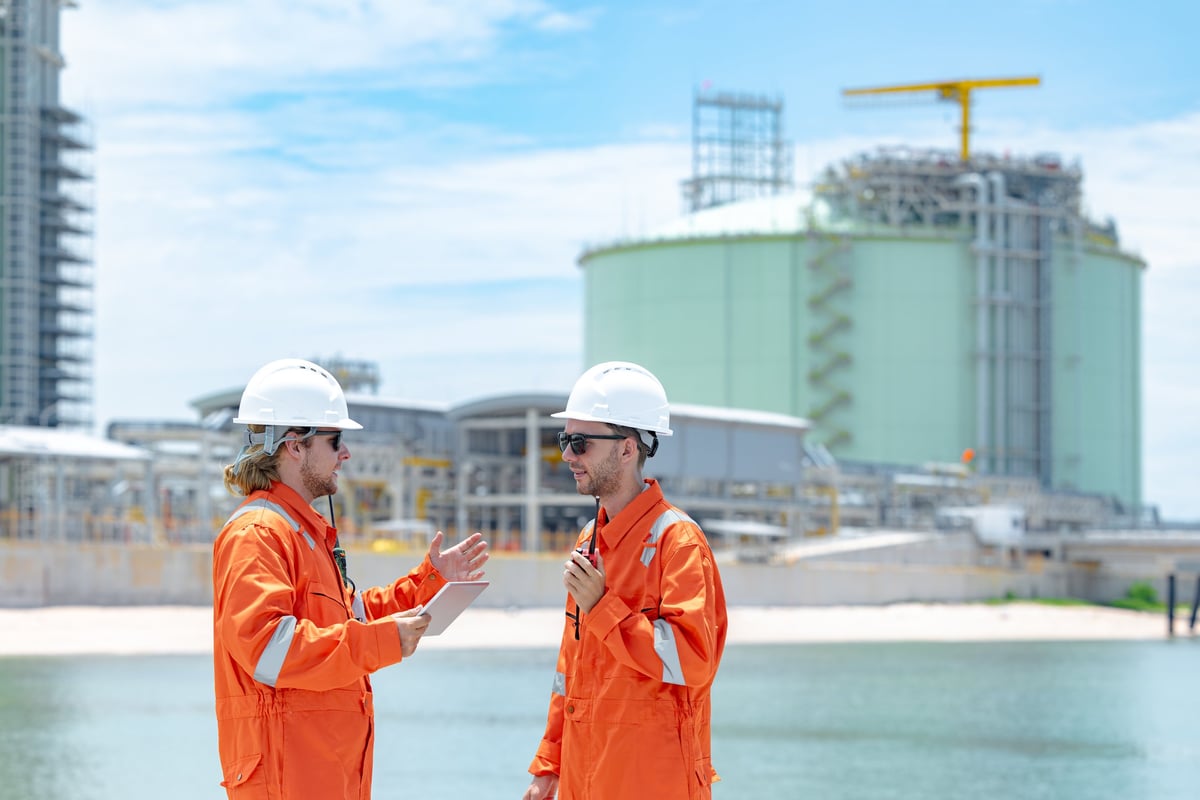
Engineers inspecting containment equipment at a low-temperature gas facility
Low-temperature service is where A333 does its work. The material side is the standard's concern; the service limits themselves remain a design decision.

Why the boundary is worth stating plainly

When a material standard and a design code are confused, the failure is quiet. A requisition is raised for "A333 pipe", the pipe arrives fully compliant with the standard, and the order looks complete — while the design questions it was never meant to answer have gone unasked. Nothing surfaces until someone checks the wall thickness against the pressure duty or the testing against the service temperature.

Stating the boundary is not pedantry. It is what lets you split the work correctly: the standard governs the material order, your design basis governs everything around it, and the two meet at the specification you write. That is the split the scope selector above is built to enforce.

We publish no service temperature, wall tolerance figure or guaranteed impact value for this standard. Each is established by the governing edition together with your project requirement, and confirmed against the order you place.

A333 against its neighbours

Three carbon pipe standards, three different jobs

A333, A106 and A53 are the three specifications a carbon pipe enquiry most often lands between, and they look similar on a shop drawing while answering different questions. Reading the intended service is what tells them apart — not the chemistry, which can appear close while the specification's whole purpose differs.

ASTM A106

Elevated temperature

Written for high-temperature service — steam, process and similar duties. The properties that govern are different, and the low-temperature basis A333 carries is not what A106 is organised around.

A hot-service duty belongs here, not to A333.

ASTM A53

General purpose

General-purpose carbon pipe, widely available and bought on grade and dimensions. It carries no low-temperature acceptance basis, which is exactly what a cold-service line requires you to have.

Cheaper per tonne, and the wrong purchase for a low-temperature line.

ASTM A333

This standard

Written for low-temperature service, where notch toughness at the design temperature is the governing concern. That purpose is what shapes the grade structure, the testing and the traceability a A333 order carries.

Confirm the duty is genuinely low-temperature before selecting a grade.

A reasonable fit when

  • The design basis places the pipe in low-temperature service, where toughness at temperature matters.
  • The manufacturing form you need is one the standard describes, and that is confirmed rather than assumed.
  • A grade within the family has been selected, rather than a generic request for 'A333 pipe'.
  • The testing, the traceability and the governing edition are stated on the order.

Revisit the basis when

  • The service actually runs hot — that belongs to a specification written for elevated temperature.
  • The standard is being treated as a design approval, which it is not.
  • Impact testing is assumed to follow automatically from naming the standard.
  • The edition was not named, so two quotations may not describe the same deliverable.

Read the neighbouring standards before you settle on this one — A106 Grade B pipe covers the elevated-temperature branch and A53 Grade B pipe the general-purpose one, while the ASTM steel grades reference lists the wider designations these sit within.

GCC markets

Where a low-temperature A333 requirement is coordinated

Destination changes the commercial and documentary side of the order, not the acceptance basis. Choose the market to see what each destination expects before the consignment is released.

These market pages are procurement destinations, not a claim of premises in each country. Supply is coordinated from Dubai and delivered against the destination and delivery date you state.

Grades within the standard

A333 is a family — the grade is where the specifics live

Once the standard is confirmed in scope, the next decision is the grade. A333 contains more than one, and the grade fixes the properties, the testing and the traceability the order carries. Grade 6 is the member most buyers on a low-temperature enquiry arrive looking for.

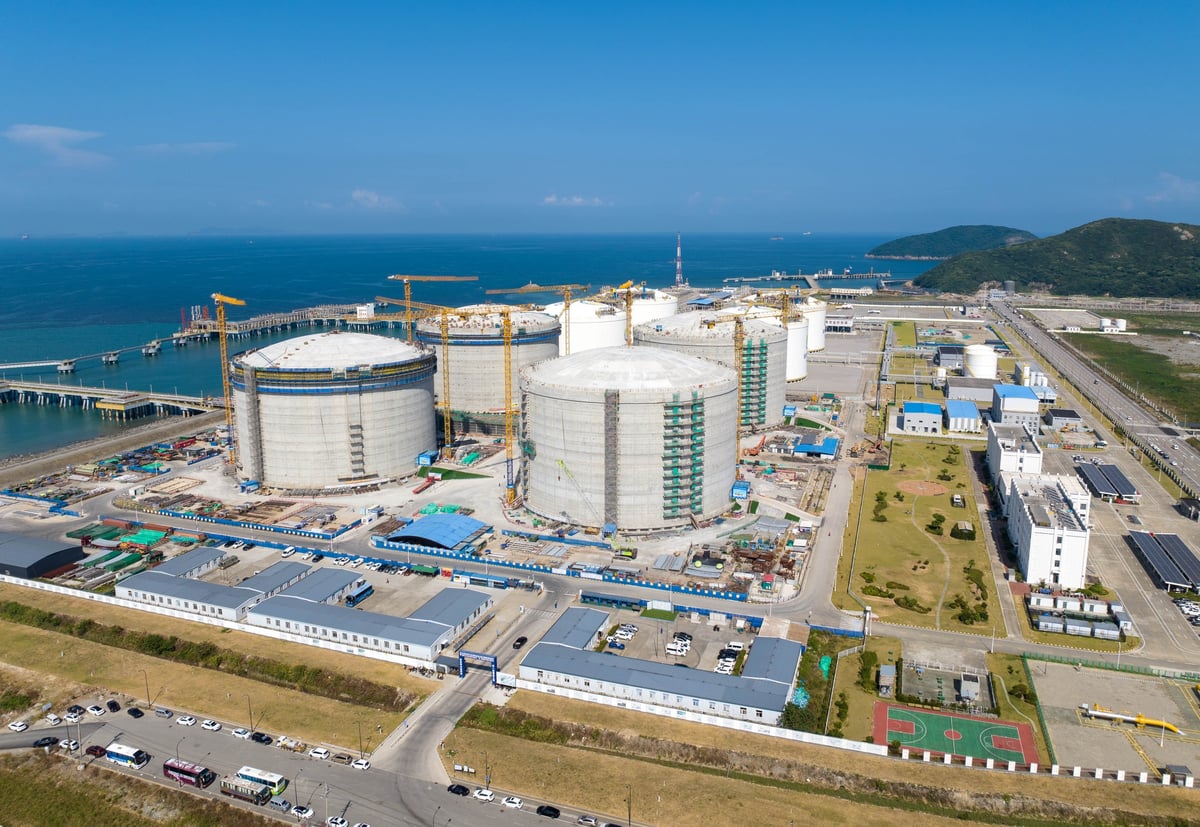
Coastal low-temperature gas storage terminal with pipelines and storage tanks
Low-temperature service is a real duty with real equipment behind it — which is why confirming that A333 applies is worth doing before a grade is selected.

Standard scope against grade scope

A standard and a grade answer different questions, and the difference matters when you split the reading between pages. The standard tells you whether A333 covers your pipe at all — its forms, its intended service, its grade structure and the limits of its authority. The grade page tells you how to build the acceptance case for one member of that family: what to specify, what to test and what to trace. Reading both is how a low-temperature order is put together correctly.

Where the requirement is a steel tube rather than a pipe, or the standard family is still open, check the product form and the standard together — the dimensional basis and the specification both change with the form, and so does what the certificate has to demonstrate.

Destination matters commercially on a low-temperature order — the UAE market page sets out how project coordination and release documents are handled locally, which is worth reading before you fix the delivery basis.

From scope to offer

How a confirmed scope becomes a firm quotation

The selector settles whether A333 applies and where its authority ends. This is the sequence that turns that answer into a comparable offer, and the point at which each input is actually used.

  1. Service duty confirmed

    Design authority

    The duty is confirmed as low-temperature, so A333 is the right specification.

    A hot-service duty belongs to a different standard entirely.

  2. Form checked against scope

    Buyer

    The manufacturing form being bought is one the standard actually describes.

    Coverage for an unlisted form cannot be assumed.

  3. Grade selected

    Buyer

    A grade within the family is named, not a generic request for 'A333 pipe'.

    An unstated grade leaves the properties and testing undefined.

  4. Test scope fixed

    Buyer and commercial desk

    The testing and traceability the order must carry are written down.

    A test not ordered cannot be produced afterwards.

  5. Edition named

    Buyer

    The governing edition is on the enquiry, so quotations describe the same deliverable.

    An unstated edition makes quotations incomparable.

  6. Offer with commercial terms

    Commercial desk

    Availability, price, quantity and delivery confirmed on request.

    Commercial variables stay open until you supply them.

Send the confirmed scope and the desk comes back against your requirement rather than a standard package. Reachable Monday to Saturday, 8.00 AM to 6.00 PM Gulf time.

Request a Quote

Straight answers

The questions that come up when A333 is being weighed up

These are the ones the desk fields most often from low-temperature specifiers, answered the way they are answered there — including the parts that make the process slower.

01"If the pipe meets A333, is my design covered?"

No — and this is the assumption that causes the most trouble. A333 is a material specification: it governs what the pipe is made of and how it is tested. Design approval — wall thickness for pressure, layout, support and the acceptable service limits — comes from your engineering-design code and your design basis. A pipe can fully satisfy A333 and still be wrong for the duty if the design questions were never asked. The standard and the design code do different work, and both are needed.

02"Doesn't naming A333 take care of the impact testing?"

It does not, and treating it as automatic is the shortcut that costs most on a low-temperature order. The standard organises what toughness means for this family of material and how grades and testing fit together — but what is actually required, at what temperature and on what basis, is fixed by your project specification read with the governing edition. Two projects buying 'A333 pipe' can correctly need different testing, and a test that was never written onto the order cannot be produced afterwards.

03"Can't I just ask for A333 pipe and leave the grade to you?"

We would rather you named the grade, because the grade is what fixes the applicable properties, the testing and the traceability the order carries. 'A333 pipe' is a family, not a deliverable, and a quotation built on a generic request is a quotation built on an assumption. Tell us the grade your design basis calls for — or ask us what the family contains — and the enquiry becomes comparable with the other quotations you are holding.

04"Our line runs hot — can we use A333 anyway since it's the pipe we standardise on?"

Only if your design basis genuinely permits it, which is a question for whoever owns that basis rather than for a supplier. A333 is organised for low-temperature service; a high-temperature duty belongs to a specification written for that service, where the governing properties are different. Standardising on one pipe across a plant is understandable, but it does not move the service into the standard's scope. If the duty really is hot, the enquiry should say so and start from the right specification.

05"Which edition will you quote, and does it matter?"

We quote against the edition your project is written to, and it does matter. Scope, permitted grades and testing provisions move between editions, so two suppliers quoting 'A333 pipe' against different editions are not necessarily offering the same deliverable. Naming the edition is what makes the prices you are comparing describe the same thing. If you do not have it to hand, ask us to confirm the current one rather than letting it stay unstated.

06"Do you hold A333 pipe in stock now?"

We do not publish stock positions on this page, because a figure written here would be stale by the time it mattered, and availability at this standard varies with grade, manufacturing form, size and test package. It is confirmed against your stated basis, quantity and required date when the enquiry reaches the desk. That is the honest sequence — the answer you plan around is the one given for your order.

Frequently asked questions

ASTM A333 — the questions that shape the order

Five questions low-temperature specifiers raise most often, answered without deferring the technical position to the quotation stage.

Does ASTM A333 approve my pipe design?

No. A333 is a material specification: it describes what the pipe must be made of and how it is to be tested, not what the pipeline is designed to carry. Design approval — wall thickness for pressure, layout, support, and the acceptable service limits — belongs to your engineering-design code and your design basis. The standard supports that work by fixing the material side; it does not replace it. A pipe that fully meets A333 can still be the wrong pipe if it was never checked against the design code.

Does A333 fix the impact requirement for every project?

It does not, and assuming so is the most costly shortcut on a low-temperature enquiry. The standard organises what notch toughness means for this family of material and how grades and testing fit together, but what is actually required, at what temperature and on what basis, is fixed by your project specification read together with the governing edition. Two projects buying 'A333 pipe' can correctly need different testing. That is a project decision the standard informs, not one it settles for you.

How is this standard page different from the Grade 6 page?

They answer different questions. This page covers the whole standard — its scope, what forms of pipe it applies to, which grades it contains, and where its authority ends. The Grade 6 page covers one member of that family and the acceptance questions specific to it. If you are still deciding whether A333 applies at all and which grade within it fits, you are on the right page. If you have settled on Grade 6 and need to build the acceptance case for it, the grade page is the more useful read.

Is A333 the same as A106 or A53?

No. They are separate ASTM product specifications written around different intended services. A333 is organised for low-temperature service, where notch toughness is the governing concern. A106 is a high-temperature specification, and A53 is a general-purpose one — neither carries A333's low-temperature basis, and a certificate naming one does not satisfy an order for another. Similar-looking carbon content across them is not a reason to treat them as interchangeable.

Can you supply A333 pipe in the grades and forms we need?

We quote to the standard, the grade, the manufacturing form and the dimensions your specification states, and we confirm availability against your basis rather than publishing a stock position that would be stale by the time it mattered. State the grade, the form, the sizes, the testing you require and the delivery point, and the commercial desk comes back against your requirement. Price on request.

Still settling the basis?

Send the enquiry with what you have stated and flag what is still open. The desk will tell you which inputs it needs before it can price, rather than returning a number built on assumptions.

Noor Deira Steel Trading L.L.C.

Office 3303, Churchill Executive Tower, Business Bay, Dubai, United Arab Emirates · Monday to Saturday, 8.00 AM to 6.00 PM, Sunday closed.

+971 56 398 0860sales@noordeirasteel.ae

Request a quote

Send the confirmed scope, not just the standard

Complete the scope selector as far as your project allows and send it with your requirement. The commercial desk confirms availability, price and the testing and documentation scope from what you state — price on request.

What an A333 enquiry needs

The service duty, confirmed as low-temperature

The manufacturing form — seamless or welded

The grade within the family

The governing edition of the standard

Outside diameter, wall thickness and length

The testing and traceability the order must carry

Quantity, delivery point and required date

Prefer to talk it through?