
Structural Steel · Steel Channel
Steel Channel Supplier
Specify steel channel by the exact channel family and designation — such as UPN, UPE or PFC where applicable — plus dimensions, mass series, grade, length and tolerances; do not treat all channels of the same nominal depth as interchangeable.
What to send now
Channel family (UPN, UPE or PFC) · exact designation · web depth × flange width · mass per metre · grade and standard · length × piece count · inspection documents · destination.
Channel-series geometry review before you commit to a section
Price always on request — confirmed against your specification and destination
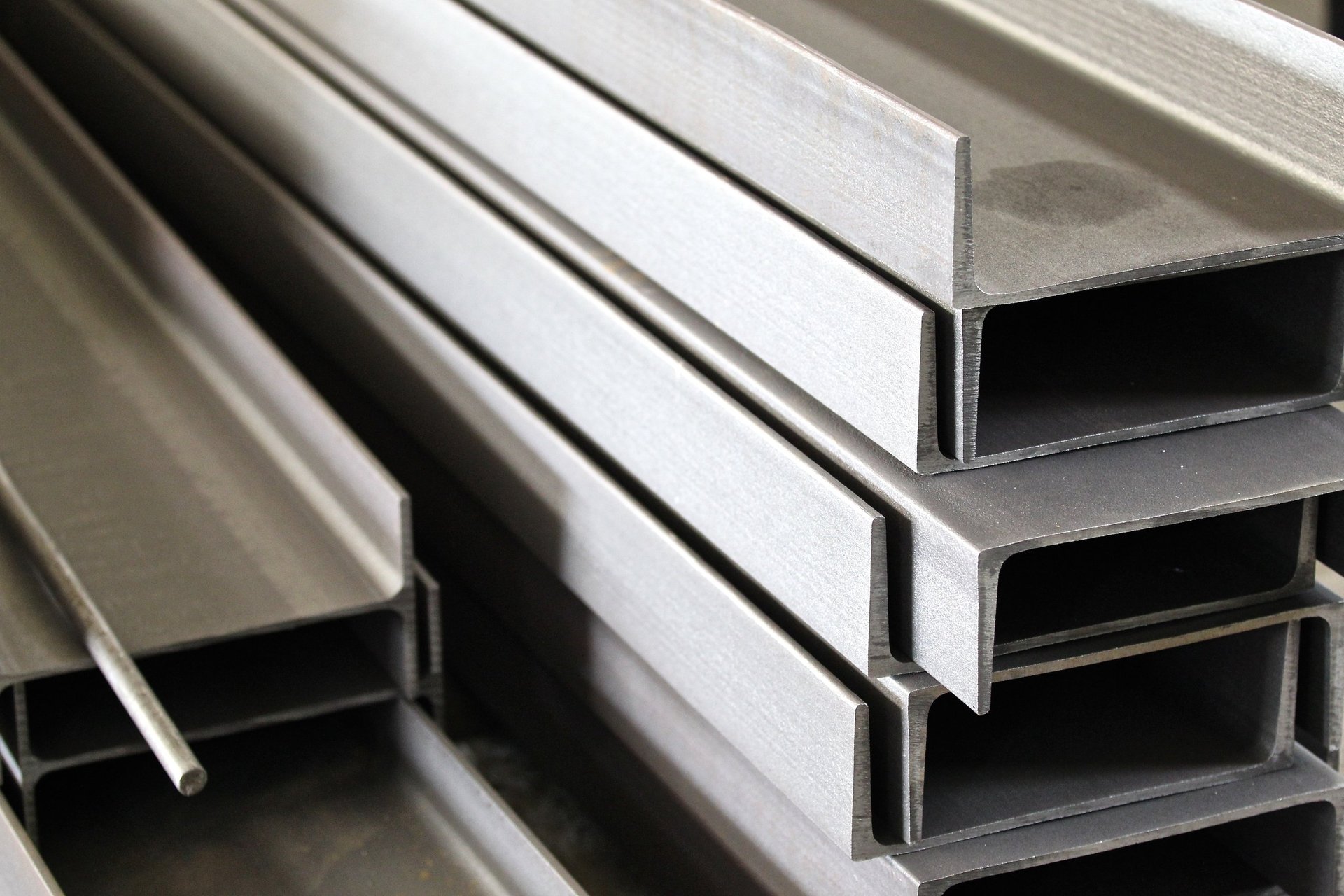 Channel identification check
Selecting a Steel Channel
Fit is set by the exact channel family and designation, not nominal depth
A steel channel is not interchangeable with a same-depth channel from another series. Fit is set by the exact family and designation — UPN, UPE or PFC — the dimensions and mass series, then by grade, member length, splice/fabrication notes and documents.
The channel family and designation separate two decisions that are easy to merge: the shaping basis of the section (UPN/UPE/PFC) and the exact rolled profile. A comparison boundary must be stated for every alternative — dimensional similarity never establishes engineering equivalence.
- Fits when the project names a precise channel family and designation with dimensions and mass per metre.
- Fits when the governing standard and grade are fixed and the schedule is validated row by row.
- Not a substitute: a same-depth profile from another series is not an equivalent channel.
Channel Series Comparator
Separate the channel family, designation and geometry before you ask for a price
Build the schedule row by row: channel family (UPN, UPE or PFC), exact designation, web depth and flange width, mass per metre, grade, member length and piece count. The comparator flags nominal-depth-only entries and carries only the inputs you supply into the RFQ — it never generates geometry, mass, capacity or stock from memory.
Series basis
UPN, UPE and PFC name different channel series with their own dimensional basis and designation conventions. Selecting a family fixes what the designation must describe; it does not by itself authorise a substitution across series. Any proposed cross-series or cross-standard substitution needs engineering approval from the project — this tool does not grant it.
No rows yet — add the first channel schedule row below.
Comparator result
Empty state — add a row to see the validated summary.
Method & assumptions: the comparator records the channel family, designation, dimensions, mass, grade, length and quantity exactly as supplied and flags nominal-depth-only or incomplete rows as "Verify". No dimensions or masses are read from memory — geometry is confirmed against the section standard chart and the supplier quotation at RFQ. This tool performs procurement support only and does not grant structural, load-rating or substitution approval.
Standards, Grades and Dimensions
Separate grade, section standard, designation and member basis
A steel channel order is defined by four fields: the channel family (UPN, UPE or PFC), the exact designation, the governing dimensional/product standard and grade, and the project's member length and service conditions. Each is verified independently — never from appearance or nominal depth alone.
 Verification workflow
The channel family sets the shaping and designation basis; the standard sets the dimensional and mass tolerances; the grade sets the material properties. Keep all four on the RFQ so the mill certificate and the delivered geometry can be checked against the order.
| Field | Buyer action | Evidence / source |
|---|---|---|
| Grade (e.g. S355J2) | State on RFQ; kept distinct from the section standard. | S355J2 structural steel supplier |
| Structural steel standard (e.g. EN 10025 family) | Name the governing material/product standard and edition on the RFQ. | EN 10025 structural steel supplier |
| Dimensional / section standard | Confirm which section-dimensional standard governs the channel designation and tolerances. | Confirmed against the section standard chart and supplier documentation at RFQ — never assumed. |
Evidence warning — grades, chemistry, mechanical properties, dimensions, tolerances and section masses are published only with authoritative evidence and units. No numeric property is stated here from memory; the governing values are confirmed against the standard edition and the mill test certificate for the order.
| Channel field | Unit / basis | Buyer implication | Evidence / source |
|---|---|---|---|
| Web depth | Millimetres | Carry the exact value; nominal depth alone cannot identify a channel. | Steel channel sizes |
| Flange width / section mass | Millimetres / kg per metre | Both fix the section series and the freight weight basis. | Confirmed against the section standard chart and supplier documentation at RFQ. |
| Length × piece count | Metres / pieces | State cut lengths and any packing instruction on the RFQ. | Buyer-supplied at RFQ — never defaulted. |
Evidence warning — no section mass, dimension or tolerance is published here from memory. The controlling dimensional and mass values are confirmed against the section standard and the mill test certificate.
| Property field | Status | Buyer implication | Action |
|---|---|---|---|
| Chemical composition | Not stated from memory | Depends on the exact grade and cast/lot basis of the order. | Read from the mill test certificate at RFQ. |
| Mechanical properties | Not stated from memory | Value only with the grade, section and standard edition fixed. | Confirm against the grade/standard route and supplier document. |
Evidence warning — no numeric chemistry or mechanical property is published on this page. Any numeric property without direct verified evidence is omitted or blocked. Properties are confirmed against the governing standard edition and the mill test certificate for your order.
Quality, Testing and Documentation
Verification comes from documents against the order, not reputation
Request the inspection and document set that lets the delivered channel be checked against the exact designation, dimensions, mass and grade on the RFQ. What the buyer requests, what it verifies, when it is required and what stays quotation-dependent are distinct columns.
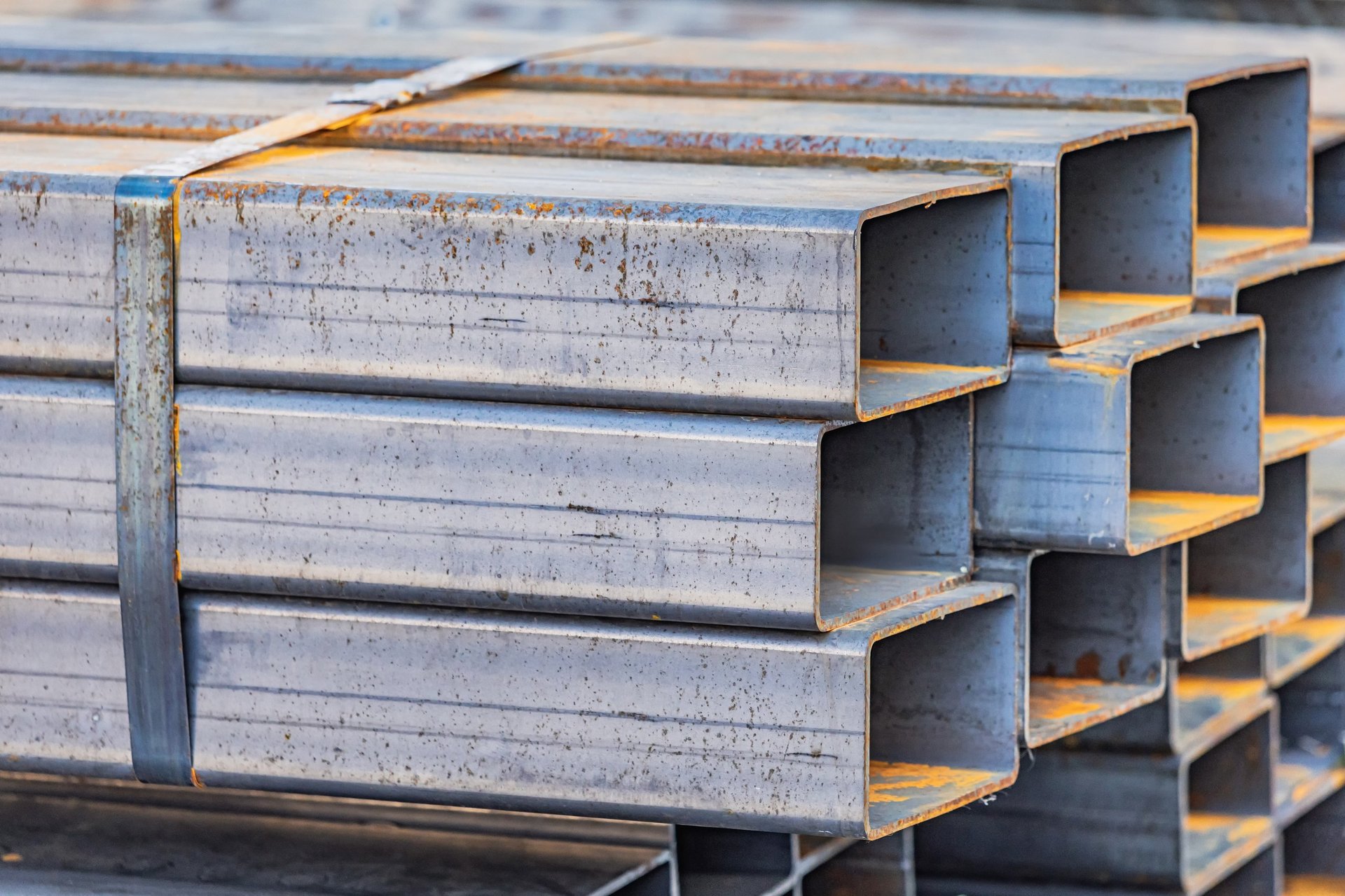 Document handoff
| Requested document / evidence | What it proves | When required | Status |
|---|---|---|---|
| Mill test certificate (MTC) | Confirms the delivered heat/grade chemical and mechanical properties against the standard edition. | Requested on the RFQ; issued with the order. | Quotation-dependent — requested, not assumed. |
| Inspection documents (third-party or project) | Independent check of identity, dimensions, mass and marking against the specification. | When the project names an inspection clause. | Quotation- and project- dependent. |
| Packing and marking record | Ties the identification tags to the shipped bundles and the document set. | With delivery. | Confirmed at commercial handoff. |
No MTC, certificate, heat number or approval is claimed on this page. The document set available for an order is confirmed on the commercial desk against the standard edition, the destination and the project's inspection clause.
Application & Industry Decision Paths
Map the operating condition to the channel series, grade and standard
Each related application changes what channel-series geometry and standard must be carried into the RFQ. Follow the route when the operating condition raises a field to verify — engine altitudes, load and fabrication conditions, and inspection clauses all move the specification even when the nominal depth looks the same.
Offshore platforms
Corrosion, loading and inspection clauses on marine exposure raise strict verification of the exact channel series, grade, standard and document set.
Offshore structural steel supplierIndustrial buildings
Roof and framing channels carry the designation, grade and standard forward; cut-length and splice/fabrication notes drive the schedule.
Structural steel for industrial buildingsInfrastructure
Specification and inspection traceability across the structure keeps the exact channel designation and standard consistent member to member.
Structural steel for infrastructureGCC Markets and Destination Planning
Destination and document inputs come before the RFQ is final
Each structural steel destination changes the RFQ fields even when the channel designation is identical — importer and clearance details, document questions, Incoterm and named place, and delivery-location inputs. These are planned per destination, never bundled into a generic market claim.

United Arab Emirates
Confirm the delivery emirate, importer and clearance inputs and Incoterm named place for a UAE steel channel delivery.

Oman
Confirm the delivery location, import documentation and Incoterm arrangements for an Oman steel channel order.

Qatar
Confirm the delivery location, document set and named place for a Qatar steel channel delivery.

Saudi Arabia
Confirm the delivery city, import documentation and Incoterm arrangements for a Saudi steel channel order.

Bahrain
Confirm the delivery port/location, documents and named place for a Bahrain steel channel order.

Kuwait
Confirm import, clearance and Incoterm inputs for a Kuwait steel channel delivery.
Destination readiness is coordinated on the commercial desk. A route existing for a country does not imply a warehouse, branch, live stock or guaranteed service presence there — availability, documents and delivery terms are confirmed on quotation.
Commercial, Logistics and Availability Inputs
Price on request — every commercial input stays quotation-dependent
No live stock, price, lead time, origin, port or delivery claim is made here. The commercial review is driven by what the buyer supplies: ordered quantity, cut lengths, packing, inspection/document requirements, destination, Incoterm named place, requested date, freight and availability.
Order basis
Exact channel family, designation, dimensions, mass, grade and length set the quote basis. Quantity, destination and Incoterm named place then set the landed figure — all confirmed on the commercial desk.
Length, packing & documents
Confirm cut lengths, packing and the inspection/document set so the quoted mass and freight dimension match the certified product you receive.
Availability & lead time
Availability and lead time are answered against the real position at the time of enquiry — mill allocation, forwarding schedule and destination all move the date. Never stated as guaranteed in advance.
Requesting a quote — send the channel family, designation, grade, standard, dimensions, quantity, cut lengths, destination and Incoterm named place. The commercial department confirms availability, documents and delivery terms, then returns a firm offer on that basis. Price on request.
Related Products & Technical Resources
Verification and comparison resources for the channel decision
Carry the exact channel-series geometry into the RFQ with the reference chart, and use the structural-steel weight chart when the section mass basis must be checked against your order. These resources are decision aids, not structural or substitution approval.
Steel channel sizes
Read the channel-series dimensions and mass series so the exact designation and geometry are carried into the RFQ against the standard table.
Steel channel sizesStructural steel weight chart
Check the section mass-per-metre basis against the order when freight weight, packing and cut schedule must match the certified product.
Structural steel weight chartStructural steel hub
Return to the structural-steel section to compare channels with the full listed range — beams, columns and the linked grade and standard pages.
Structural steel supplierExpert Insight — Source-backed Decision Aid
Which source should change the channel-series decision?
The channel-series geometry and standard boundary should be decided against the authoritative section dataset — not against appearance, nominal depth or country practice.
British Standards Institution — BS EN 10365:2026
Hot rolled steel channels, I and H sections — Dimensions and masses
To verify a Steel Channel designation, use only the dimensions, masses and designation/property fields published in the cited section dataset/standard. Preserve the source version and unit system with each lookup, and do not convert geometry into an unverified load-capacity statement.
Method
Source-backed procurement decision note with verify-first boundary. Use only dimensions, masses and designation/property fields published in the cited section dataset/standard; preserve source version and unit system; do not convert geometry into a load-capacity statement.
Scope & limitations
Scope: dimensional and designation verification relevant to Steel Channel; procurement support only, not structural design approval or substitution engineering.
- Published section dimensions do not by themselves establish structural capacity or project suitability.
- Availability, mill tolerances, grade compatibility and accepted substitutions must be checked against the project specification and supplier documentation.
Buyer implication
Carry the exact sourced section designation into the RFQ and require engineering approval for any proposed cross-series or cross-standard substitution.
Evidence-led Buyer Advantages
Buyer concerns map to verifiable evidence, then to a procurement outcome
Each concern below is met with the evidence required to verify it and the practical outcome for your order. No unsupported superiority claim is made — the value is in the verification, not a badge.
Concern · Wrong-series substitution
Evidence required: Exact channel family (UPN/UPE/PFC) and designation carried into the RFQ.
Procurement outcome: The delivered section is checked against the standard chart, and cross-series substitution needs engineering approval — not guesswork.
Concern · Grade traceability
Evidence required: Grade and standard named on the RFQ; mill test certificate requested.
Procurement outcome: The heat/grade chemical and mechanical basis is verifiable against the standard edition.
Concern · Dimension verification
Evidence required: Web depth, flange width and mass per metre on the RFQ.
Procurement outcome: The delivered geometry and section mass are confirmed against the section standard chart.
Concern · Document completeness
Evidence required: Inspection and packing/document set agreed at quotation.
Procurement outcome: The document set matches the order before delivery, with no unsupported certificate claimed.
From Enquiry to Delivery
A route-aware workflow from enquiry to handoff
Every steel channel order moves through the same controlled steps. At each stage the buyer input, the verification output, the risk if it is missing and the next action are named — no timing is promised.
1 · Enquiry
Buyer input: Channel family, designation, grade, standard, quantity, cut lengths, destination.
Verification output: A RFQ line is opened.
Risk if missing: Missing details risk a wrong-series quote.
Next action: Complete the designation and dimensions.
2 · Technical clarification
Buyer input: Service conditions, fabrication/splice notes, document requirements.
Verification output: The spec boundary is set.
Risk if missing: Unstated conditions risk the wrong geometry.
Next action: Confirm the exact section basis.
3 · Evidence check
Buyer input: Confirm which documents are requested.
Verification output: The verification trail is agreed.
Risk if missing: No documents risk an unchanged claim.
Next action: Request MTC / inspection set.
4 · Commercial review
Buyer input: Destination, Incoterm named place, requested date, packing.
Verification output: Availability, documents and delivery terms are returned.
Risk if missing: Missing inputs risk a re-quote.
Next action: Return a firm offer — price on request.
5 · Order / document handoff
Buyer input: Confirm the order, documents and delivery schedule.
Verification output: The delivered channel is verified against the order.
Risk if missing: A loose handoff risks a certificate mismatch.
Next action: Check dimensions and documents on arrival.
Buyer FAQ
Post-decision questions on the channel purchase
Route-specific questions for buyers who have already decided to specify steel channel. Prices and stock remain on request.
What exact designation fields prevent a wrong-series substitution?
The channel family (UPN, UPE or PFC) plus the exact designation, web depth, flange width and mass per metre. Naming only a nominal depth leaves the series ambiguous and invites a same-depth but non-equivalent substitution — carry the full field set into the RFQ.
Which dimensional standard should govern the section?
The section-dimensional standard that governs the channel designation and tolerances — the same authority a beam or column uses in the frame. Name the exact edition on the RFQ so dimensions and mass are read from one controlling table, not from appearance or country practice.
How should grade and section standard be paired on the RFQ?
Keep them separate: one field for the material grade (for example S355J2) and one for the governing material/product and section-dimensional standard (for example the EN 10025 family). They verify different things and are read from different sources.
Can a same-depth alternative be treated as equivalent?
No. Dimensional similarity or equal nominal depth never establishes engineering equivalence. A proposed cross-series or cross-standard substitution requires engineering approval from the project and confirmation against the section standard and supplier documentation.
Which documents and cut-length fields belong in the enquiry?
Include the length and piece count, any cut-length or packing instruction, and the inspection/document set you want — such as the mill test certificate or a third-party inspection clause. These confirm the delivered geometry, mass and grade against the order.
Qualified RFQ Handoff
Complete and copy a quote-ready RFQ for Steel Channel
Assemble the resolved channel decision into a copyable summary. Missing fields stay marked as unknown / verify — never auto-filled. Submit scrolls to the RFQ page with the exact product, grade, dimensions, quantity, destination, Incoterm, date and document inputs.
Your RFQ basis
No rows yet. Add channel schedule rows in the Comparator above, then copy this RFQ summary and transfer it to the Request a Quote form.
Required handoff fields: exact product/form or member designation · grade/standard · dimensions/length · quantity and unit · project/application reference · fabrication/finish/toughness requirements if project-specified · inspection/document requirements · destination/delivery point · Incoterm plus named place when relevant · requested delivery date · buyer notes. Fields you have not supplied remain "unknown / verify" and are confirmed at RFQ.
Price on request · No contact person, email or phone is asserted here — the commercial department replies to the RFQ.