
Application · Boiler Steel Pipe
Boiler Steel Pipe Supplier
For boiler and power-piping service, select pipe from the governing boiler/power piping design requirements, temperature/pressure, material specification, grade, wall, fabrication/heat treatment, examination, testing, and documentation. High-temperature suitability must be evidenced, not assumed from a generic “boiler pipe” label.
- Fluid / service & phase
- Design pressure/temp
- Governing code / owner spec
- Material & grade
- Wall, fabrication & heat treatment
- Examination, testing & documents
RFQ-readiness: a boiler steel pipe order becomes quotable only when the service, governing code, material, grade, wall, fabrication/heat treatment and document set are explicit, and high-temperature suitability is evidenced. Use the Service-to-Specification Checker to build the qualified specification, then transfer it to the RFQ.
Price on request — availability, certificates and lead time confirmed from your full, evidenced specification
Requirements
What defines a boiler steel pipe spec
A serious boiler steel pipe RFQ readies the mandatory fields. Work through them so the material, grade, wall, fabrication and test scope follow from the power-piping basis and the design rather than from the assumption of a standard product.
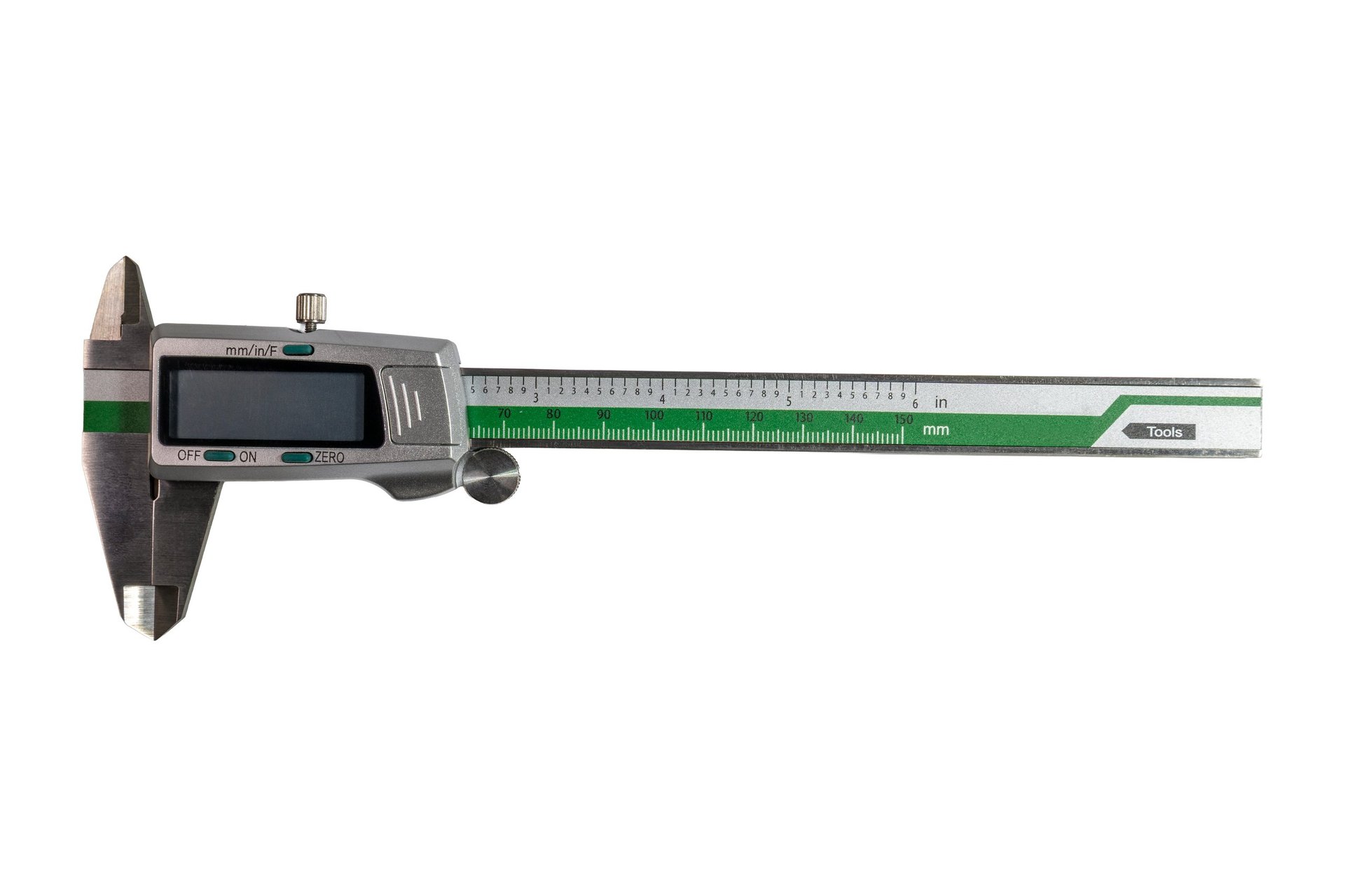
Fluid/service & phase
Steam, hot water, feedwater, or high-temperature service and its phase. Service frames the governing code and the pipe scope — confirm it before any material claim.
Design pressure & temperature
Design pressure and temperature per the governing boiler/power-piping code. High-temperature suitability must be evidenced, never inferred from the nominal size.
Governing code / owner spec
The governing power-piping or boiler design basis and the project or owner specification with edition. The code frames material, grade, wall, fabrication, testing and documents.
Corrosion / environment
Feedwater conditions, steam chemistry, condensate, external corrosion or elevated creep service alter material, wall, heat treatment and testing obligations. Escalate a demanding condition to technical review.
Material & grade
The material and the exact grade under the invoked product standard and edition — never selected without a code basis, and high-temperature certified before acceptance.
Dimensions & wall
NPS/DN, OD, wall or schedule follow the design basis and the invoked standard. Confirm them explicitly in the RFQ.
Fabrication & route
Manufacturing route and any fabrication or heat-treatment requirement change the applicable checks and the RFQ line — state them explicitly.
Examination, testing & documents
Examination, inspection, testing and document obligations are set by the governing standard and project code, and confirmed at quotation.
Interactive decision tool
Boiler Steel Pipe Service-to-Specification Checker
State the power-piping service and governing code; the checker returns a fit/verify-first signal, the candidate paths and the missing fields, and builds a qualified RFQ brief you can copy and transfer.
Fit & verification signal
Service and design inputs required
Boiler steel pipe cannot be specified from the product name alone. State the fluid/service and phase, the design pressure and temperature, and the governing code or owner specification — for example a power-piping or boiler design basis — before any material, grade, wall or dimension is proposed. High-temperature suitability must be evidenced, not assumed from a generic label.
On the scope boundary
The checker does not calculate final design pressure capability and does not select a material or grade without a governing code or owner specification, and does not imply high-temperature suitability without evidence. Unresolved or conflicting service inputs go to technical review.
Qualified RFQ brief
The complete, copyable brief to hand to technical review and the RFQ. All assumptions are explicit.
| Field | Value |
|---|---|
| Product / entity | Boiler Steel Pipe |
| Manufacturing route | — |
| Material | — |
| Standard and edition | — |
| Grade / PSL / type | — |
| NPS / DN / OD | — |
| Schedule or wall thickness | — |
| Service / design conditions | — |
| Coating / lining / finish | — |
| Testing / inspection | — |
| Document / MTC requirements | — |
| Quantity / unit | — |
| Packing | as quoted |
| Destination country / city / port or named place | — |
| Incoterm | to confirm |
| Requested delivery date | — |
Selection path
Boiler steel pipe shortlist
Material scope
Carbon and alloy for power-piping service
The material family is judged from the power-piping service and the governing code — carbon steel for general boiler-external and moderate service, and alloy where elevated temperature, creep or process chemistry demand it. The selection pages hold the material families this site can carry into an RFQ; the fit is still decided by service, and high-temperature suitability must be evidenced.
Specification basis
Manufacturing route and a governing standard
Where the governing document invokes a carbon-steel power-piping basis — such as ASTM A106 under a project code — the requested material and grade are confirmed against the code and the design; for elevated service an alloy basis such as an ASTM A335 family may apply. Route and dimensions follow the design basis; the fit is still decided by service with high-temperature evidence required.
Selection is never final from the page alone — the checker holds the fit decision, and a demanding or missing input escalates to technical review under the governing code.
Materials · standards · sizes · testing
Confirming the boiler steel pipe detail
The material, grade, wall, manufacturing route and heat-treatment condition are confirmed together, always under the invoked standard and edition named in the RFQ. High-temperature suitability is evidenced, not assumed.
Material, grade and route under the code
Material & grade under the product standard. The exact material and grade under the invoked product standard and edition is confirmed against the governing code. Material and grade are never decided by the service name alone, and high-temperature suitability is not implied without evidence.
Manufacturing route & heat treatment. Seamless or welded, plus any fabrication or heat-treatment condition, changes the applicable checks and the RFQ line. State both explicitly; they are part of the specification, not a default.
Dimensions, wall & schedule. NPS/DN, OD and wall or schedule follow the design pressure and temperature — never inferred from the nominal size.
Evidence warning for technical values
No grade, wall, or mechanical value is proposed on this page as a design conclusion. Every value you specify in the RFQ must be tied to the governing code, the invoked product standard and edition, and the supplier's mill certificate — and high-temperature suitability must be shown, not stated. Confirm the product-standard scope and ordering fields before committing to a grade or manufacturing route.
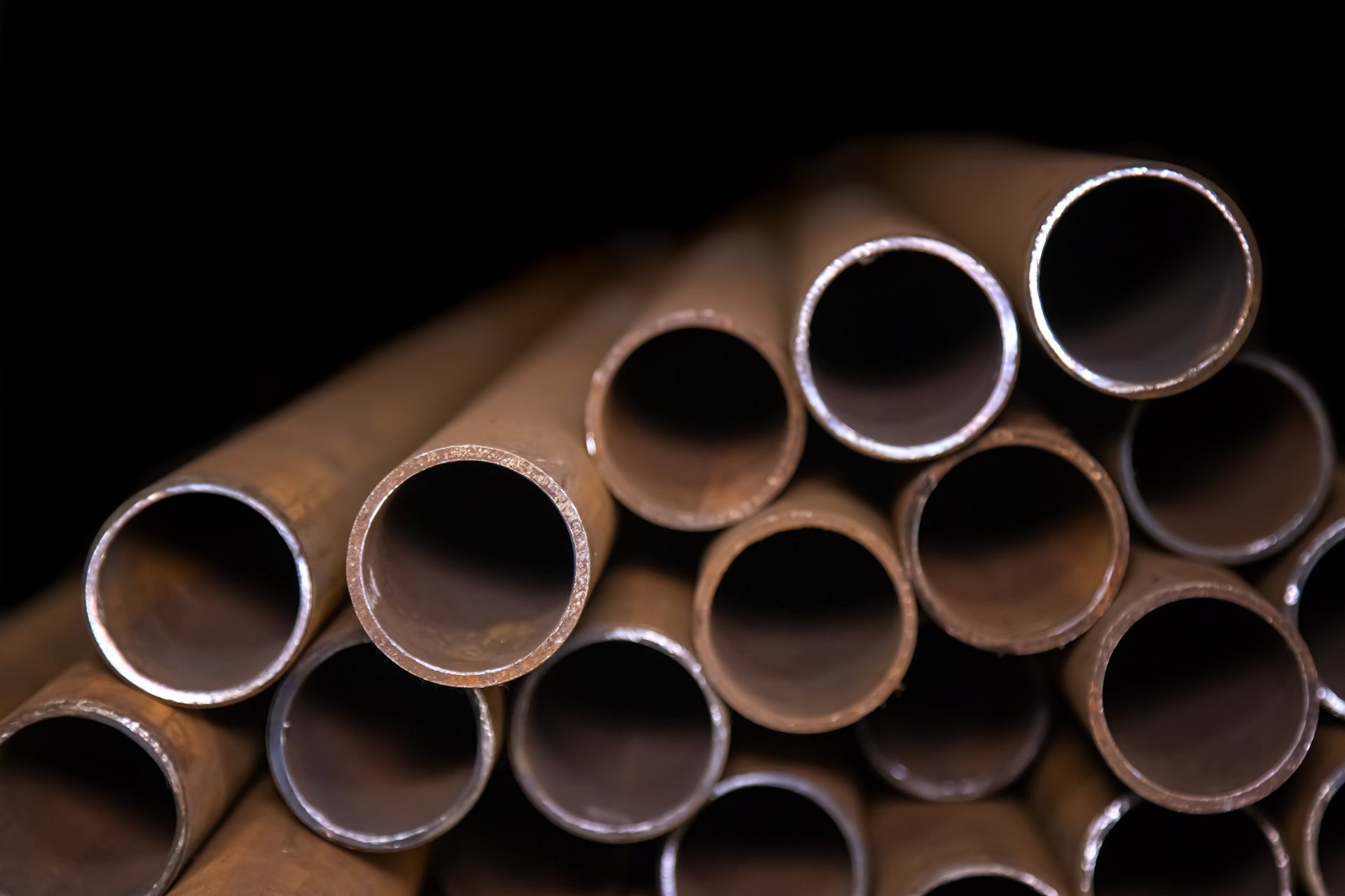
Dimension, material, grade and wall are confirmed under the governing code and the invoked standard and edition — never assumed from the family name, with high-temperature suitability evidenced.
Verification & documents
Examination, tests and the certificate set
Mill test certificate (MTC)
Chemical and mechanical test values matched to the heat, material, grade, process route and size shipped.
Request with every consignment; values are shipment-specific.
Chemistry & mechanical records
Composition and mechanical properties confirmed against the invoked standard and design code, including high-temperature certification where required.
Confirm at order against the governing standard's acceptance criteria.
Dimension & wall tolerance report
OD, wall and schedule controlled to the standard's tolerance limits.
Confirm at order against the governing edition's permitted tolerances.
Hydrostatic / NDT test record
Pressure-acceptance and non-destructive examination evidence per the code and standard.
Set by the governing standard and the project design code — confirm at quotation.
NDE / NDT & examination
Non-destructive examination and material examination where the standard or a supplementary requirement calls for it.
Fixed by the governing standard and any added requirements — confirm at quotation, never assumed.
Fabrication / heat-treatment confirmation
Heat treatment or fabrication condition matched to the service and the order requirement.
Confirm the heat-treatment/fabrication condition at quotation; never assumed.
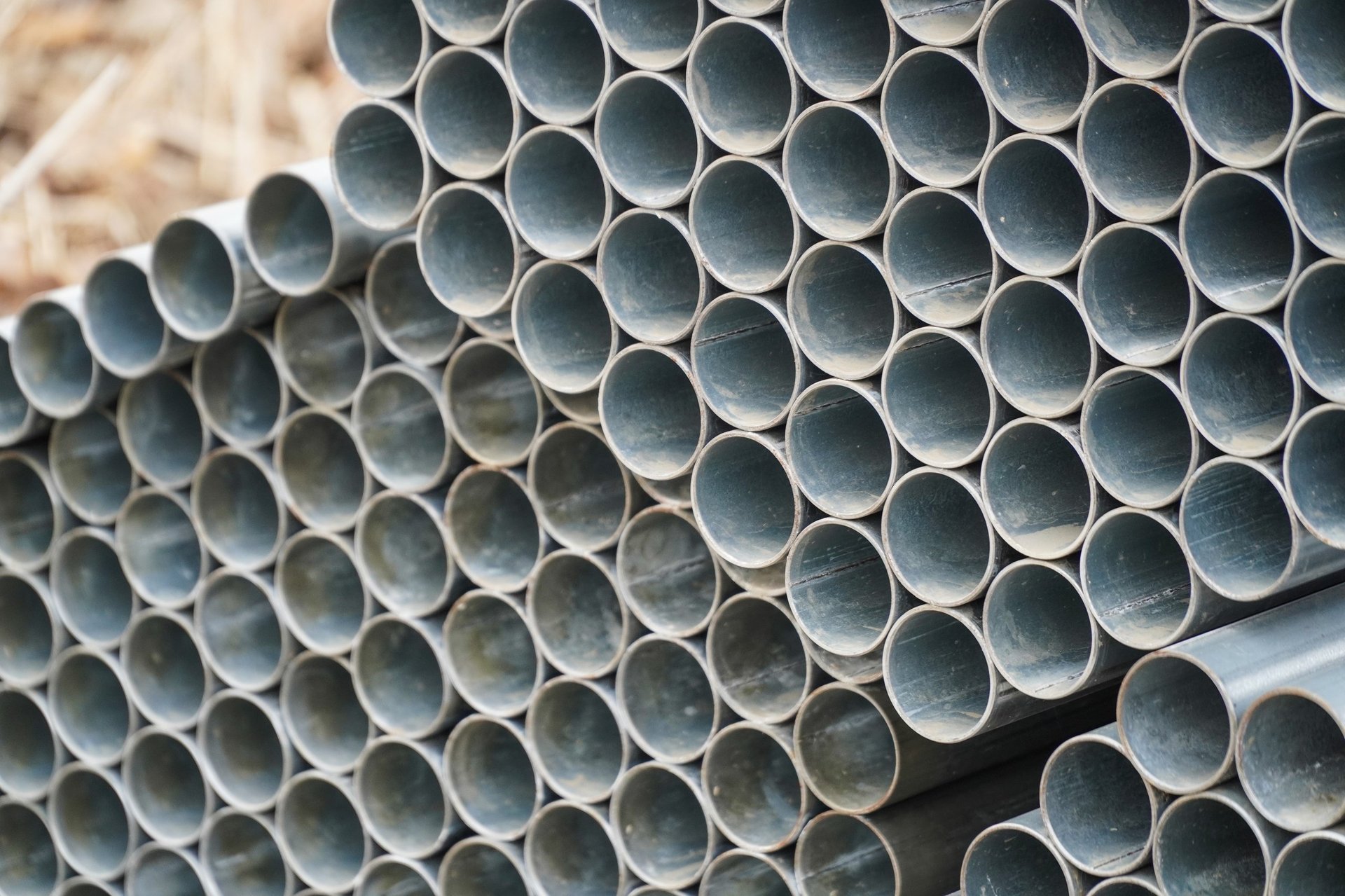
Documents are requested, never assumed
A boiler steel pipe order is only complete when the examination, test and document scope is stated with it. Every certificate above is confirmed at order or quotation against the governing standard; none is offered as a fixed default, and no origin, stock or lead-time fact is published. High-temperature suitability is evidenced through the material, examination and test records — never asserted.
Commercial
Pricing, quantity and delivery are confirmed on request
Price on request
No published prices. The quotation follows the full specification — material, grade, wall, fabrication, dimensions, testing, documents, quantity and delivery.
Quantity & unit
State the unit — tonnes or lengths — with the required size and wall. Quantity is part of the RFQ, never implied by the family name.
Destination & delivery
Provide the destination country / city / port or named place, the Incoterm, and the requested delivery date so the quotation and document plan are aligned.
Document travellers
Confirm the MTC, examination and test certificate scope at quotation. The document set travels with the consignment, sorted by heat, material, grade and lot.
Pair the requirement with the reference you use
When a governing code or owner specification is stated, use the matching verification reference so dimensions, schedule and wall context are checked against the right basis.
Expert insight
Why the design basis, not the family name, decides the pipe
Power piping is judged against a fixed basis
A boiler steel pipe requirement is judged against a fixed power-piping basis. ASME B31.1 — Power Piping — frames the design, materials, fabrication, examination, inspection, testing, operation and maintenance of piping systems within its scope, including specified boiler-external piping. The governing code, the owner/design specification and the applicable material standard together determine the product standard, the material and grade, the wall and the test and document set; none of these is a property of the product name, and high-temperature suitability is evidenced, not assumed. Reference reviewed 2026-09-04; the ASME page identifies B31.1-2024.
That is why the Service-to-Specification Checker refuses to select a grade or draw a pressure conclusion without a stated code. The verification boundary is explicit rather than implied.
The verification boundary is explicit
This page and its tool publish no price, stock, lead time, origin, certificate or client claim, and offer no grade derivation from a pressure figure. The commercial team confirms availability, certificates and lead time from your full, stated specification — only after the service, code and document scope are explicit and high-temperature suitability is evidenced.
When a demanding condition is present without a code or material-grade basis, the fit signal escalates to technical review with the precise missing input stated, and the RFQ carries that condition rather than asserting suitability.
Why this approach
A specification that cannot quietly drift
Ordering "boiler steel pipe" without the code or high-temperature material/grade basis
The page and checker force the service, governing code, design basis and material/grade to be explicit — the fields that turn a request into a quoteable specification — and refuse a grade selection without a code basis or a high-temperature certification.
An RFQ that states the service, design pressure/temperature, code, material, grade, wall, heat treatment, examination and documents rather than a product name alone.
Treating one pipe standard or material as an automatic substitute for another
The direct answer and selection logic keep boiler pipe within the power-piping service scope and decline an unapproved substitution across materials, standards or manufacturing routes.
A service-correct selection — the governing code and high-temperature evidence decide the fit, never an assumed equivalent grade or material.
Deriving design pressure capability or a confirmed grade from the tool
The checker does not calculate final design pressure capability and does not present a confirmed grade without a code/specification basis; demanding or incompatible service inputs are escalated to technical review.
A scope-checked decision where the verification boundary is explicit rather than a fabricated number.
Assuming certificates, stock, coating or lead time from partial inputs
The document matrix ties each certificate, the wall, the heat treatment and the test obligation to what it verifies and when it is confirmed; no stock, price, origin or lead-time fact is published.
A complete, shipment-specific test, examination and document request.
Hiding logistics assumptions inside a price request
The commercial section turns quantity, destination, port, Incoterm and dates into an explicit RFQ so delivery assumptions are visible and auditable.
A logistics-explicit quotation that another engineer or buyer can audit.
Order path
From requirement to closed-out consignment
- 1
Requirement
Input · Service, governing code, design pressure/temperature, fluid/phase.
Outcome: Scope confirmed against the power-piping basis.
- 2
Specification review
Input · Code, material, grade, wall, route, heat treatment, dimensions.
Outcome: Material, grade, wall and heat treatment reconciled to the standard.
- 3
Quotation
Input · Quantity, Incoterm, destination, date.
Outcome: Availability and pricing on request.
- 4
Order
Input · Purchase order vs quotation.
Outcome: Order held to quoted spec.
- 5
Examination & documents
Input · Required tests, examination, inspection scope and documents.
Outcome: MTC, hydrostatic and NDE records verified.
- 6
Heat treatment / finish
Input · Heat treatment, end finish, coating, bundling.
Outcome: Product dressed to spec.
- 7
Packing
Input · Bundling, tagging, lashing.
Outcome: Bundled and tagged by material, grade, size and lot.
- 8
Shipping
Input · Incoterm, port, documents.
Outcome: Coordinated to destination.
- 9
Delivery & follow-up
Input · Site handover, closed-out docs.
Outcome: Handed to site with documents.
FAQ
Boiler steel pipe — the questions buyers ask
Which service conditions decide steel-pipe suitability for Boiler Steel Pipe?
Suitability starts from the service and governing basis: the fluid/service and phase (steam, hot water, feedwater), the design pressure and temperature, the governing boreler/power-piping code or owner specification, the material and grade, the wall and schedule, the fabrication and heat-treatment condition, and the examination, testing and documents. High-temperature suitability must be evidenced, not assumed from a generic “boiler pipe” label. Every one of these must be stated before a pipe is proposed; none is inferred from the product name.
Which governing code or owner specification should be stated in the RFQ?
State the governing code, the project or owner specification, and the invoked product standard with its edition — for example a power-piping basis such as ASME B31.1, or a project specification with an ASME, ASTM or ISO basis. The code and edition frame the material, grade, wall, fabrication, examination, inspection, testing and documents, so naming them turns the service into a quoteable specification rather than a family-level request.
How do material, grade, manufacturing route, and wall thickness interact in this service?
They are decided together under the governing code. The material and grade must be certified against the product standard for the stated service — with high-temperature evidence where elevated service demands it; the manufacturing route plus any fabrication or heat-treatment condition changes the applicable checks and the RFQ line; and the wall or schedule follows from the design pressure and temperature. No single field is selected on the service name alone — all are reconciled against the design basis.
Which tests and documents should be specified rather than assumed?
Specify the mill test certificate, chemistry and mechanical test records, the dimensional and wall-tolerance report, and any hydrostatic or non-destructive examination (NDE/NDT) required by the standard and the project code, plus any heat-treatment or fabrication confirmation. The exact test and document set is set by the governing standard and the project design code and is confirmed at quotation — it is shipment- and standard-dependent rather than a fixed default list.
When should the buyer request technical review instead of choosing a listed grade directly?
Request technical review when a demanding or incompatible condition is present — elevated-temperature creep service, high-pressure/high-temperature, corrosive feedwater, where no governing code or owner specification has been fixed, or where high-temperature suitability cannot yet be evidenced. The mapper does not select a grade or calculate pressure capability without a code basis, so an unresolved service or a conflicting input goes to technical review with the specific gap stated, and the RFQ carries that condition rather than asserting suitability.
Request a quote
Request a quote for Boiler Steel Pipe
Send the qualified specification — service, governing code, material, grade, wall, fabrication/heat treatment, dimensions, testing, documents, quantity and destination. Price remains on request; availability, certificates and lead time are confirmed from the full, evidenced specification.
What to send
The more fields you complete in the Service-to-Specification Checker, the faster the commercial team can confirm availability, certificates and lead time. Paste the copied brief straight into the message, or use the form fields below.
Response & documents
Response times, certificate sets and lead time are confirmed per project. No stock, origin or price figure is published.
Applications
Where boiler steel pipe is deployed
Power Generation
Power-plant piping judged against the design basis, material, grade, wall and inspection for the stated service.
Open applicationPetrochemical
Process-plant piping where material, grade and documents follow the owner specification and governing standard.
Open applicationOil & Gas
Pipeline and plant piping judged against the design basis, grade/PSL, dimensions, coating and inspection for the stated service.
Open applicationScope
The boiler steel pipe material scope on this page
Carbon steel power-piping
General boiler-external and moderate power-piping service, judged by design pressure, temperature and the governing code with a certified material and grade. Carbon steel pipe is confirmed against the stated basis.
Alloy for elevated service
Where elevated temperature, creep or process chemistry demand more than carbon steel, alloy steel pipe is confirmed against the service and the code, with high-temperature suitability evidenced.
Seamless process pipe
Manufacturing route and heat treatment are part of the specification. Seamless steel pipe is a common route for power-piping service; state the route and condition since the process changes the checks, the RFQ line and the documents.
Operating conditions
This page guides the specification — the code confirms suitability
The Service-to-Specification Checker and the paths on this page qualify an RFQ; they do not certify, design or approve boiler or power piping. Final pipe suitability, material, grading, wall, fabrication and pressure compliance are confirmed by the contractor, the design engineer and the governing code. No price, origin, stock, certificate or client claim is published anywhere, and high-temperature suitability is evidenced rather than asserted.
When a demanding or conflicting input is present, the fit signal escalates to technical review with the precise missing field stated, keeping the engineering responsibility where it belongs.
Who confirms what
Noor Deira Steel: supplies and documents to the confirmed specification — items it can actually source and certify.
Design engineer / contractor: confirms the final material, grade, wall, fabrication, heat treatment, examination, inspection and installation against the governing code and the project basis.
QA & compliance
Ordering, QA and lead time
Order basis & MTC
Orders are held to the quoted specification — service, code, material, grade, wall, route, heat treatment, examination, testing and documents — with the MTC and test set sorted by heat, lot and grade.
Compliance & lead time
Compliance, availability and lead time are confirmed against the full specification and the requested delivery date. No stock level, compliance or lead-time figure is published.
Working hours
Monday – Saturday: 8.00 AM – 6.00 PM · Sunday: Closed. Submit the RFQ any time — it is delivered to the commercial team automatically.
Procurement checklist
Contact the commercial department
+971 56 398 0860Email
sales@noordeirasteel.ae
Office 3303, Churchill Executive Tower, Business Bay, Dubai, United Arab Emirates
Markets
Boiler steel pipe across the GCC
Noor Deira Steel coordinates boiler steel pipe supply and documentation for buyers across the GCC.

United Arab Emirates
Reconcile the governing code, material, grade, size, wall and documents against the project requirement and plan domestic delivery to site, stockist or fabricator.
Request a quote
Saudi Arabia
State the governing code, material, grade, product standard and inspection scope plus the delivery base so the quotation matches the requirement.
Request a quote
Qatar
Confirm code, material, grade, quantity and delivery window so documents and logistics stay aligned to the order.
Request a quote
Kuwait
Provide destination and Incoterm so the document and delivery plan can be aligned to the order.
Request a quote
Bahrain
Confirm contract terms, certificates and delivery base before quotation.
Request a quote
Oman
Provide destination, required documents and delivery date so quotation can be fixed.
Request a quote