Method Scope — Not a Feed Specification

ISO 4700 — crushing strength of fired pellets

ISO 4700 determines how much compressive load an individual fired iron ore pellet withstands before it fails. The material it describes is the indurated pellet — a finished product that has already been through a plant's thermal cycle.

That boundary is where most misreadings start. A crushing-strength result is frequently circulated with a pellet feed offer as though it vouched for the feedstock. It does not. This page sets out what the method covers, what sits outside it, and what to ask for instead.

This page explains the method's scope. It states no strength value, no acceptance limit and no test result of any kind.

What the method applies to

One measurement, taken on one kind of material

Read plainly, ISO 4700 answers a narrow question well. The difficulty is not in the method — it is in the assumption that a result obtained on pellets can be carried across to something else.

In scope

  • Compressive load at which an individual fired pellet fails.
  • Pellets that have completed the plant's induration cycle.
  • A stated size fraction of those pellets.
  • A defined number of individual pellet tests.

Outside it

  • Raw feed, fines, concentrate or any pre-induration material.
  • Lump ore and sinter, which have no crushing-strength claim under this method.
  • Chemistry, reducibility, swelling or softening behaviour.
  • Whether a figure is acceptable for any particular furnace.
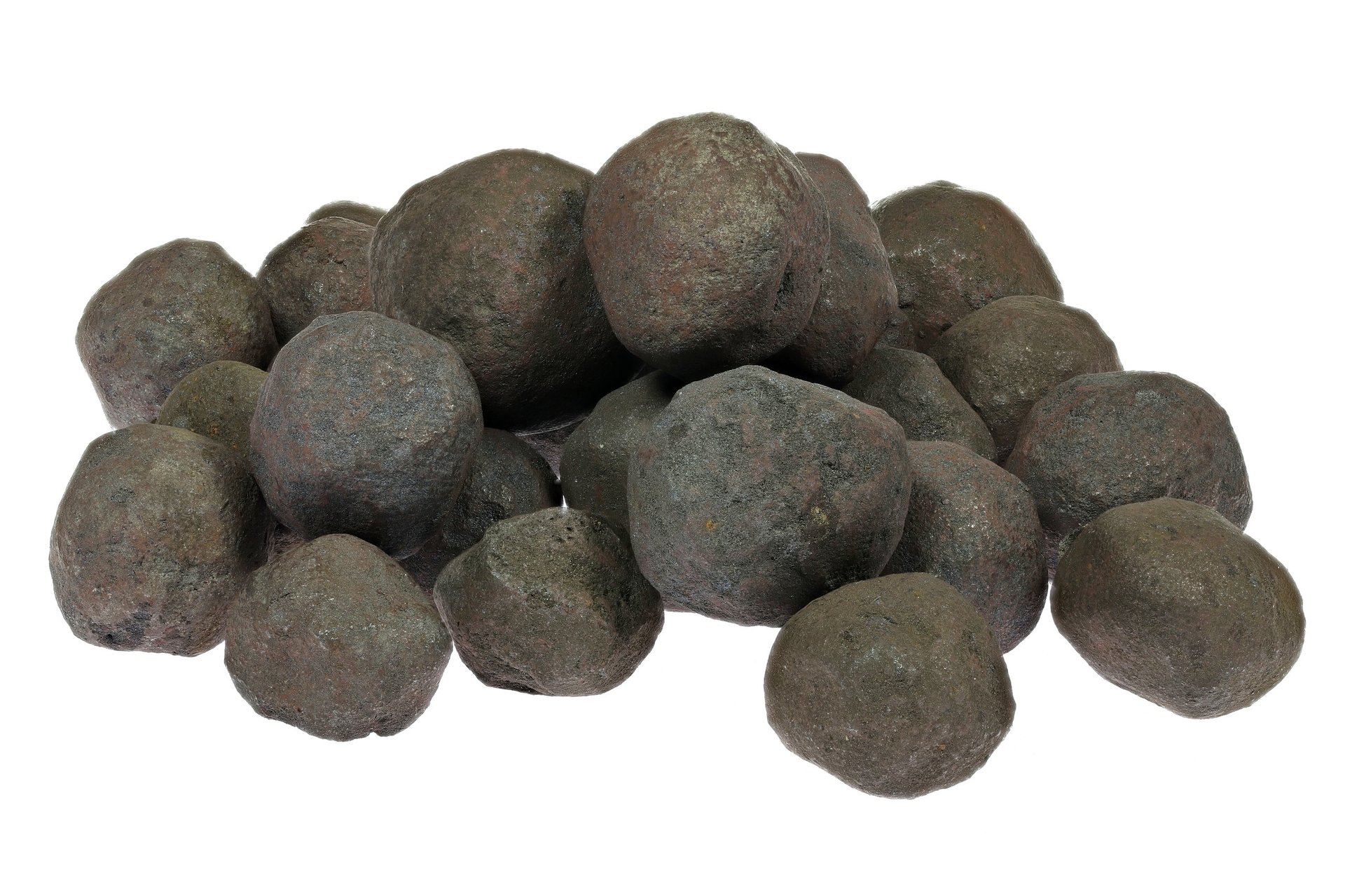
Close view of fired iron ore pellets, the material this method is taken on.
Fired pellets — the material the method applies to. The image shows no Noor Deira stock, plant or result, and no acceptance figure should be read from it.

Why the distinction matters commercially

A plant buys feed and sells pellets. Those are two different materials, tested on different properties, at different points in the process. When a strength figure travels with a feed offer, it usually came from pellets produced somewhere else — on a different feed, in a different plant, under a different thermal cycle.

That does not make the figure worthless. It makes it a description of the pellets that were tested. The question a feed buyer has to answer is whether the material on offer will produce pellets of that quality in their own circuit — and the strength of a sample made elsewhere cannot settle that on its own.

The practical consequence: keep the tested object and the offered object separate. Ask what was tested, where it was produced and from which feed. Then ask for the feedstock's own characteristics, which are the ones that actually bear on whether it will suit your circuit.

Where the method stops

Three ways a result gets over-read

Each of these is a boundary the method draws. Crossing it does not make the figure wrong — it makes the claim attached to it unsupported.

01

It measures fired pellets, not the feed they came from

Crushing strength is determined on indurated pellets that have already been through the plant's thermal cycle. It describes the product that went in for testing, so it cannot stand in for a feedstock's suitability. A strong result on one set of pellets says nothing about whether a different feed will ball or survive induration.

Applies to: fired pellet samples.
02

It has no claim on lump, fines or concentrate

The method is written for pellets. Lumps, fines, sinter feed and concentrate are outside it, so a crushing-strength figure cannot be reported for them without leaving the method's scope. Where a sinter or lump charge needs a handling measure, that is a different determination with a different index.

Applies to: pellets only.

03

It is a single property, not an acceptance verdict

A crushing-strength result describes one mechanical property of the tested pellets. It does not establish chemistry, reducibility, swelling behaviour or how the pellets will perform in a particular furnace. Reading it as a general pass mark for a material conflates one measurement with a whole specification.

Applies to: one property among several.

Scope check

Does this result actually cover the material you are buying?

Say what the result was obtained on and what you are being offered. The check reports whether the two are the same object — and where they are not, what the figure can and cannot support.

Nothing is pre-selected. Both answers are needed before the check can say anything.

Two answers needed

The check compares what a result was obtained on against what you are buying. Until both are stated there is nothing to compare, so no reading is offered.

Method and limits

  • No strength value, acceptance limit or test result is supplied, suggested or defaulted here.
  • The check reports whether a result's scope covers a material. It does not judge whether any figure is good enough for a furnace.
  • Nothing entered here is stored, transmitted or used to estimate stock, price or lead time.

Neighbouring methods

What the other common iron ore tests do

These are the determinations most often confused with each other on a certificate. Each answers a different question, and none of them substitutes for another.

Common iron ore test methods compared across the material each is taken on and the property each reports.
MethodTaken onReports
Crushing strengthFired pelletsThe compressive load an individual pellet withstands before failing.
Tumble and abrasionLump ore and sinterHow much a sized charge breaks down as it is tumbled and handled.
Total iron contentA prepared test portion of the oreThe total iron figure a grade claim or settlement is written against.
Sampling and preparationA defined lotNothing about the ore — it is what makes a later result defensible at all.
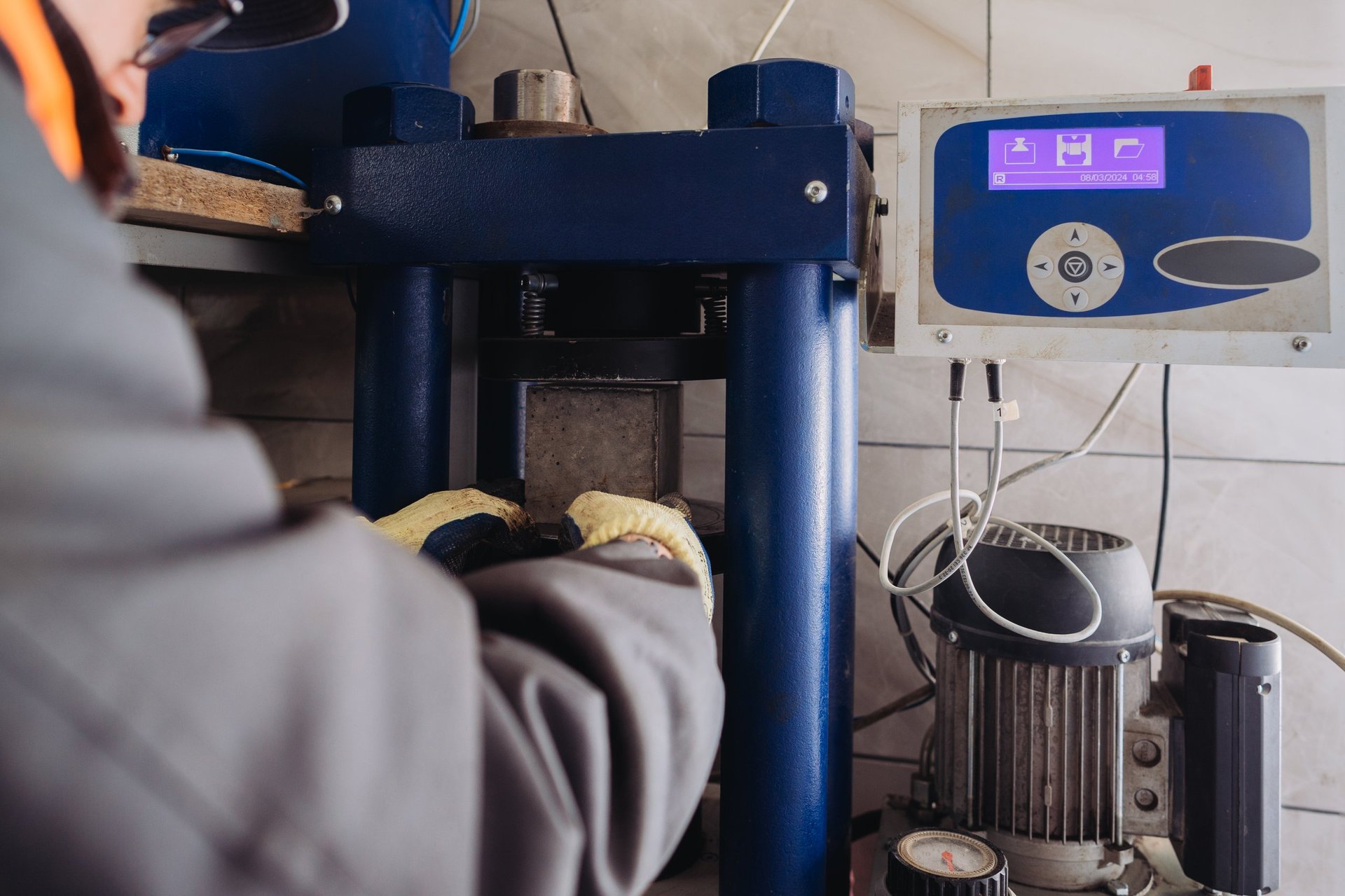
A prepared test portion being placed into a compressive testing machine.
A determination in progress. The image illustrates a laboratory step only and shows no Noor Deira sample, result or certificate.

A comparison of scope, not a ranking. No method here is better than another — each is the correct one for the question it was written to answer, taken on the material it was written for.

What to request

Ask for the method's own parameters, not just its output

A strength figure on its own cannot be compared with another, and cannot be tied to a material. The parameters below are what make it a result rather than a number.

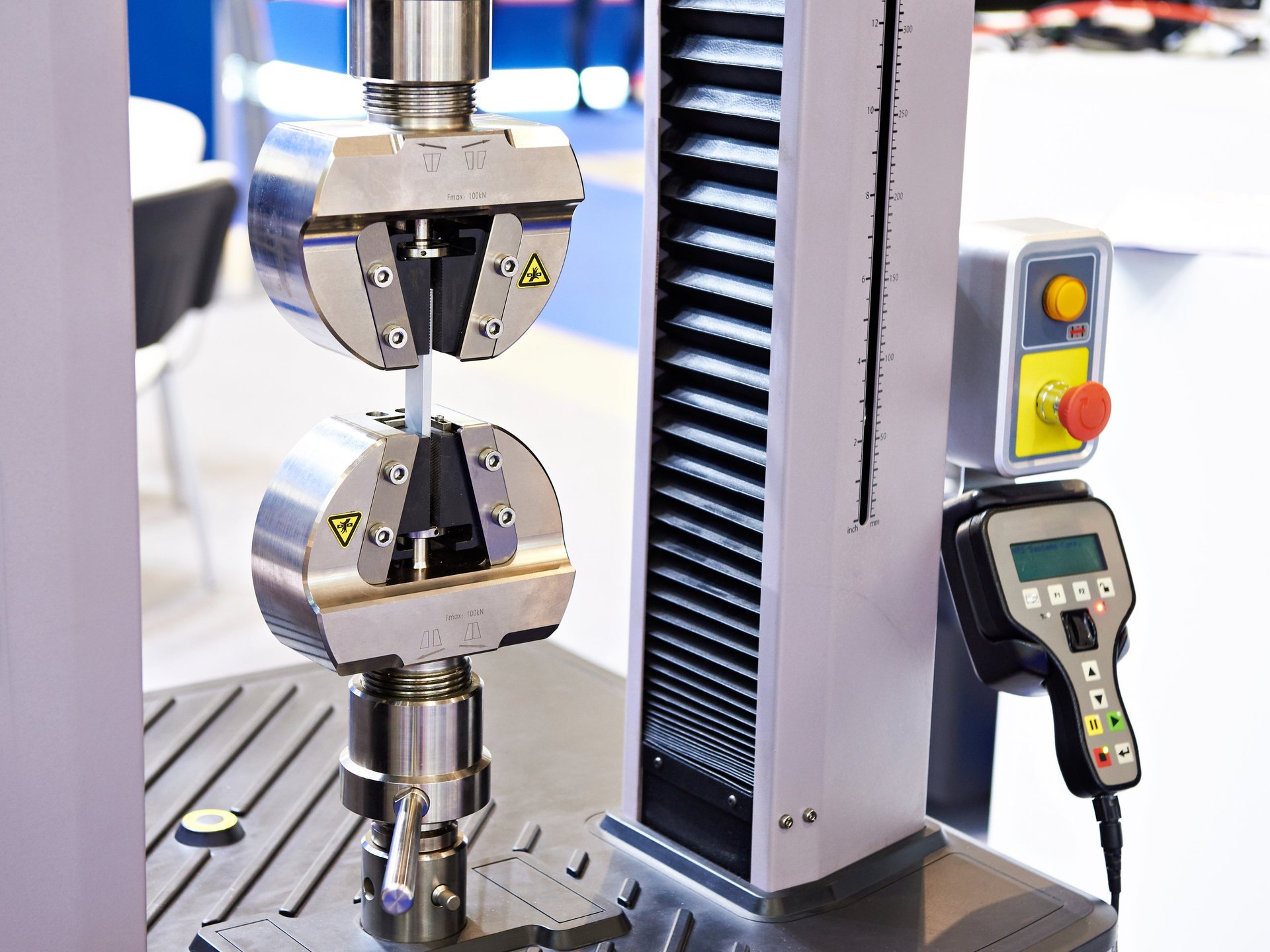
Laboratory crushing-machine equipment of the kind used to take a compressive test.
Testing equipment. The image identifies no laboratory, client or certificate, and reports no result.
  • The size fraction of the pellets tested

    Strength varies with pellet size. A figure reported without the fraction it was taken on cannot be placed beside another figure, because the two may describe different portions of the size range.

  • The edition of the method applied

    The procedure is not frozen across editions. State which one was used, because two laboratories applying different editions are not doing the same thing even when the title matches.

  • The number of individual tests behind the figure

    A reported value rests on a population of individual pellet tests. Without the count, the figure has no stated basis for comparison with another laboratory's result.

  • What the tested pellets were made from

    This is the question that decides whether the result is relevant at all. Where they came from a different feed, in a different plant, the figure describes that material and not yours.

  • The feedstock's own characteristics, separately

    If you are buying feed, ask for its sizing and distribution with the method, each gangue component stated separately, loss on ignition, and moisture with its mass basis. Those are the properties that bear on the route.

A note on scope: this page explains what the method covers and what it does not. It states no strength value, no acceptance threshold and no test result, and nothing here should be read as a limit your plant ought to apply.

Buyer FAQ

Questions that come up when a strength figure is on the table

These are the points buyers and plant teams raise once a crushing-strength result has been sent alongside an offer.

Does ISO 4700 apply to pellet feed or to pellets?
To fired pellets. The method determines the crushing strength of indurated pellets that have already been through the thermal cycle. It is not a test for the feedstock those pellets were made from, and a result obtained on finished pellets cannot be transferred back to an incoming feed as acceptance evidence. If you are buying feed, the properties that decide whether it suits the route are established before the pellets exist.
Can a crushing-strength figure be quoted for lump or sinter?
Not under this method. It is written for pellets, so lump ore, sinter, fines and concentrate sit outside its scope. Where a lump or sinter charge needs a measure of how it breaks down under handling, that is a different determination with its own preparation requirements and its own index. Quoting a crushing-strength number for a non-pellet material misdescribes what was tested.
What has to be fixed before an ISO 4700 result is meaningful?
The size fraction of the pellets tested, since strength varies with pellet size and an unsupported fraction cannot be compared against another result. The edition of the method being applied, because the procedure is not frozen across editions. The number of individual pellet tests behind the reported figure, since a value without its population is not comparable. And which samples were tested, so the result can be tied to the pellets it actually describes.
Is a crushing-strength result the same as an acceptance specification?
No. It reports one mechanical property of the tested pellets. Whether a given figure is acceptable depends on the furnace the pellets are destined for and the specification agreed with the buyer, neither of which the method determines. The standard describes how to make the measurement; it does not set the limit a plant should apply to it.
How should I read an ISO 4700 figure sent with a pellet feed offer?
Separate the two objects. The figure describes fired pellets, so ask which pellets were tested, where they were produced and on what feed. If the offer is for feed, the strength of pellets made from some other feed does not evidence the material you are being offered. Treat the result as a property of a tested product, and ask for the feedstock's own characteristics separately.

Qualified enquiry

Separate the tested product from the offered material

Tell the commercial desk which material you are buying and what evidence you have, and the response can address the material rather than a test taken on something else.

Speak to the commercial desk

State the material, the evidence you hold and the documents you still need. The full iron ore RFQ carries the fields for a qualified enquiry.

  • Which material is on offer, and its form.
  • The characteristics you need evidenced on the feed itself.
  • Any test result you hold, and what it was obtained on.
  • Quantity, delivery destination and shipment terms.