
Test-method reference
Iron Ore Standards: Matching the Test Method to the Acceptance Question
A purchase order that names a standard without naming its Part, edition and sampling boundary leaves the lab and the mill measuring different things. Use the selector below to work out which method answers the acceptance question you are actually settling on — and what that method does not certify.
This page explains what each method covers. It is not a claim that any material, lot or supplier is certified to it.
Why method scope decides the outcome
Naming the standard is not the same as naming the test
Most disputed iron ore results trace back to a requirement that was written too loosely, not to a laboratory error. Four things decide whether a result means anything at all.
The sampling boundary
A result describes the sample it was measured on. If the lot was never defined, the figure describes a stockpile and cannot settle a shipment.
The Part and edition
Several iron ore standards are multi-part documents. Two labs can both quote 'ISO 2597' and still be running different procedures.
The applicability
Methods bind to a feed — lump, sinter, fine or fired pellet. Applying a pellet method to lump ore produces a number with no meaning behind it.
The reporting basis
Dry or as-received changes every figure on the certificate. An acceptance value without its basis cannot be checked.
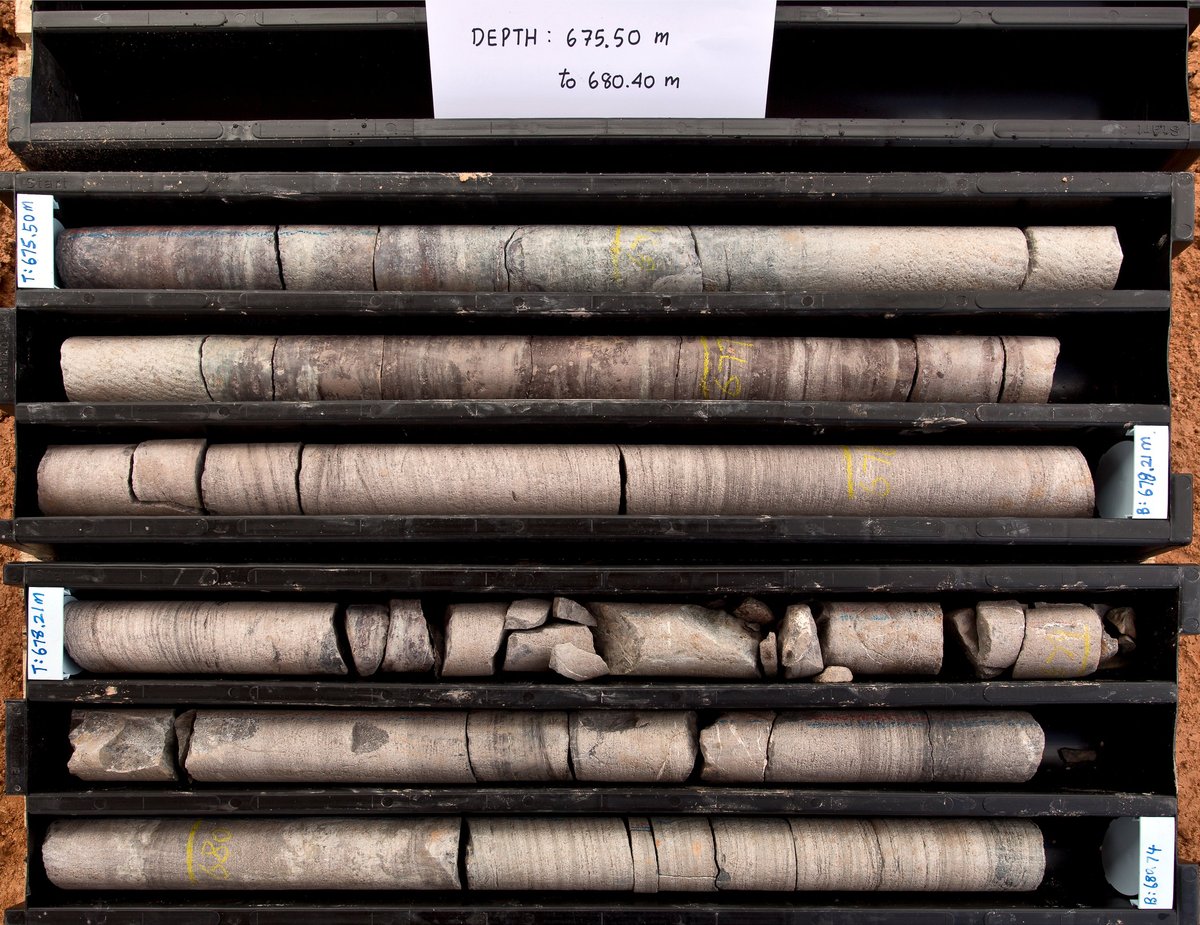
Every acceptance figure rests on a sample
A certificate is a chain: the lot is defined, increments are taken, the gross sample is reduced and divided, and only then is a test portion measured. A method chosen well downstream cannot repair a chain that started with the wrong sample. That is why the sampling standard is written into the PO before the assay method, not after it.
Where a supplier and a buyer each sample independently, the sampling agreement — not the analytical method — is usually what decides whether two results are comparable. Fixing the sampling base is what makes every later figure, from Fe to moisture, worth arguing about.
Decision aid
Test-method selector
State the acceptance question your purchase order has to answer and the sample it will be based on. The selector reports which method answers it, what that method needs as input, and what it does not certify.
Nothing is submitted from this panel. It produces a working note you can carry into the PO or the enquiry below.
Indicated method
No method selected yet
A test requirement cannot be evaluated until the acceptance question is stated. The method follows from the question, not the other way round.
State the acceptance question first — total iron, an impurity, size, handling, or furnace behaviour — then the method family follows.
What the method requires
- No positive requirement identified from the selections so far.
What it does not certify
- Nothing flagged yet — complete the selections to see the limits.
Gaps to close before the PO is issued
- The acceptance question the PO must answer
- The sample boundary the result will be reported against
Method families
Grouped by the question each family settles
Iron ore testing is not one test. It is four families, each answering a different question in the buying decision. The family comes first; the specific standard comes second.
Sampling & sample preparation
Makes every other result defensible
ISO 3082 — Sampling and sample preparation
Procedures for sampling and sample preparation
- Answers
- How a lot is reduced to a test portion that can stand behind a quoted figure at all.
- Requires
- An agreed lot boundary, mass, and the increment and division plan the method prescribes.
- Does not certify
- It does not measure anything about the ore. A sampling protocol only makes a later result defensible.
Chemical assay
Answers what the material is made of
ISO 2597 — Determination of total iron content
Multi-part series, titrimetric and other methods
- Answers
- The total iron figure that settlement and grade claims are normally written against.
- Requires
- A prepared test portion, the Part and edition being applied, and the impurity set that can interfere.
- Does not certify
- Total Fe by one Part is not automatically the number another Part would return, and it says nothing about how the ore reduces.
Physical & mechanical tests
Answers how it holds up in handling
ISO 4700 — Determination of pellet crushing strength
Cold crushing strength of fired pellets
- Answers
- How much compressive load an individual fired pellet withstands before it fails.
- Requires
- Fired pellets at a stated size fraction, and a defined number of individual tests.
- Does not certify
- It applies to fired pellets only. Lumps, fines and concentrate have no crushing-strength claim in this method.
ISO 3271 — Determination of tumble and abrasion indices
Tumble and abrasion indices of lump ore and sinter
- Answers
- How much a lump or sinter charge breaks down as it is handled and tumbled.
- Requires
- A sized charge at the method's stated fraction, run to the prescribed drum revolution count.
- Does not certify
- It is a handling-degradation measure, not a strength requirement for pellets, and not a reduction test.
Reduction behaviour
Answers how it behaves in the furnace
ISO 4696 — Reduction under load / low-temperature disintegration
Multi-part series on reduction behaviour
- Answers
- How a burden behaves under reducing gas at the conditions the Part actually specifies.
- Requires
- The exact Part and edition, the test gas, temperature and duration that Part fixes, and a sized charge.
- Does not certify
- No single Part predicts plant performance across the range of reduction conditions. Results are comparative within the method, not a performance guarantee.
These pages describe the scope of each method — what it measures, what it requires and where it stops. They are not a statement that Noor Deira Steel holds accreditation to any of them, or that material meeting a method is suitable for a particular furnace. Suitability is decided against your process, not against a standard number.
Choosing the right method
What decides which method belongs on the PO
Two buyers can be purchasing the same ore form and still need different test requirements, because they are settling on different things. These are the criteria that move the choice.
| Criterion | Why it changes the method | Where it leads |
|---|---|---|
| What the PO settles on | A grade claim is settled on total iron. A handling claim is settled on degradation. They are different tests, not different values of one test. | Total Fe → ISO 2597 · Handling → ISO 3271 |
| The feed form | Crushing strength applies to fired pellets; tumble and abrasion apply to lump and sinter. The wrong family returns a number with no defined meaning. | Pellets → ISO 4700 · Lump/sinter → ISO 3271 |
| Whether the burden reduces | If the plant is buying for a reduction route, chemistry alone does not answer the question the furnace will ask. | Reduction behaviour → ISO 4696 |
| Who publishes the result | If a third-party surveyor issues the certificate, the sampling method has to be agreed with them, not only with the supplier. | Sampling base → ISO 3082 |
| The mass basis on the certificate | Dry and as-received figures cannot be compared. The basis has to be named before acceptance values are written. | Reported with the assay method |
| The contractual edition | An unstated edition lets the lab and the mill measure to different documents and both be technically correct. | Stated on every method clause |

Preparation sits between sampling and the result
Between the lot and the test portion there is a preparation stage — drying, crushing, division and, where required, grinding to a stated particle size. Preparation is where a correctly taken sample is most often rendered unrepresentative, and it is covered by the same standard, not by the assay method.
When a result is challenged, the preparation record is usually the first thing requested alongside the analytical certificate.
Where the test requirement lands
The method clause follows the end use, not the ore name
The same ore form carries a different test requirement depending on what the buyer is going to do with it. These are the registered iron ore applications and the methods each one makes relevant.
Blast furnace burden
A blast furnace buyer settles on grade, gangue and how the charge behaves as it descends. Chemistry, size distribution and reduction behaviour are all in play — a strength figure for pellets is not.
Blast furnace iron oreDirect reduction
DRI plants feed on pellets or high-grade lump, where crushing strength and reduction behaviour matter more than they do for sinter feed. This is where ISO 4700 and ISO 4696 are normally named.
DRI plant iron oreSteelmaking
Steelmaking feed is judged on the assays that settle the price and the penalty elements that decide whether the burden is accepted at all — a different clause set from a furnace-behaviour requirement.
Steelmaking iron ore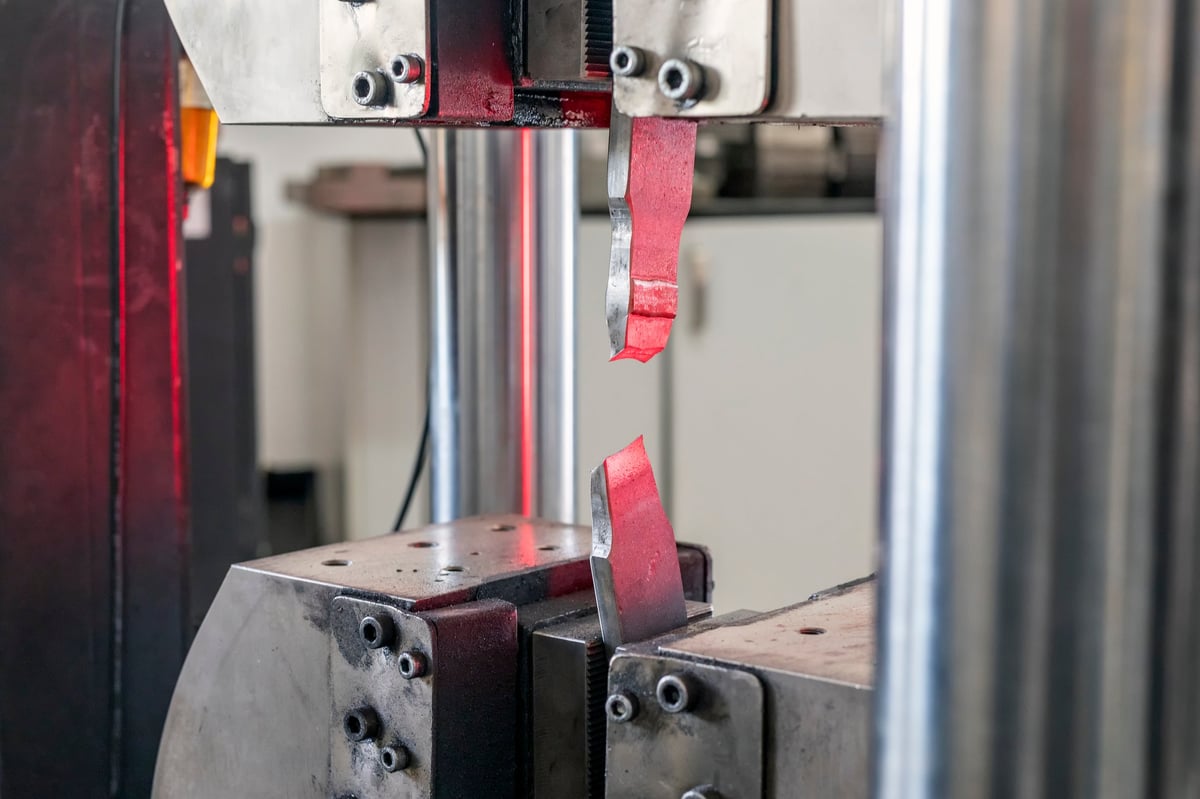
A physical test measures one property, not a fitness verdict
Mechanical and physical tests are comparative. A crushing strength or an abrasion index tells you how a specimen behaved under one defined set of conditions. It does not tell you that the material will perform in your plant, because your plant is not the test apparatus.
When a test result is used as an acceptance criterion, the useful question is not only "did it pass" but "what conditions was that number produced under, and do they relate to how we handle and charge this material".
Return to the iron ore product overviewGCC procurement
Test requirements for iron ore delivered into the Gulf
When a lot crosses a border, the test requirement has to serve two audiences at once: the receiving plant, and whoever surveys the cargo at the port. That usually means a sampling method, an assay method and a special clause set drawn from different documents.
Sample the lot, not the stockpile
A port survey is taken against a defined lot. A warehouse result cannot settle a shipment, even when the material came from the same source.
Fix the mass basis before the price
Moisture and assay basis change the payable figure. Naming both on the PO prevents a dispute that no re-test can resolve.
Separate handling from chemistry
Degradation in transit is a separate claim from grade. A single certificate rarely covers both, and they are settled by different methods.
Agree who issues the report
State whether the certificate comes from the supplier, an independent surveyor, or both — and which sampling method binds each one.
Iron ore delivered across the GCC
Each market has its own receiving plants, port arrangements and surveyor practice. Open the market page for the delivery considerations that apply there.
Market pages cover import planning and delivery considerations. They are not a claim of a local branch, warehouse or standing stock.
Frequently asked questions
Writing test requirements, answered
The questions quality managers raise most often when a standard number has to become a workable purchase-order clause.
Can one standard number cover sampling, assay and physical testing?
No. These are separate documents answering separate questions. A single ISO number on a purchase order that is meant to cover sampling, chemical analysis and physical testing will not do so — each requirement needs its own method clause.
Why does the Part matter inside a standard?
Several iron ore standards are published as multi-part series, where each Part fixes a different procedure, scope or set of test conditions. A clause that names only the parent number leaves the laboratory free to choose a Part that was not intended — and the two results will not necessarily be comparable.
Does a certificate prove the material is suitable for our furnace?
No. A test result reports how a sample behaved under the method's defined conditions. Suitability for a particular furnace or circuit depends on your process, your handling and your burden design, none of which the method knows about.
What should be stated alongside the method number?
The Part and edition, the sample or lot the result is drawn from, the mass basis the figure is reported on, and who issues the report. A method number on its own leaves each of those open to interpretation.
Can we accept a result taken from a stockpile sample?
A stockpile result characterises the stock. If the purchase order settles on lot quality, the sampling base has to be the lot itself, under an agreed sampling plan. These are different claims even when the material is the same.
We already have a specification. What is missing?
Usually the sampling method and the reporting basis. Grade, chemistry and size limits are commonly written, while the sampling plan and the dry or as-received basis are left unstated — and those are what disputes turn on.
Request a quote
Send your test requirement and enquiry
Give the commercial department the acceptance question, the sample boundary and the methods your purchase order will name. We will review it against your specification and reply with a confirmed offer.
Office 3303, Churchill Executive Tower, Business Bay, Dubai, UAE
Mon–Sat 8.00–18.00 · Sun closed