
ASTM A516 · Pressure Vessel Plates — Carbon Steel
ASTM A516 Steel Plate Supplier
ASTM A516 Plate Standard can be specified only when the exact designation, product form, thickness/size range, service conditions, supplementary tests, fabrication requirements, and material documentation are aligned. Do not present another grade as equivalent unless the governing requirements have been compared and verified.
Price on request · confirmed against the designation/edition/grade and the governing pressure-vessel plate specification
Standards, grades & dimensions
Decision-grade evidence for the A516 plate
Connect the designation, edition, grade, heat-treatment condition, dimensions, tolerances, service conditions, inspection and documentation to the buying decision. Every table states the applicability, buyer implication, evidence/source requirement and resulting RFQ field.
| Standard scope | Typical basis (verify) | Buyer implication | Evidence / RFQ field |
|---|---|---|---|
| Designation | ASTM A516/A516M — carbon steel plates for pressure vessels — trade each grade against the exact edition (e.g. A516/A516M-25) and grade | Names the exact edition and grade; all chemistry, mechanical, test and tolerance minimums follow from it | Exact designation + edition + grade |
| Covered grades | Wide heat-treatable grades (nominal 50/55/60/65/70 ksi tensile-class designations — verify) for ambient-to-low-temperature pressure service | Fixes the grade designations the standard covers so the RFQ names the exact grade, not a range | Grade name (e.g. 60, 70) + edition |
| Product form | Plates (cut or as-rolled) supplied in the plate product form | Fixes applicability to the plate form and its thickness basis | Product form: plate |
| Heat treatment & delivery condition | Heat-treated per the standard to meet the required mechanical / impact response — verify the condition and temperature | Fixes the mechanical / impact-test response and drives the test and documentation requirement | Heat-treatment condition + test requirement |
Designation, edition, grade, heat-treatment condition and any class or supplementary requirement must be named and verified — never assumed from the standard name alone.
| Dimension / tolerance | Typical basis (verify) | Buyer implication | Evidence / RFQ field |
|---|---|---|---|
| Thickness | Thickness range per the A516 plate product — declare exact | Sets mass, tolerance and suitability for the pressure/heat service | Nominal thickness + unit |
| Width / Length | Per declared blank or customer size | Determines the cut plan, packing and the piece count | Width × Length or plate standard size |
| Tolerance basis | Gauge / edge tolerance per declared edition and class | Confirms the plate meets the cut, fit and fit-up intent | Tolerance basis + edition |
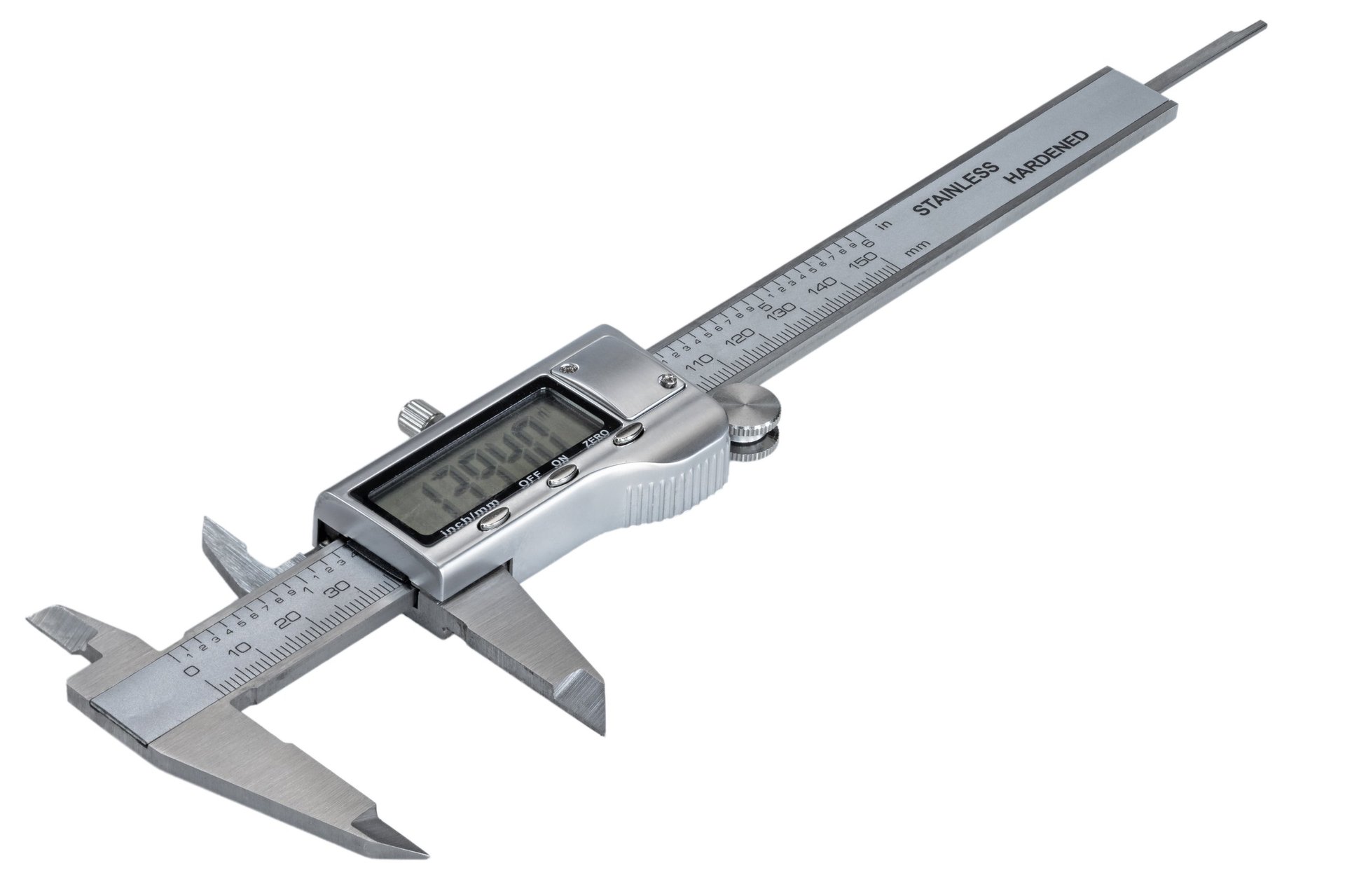
| Unit weight | From declared density × volume — verify against MTC | Confirms mass for transport and the quotation basis | Quantity in plates and tonnes |
Units and tolerance basis must be stated and verified with the mill / gauge record — computed from density, never assumed.
| Property | Typical basis (verify) | Buyer implication | Evidence / RFQ field |
|---|---|---|---|
| Tensile / yield response | Place / thickness dependent; heat-treatment condition sets it — verify against the edition and test | Confirms strength margin for the pressure/heat service | Grade + test requirement + condition |
| Impact / bend behaviour | Ambient-to-low-temperature class per the edition; impact or bend test condition and temperature verify the response — verify | Confirms certification requirements at the design service temperature | Impact / bend test condition + temperature |
| Chemical basis | Composition per the edition and heat type — verify against the MTC | Confirms composition and weldability intent | Chemistry per edition + heat type |
| Weldability / formability | Grade chemistry and delivery condition; welding procedure per design | Drives the fabrication route and inspection plan | Welding procedure + chemistry requirement |
Chemical and mechanical values depend on grade, thickness, heat-treatment condition, test method and the governing edition — carry each into the RFQ for verification against the mill certificate.
Technical resources
Quality, testing & documentation
Evidence gates for the A516 decision
What the buyer requests, what it verifies, when it is required, and what remains quotation-dependent — the document matrix is matched to the designation, edition, grade, heat-treatment condition and inspection/class route named in the RFQ.
- Mechanical and impact-tested minimums are held against the declared A516 edition and grade — not assumed from a matching standard name.
- The mill test certificate and the heat / lot record tie the plate shipped to that certificate — traceability is part of the specification.
- Dimensional, flatness, surface, edge, tensile, impact/bend and any class or third-party test checks are requested explicitly — never an unsupported certificate.
Document & inspection matrix
Product evidence
- Mill Test Certificate — chemistry and mechanical minimums against the declared A516 edition and grade
- Dimensional / gauge record against the declared plate basis
- Heat / lot traceability to the shipped consignment
Testing & inspection records
- Tensile / yield and any impact or bend test records per the edition and the required temperature/condition
- Dimensional, surface or edge inspection per the agreed route
- Any class, heat-treatment or third-party verification where the design requires it
Destination documents
- Commercial invoice and packing list
- Origin / transport documents per the Incoterm
- Customs declaration inputs for the destination
Compliance Checker
ASTM A516 Plate Standard compliance scope checker
Build a clean A516 plate RFQ — every field below feeds the request the commercial coordinator receives. The checker returns Fit for technical review, Comparison needed, or Insufficient evidence, never equivalence from a standard name alone.
RFQ summary
Fit, alternatives & selection logic
Narrowing the ASTM A516 specification
ASTM A516 fits pressure-vessel, ambient-to-low-temperature plate service across its listed grades. When a specific grade is required, the closest related alternatives are compared on edition, chemistry, mechanical / impact-test basis, thickness/tolerance basis and weldability — never on the standard name alone.
Scope and fit
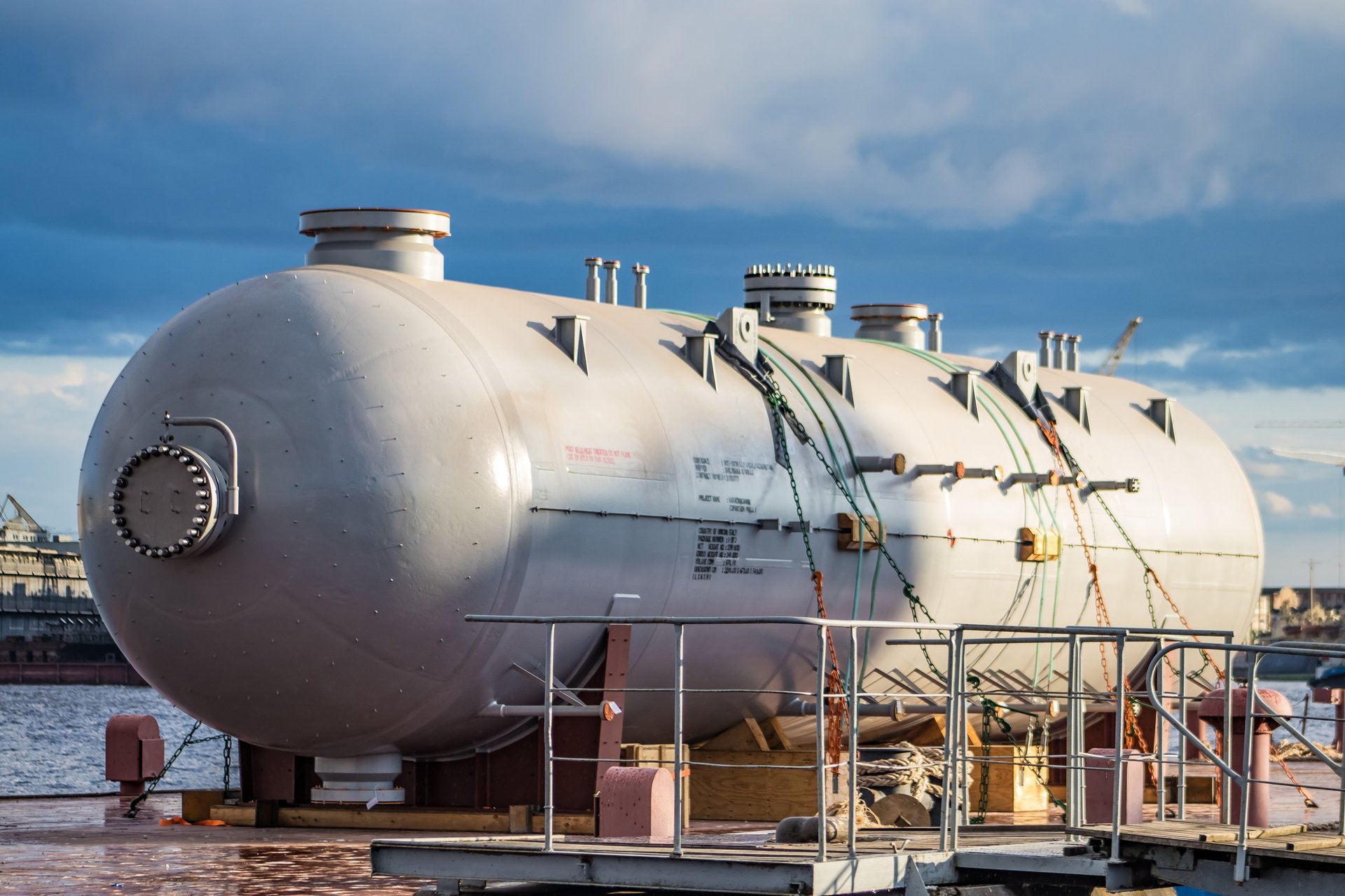
ASTM A516 is the pressure-vessel plate standard; it fits plate supplied for pressure-retaining, ambient-to-low-temperature service. Confirm the exact designation, edition, grade and heat-treatment condition before the plate is fixed against the design.
Grade comparison
The listed Grade 60 and Grade 70 child routes are the exact specification paths. Each fixes the mechanical / impact-test minimums; every difference is verified against the governing edition and the project specification.
Chemistry and heat
Composition and heat-treatment condition change the tensile, impact and weldability envelope. They are stated against the edition and verified via the mill certificate — never assumed from the standard name alone.
Dimensions and tolerances
Thickness, width, length and the tolerance basis fix the plate and its unit weight. Keep the unit system coherent and cite the edition.
Advantages
How the A516 decision gets safer
Five common failures trip up pressure-vessel plate buys. Each is answered on this page and in the RFQ.
Risk
Wrong-grade or edition substitution
The RFQ forces a named A516 designation, edition, grade and heat-treatment condition before any value is shown, matching the pressure-retaining application.
Risk
Dimensional or tolerance ambiguity
Thickness, width, length and the tolerance basis are carried together under one stated unit system.
Risk
Undocumented mechanical or impact testing
Tensile / yield, impact / bend, class and test-certificate needs are explicit RFQ fields, requested against the declared basis before quotation.
Risk
Quotation gaps or hidden assumptions
Application, processing, destination, Incoterm and date are separate explicit fields, never buried in a price.
Risk
Unsupported stock or lead-time claims
Every stock, price, origin or delivery claim is either verified or left to the RFQ to confirm against the mill and destination process.
Journey
From an A516 need to a documented consignment
Seven checkpoints carry the A516 enquiry from a requirement to a confirmed, documented delivery — each with the responsible owner and the input the RFQ expects.
Requirement
Buyer
In: Designation, edition, grade, heat-treatment condition, product form, thickness, width, length, quantity and service conditions.
Out: A516 basis stated; route and material identified.
No designation / edition / grade named.
Next: Name the edition / grade / condition.
Destination & importer
Buyer + commercial
In: Destination, port or delivery location, importer/consignee details.
Out: Destination and clearance owner explicit.
Importer not confirmed.
Next: Add importer/consignee inputs.
Documents & Incoterm
Buyer + commercial
In: MTC/test and invoice/origin/transport needs, Incoterm + named place.
Out: Document set and delivery terms stated.
Class/document assumptions unstated.
Next: Confirm document checklist.
Quotation
Commercial
In: Quantity, Incoterm, destination, date.
Out: Availability and pricing on request.
Unknown lead time.
Next: Receive confirmed offer.
Inspection & documents
Technical / QA
In: Dimensional, surface, edge, tensile, impact/bend and class / heat-treatment checks.
Out: Thickness, width, length and mechanical basis reconciled to the mill ticket and test record.
Missing gauge, tensile or impact test report.
Next: Approve document set.
Packing & shipping
Supplier / forwarder
In: Strapping, marking, Incoterm, port.
Out: Coordinated to the destination.
Document delay.
Next: Track to delivery location.
Delivery & follow-up
Commercial
In: Site handover, closed-out docs.
Out: Handed to site with documents.
Open claims.
Next: Close out.
FAQ
ASTM A516 Plate Standard questions
Straight answers to the questions procurement and QA teams ask most.
Which exact standard, grade, and supplementary requirements should be written into an RFQ for ASTM A516 Plate Standard?
Which dimensions, tolerances, edge/processing conditions, and quantity details must be confirmed for ASTM A516 Plate Standard?
Which inspection, test certificate, traceability, and document requirements should be stated before quotation?
When is a related alternative technically comparable, and which differences must be verified before substitution?
Which destination, Incoterm, packing, and delivery-date inputs materially change the commercial offer?
Qualified RFQ
Request a quote for ASTM A516 Steel Plate
Send standard, grade, size, quantity, destination and required delivery date. Review specifications, availability and request an RFQ. Price on request — availability and lead time confirmed with your quotation.
Response within one business day · Price on request
Applications
A516 plate, mapped to service paths
Pressure-vessel plate needs are classified by the operating service. The card set below is a navigation aid, not the final decision — the exact edition, grade, chemistry, heat-treatment condition, testing and documentation are the buyer's and the coordinator's to reconcile to the project.
Pressure vessels
Pressure-retaining service: reconcile the edition, grade, chemistry and mechanical / impact-test basis to the governing code and the shop's fabrication route.
Explore Pressure vesselsBoiler & pressure
Temperature and pressure service: confirm the standard, grade, chemistry, heat-treatment condition and testing discipline before the plate basis is fixed.
Explore Boiler & pressureBridge & structural
Fracture-relevant structural service: compare the grade, tensile/impact basis, fabrication route and documentation before the plate is accepted.
Explore Bridge & structuralGCC markets
Who we supply across the GCC
A516 plate is delivered into contractor, fabricator and trader demand across the Gulf. Each market page is the product x country anchor for your pressure-vessel plate import.

United Arab Emirates
Destination & import documentation.
Carry the ASTM A516 designation, edition, grade, dimensions, quantity and destination emirate into the RFQ so the quotation and the plate document set match the UAE requirement for the pressure-vessel grade.
United Arab Emirates
Saudi Arabia
Project specification & import documentation.
Confirm the A516 designation, edition, grade, dimensions, test basis, quantity and delivery window so the quotation and logistics stay aligned to the order and the governing project specification.
Saudi Arabia
Qatar
Specification & delivery inputs.
State the A516 designation, grade, dimensions, quantity, documents and delivery base so the Qatar quotation is fixed on a verified dimensional and testing basis.
Qatar
Oman
Port-oriented supply for industrial projects.
Oman pressure-vessel plate is typically supplied through port destinations, harmonising the A516 specification with the project's pressure-retaining and fabrication requirements.
Oman
Kuwait
Contractor procurement & fabrication hand-off.
Link plate selection, any cutting and the inspection needs to the fabrication route, with shipment agreed against the destination and delivery window.
Kuwait
Bahrain
Industrial supply & re-export coordination.
Coordinate material, testing and documentation to the delivery requirement so the A516 plate and its document set stay aligned.
BahrainLogistics & Incoterm
Shipping the A516 plate to the destination
Packing, route and Incoterm are matched to the named destination and stated on the quotation — never hidden in a price.
Packing
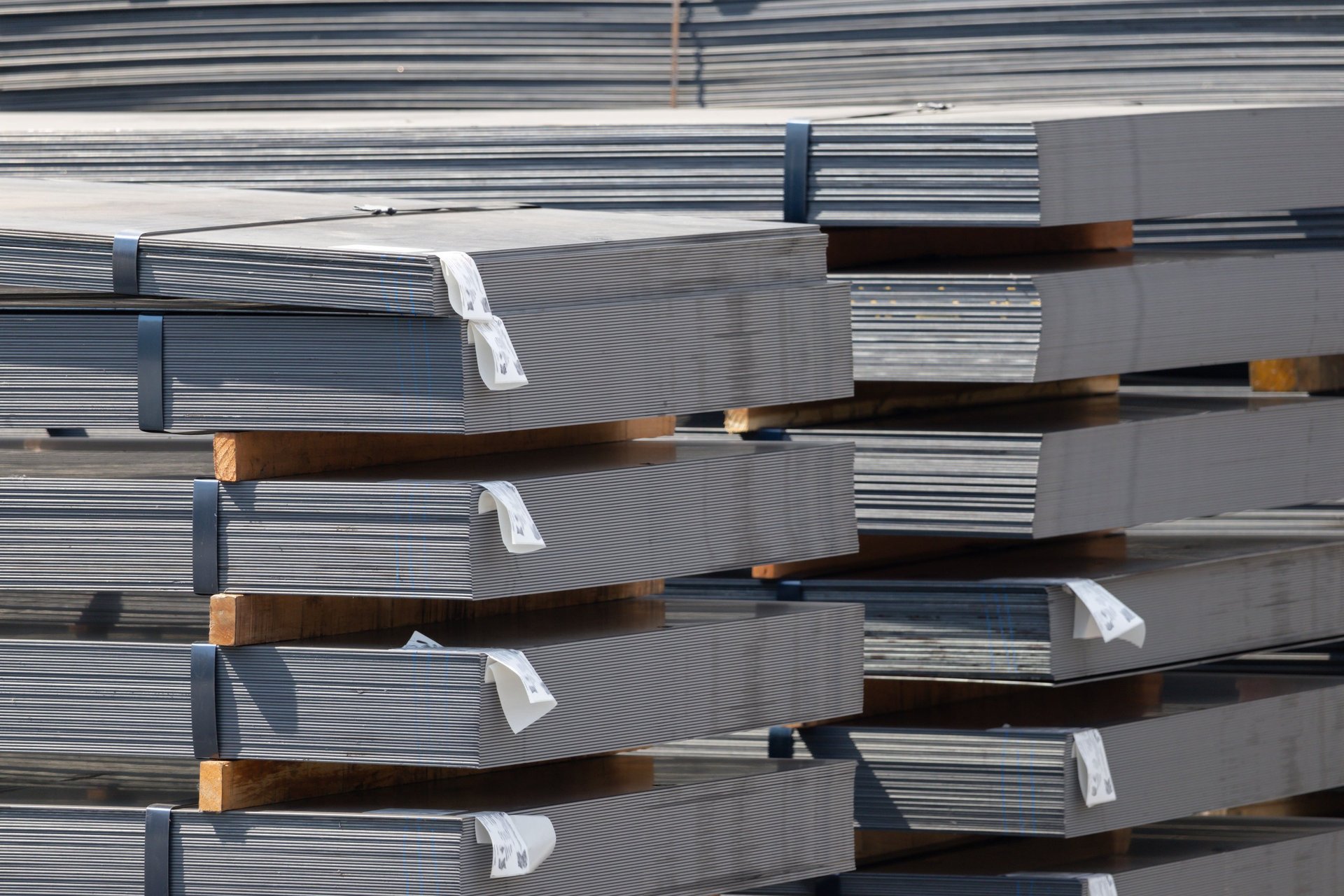
Plates stacked, strapped and marked by size, grade, heat and lot, matched to the declared route and destination. Confirm packing in the RFQ.
Delivery route
Name the destination, port or delivery location. Delivery terms are matched to the route and stated on the quotation.
Incoterm & named place
State the Incoterm and named place so packing, transport and document obligations are explicit and auditable for the A516 plate import.
References
Related pages, alternatives and technical resources
Watertight paths from the A516 standard page to the steel plate and grade pages, keeping the pressure-vessel material basis consistent across the specification.
ASTM steel grades
These related pages let you compare the same material or process across the product forms under the ASTM steel grades range.
Explore ASTM steel gradesASTM A516 Grade 70 plate
The listed Grade 70 specification path where the exact mechanical / impact-test basis and chemistry are reconciled for the higher-strength grade.
Explore ASTM A516 Grade 70 plateASTM A516 Grade 60 plate
The listed Grade 60 specification path where the exact mechanical / impact-test basis and chemistry are reconciled for this grade.
Explore ASTM A516 Grade 60 plateRelated steel plate pages
Parent and cluster paths that keep the plate specification intact while you compare the product forms.
Expert insight
Reading the ASTM A516 pressure-vessel plate decision
As a steel trading house we do not guarantee that a listed standard applies to every case — the A516 designation, edition, grade, heat-treatment condition and test basis are reconciled to the application before an order. The working frame is the ASTM A516/A516M pressure-vessel plate specification as a procurement verification aid.
What the source governs
ASTM A516/A516M-25, Pressure Vessel Plates, Carbon Steel, sets the chemical, mechanical-test and fabrication requirements for the plate grades it covers for pressure-retaining service. For a steel buyer, treat the standard as one authoritative verification input rather than a stock or price claim: confirm the exact edition, the grade and its tensile / impact-test minimums, the heat-treatment condition and the required test records together. Each value is verified against the plate actually shipped, and the governing code or project specification may impose stricter or different requirements.
Never assume the edition, grade, heat-treatment condition or class/project supplementary requirements apply from a matching name alone — the standard-plus-specification inputs are the buyer's and the coordinator's to confirm against the service. The source is a procurement verification aid, not proof of Noor Deira Steel inventory, certification, origin or commercial availability.
Expert perspective on ASTM A516 plate procurement
- Treat the standard as a scope, not a price. Confirm the edition, the exact grade and its tensile / impact-test basis before the order.
- Bring the chemistry + mechanics evidence. Hold the mill ticket, gauge, tensile and any impact-test record against the plate and its heat / lot.
- Plan the inspection and class route. Dimensional, flatness, surface, edge, tensile, impact/bend and any class checks are explicit — documentation follows the plate, not the other way round.
- Keep the route explicit. Destination, Incoterm and packing are decisions stated on the quotation, not assumptions.