
Structural Steel · Angle Sections
Steel Angle Supplier
Use Steel Angle only when the drawing or member schedule calls for its geometry and load-path role; verify the exact designation and mass and dimensions against the applicable section standard, and specify the material grade separately.
Free, no-obligation specification review
Price on request. No stock, origin, mill or availability is claimed on this page.
Fit, Alternatives & Selection Logic
When an angle section fits, when it doesn't, and what to compare instead
An angle is a member with a specific load-path role, not a general-purpose section. The comparison below sets out the fit conditions, the related alternative families, and the trade-off each one carries.
Where angle fits
- The drawing or member schedule specifies an angle section by designation.
- It carries a secondary, bracing or connection role rather than primary bending.
- The leg configuration — equal or unequal — is decided by the connection geometry.
- The governing dimensional standard and the material grade are both named.
- Fabrication requirements such as cut, drill or weld prep are stated.
Where it verifies first
- Only a shape name is given — no designation and no dimensional series.
- Geometry is stated but the material grade is left open.
- Equal or unequal leg is not yet decided by the connection design.
- The governing standard is described only as 'structural'.
- The document set the buyer will accept has not been agreed.
Verify-first is not a rejection. It means at least one field that decides comparability has not yet been stated.
Where it does not fit
- The member carries primary bending over a long span — that is a beam decision.
- The section acts as a vertical loadbearing member — that is a column decision.
- The requirement is a flat element — that is a flat bar decision.
- The connection design cannot be built from an angle geometry at all.
Adjacent sections are not interchangeable. Load-path and capacity decisions stay with the engineer of record, and no substitution is assumed anywhere on this page.
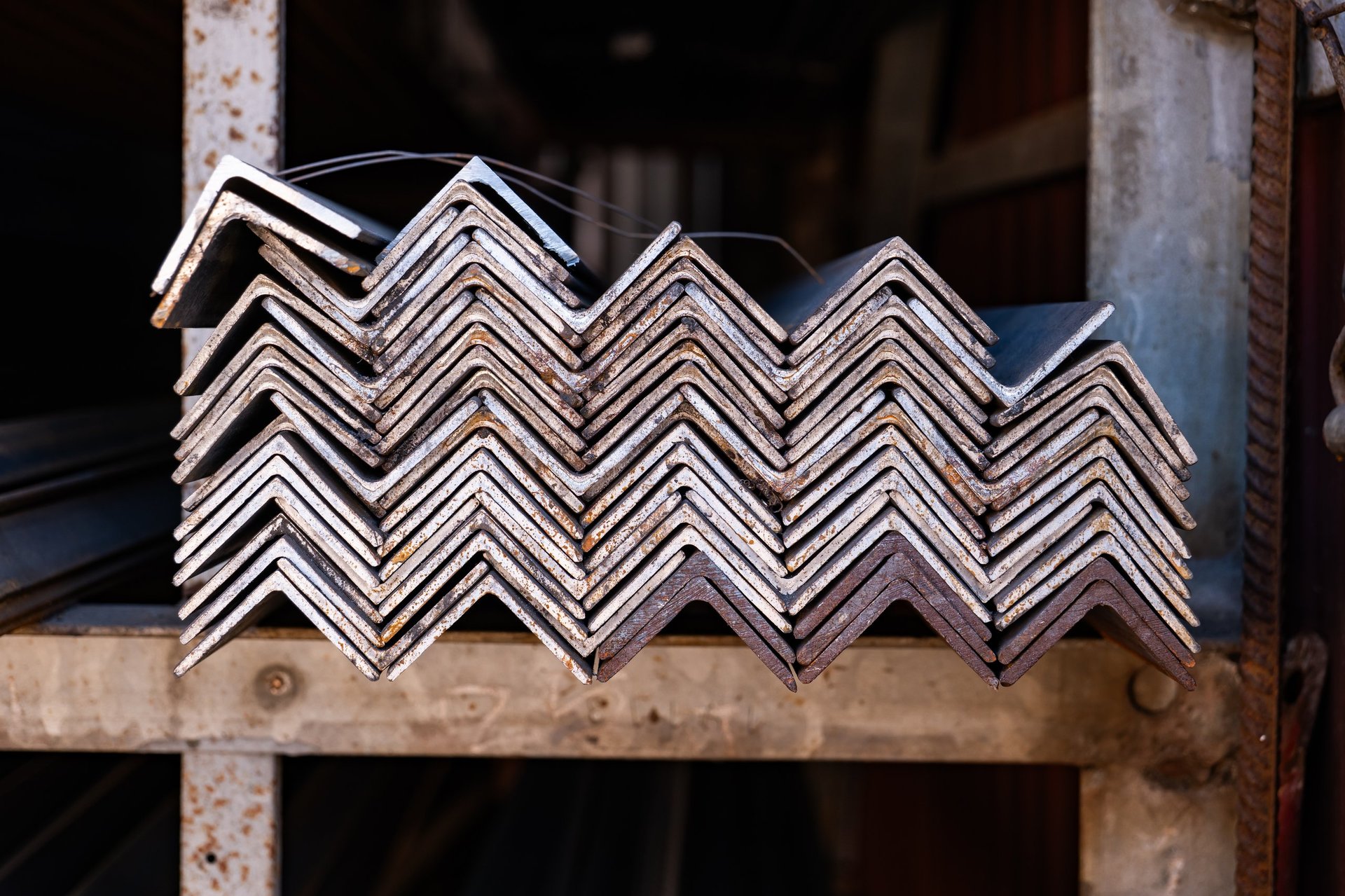
A shape name is not a purchase item
Two offers of "angle" can be different sections in different grades. The designation and the material grade are what make the quotation comparable.
Related alternative section families
If the load-path role is still undecided, these are the sibling family routes. Each carries its own acceptance criteria — compare against your member schedule rather than treating the families as equivalents.
Steel Flat Bar
Rectangular flat section for plates, ties and fabricated connections.
CompareStructural Steel Grades
The designations that define the material, separate from geometry.
CompareAll Structural Sections
The parent range covering beams, columns, channels and angles.
CompareWhat decides the choice
| Criterion | What to establish | Selection implication |
|---|---|---|
| Member role | Whether the member bends, braces, or merely connects and stiffens. | Determines whether an angle is the right family at all, before any dimension is fixed. |
| Leg configuration | Equal or unequal, decided by the connection geometry. | The two are different families and are verified against different tables. |
| Section designation | The exact designation within a named dimensional series. | A designation from the wrong series is a different section, not a near-equivalent. |
| Material grade | Stated separately under its own material standard. | Geometry does not identify the material. The grade is a separate purchase input. |
| Fabrication | Cut, drill, notch and weld-preparation requirements. | Changes what the fabricator needs and what inspection evidence is relevant. |
Equal / Unequal Angle Specification Builder
Separate the section geometry from the material grade
Enter the section as your drawing states it. The builder keeps the designation, the governing standard and the material grade apart, reports which fields are open, and hands a copyable summary to the RFQ. It does not calculate load capacity and it never substitutes a nearby section.
Buyer verification checklist
liveEqual or unequal leg stated
Not stated. The two families are verified against different tables.
Section designation stated
Not stated. A shape name alone does not identify a section.
Governing standard separated
Not stated. Dimensional and material standards are separate decisions.
Material grade stated separately
Not stated. Geometry does not identify the material.
Dimensions and units given
Not stated. Leg sizes and thickness must carry their units.
Load path confirmed with the engineer
This builder does not calculate load capacity from dimensions. Design responsibility stays with the engineer of record.
Inspection and document set named
Not yet agreed. Name what you will accept at goods-in.
RFQ-ready summary
Open items remainSteel angle — specification for quotation Angle type: not stated Section designation: not stated Governing standard: not stated Material grade: not stated Dimensions (legs / thickness): not stated Quantity: not stated Unit basis: Metric (mm / kg) Destination: not stated Required delivery / schedule: not stated Required documents: not stated Design responsibility: engineer of record — not established by this page Acceptable substitutions: to be confirmed in writing — none assumed Open items to resolve: 9Hand this to the related RFQ page
Method and limits
- This builder assembles and validates what you entered. It does not calculate load capacity, verify a grade, confirm availability, or return a price.
- Dimensional standards and material grade standards are treated as separate inputs. The builder does not normalise one into the other.
- Metric and imperial entries are kept apart. No unlabelled conversion is shown and the unit basis you select travels into the summary.
- A definitive recommendation is withheld because the governing basis is incomplete — this is deliberate, not an error.
Standards, Grades, Dimensions & Service Conditions
The two separate decisions a steel angle purchase contains
Dimensional standards and material grade standards are different documents answering different questions. The tables below keep them apart, label every unit and applicability condition, and flag where a value must be verified rather than assumed.
| Input | Buyer requirement | Offered value | Unit / condition | Verification / source required | Applicability / buyer implication |
|---|---|---|---|---|---|
| Leg configuration | Equal or unequal — decided by the connection geometry | To be stated in the offer | Family designation | Checked against the dimensional series cited | The two families are verified against different tables. A mismatch invalidates the section check. |
| Section designation | The exact designation from the drawing | To be stated in the offer | Series-based designation | Verified against the cited dimensional standard | A designation from another series is a different section, not a near-equivalent. Geometry only — the grade is separate. |
| Leg dimensions | Leg lengths, stated with units | To be stated in the offer | mm or in — the unit must be named | Verified against the cited dimensional standard | Units must travel with the value. An unlabelled figure cannot be checked. |
| Thickness | Wall thickness, stated with units | To be stated in the offer | mm or in — the unit must be named | Verified against the cited dimensional standard | Thickness drives section properties and weld detail; it is not inferred from leg size. |
| Unit weight / mass | Mass per metre where the order is by weight | To be stated in the offer | kg/m or lb/ft — basis must be named | Verified against the cited dimensional standard | Decides the payable quantity where the order is by mass rather than by piece. |
| Material grade | Stated separately under its own material standard | To be stated in the offer | Grade designation | Verified against the applicable material standard | Geometry does not identify the material. Two sections of one designation in different grades are different purchase items. |
| Chemical composition | Limits that matter to the application | To be stated in the offer | % — as analysed | Reported on the mill test certificate for the heat | Determines weldability and suitability where the application is sensitive to composition. |
| Mechanical properties | Yield, tensile and elongation minima | To be stated in the offer | MPa / % — as tested | Reported on the mill test certificate for the heat | Ties to the material grade, not the section geometry. Confirm the test basis. |
| Tolerances | The tolerance class the project applies | To be stated in the offer | Per the cited standard | Confirmed against the standard edition named in the contract | Tolerance requirements belong to the project specification and must be named, not assumed. |
| Finish / coating | Black, primed or galvanized | To be stated in the offer | Surface condition | Confirmed against the order and inspection record | Changes handling, fabrication sequence and what the inspection record must cover. |
| Documents | The evidence set you will accept | To be stated in the offer | Certificate type and level | Issued per lot against the agreed standard | The document set must be agreed before dispatch, not chased after arrival. |
Evidence warning: no section dimension, unit weight, mechanical value or acceptance tolerance is published on this page. Every "Offered value" entry is confirmed against the cited standard and the actual lot at quotation. Where authoritative data is not available, the value is required to be verified rather than estimated.
Reference routes for this decision
Each link below addresses one part of the specification. Use them with their applicability boundary in mind — a reference table is a starting point for verification, not a substitute for the standard your project cites.
- JIS G3101 structural steelApplicability: the governing specification family where JIS G3101 is cited. Lets you validate the standard rather than relying on a grade or shape name alone.
- Steel angle size chartApplicability: dimensional and unit-weight reference for angle sections. Verify against the standard your project cites before transferring a value into the RFQ.
- Steel channel size chartApplicability: sibling section family. Use only where the member role is still undecided between an angle and a channel.
Section properties reference
Section properties describe the geometry of the member. They do not by themselves establish that the section is adequate for a given load case — that determination depends on the applied loads, restraint and connection conditions, the design code and the material grade together, and belongs to the engineer of record.
Structural steel gradesQuality, Testing & Documentation
What to request, who verifies it, and what stays quotation-dependent
A document is only useful if you know what it establishes and who is responsible for it. The matrix below sets out the evidence, the verification owner, the stage it applies at, and the dependency that remains.
| Requested evidence | What it verifies | Who supplies / verifies | When required | Dependency that remains |
|---|---|---|---|---|
| Mill test certificate | The chemical and mechanical properties of the heat actually supplied. | Issued by the mill, checked by the buyer against the order | Before dispatch, agreed in the enquiry | It evidences the heat, not your order. Verify it against the material received. |
| Dimensional inspection record | That leg sizes, thickness and length fall within the stated tolerance. | Supplier's inspection, or a third party where the contract requires it | Before dispatch where tolerance is critical | The tolerance class must come from the project specification, not from a default. |
| Declaration of conformity | That the supplied material is declared against a named standard. | Issued by the supplier against the cited standard | Before dispatch, where the project requires it | A declaration is a claim of conformity. It does not replace the property evidence. |
| Third-party inspection release | An independent witness of the inspection or of loading. | An inspection body appointed under the contract | Where the project specifies a hold point | Scope, issuing body and validity must be checked. It covers what it was issued for. |
| Coating / finish record | That the surface condition matches the order. | Supplier's process record, or the galvanizer | Before dispatch, where finish is specified | Finish changes the fabrication sequence, so it must be settled before cutting, not after. |
| Origin and shipping documents | The declared origin and the shipment particulars. | Supplier, with the carrier and forwarder | With the shipping documents | Origin is a declared fact. Any preferential treatment depends on the destination regime. |
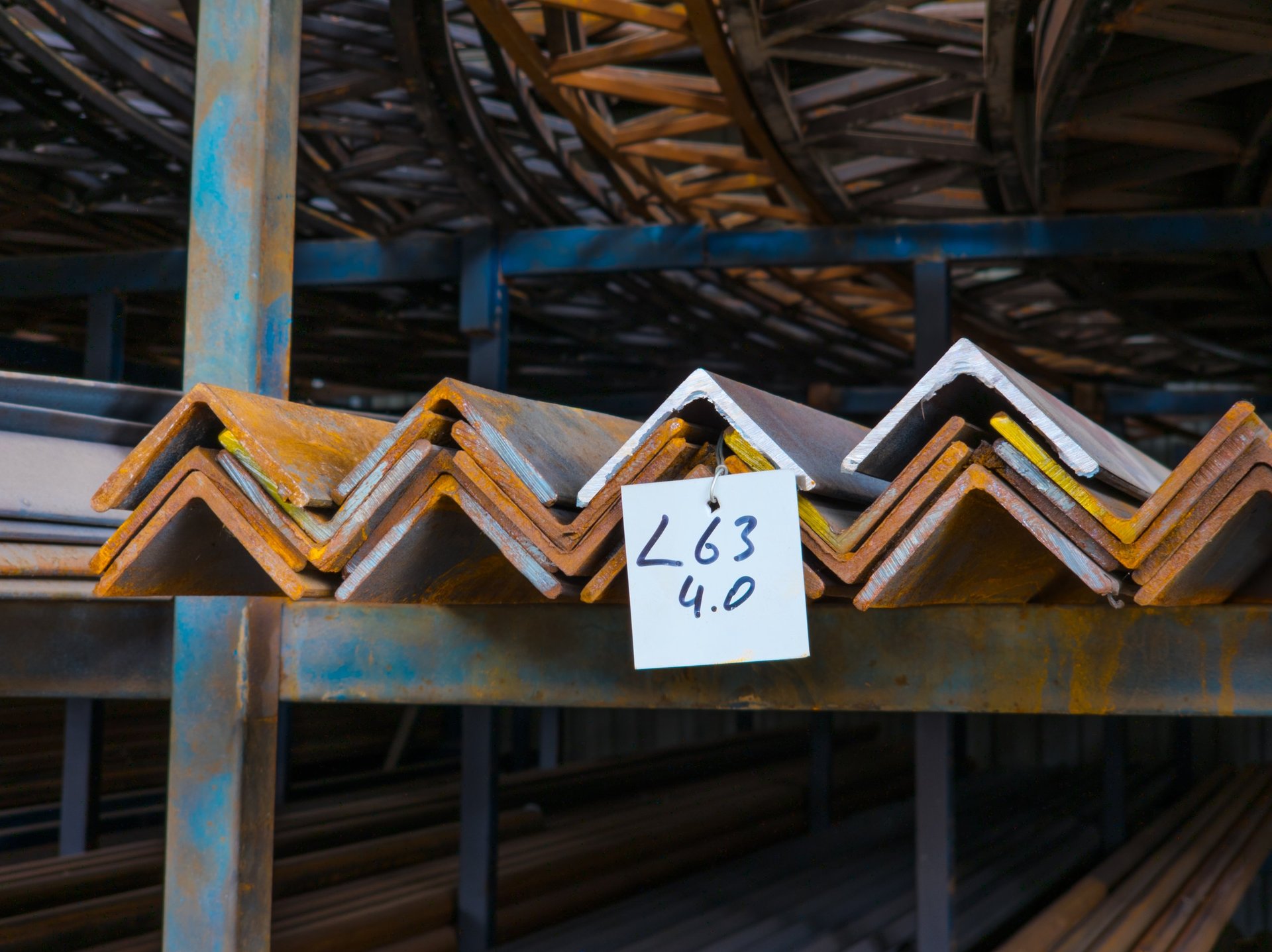
A certificate evidences the heat, not your order
Verify every document against the material actually received — including the cut ends and the identification — rather than against the order confirmation.
Separate the two questions
Geometry is verified against a dimensional standard; material is verified against a material standard. Different documents, different owners.
Agree before dispatch
A document chased after arrival is a dispute. A document named in the enquiry is a deliverable with an owner.
Match it to the received material
Check the identification and the cut ends against the certificate, not just the paperwork against the order.
Certification limits remain in force
No certification, mill approval or quality-system registration is claimed for Noor Deira Steel on this page. A standard cited above describes requirements or a test method — it is not evidence that any party holds a certificate, and it is not a commercial acceptance band. Where a document is required, request it for the specific lot and verify its scope and validity.
Application & Industry Decision Paths
Where service conditions change what the section must evidence
Each application imposes a different governing requirement — and for angle sections, the operating environment often changes the inspection and documentation regime as much as the section itself. Open the related page for your use case.
Warehouse Structures
Operating condition: Portal frames, bracing and secondary members in a controlled environment.
Failure risk: Under-specified bracing detail delays erection on site.
Resolve before RFQ: Which bracing and connection members does the frame design require?
Offshore Platforms
Operating condition: Corrosive service and toughness requirements beyond the base grade.
Failure risk: Base-grade material without toughness evidence fails the project review.
Resolve before RFQ: What toughness, coating and inspection regime does the project specify?
Power Plants
Operating condition: Secondary steelwork around high-temperature or high-integrity systems.
Failure risk: A document set that omits traceability holds up a project hold point.
Resolve before RFQ: Which hold points and traceability records does the project require?
Fabricated Connections
Operating condition: Flat and angle elements used together in connection details.
Failure risk: Mixing family designations in one connection detail causes rework.
Resolve before RFQ: Do the connection details use flat bar, angle, or both?
General Structural Work
Operating condition: Mixed schedules where the section role changes detail by detail.
Failure risk: A schedule that names shapes but not designations cannot be quoted.
Resolve before RFQ: Does the schedule state a designation and grade per member?
Grade-Led Specification
Operating condition: Projects that fix the material grade first and derive sections from it.
Failure risk: Grade-led projects still need a dimensional designation to be purchasable.
Resolve before RFQ: Which grade governs, and under which material standard?
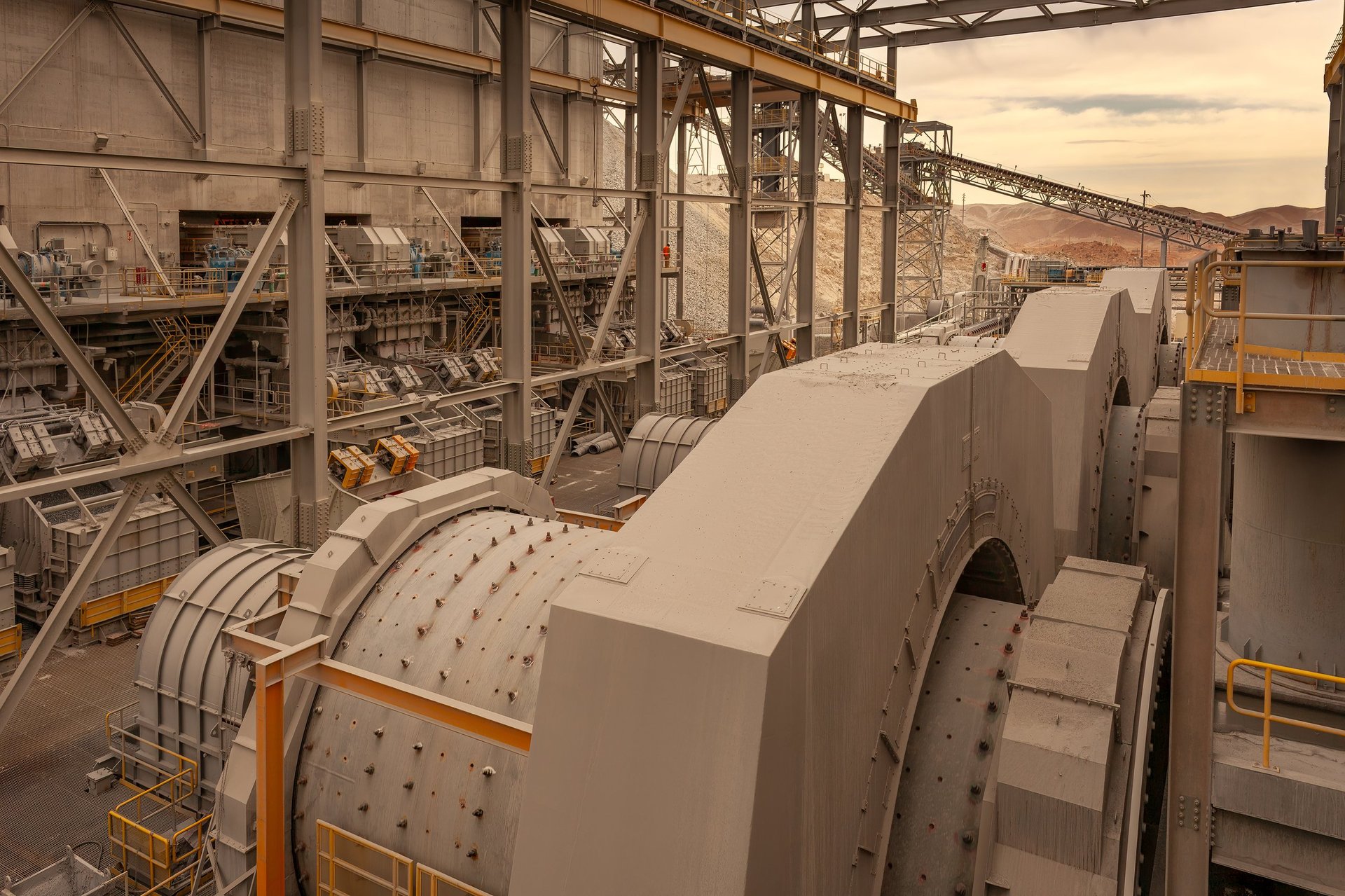
Fit is decided in the shop, not in the quotation
Cut, drill and weld-preparation requirements change what the fabricator needs. State them in the enquiry so the section and the detail arrive aligned.
These routes test suitability — they do not assert that one section family is interchangeable with another, and none of them establishes load capacity. Confirm the member requirement with the engineer of record before treating any offer as equivalent.
GCC Supply
Six markets, one project-minded supply path
Angle-specific supply direction for each GCC destination — coordination scope, section-specification handling and logistics, not claims of local offices or standing stock.

United Arab Emirates
Section verification with Dubai-based coordination.
We reconcile the angle designation and governing standard against your member schedule, then plan domestic delivery to site or fabricator.

Saudi Arabia
EPC documentation and cross-border project quantities.
For Saudi EPC work we align material certificates and section schedules to project hold points, and plan shipment of project quantities.

Qatar
Infrastructure procurement and technical approval.
Qatar infrastructure supply prioritises technical submittal approval — we coordinate the angle specification and document set first.

Kuwait
Contractor procurement and fabrication hand-off.
Kuwait contractor supply links section selection to fabrication needs, with shipment agreed against the destination and delivery window.

Bahrain
Industrial supply and re-export coordination.
Bahrain industrial supply depends on accurate project documentation — we coordinate material and documents to the delivery requirement.

Oman
Port-oriented supply for industrial projects.
Oman projects are typically supplied through port destinations, harmonising section specification with industrial project requirements.
Commercial, Logistics & Availability Inputs
The inputs a steel angle quotation is actually built on
Price is always on request. What a quotation needs is the field set below — quantity and unit basis, section and grade, inspection, packing, named place, Incoterm and timing.
| Quotation input | What it decides | RFQ field |
|---|---|---|
| Quantity and unit | Whether the order is priced by piece, by length or by mass. | Quantity; unit basis |
| Section and grade | The purchasable line item — geometry and material together. | Designation; grade |
| Cut lengths | Whether mill lengths or cut-to-length supply is required. | Length schedule |
| Inspection arrangement | Who inspects, and whether a third party witnesses it. | Method; witnessing party |
| Loading and packing | Bundled, strapped, tagged or containerised, and the handling that implies. | Packing form; handling notes |
| Named place or port | The delivery point the shipment basis is built against. | Port / delivery place |
| Incoterm | Where cost and risk transfer between the parties. | Incoterm |
| Document set | What must be issued, and against which standard. | Accepted documents |
| Timing | The delivery or quotation window the offer must meet. | Required date |
No price, minimum order quantity, lead time, loading rate, shipping schedule, stock position or origin is published on this page. Each is confirmed against the stated specification at quotation.
Destination and documentation
Where the material crosses a border, the destination regime and the documentation it requires are part of the enquiry rather than an afterthought.
Structural steel supplierStructural steel gradesRelated Products & Technical Resources
Continue the same decision, in the right direction
Grouped by what you still need to settle — not an unstructured link list. Each destination extends this decision rather than repeating it.
Technical references
Hierarchy and specification routes
- Structural steel rangeThe parent route carrying beams, columns, channels and angles.
- Structural steel gradesThe material designations that sit separate from section geometry.
- JIS G3101 structural steelGoverning specification family where JIS G3101 is cited.
- Steel flat barSibling family for plates, ties and fabricated connections.
Expert Insight
How should angle designation and dimensions be verified before quoting?
A primary-source-backed procurement decision note with a verify-first checklist — not a named-person endorsement. The method, scope and limitations are stated so you can judge how far the source supports the conclusion.
- Primary source
- BSI — BS EN 10056-1:2017, Structural steel equal and unequal leg angles — Dimensions
- Direct primary-source URL
- knowledge.bsigroup.com — BS EN 10056-1:2017
- Information date
- 24 September 2026
- Method
- Confirm the exact section series and designation against the cited current dimensional standard, then separate nominal geometry and mass from the material grade and from the project-specific tolerance, fabrication and inspection requirements.
- Scope
- Hot-rolled steel angle section identification and dimensional verification where the cited standard covers the relevant section family.
- Limitations
- The cited source establishes scope or process context but does not prove Noor Deira Steel inventory, origin, price, lead time, certification or project approval.
- Project drawings, governing code, purchaser specifications and the current supplier quotation remain controlling for the actual order.
- Buyer implication
- RFQs should state both the section designation and the material grade or standard; a shape name alone is not enough to identify a purchase item.
Verify-first checklist
- 1
Name the dimensional series
The designation is only meaningful within a named series. Confirm which one your drawing uses.
- 2
Check the designation against that series
Confirm leg sizes and thickness fall where the standard places them — do not infer from a shape name.
- 3
State the material grade separately
The grade is a second, independent input under its own material standard.
- 4
Add project conditions
Tolerances, fabrication requirements and inspection belong to the project specification, not the section table.
- 5
Record what remains open
Carry unresolved items into the RFQ explicitly rather than resolving them by assumption.
Decision aid reviewed 24 September 2026. BS EN 10056-1 is cited as the dimensional reference. Noor Deira Steel does not claim certification to it, and nothing here asserts approval of any supplier or project.
Evidence-led Buyer Advantages
Five concerns a steel angle buyer raises, and what settles each
No row below claims superiority. Each names the concern as a buyer would raise it, the evidence that answers it, and the practical procurement outcome that follows.
| Buyer concern | Verifying evidence | Procurement outcome |
|---|---|---|
| Is this the section we actually specified? | The exact designation checked against a named dimensional series, with equal/unequal leg confirmed. | The section check is made against the right table instead of a shape name that could match several sections. |
| Is the material what the drawing calls for? | The material grade stated separately and evidenced on the mill test certificate. | Geometry and material are verified as two independent facts, so neither is assumed from the other. |
| Will the tolerances pass the project check? | The tolerance class named from the project specification and verified on the inspection record. | Tolerance expectations are agreed rather than discovered when the material arrives on site. |
| Will it fabricate as the shop expects? | Cut, drill and weld-preparation requirements stated in the enquiry. | The section and the connection detail arrive aligned rather than being reconciled in the shop. |
| Are the documents going to be there in time? | The document set named in the enquiry and agreed before dispatch. | Goods-in does not become a bottleneck waiting for a certificate that was never requested. |
Risk control: every row above is settled by a document or a written agreement. Where neither exists, the concern stays open and should be recorded as open rather than closed by assurance. Load-path and capacity decisions remain with the engineer of record.
From Enquiry to Delivery
Six stages, each with an owner and a required output
Every stage names the buyer concern, the owner of the decision, the required input, the evidence it produces, the risk if it is skipped and the next action.
- 1
Enquiry raised
- Buyer concern
- Is the requirement stated clearly enough to quote?
- Owner
- Buyer
- Required input
- Angle type, designation, governing standard, material grade, dimensions with units, quantity, destination, timing.
- Evidence / output
- A requirement recorded exactly as written, with no field inferred.
- Risk if skipped
- An enquiry naming only a shape cannot be quoted against, only clarified.
- Next action
- Run the specification builder and copy the summary.
- 2
Section identification
- Buyer concern
- Is the designation real, and in which series?
- Owner
- Buyer, against the cited standard
- Required input
- The designation as written on the drawing, plus the dimensional series.
- Evidence / output
- A confirmed designation that can be matched to a section table.
- Risk if skipped
- A designation from the wrong series is a different section and will not match the design.
- Next action
- Resolve any series ambiguity before proceeding.
- 3
Material verification
- Buyer concern
- Is the grade what the drawing calls for?
- Owner
- Buyer, against the mill test certificate
- Required input
- The material grade stated separately, under its own material standard.
- Evidence / output
- Confirmed chemical and mechanical properties tied to the heat supplied.
- Risk if skipped
- Treating geometry as if it identified the material produces an order for the wrong steel.
- Next action
- Confirm the certificate covers the heat received.
- 4
Tolerance and fabrication review
- Buyer concern
- Will it fit and fabricate as designed?
- Owner
- Buyer and fabricator, jointly
- Required input
- Tolerance class from the project specification, plus cut, drill and weld-prep requirements.
- Evidence / output
- A section and detail that arrive aligned to the shop's method.
- Risk if skipped
- An unstated tolerance or finish requirement is discovered in the shop, not in the quotation.
- Next action
- State fabrication requirements in the enquiry.
- 5
Commercial and delivery basis
- Buyer concern
- What exactly is being priced?
- Owner
- Buyer and supplier, jointly
- Required input
- Quantity and unit basis, cut lengths, packing, named place, Incoterm.
- Evidence / output
- A quotation on request against the locked specification.
- Risk if skipped
- A quantity quoted by mass but ordered by piece moves the commercial position after the fact.
- Next action
- Agree the unit basis in writing.
- 6
RFQ handoff
- Buyer concern
- Have the open items been carried forward honestly?
- Owner
- Buyer
- Required input
- The completed specification summary and every item still unresolved.
- Evidence / output
- A formal enquiry that states its open fields explicitly.
- Risk if skipped
- An RFQ that hides its open fields returns a quote that cannot be accepted.
- Next action
- Submit to the related RFQ page.
FAQ
Steel angle sourcing, answered directly
What is the difference between a section designation and a material grade for steel angle?
The section designation describes geometry — leg lengths and thickness within a named dimensional series. The material grade describes the steel itself and is defined under a separate material standard. They are two independent inputs, and a quotation that names only one of them is not a complete purchase item. State both: the designation exactly as it appears on the drawing, and the grade under its governing material standard.
Which standard governs steel angle dimensions?
Dimensional standards and material standards are separate documents and both need to be identified. For equal and unequal leg angles, BS EN 10056-1 is the reference dimensional standard for hot-rolled angle sections where it covers the relevant family. Material grades may be governed by a different standard entirely. Confirm which standard covers which aspect for your project, and name the edition where the contract cites one.
Can load capacity be determined from the angle's dimensions?
No. Dimensions and section properties describe the member, but capacity depends on the applied loads, the restraint and connection conditions, the governing design code and the material grade together. That determination belongs to the engineer of record. This page and its builder deliberately do not calculate or infer capacity from dimensions.
Which inspection documents should be requested for a steel angle order?
A mill test certificate issued to a named EN 10204 level, a dimensional inspection record where the application requires tolerance verification, a declaration of conformity where the project demands one, and third-party inspection documentation where the contract requires a witness. Agree the document set, and the standard each document must be issued against, before dispatch rather than after arrival.
Why does the specification builder refuse to give a result in some cases?
Because the governing basis is incomplete. If the section designation, the governing standard or the material grade is missing, any recommendation would rest on an assumption about which section or grade you meant. The builder reports the open items instead, and carries them explicitly into the RFQ summary so they are resolved in the enquiry rather than carried silently into an order.
Request a quote for Steel Angle
Send the standard, grade, section designation, dimensions, quantity, destination and required delivery date. Our commercial department responds with availability and pricing. Price is always on request.
Required RFQ fields
- Equal or unequal leg
- Section designation
- Governing standard (dimensional series)
- Material grade, stated separately
- Leg dimensions and thickness, with units
- Quantity and unit basis
- Cut lengths where required
- Destination port or place
- Incoterm and required documents
- Required delivery date or schedule
Where a field is unknown, it is carried into the enquiry marked verify-before-quote rather than filled with an assumption. Load-path and capacity decisions remain with the engineer of record.
Office 3303, Churchill Executive Tower, Business Bay, Dubai, United Arab Emirates
Monday – Saturday: 8.00 AM – 6.00 PM · Sunday: Closed