
Steel Box Profiles · SHS & RHS
Square and rectangular box profiles, specified to be quoted
A box profile is bought on its outside dimensions, its wall, the standard and grade behind it, and the finish it has to survive. The specification that gets quoted cleanly is the one that also says which way a rectangular section sits — because the same two numbers written the other way round describe a different member.
This page is where that specification gets assembled and checked before it becomes a request. Where the question is whether a section is strong enough, that is a design-code check for a qualified engineer — not something a selection tool can settle.
Bring the outside dimensions, the wall and the standard you are working to. Pricing, availability and origin are confirmed against your enquiry rather than published here.
Square or Rectangular
Which box profile, and what turns on the answer
The choice between a square and a rectangular box profile is usually made by the layout and the connection detail, not by a general preference. What differs between them is how much of the member the drawing has already fixed.
Rectangular (RHS)
- What it settles
- Unequal sides, so the depth and the width are separate choices and the orientation is part of the specification.
- Where it matters most
- Where the design uses the deeper side in the loaded direction and the layout benefits from a shallower profile.
- What to verify on the enquiry
- State which side is the depth and which is the width — the same numbers the other way round describe a different member.
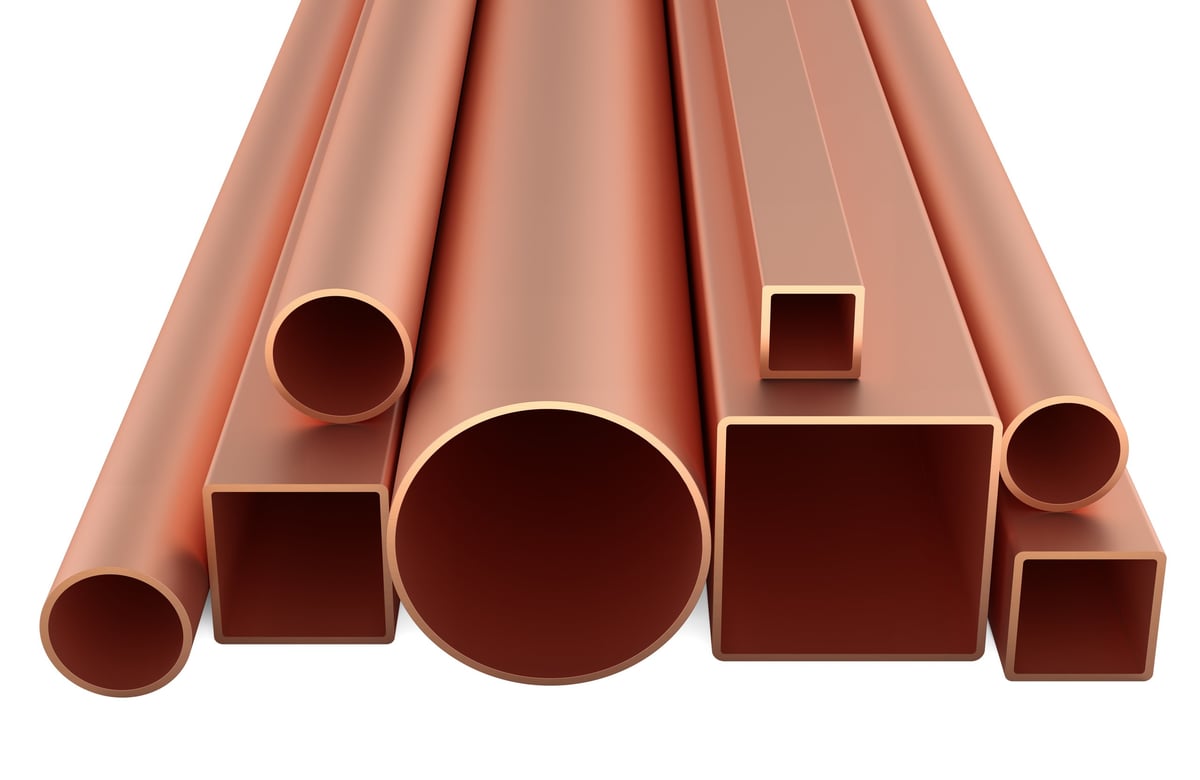
Equal sides, or a depth and a width — the difference decides how much of the member the order has to state.
Neither form is better in the abstract. Whether a section is adequate for a load is a design-code question for a qualified engineer, answered against the governing standard and the actual demand.
Request a Quote
Build the specification before you send it
Each field below is one the quotation has to resolve. Anything you leave blank is reported back as open rather than guessed — and if the summary cannot be sent, it can be copied into your own message.
Section form
Square (SHS) or rectangular (RHS).
Changes: For RHS, fixes that depth and width are two separate values from here on.
Outside dimensions
Outside width and height in mm, and for RHS which is which.
Changes: The single most common source of a wrong quotation when the orientation is left implicit.
Wall thickness
Nominal wall in mm, with the tolerance regime the order is judged against.
Changes: Wall and tolerance together, not wall alone — a nominal wall is not an acceptance basis.
Standard & grade
The product standard and edition, and the grade or class within it.
Changes: Which designations are permissible and what the mill certificate is read against.
Finish
Bare, oiled, painted or galvanized — and the environment it faces.
Changes: Whether a coating is a separate order line rather than an assumption.
Specification & Verification
A standard, an edition, a grade and a tolerance are four different things
They are often written as one line on an enquiry, and that is where the ambiguity starts. Each one answers a different question, and a quotation can only be as precise as the weakest of them.

A nominal wall becomes a measurable requirement only when the tolerance regime is named alongside it.
The standard names which document governs the product. Its scope section says which forms and which manufacturing routes it was written for — read that before applying a designation from it.
The edition fixes which revision applies. An unqualified citation leaves that open, and the requirements or the naming can differ between revisions of the same document.
The grade is a designation inside that standard, not a synonym for it. A familiar-looking grade line from a different system is a comparison to be evidenced, not a substitution to assume.
The tolerance is what makes the dimensions and the wall checkable. It is a separate statement from the nominal value, and it is the one that decides whether a consignment is accepted.
Product standard and design code are not the same document. The standard tells you what the steel is and how it is measured. Whether a section is adequate for a given frame, column or load is a decision the applicable design code and a qualified engineer make. Nothing on this page settles that question.
| Input | What to state | What it changes |
|---|---|---|
| Section form | Square (SHS) or rectangular (RHS). | For RHS, fixes that depth and width are two separate values from here on. |
| Outside dimensions | Outside width and height in mm, and for RHS which is which. | The single most common source of a wrong quotation when the orientation is left implicit. |
| Wall thickness | Nominal wall in mm, with the tolerance regime the order is judged against. | Wall and tolerance together, not wall alone — a nominal wall is not an acceptance basis. |
| Standard & grade | The product standard and edition, and the grade or class within it. | Which designations are permissible and what the mill certificate is read against. |
| Finish | Bare, oiled, painted or galvanized — and the environment it faces. | Whether a coating is a separate order line rather than an assumption. |
| Cut length | Mill length or cut-to-length, with the quantity basis. | How the material is ordered, packed and priced — and what the fabricator receives. |
| Quantity & unit | Pieces, total length or tonnes, stated with its basis. | Whether the offer and your bill of materials are counting the same thing. |
| Destination & Incoterm | Delivery point and the Incoterm rule with its named place. | Where the seller's obligation ends and which documents the consignment needs. |
An evidence checklist, not a data table. No dimension, wall, weight, load or tolerance figure is asserted here, because those values depend on the exact standard, edition and product condition of the order.
Quality & Documentation
What you ask for, and what the paperwork can actually show
A request and its substantiation are different things. Being clear about which is which is what lets the evidence be checked at goods-in rather than argued about later.
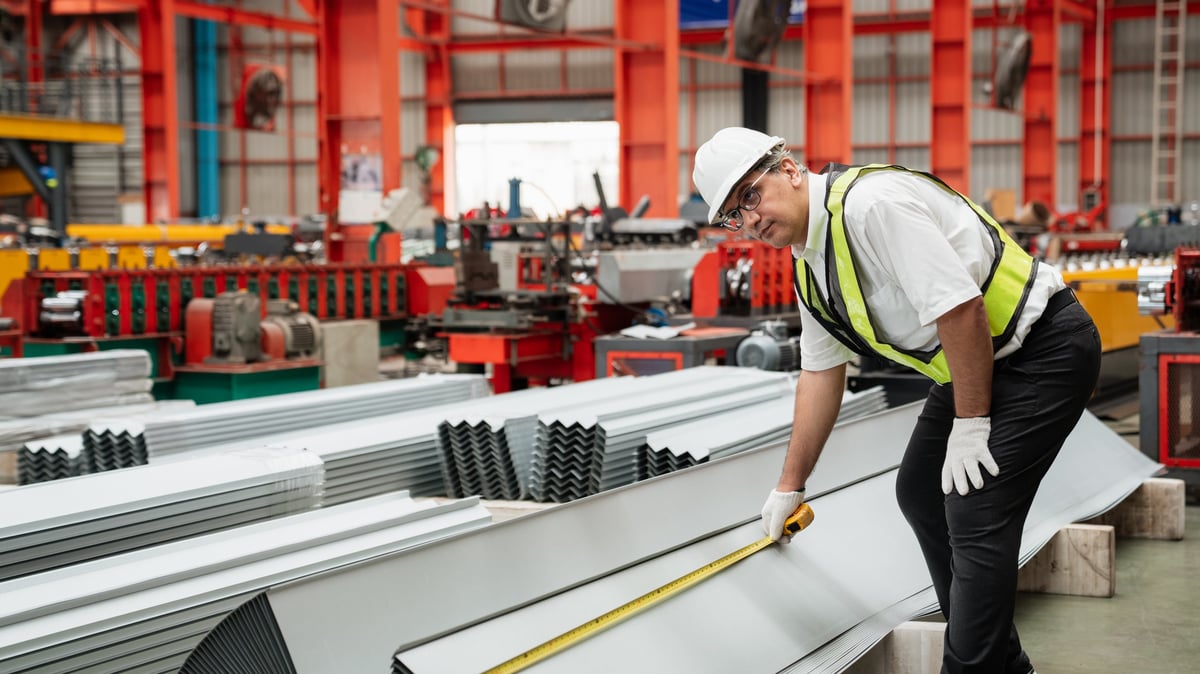
Inspection is judged against the standard and the purchase terms you named — not against a general expectation of quality.
Material certification
The mill certificate records what the steel is, read against the standard, edition and grade you named. Ask for it by purpose, and state the issuer you expect.
Dimensional & inspection records
Where the order calls for them, name the measurement and the inspection scope — surface, edge, weld or finish — and the basis acceptance is judged against.
Project approval is a separate question
A compliant certificate does not by itself mean a section is accepted for a project. That is answered by the project's specification and its approving party — keep the two claims apart on the enquiry.
A check worth doing early
The dimensions standard and the delivery standard are different documents
Cold-formed welded structural hollow sections are covered by more than one part of their European standard, and the parts do not say the same kind of thing. One governs the technical delivery conditions — what the product has to satisfy. Another sets out the tolerances, dimensions and sectional properties. A citation that names the standard without the part has not yet said which of those it means.
The practical effect is on the enquiry. If the drawing cites the dimension-and-tolerance part, the order has to carry the dimensions and the tolerance basis for acceptance. If it cites the delivery-condition part, the requirement is about what the material must satisfy and how it is evidenced. Writing "EN 10219" and stopping leaves both the seller and the fabricator to guess, and the guess tends to surface at inspection rather than at quotation.
So the check is small and worth doing at the start: name the standard, the part, and the edition. You can confirm the current scope and the publication details of the dimension-and-tolerance part at the BSI catalogue entry for EN 10219-2, and the scope of the ASTM structural tubing standard at the ASTM A500/A500M listing. Both are the publisher's own pages — the authoritative statement of what each document covers and at which edition. What neither of them does is confirm a section for your structure; that stays with the design code and the engineer responsible for it.
Application Pathways
Where the section sits, and what that changes about the enquiry
The same box profile behaves differently depending on what it is doing. These are the service and fabrication considerations that recur, and the checks each one adds.
Destination Planning
Where the consignment is going changes what has to be agreed
The section specification and the destination plan are separate decisions. Each of these routes carries the delivery-point, documentation and packaging questions that belong to moving the material.






A country link is a destination-planning page. None of them implies a local office, warehouse or stock position, and none of them changes the steel specification.
Reference & Verification
Where to check a size, a weight or an adjacent question
Use these to verify a value you are about to write on the enquiry — not to settle a capacity question, which no chart can do.
Commercial Basis
What changes the quotation, and what it does not
The specification fixes the product. These are the commercial inputs that move with the enquiry — and the ones that are confirmed against it rather than published in advance.
Quantity & unit basis
Whether you are counting pieces, total length or tonnes decides how the offer is built and what it includes.
Destination & Incoterm
The delivery point and the named place move the packing, the freight basis and the document set together.
Finish & cut length
A coating and a cut-to-length requirement are each an added operation, and each is quoted as its own line.
Availability, origin & timing
These are confirmed against the live enquiry. Nothing on this page states a stock position, an origin or a lead time.
Common Questions
Questions a box profile enquiry usually raises
How do I state which way round a rectangular section goes?
Give the outside width and height and say which is the depth and which is the width in the orientation the drawing uses. The same two numbers written the other way round describe a different member, so the order has to carry the orientation rather than leaving it to be inferred from the numbers alone.
Is a nominal wall thickness an acceptance figure?
No. A nominal wall states what was ordered; it is not the basis a consignment is judged against. The order has to name the tolerance regime the governing standard applies, because that is what makes the wall measurable on delivery. State the wall and the tolerance together so both sides are reading the same requirement.
Can the same grade be used for a different standard?
Only if the two standards are genuinely reconciled, which is a check rather than an assumption. A designation belongs to the standard that defines it, and a different standard carries its own scope, dimension rules and testing. Where a substitution is being considered, it has to be evidenced against both documents rather than accepted because the grade name looks familiar.
When is galvanizing the right finish?
When the exposure justifies a coating and the order accounts for it as a separate requirement — it is a conditional choice, not a default for every box profile. State the environment the member faces, and whether the coating is specified by the project or left to be agreed, so it is quoted as its own line rather than assumed.
What does the mill certificate actually prove?
It records what the steel is, read against the standard, edition and grade you named on the order. It does not, by itself, prove a section is accepted for a particular project — that is answered by the project's own specification and its approving party. Keep the two claims apart so the certificate is not read as a project approval.
Send the section, the wall and the standard
State the outside dimensions with the orientation, the wall, the standard and edition, and the destination. The quotation comes back read against exactly those — with anything left open named as open.
sales@noordeirasteel.ae · +971 56 398 0860 · Business Bay, Dubai