
Steel Sheet · Cold Rolled Grade
The delivery state decides, not the designation
SPCC names a cold-reduced commercial-quality sheet, and the designation is the least informative part of the order. What decides whether the supply suits a stamping or precision operation is the delivery state — the temper, the surface finish, the flatness and the way the coil or sheet is protected — and none of those is carried by the grade letters. Settle the forming operation and the finish first; the designation is what you write on the line afterwards.
Tell us what the press does and what the surface has to look like — the temper and finish follow from those, and pricing is on request.
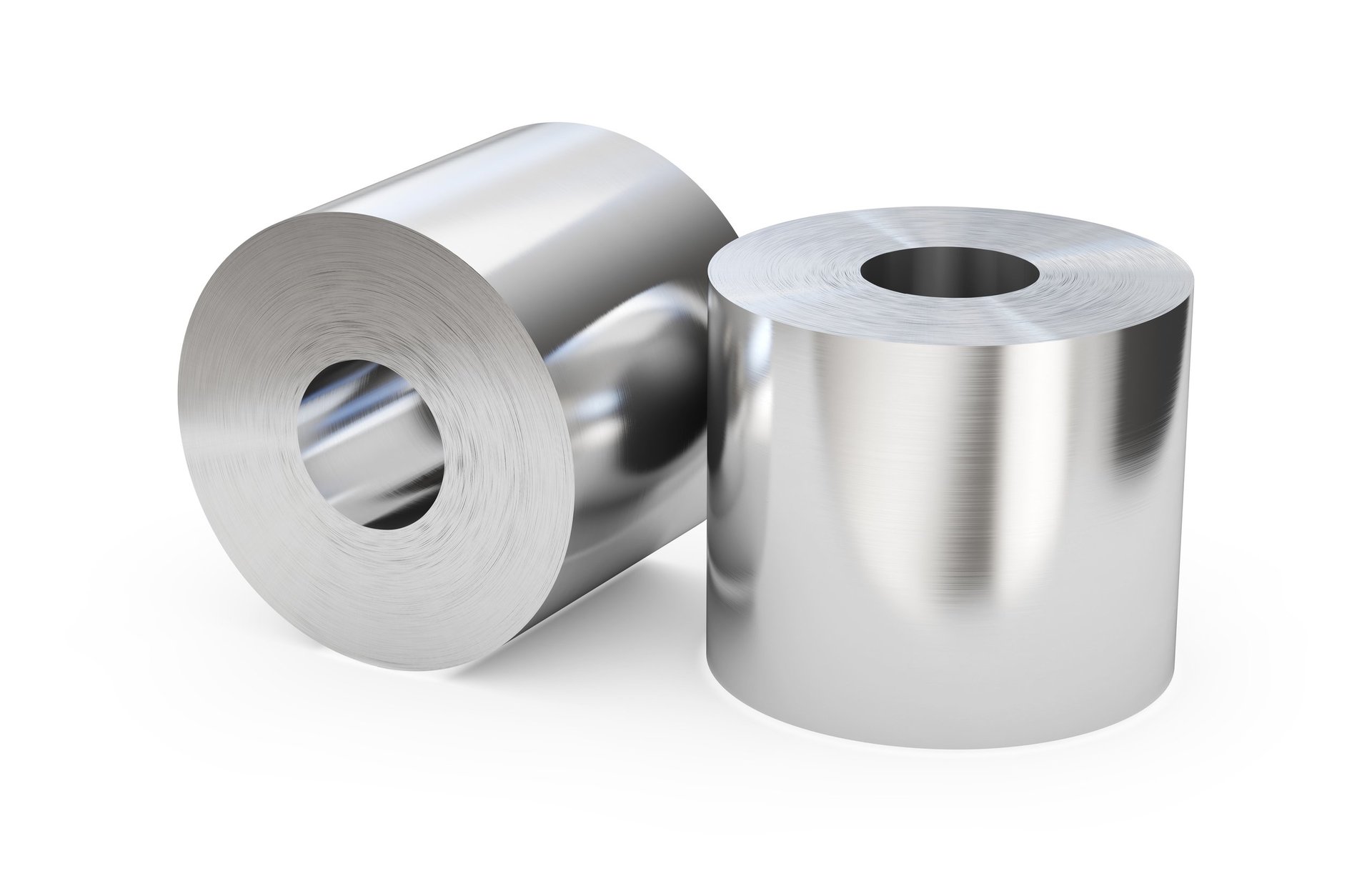
Temper first
Not a mill default
Finish is separate
State it either way
Scope of the Designation
What the letters carry — and what the order has to add
SPCC identifies a class of cold-reduced material. Everything a stamping operation actually feels at the tool is settled elsewhere, and that gap is where surface-sensitive supply goes wrong.
What SPCC names
It is a cold-reduced commercial-quality designation — the general-purpose end of a Japanese cold-rolled family. It identifies a class of material and a manufacturing route, and it is a starting point rather than a description of what will arrive.
The letters do not state a temper, a finish, a flatness limit or a protection method. Those are the fields that decide whether the supply suits your press.
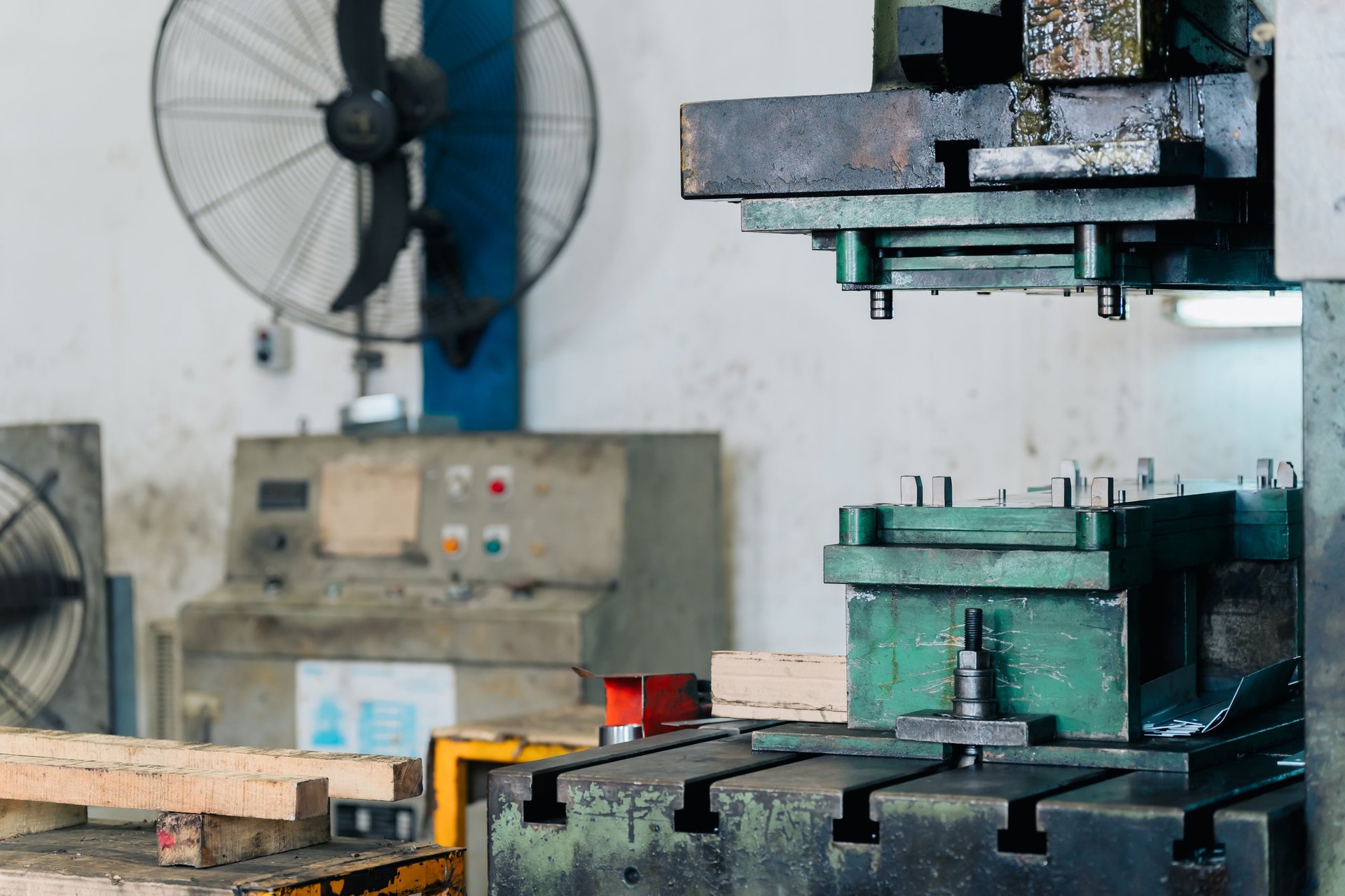
What the press experiences is the delivery state, not the designation.
Forming & Finish Worksheet
Five fields to settle, and the evidence each one needs
Work down the list before the material is quoted. Each field pairs what you have to decide with what the supply has to demonstrate — the worksheet sets the requirements and does not compute or confirm a property value.
| Field | What to settle | Why it is evidence-bearing |
|---|---|---|
| The forming operation | What happens to the sheet — stamping, pressing, drawing, roll-forming or flat blanking — and how severe the deformation is. | The operation determines the temper and formability requirement, and it is the first field to fix because everything else follows from it. |
| Temper and condition | The temper or condition the supply is delivered in, named as its own instruction rather than inferred from the designation. | Confirm the condition on the inspection document matches what was ordered. A softer or harder condition than specified changes how the material behaves at the tool. |
| Surface finish | The finish standard the visible part has to meet, and whether appearance or paint adhesion governs the choice. | Finish is a separate acceptance item from formability. Where the part is seen, state the finish; where it is painted, state what the coating process expects. |
| Dimensions and flatness | Nominal thickness with units, the width and length or coil format, and the flatness the operation can tolerate. | Thickness and flatness both bear on how a blank sits in a die. State them with the tolerance basis rather than leaving the acceptance limit to the mill. |
| Protection and identification | How the material is protected in transit — oiling, wrapping, interleaving — and the identification that must travel with it. | Surface-sensitive material arrives damaged more often from handling than from manufacture. Agree the protection and the identification together, before shipment. |
The worksheet structures the enquiry — it does not state a temper value, a finish grade or a flatness limit, and it confirms nothing about the supply. Your drawing and the standard it cites carry those values.
Start at the tool
Begin with the forming operation and work outwards. The severity of the deformation sets what the material has to do, and temper and formability requirements follow from it.
Decide who needs the finish
Whether the finish serves appearance or a coating process changes what to specify. Both need it stated; neither can be left to the mill's default.
Protect it to the press
A surface requirement met at despatch can be lost in transit. Oiling, wrapping and interleaving are part of the specification where appearance matters.
Request a Quote
Send the forming operation and the finish
An SPCC enquiry is only as good as the delivery state behind it. State what the press does, the temper and finish you need, and how the material has to be protected — anything left open comes back as open.
The forming operation
What happens to the sheet — stamping, pressing, drawing, roll-forming or flat blanking — and how severe the deformation is.
Temper and condition
The temper or condition the supply is delivered in, named as its own instruction rather than inferred from the designation.
Surface finish
The finish standard the visible part has to meet, and whether appearance or paint adhesion governs the choice.
Dimensions and flatness
Nominal thickness with units, the width and length or coil format, and the flatness the operation can tolerate.
Writing the Order
What separates a formable order from a hopeful one
The designation is one line. What surrounds it is what makes the supply predictable at the tool, and each element answers a question the press will otherwise ask.
The operation: what the press, die or roll does, and how severe the deformation is. It is stated first because it is the requirement every other field is chosen to satisfy.
The condition: the temper or delivery condition, named as its own instruction. This is the field most often left blank and the one that most directly governs behaviour under the tool.
The finish and its purpose: surfaced for appearance or for a coating process. Stating which one applies is what lets a finish requirement be specified and accepted sensibly.
The protection: how the coil or bundle is oiled, wrapped and interleaved, plus the identification it carries. Agree it before despatch, when it can still be changed.

A predictable press result comes from the delivery state being specified, not assumed.
Surface & Evidence
Where surface-sensitive supply is lost
Material that meets its requirement at despatch can still arrive unsuitable. Three points decide whether it does, and only one of them happens at the mill.
Protection in transit
Oiling and wrapping exist to carry a bare, finished surface through handling and sea freight. Where they are left to a default rather than agreed, the surface that was specified is the thing that suffers.
Handling at both ends
Cold-rolled sheet marks more visibly than a coated or descaled product. Inspect at goods-in rather than at the press, so a handling problem is caught while it is still a transport question.
The document and the identity
Reconcile the inspection document against your order — designation, condition and dimensions — and keep the heat or lot identification with the material through cutting.
Why cold-rolled is bought differently
On a hot-rolled order the grade is the argument; here it is not
Structural grades are bought against a strength requirement, so the designation carries most of the decision and the document work is largely about reconciling it. Cold-rolled sheet for forming is a different kind of purchase. The designation names a class of material — roughly, what it is and how it was made — and stops there. It does not say how the steel was left by the rolling mill.
That last part is the whole decision. Cold reduction hardens the strip, and the condition it is left in is a deliberate choice made by the supplier, not a fixed consequence of the grade. A condition that draws cleanly in one die can split or tear in another, and the same designation can be delivered in more than one condition. So the buyer who specifies SPCC and nothing else has specified the least consequential half of the order, and left the half that decides the outcome to whoever filled in the rest.
The corrective is not complicated, and it runs in the opposite direction to a structural enquiry. Instead of starting from the material and checking it against a requirement, start from the operation and the finished surface, and derive what the material has to be. The forming severity sets the condition; the part's visibility or coating route sets the finish; the journey sets the protection. Named together, those four make the supply predictable. Named individually, or not at all, the order relies on the material behaving as it did last time — which works until the tool changes.
Where It Is Used
Operations that make the delivery state the deciding field
These are the situations where the condition and finish carry more of the outcome than the designation does. Open the application route where one matches your end use.
Stamped and pressed components
Where a die produces the part and the temper is doing the work. This is the operation where an unspecified delivery condition shows up fastest.
GCC Supply
Plan the destination separately from the delivery state
The condition and finish answer what the material is at despatch. The consignee, delivery point and document set answer where it is going — and those are planned on their own route.






A country link is a destination-planning page. None of them implies a local office, warehouse or stock position, and none of them changes the specification.
Commercial Basis
What is confirmed against your enquiry, not published in advance
A cold-rolled forming order turns on several inputs at once, and the delivery condition is the one that most often decides whether the supply is suitable.
Condition capability
Whether the temper or condition you need can be supplied, confirmed per enquiry rather than assumed from the designation.
Finish and protection
Whether the finish requirement can be met and held through the journey, with the packing agreed before despatch.
Origin and mill
The producing source is stated against the actual enquiry, not asserted as a standing position.
Documentation
The inspection document and any test evidence are confirmed against the standard and edition your drawing cites.
Pricing is on request. No rate, lead time or stock position is published before the condition and finish are confirmed.
Related Routes
Where the neighbouring cold-rolled decisions are answered
Open one only when it settles the question in front of you — a neighbouring designation or form is not evidence that two cold-rolled specifications are interchangeable.
Why Specify It This Way
What a specified delivery state buys — and what it asks of you
Treating the condition and finish as specification fields is more work at the enquiry stage. These are the honest terms of the trade.
A predictable press
When the condition is stated and reconciled, the material's behaviour at the tool is a known quantity rather than something discovered on the first run of the batch.
A surface you can accept
A finish specified against its purpose — appearance or coating — can be inspected and accepted on its own terms instead of argued over after the parts are made.
More fields to own
That precision is the cost. Temper, finish, flatness and packing all become requirements someone has to state, and leaving any of them blank returns the decision to the mill.
How the Order Moves
From a forming operation to a delivered coil
Each step settles something the next one depends on. The operation is fixed first and the delivery state is agreed before despatch, not after it lands.
- 01
State the operation
Describe what the press, die or roll does and how severe the deformation is, so the condition requirement has something to follow from.
- 02
Set the delivery state
Name the temper or condition, the surface finish and its purpose, and the flatness the operation can tolerate — each as its own field.
- 03
Agree the protection
Settle the oiling, wrapping and interleaving, plus the identification that must travel with the material and the document it is released against.
- 04
Reconcile on arrival
Check the condition, finish, dimensions and identity against the order before the material goes to the press.
Condition capability, finish and origin are confirmed against the live enquiry — never inferred from a worksheet outcome or a published list.
Request a QuoteCommon Questions
Questions a forming enquiry usually raises
Is SPCC the same as a DC01 or a deep-drawing grade?
No. They come from different standard systems and carry different formability provisions, and the deep-drawing qualities are a distinct step beyond commercial quality in any of those systems. The confusion arises because ordinary press work succeeds on all of them, which makes the substitution feel safe. Where a drawing names one designation, the material is checked against that designation — anything else is a proposed variation for the design owner, not a purchasing decision.
What is the temper, and why does the order need it?
Temper describes the condition the cold-reduced material is delivered in, and it governs how the steel behaves under the tool. A condition suited to one operation can be wrong for another, so it is a field on the order rather than a mill default you accept. Name the temper or condition you need, and reconcile it against the inspection document — that is one of the few checks that directly predicts performance at the press.
Does surface finish matter if the part gets painted?
It matters differently, which is why it has to be stated either way. Where the part is visible, the finish is an appearance requirement and is accepted as one. Where it is coated, the finish and the protective oil interact with the coating process, and the coating supplier's incoming-surface requirement governs. State which of the two applies, and specify against that rather than accepting whatever finish the mill ran.
How should surface-sensitive sheet be packed?
Agree the protection explicitly rather than leaving it to a default. Oiling, wrapping and interleaving all affect whether a coil or bundle arrives in the condition it left in, and a surface requirement that is met at despatch can be lost in handling. Where appearance matters, the packing is part of the specification and belongs on the enquiry alongside the temper and finish.
Working through the dimensional side as well? The sheet dimensions reference covers the thickness and tolerance basis that the flatness requirement sits on.
Send the operation and the finish you need
Tell us what the press does, the temper you need and what the surface has to look like. The quotation comes back against a delivery state that was specified rather than assumed.
sales@noordeirasteel.ae · +971 56 398 0860 · Business Bay, Dubai