
Steel Sheet · Grade Qualification
Reconcile the drawing before you quote a grade
A grade enquiry usually arrives as a string on a drawing. The task is not to find the closest match by name — it is to establish whether that designation resolves to one route, whether a lookalike from another system can even be compared, or whether the question stays open until the thickness and condition are stated. This page sorts the three cases before anything is quoted.
Send the designation exactly as printed, with its standard and edition. An unresolved grade is reported back as unresolved — not mapped to the nearest lookalike.

Three verdicts
Match · conditional · open
No lookalikes
Equivalence needs evidence
Grade Qualification Worksheet
Sort the designation into one of three outcomes
Choose the outcome you are actually testing for, then read what each grade in that group requires you to confirm. A designation only moves groups once the standard, edition, thickness and condition are stated.
Documented matches
The designation on the drawing resolves to a single registered route. Confirm the standard, edition and delivery condition, then quote it directly.
ASTM A36
Check product form first — the standard covers shapes, plates and bars, so a sheet request has to be reconciled against its scope.
Open the ASTM A36 routeDX51D (galvanized)
A cold-forming designation within the galvanized-coil standard — the coating type and mass stay independent of the grade name.
Open the DX51D (galvanized) routeAISI 304
Fix the finish and the service exposure alongside the grade; the designation alone does not set a corrosion performance.
Open the AISI 304 routeAISI 316L
Where chlorides or more aggressive exposure are material, state them — 316L is an engineering judgement, not a default upgrade.
Open the AISI 316L route| Input | What to supply | What it changes |
|---|---|---|
| Drawing designation | The exact grade or designation string the drawing or datasheet prints. | Which registered route the enquiry is even eligible for. |
| Governing standard & edition | The standard number and the year/edition the contract names. | Which designations are permissible and what a certificate can be read against. |
| Thickness & delivery condition | Nominal thickness with units, and the condition the sheet is supplied in. | Whether the same designation actually carries the same requirement at that thickness. |
| Mechanical & impact requirement | Any minimum strength, elongation, or impact/toughness class the service demands. | Whether a conditional alternative can be considered at all. |
This worksheet groups designations by what still has to be evidenced. It is not an equivalence chart, and no row asserts that one grade may be substituted for another.
Request a Quote
Send the designation, the standard and the condition
The qualification is only as good as the inputs. Anything you leave open comes back as open rather than filled in with an assumption.
Drawing designation
The exact grade or designation string the drawing or datasheet prints.
Governing standard & edition
The standard number and the year/edition the contract names.
Thickness & delivery condition
Nominal thickness with units, and the condition the sheet is supplied in.
Mechanical & impact requirement
Any minimum strength, elongation, or impact/toughness class the service demands.
Specification
What has to be fixed before a grade can be confirmed
A designation on its own is a label. The qualification is complete only when the inputs it depends on are stated — and each of these changes which part of the designation applies.
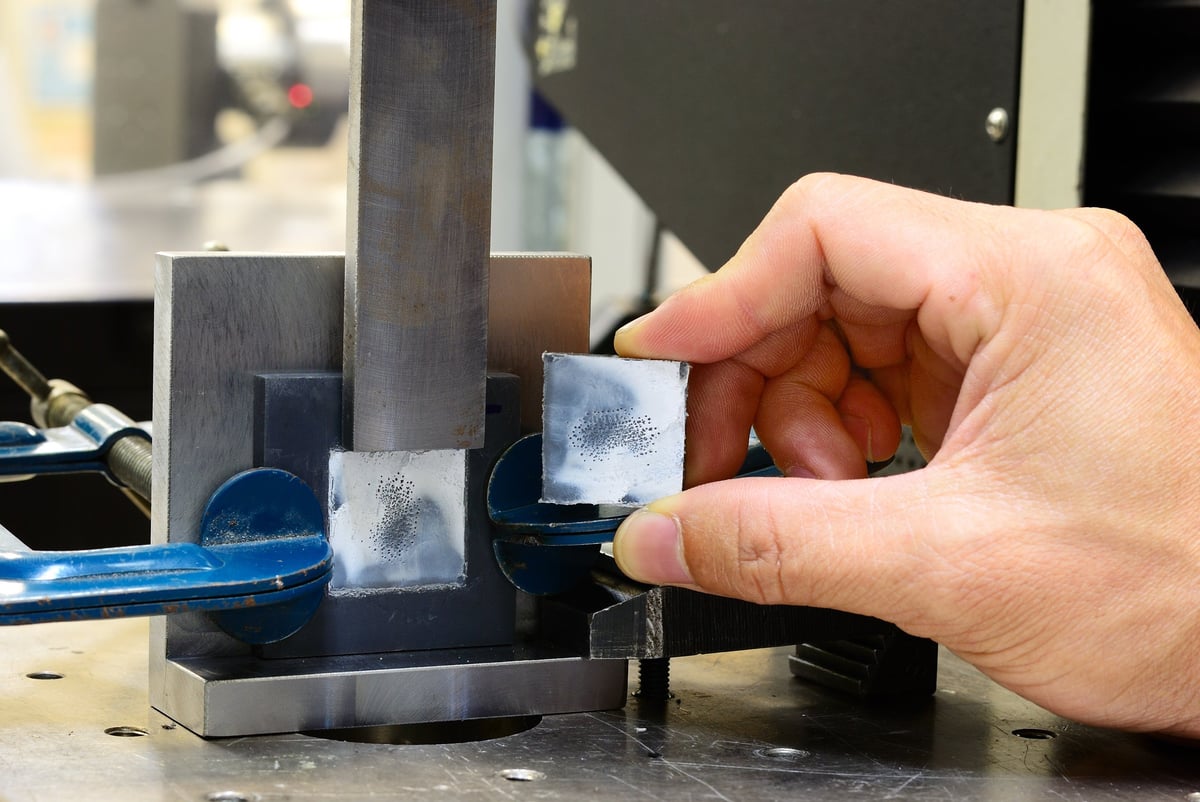
A grade is only as specific as the evidence the order will be read against.
Thickness is not incidental to a designation. Product standards routinely tie their requirements to the form and thickness range they cover, so the same name supplied at a different thickness can fall under different rules. State the thickness with units.
Delivery condition and mechanical requirement are separate statements. The condition describes what is supplied; the requirement describes what it must achieve. The two are confirmed independently and neither is inferred from the other.
Where an impact or toughness class applies, it is a property of the designation in its stated condition — not of the strength class alone. A higher number in the name does not carry toughness with it automatically.
Quality & Evidence
What the qualified grade has to be able to show
The document set follows the qualification. It is not a fixed bundle appended afterwards, and it is not the same for every group.
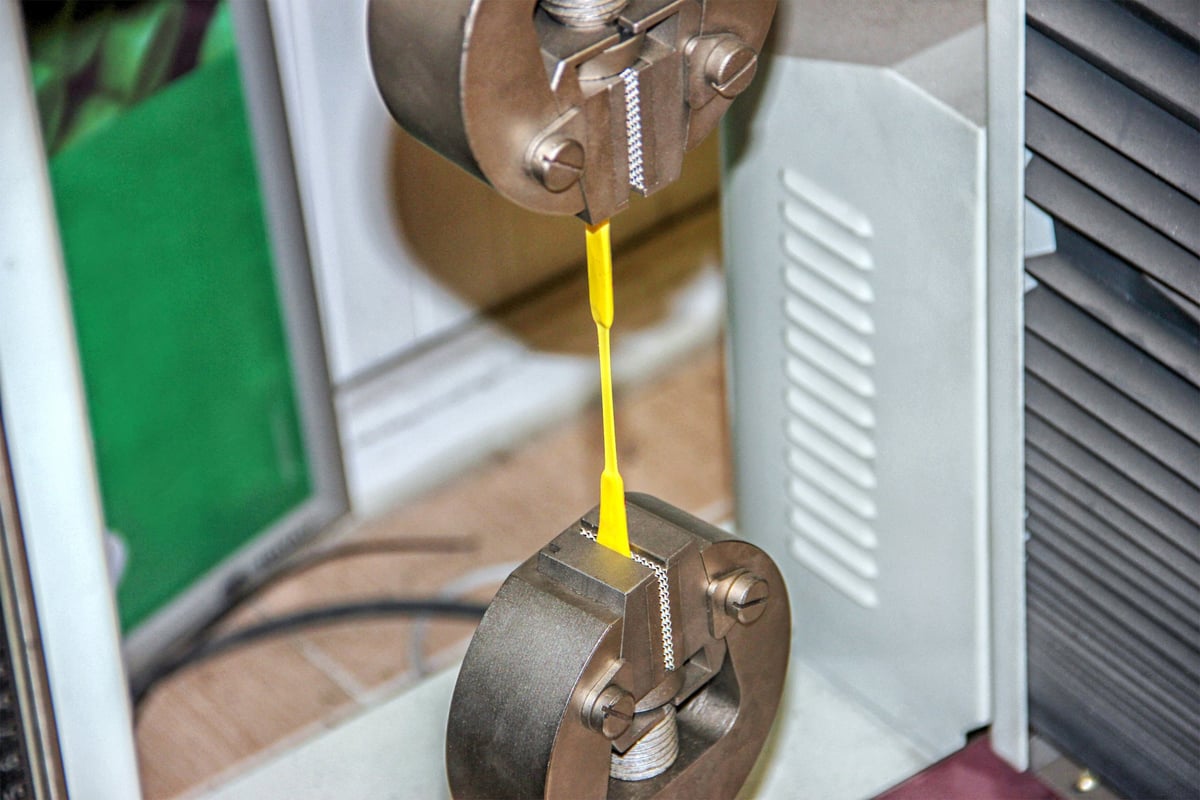
Mill certificate
Read against the standard, edition and designation you named — not against the grade name alone. A certificate is only meaningful next to the specification it answers.
Test evidence
Where the service adds a mechanical, impact or inspection requirement beyond the base standard, state it so the evidence scope is agreed before the order runs.
Project approval is a separate question
A certificate tells you what the steel is. Whether a particular designation is accepted for a given project is answered by that project's specification and its approving party — keep the two apart on the enquiry, because a compliant grade is not the same claim as an approved one.
Why grades resist a lookup table
A designation is a rule set, not a number
Grade names read like labels, which is exactly why an equivalence chart is tempting and usually wrong. A designation belongs to a standard, and that standard defines the scope it applies to — the product form, the dimensions and often the delivery condition. Two designations that both describe a structural sheet can still sit under different scopes, which means the comparison is between rule sets rather than between two numbers.
The practical consequence is that a substitution is a claim about evidence. Saying one grade will do in place of another asserts that the dimensions, the condition and the mechanical requirements will all hold for the actual consignment. That is a checkable statement, and it should be checked — against the standard-by-standard scope and the dimensional and condition data for the order — before it appears on a quotation.
Where the drawing's designation resolves cleanly within one standard, the qualification is short: confirm the edition, the thickness and the condition, and quote it. The difficulty is not in the common case. It is in the enquiry where two systems have been treated as interchangeable by habit, and where the honest answer is that the evidence is not yet in hand.
Applications
Where the qualification is usually being tested
The grade question arrives in a different shape depending on what the sheet is for. These are the contexts where the three outcomes most often diverge.
Structural fabrication
The strength class and the impact requirement are read separately. A design that fixes one has not necessarily fixed the other.
Cold-formed parts
The forming designation travels with a formability and finish expectation that the drawing may or may not have accounted for.
Exposed & hygienic surfaces
The family usually narrows first, and the grade then has to be read together with the finish and the service medium.
GCC Supply
Plan the destination separately from the grade
The qualified grade answers what the steel is. The consignee, delivery point and document set answer where it is going — and those are planned on their own route.






A country link is a destination-planning page. None of them implies a local office, warehouse or stock position, and none of them changes the steel specification.
Related Routes
Where the neighbouring decisions are answered
Open one only when it settles the question in front of you — an adjacency is not evidence that two designations are interchangeable.
How a Grade Enquiry Moves
From a string on a drawing to a qualified order
Each step fixes something the next one reads against. Skipping one does not save the time — it moves it to the point where the material is already committed.
- 01
Read the designation
Take the grade string exactly as printed, with the standard and edition it comes from.
- 02
Resolve the route
Establish whether it maps to one registered route, or whether it stays open pending evidence.
- 03
Fix the condition
State thickness with units, delivery condition and any impact or mechanical requirement.
- 04
Assemble the order
Add quantity, destination and the documents the consignment needs, then request the quote.
Availability, origin and delivery timing are confirmed against the live enquiry — never inferred from a worksheet outcome or a published list.
Request a QuoteCommon Questions
Questions this qualification usually raises
Can two similarly numbered steel grades be treated as substitutes?
Not without both standards in front of you. A designation carries the scope, the dimension rules, the delivery condition and any impact class of its own standard. Two grades that look close by a number in their name can still differ on thickness limits or on whether a toughness requirement applies at all. Treat any substitution as a question to be evidenced, not assumed.
The drawing names a grade that is not on this page. What then?
Send the designation exactly as it is printed, with the standard and edition it comes from. Many designations resolve to a route this page does not list, and the qualification is the same exercise: match the standard and edition, then confirm thickness and delivery condition. A designation we cannot reconcile is reported back as unresolved rather than mapped to the nearest lookalike.
Why does thickness matter if the grade name is already fixed?
Because a designation's requirements are frequently tied to the product form and thickness range the standard covers. The same name at a different thickness can fall under different rules, or under a different route in the same standard. State the thickness with its units so the designation is read against the right part of the scope.
What makes a conditional alternative different from a documented match?
A documented match resolves to one route with the same standard behind it. A conditional alternative is a different national system whose product standard and dimension rules differ; the comparison only holds when the dimensional and mechanical evidence has been stated and checked. Until that evidence is in hand, the honest answer is that the substitution is unresolved.
Send the designation and we will tell you where it stands
Quote the grade exactly as your drawing prints it, with its standard and edition. It comes back qualified against the evidence — or plainly unresolved, which is the more useful answer when a substitution is being considered.
sales@noordeirasteel.ae · +971 56 398 0860 · Business Bay, Dubai