
Steel Sheet · Cold Rolled · Standard
Three documents, not one
An EN 10130 order is a stack of documents, not one. The designation and its edition govern the cold-rolled low-carbon product and the forming grades within it; the surface condition is a separate choice with its own designations; and the dimensional tolerances come from a different document again. Buyers most often go wrong by citing the first and assuming it carries the other two — so the worksheet below exists to keep the three separated before the enquiry goes out.
Send the grade, the finish and the tolerance basis together — they decide what can be offered, and pricing is on request.

Grade ≠ finish
Two documents
Tolerances ≠ either
A third one
Scope Screening
What an EN 10130 citation does and does not carry
The specification is doing real work — it defines the product and organises its forming grades — but it is not the whole order. These four tabs separate what it settles from what the enquiry still has to state.
The grade document
EN 10130 addresses cold-rolled low-carbon flat product for forming, and it organises its requirements into forming grades — the DC series — running from general-purpose work to progressively more demanding drawing categories. The grade you choose is what selects the mechanical requirement set and the testing that goes with it.
The forming grade answers what the material has to withstand. It does not, by itself, tell anyone how thick it must be or what its face looks like.

What is written on the enquiry is the only thing the delivered bundle can be checked against.
Grade & Finish Worksheet
Five fields, three of them carrying a scope flag
Each row states something the enquiry has to settle and the scope flag it raises. The worksheet produces decisions and flags — it names no grade value, no tolerance figure and no test result, because those are read from the documents you cite.
| Field | What the enquiry settles | Scope flag it raises |
|---|---|---|
| Forming demand | What the operation does to the sheet — flat blanking, roll forming, a general draw, or a demanding draw — and how severe the deformation is. | This points to which forming category within the grade document applies. It is the field the grade choice is read from, not a description of the part. |
| Forming grade | The grade designation the order calls for, named with the specification and the edition you are working to. | Scope flag: a grade name alone is not the specification. Confirm the designation sits inside EN 10130 rather than a different cold-rolled standard. |
| Surface condition and finish | The finish the visible face requires, and what it serves — appearance, paint adhesion, or a coating line's incoming condition. | Scope flag: this is a separate document from the grade. An order carrying only the grade has not specified the surface at all. |
| Dimensional tolerance standard | The tolerance document the order is accepted against, plus the nominal thickness and width it is being applied to. | Scope flag: the third document. State it explicitly — the grade document does not carry the thickness tolerances with it. |
| Testing and evidence | The tests the chosen grade requires the material to be released against, and the identification the consignment must carry. | Testing follows the grade. Read the requirement from the edition you cite, and reconcile it against the document rather than assuming a default. |
The worksheet sets out the fields and their flags — it states no grade limit, no tolerance value and no test result. Read those from the edition of each document your drawing cites.
Finish is not a grade field
Surface condition is designated separately. Where the face is seen or coated, name the finish on the enquiry — a grade-only order has said nothing about how the sheet looks.
Tolerances are a third document
Thickness and width tolerances come from their own standard. State which one governs, or the delivered thickness has no agreed limit to be judged against.
Start from the operation
Describe what the tool does and how hard it is on the material. That severity is what the forming grade is selected against, not the part name.
Request a Quote
Send the grade, the finish and the tolerance basis
An EN 10130 enquiry has to carry all three documents. State the grade, the surface condition and the tolerance standard, and anything you leave open comes back as open rather than assumed.
Forming demand
What the operation does to the sheet — flat blanking, roll forming, a general draw, or a demanding draw — and how severe the deformation is.
Forming grade
The grade designation the order calls for, named with the specification and the edition you are working to.
Surface condition and finish
The finish the visible face requires, and what it serves — appearance, paint adhesion, or a coating line's incoming condition.
Dimensional tolerance standard
The tolerance document the order is accepted against, plus the nominal thickness and width it is being applied to.
Building the Order
What a complete EN 10130 line references
Because the requirement is spread across documents, a complete order line is really a short list of citations plus the dimensions they apply to. Each element answers a question the supplier would otherwise put back to you.
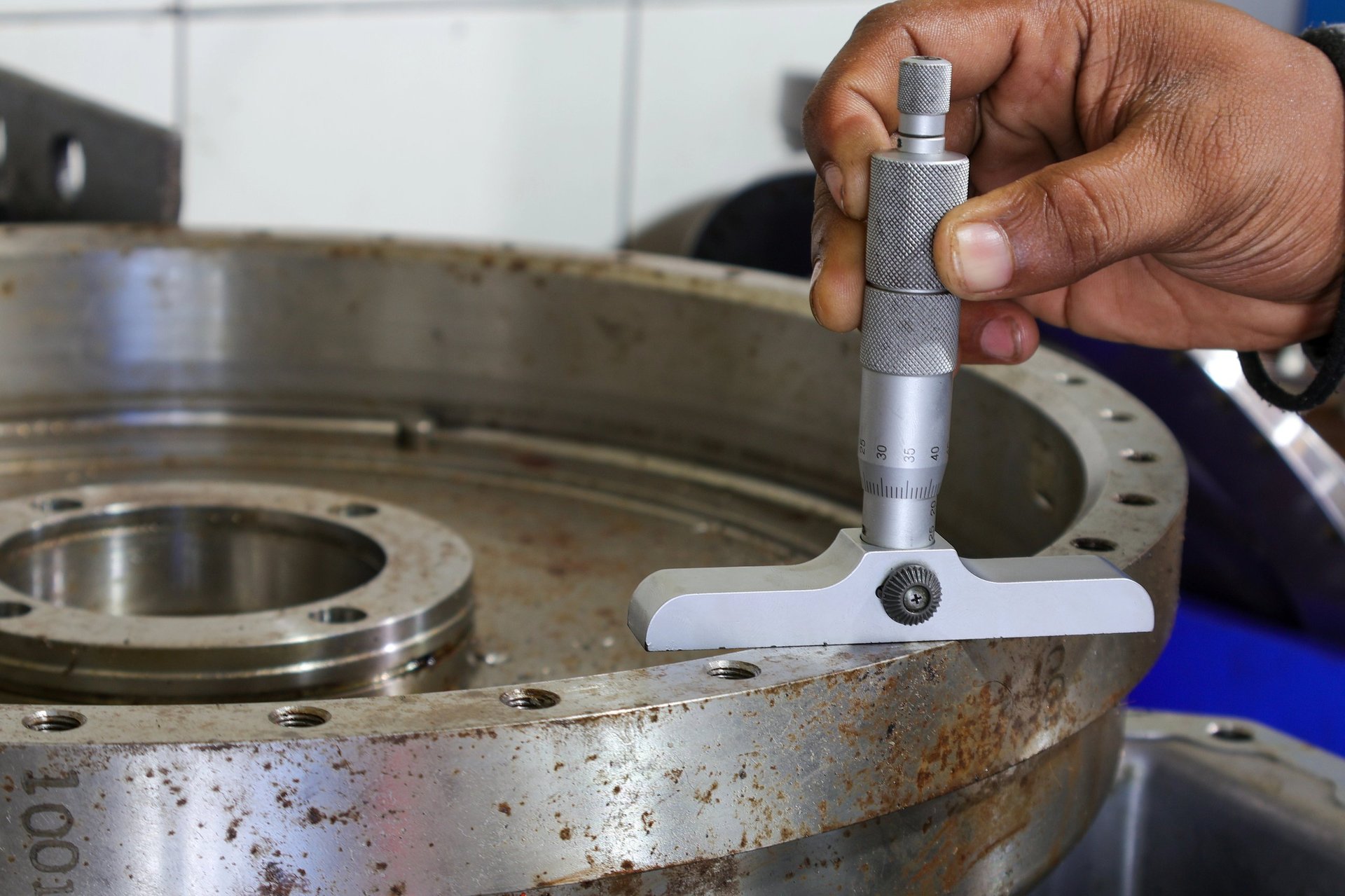
Thickness is judged against a stated tolerance document, not against an expectation.
The specification and edition: the product standard with the year you are working to, which fixes the product scope and the revision of the requirements the certificate will be read against.
The forming grade: which grade within the product standard applies, named in full. It selects the mechanical requirement set and the testing that follows from it.
The surface condition: the finish and its purpose, cited as its own designation. Where the face is visible or coated, leaving this off the order leaves the outcome to chance.
The tolerance document: the standard the dimensional acceptance is taken from, plus the nominal thickness and width it is applied to, in one consistent unit system.
Document Evidence
Reconciling three documents on arrival
Because the order cites more than one document, the acceptance check is a matching exercise rather than a single look at the certificate. Three pairings have to line up.
Grade and edition
The certificate should cite the product standard, its edition and the forming grade you ordered. A document issued against a different revision is not evidence for your order, however familiar the designation reads.
The finish recorded
Where a finish designation was specified, confirm it appears on the record. An appearance or coating requirement that lives only in the order correspondence is not evidenced, and cannot be reconciled later.
Dimensions to the stated basis
Check the recorded thickness against the tolerance document you named, not against a general expectation of what cold-rolled sheet should measure. Keep the heat or lot identification with the sheet through cutting.
Why one citation feels like enough
A product standard is one shelf in a small library
Standards are written by committees solving a particular problem, and the boundaries between them reflect those problems rather than the shape of a purchase order. One document works out what a cold-rolled product is and how its forming grades are defined. Another addresses what a surface should look like. A third sets out how much a thickness is allowed to vary. Each is a complete answer to its own question, and none of them is a complete answer to an order.
The reason this catches experienced buyers rather than novices is that the citation does real work. Naming the product standard and a forming grade genuinely specifies the material in the sense that matters most — what it is made of and what it will withstand. The order then reads as finished, and the gaps are the ones that feel like details: which surface, and tolerances according to whom. Both of those details become expensive in the specific conditions where they matter, which is exactly when they are discovered.
The habit that avoids it is small. Rather than treating the citation as a single act, treat it as a short list — product standard and edition, forming grade, surface condition, dimensional tolerance basis — and check that each entry has something in it. Four lines on an enquiry, and the material that arrives can be reconciled against all of it instead of against the two parts anyone remembered to write down.
Where The Citation Appears
Duties that put a European cold-rolled specification on the drawing
These are the situations where EN 10130 is cited and the grade, finish and tolerance basis all have to be resolved before the material can be sourced.
Close-tolerance presswork
Parts where forming behaviour and thickness control both matter, so the grade and the tolerance document are carrying the outcome together.
Visible and coated parts
Applications where the surface is either seen by the end user or receives paint, making the finish designation a requirement rather than a default.
Specified to a European drawing
Components designed and specified under European practice, where the drawing's citations govern and the review is against them rather than local habit.
None of these is a suitability determination for a particular part, and none replaces the design approval behind the call-out. Where a governing document sets the requirement, that document decides.
GCC Supply
Plan the destination separately from the specification
The grade, finish and tolerance basis answer what the sheet is at handover. The consignee, delivery point and document set answer where it is going — and those are planned on their own route.






A country link is a destination-planning page. None of them implies a local office, warehouse or stock position, and none of them changes the specification.
Commercial Basis
What is confirmed against your enquiry, not published in advance
An EN 10130 order turns on several inputs at once, and whether the grade and finish can be supplied together at your thickness is the one that most often decides the answer.
Grade and finish pairing
Whether the forming grade you need is obtainable in the surface condition you require, at your thickness — confirmed per enquiry rather than assumed.
Tolerance basis
Whether the material can be supplied and accepted against the dimensional document you have named.
Origin and mill
The producing source is stated against the actual enquiry, not asserted as a standing position.
Documentation
The inspection document and any test evidence are confirmed against the specification and edition you cite.
Pricing is on request. No rate, lead time or stock position is published before the grade, finish and tolerance basis are confirmed.
Related Routes
Where the neighbouring specification decisions are answered
Open one only when it settles the question in front of you — a neighbouring standard or grade is not evidence that two specifications are interchangeable.
Why Specify It This Way
What separating the documents buys — and what it asks back
Treating an EN 10130 order as three citations is more work at the enquiry stage than naming a grade. These are the honest terms of that trade.
A surface you actually asked for
When finish is a separate instruction, the visible face is a requirement that can be inspected and accepted, rather than whatever the mill's default produced.
Tolerances with an owner
Naming the dimensional document means the delivered thickness is judged against an agreed limit. The check exists because you created it, not by luck.
Three fields to keep straight
That precision is the cost. Grade, finish and tolerance basis all need someone to state them, and any one left blank quietly returns its decision to the supplier.
How the Order Moves
From a forming requirement to a reconciled delivery
Each step settles something the next one depends on. The tolerance basis is fixed before the enquiry goes out, not discovered at goods-in.
- 01
State the operation
Describe what the tool does and how demanding the deformation is, so the forming grade has a requirement to be selected against.
- 02
Cite all three
Name the product standard and edition, the forming grade within it, and the surface condition — as separate entries on the same order.
- 03
Fix the dimensional basis
State the tolerance document the order is accepted against, along with the nominal thickness and width it applies to.
- 04
Reconcile on arrival
Read the documentation against all three citations — grade and edition, finish, and dimensions to the stated basis — before release to production.
Grade availability, finish pairing and origin are confirmed against the live enquiry — never inferred from a worksheet outcome or a published list.
Request a QuoteCommon Questions
Questions an EN 10130 enquiry usually raises
Is the surface finish part of the EN 10130 grade?
No, they are separate instructions. The specification organises its forming grades by what the material has to withstand, and the surface condition is designated separately from that. So an order that names a forming grade and stops has left the visible face unspecified, which is exactly where appearance and coating problems originate. Name the finish and its purpose as its own field on the enquiry.
Where do the thickness tolerances come from?
From a dimensional standard rather than from the grade document. This is the separation that catches buyers out most often, because the grade can be specified perfectly and the order still not say which tolerances the delivered thickness is judged against. Where thickness is doing real work in the forming operation, state the tolerance basis explicitly, so the material is accepted against the limit you intended.
Can I substitute a comparable cold-rolled designation?
Not by declaration. Other cold-rolled standards describe broadly similar material under their own requirement sets, which is exactly why the substitution feels safe and gets made casually. Where a drawing names EN 10130, the supply is checked against EN 10130 — anything else is a proposed variation for whoever owns the design to accept or refuse on the record. Treat it as a technical question, not a sourcing convenience.
Which edition should the enquiry cite?
The one your drawing or governing specification works to, stated as a year alongside the designation. Editions are revised, and a grade designation that reads the same across them can be read against different provisions. Citing the edition is what allows the mill's certificate to be reconciled against the same revision of the rules you specified, rather than against whichever one the supplier happened to work to.
Reconciling the dimensional side? The sheet gauge chart covers the nominal thickness reference, and the sheet price guide sets out how the commercial inputs are assembled once all three citations are fixed.
Send all three, not just the grade
Give the specification and edition, the forming grade, the surface condition and the tolerance basis your order is accepted against. The quotation comes back against a complete citation rather than the part of it that got remembered.
sales@noordeirasteel.ae · +971 56 398 0860 · Business Bay, Dubai