
Steel Sheet · Coated · Standard
Coated is a feature. Conformance is a claim.
EN 10346 governs one family of coated flat product — continuously hot-dip coated, supplied for cold forming — and the qualifier doing the work is "continuously hot-dip". Galvanized sheet reaches the market by several routes that are not this one, so the first useful question on a coated enquiry is not which coating, but whether the material being offered sits inside this specification at all. Get that wrong and the rest of the order is being written against the wrong document.
Send the specification, the coating family and the coating mass basis together. Pricing is on request.

Coating ≠ specification
Different questions
Mass ≠ service life
Exposure decides
Scope Screening
Four questions that decide whether this document applies
Before coating type or coating mass is worth discussing, the material has to sit inside the specification. These four gates settle that — and the third one catches the most enquiries.
Is it continuously hot-dip coated?
The specification addresses flat product coated by a continuous process, where the strip runs through the coating bath as a coil-fed line. That production route is what the document is written around.
A sheet that was coated by a different route is not answered by this document, whatever the coating metal happens to be. Two products can carry the same zinc and sit under two different specifications.

A coated product is only answerable against the document it actually claims.
Coating Families
The families differ in how they protect, not in how much
The specification provides for several coating metal families, and choosing between them is a question about the exposure the finished part will meet. Each protects the steel by a different combination of mechanisms — which is why they are not ranked against one another.
The zinc family
The long-standing choice, and the one most coated sheet enquiries actually mean. The coating is predominantly zinc, which gives the steel sacrificial protection: where the coating is scratched through, the surrounding coating continues to protect the exposed steel.
Suits general exterior and industrial exposure where a zinc coating's protection is the requirement. Because the family resists corrosion by giving up material, its behaviour over a long service period follows the environment rather than the coating name.
The zinc-iron family
A relative of the zinc family where the coating is subsequently alloyed with the steel beneath it. The result is a different surface — one that behaves differently under paint and under forming than a plain zinc coating does.
Often selected where the coated face will be painted, or where a coating that is harder and less prone to marking suits the handling the sheet will get. It is its own order instruction, not a variant of the zinc family.
The aluminium-zinc family
A coating built from aluminium and zinc together, which changes the balance between barrier protection and sacrificial protection. The aluminium content makes the coating more resistant to certain environments than zinc alone, while the zinc still provides protection at cut edges.
Chosen where the exposure profile warrants it — often roof and wall cladding, and installations where the sheet stays visible. The trade-off is an edge and cut-protection behaviour that differs from a zinc coating, which matters where the sheet is heavily cut or drilled on site.
The zinc-magnesium family
A more recent addition to the coated range, combining zinc with magnesium and often aluminium as well. The coating is designed to resist edge and scribe corrosion more strongly than conventional coatings.
Selected for demanding exposure, and increasingly for cut-edge performance where a part is pierced heavily. It is a distinct instruction with its own implications for forming, joining and surface treatment — never a straight substitution for a zinc coating.
Families are described here by protection mechanism and typical selection logic. This page states no coating mass figure, no coating designation code and no service-life expectation — those are read from the edition you cite and confirmed against the exposure on your enquiry.
Configuration Builder
Six order fields, each with the evidence gate it raises
Every field below is something the order has to settle, paired with the check its documentation must pass. The builder names no coating mass, no designation code and no property value — it shows you where each field is checked, not what value to enter.
| Order field | What the enquiry enters | Evidence gate it raises |
|---|---|---|
| Specification and edition | The standard the order is placed against, with the edition your drawing or contract invokes. | The certificate must cite the same document and the same edition. A coated product conforming to a differently dated edition is a query, not a match. |
| Coating family | Which coating metal family the material carries, named as its own instruction. | Check the family appears on the record as something more than "galvanized". The family is what the coating clause actually addresses. |
| Coating mass basis and figure | The coating mass stated with the basis it is expressed against, and whether the figure covers one face or the sheet as a whole. | This is the field that erodes most quietly. A coating is checked against the basis it was declared on. A figure quoted on one convention and read on another describes a different coating — and the sheet passes its inspection while the requirement went unmet. |
| Substrate grade | The steel grade beneath the coating, named in full alongside the coated specification. | The coating specification does not supply the substrate grade. Confirm the grade is stated separately, because formability and structural behaviour come from the steel, not the coating. |
| Surface treatment | Any surface condition applied after coating — the treatment that affects handling, storage and how the sheet takes paint. | A treatment that exists only in the correspondence is not evidenced. If it affects what the fabricator can do with the sheet, it belongs on the order. |
| Dimensions and tolerance basis | Thickness and width, with the dimensional basis the order is accepted against — noting that coated thickness is measured on the coated product. | Dimensional acceptance is a separate document from the coating clause. Confirm both are named, and be explicit about whether the thickness you quote is of the coated or the uncoated product. |
The builder sets out fields and gates. It states no coating mass value, no designation code and no numeric limit — read those from the edition of the specification your order cites.
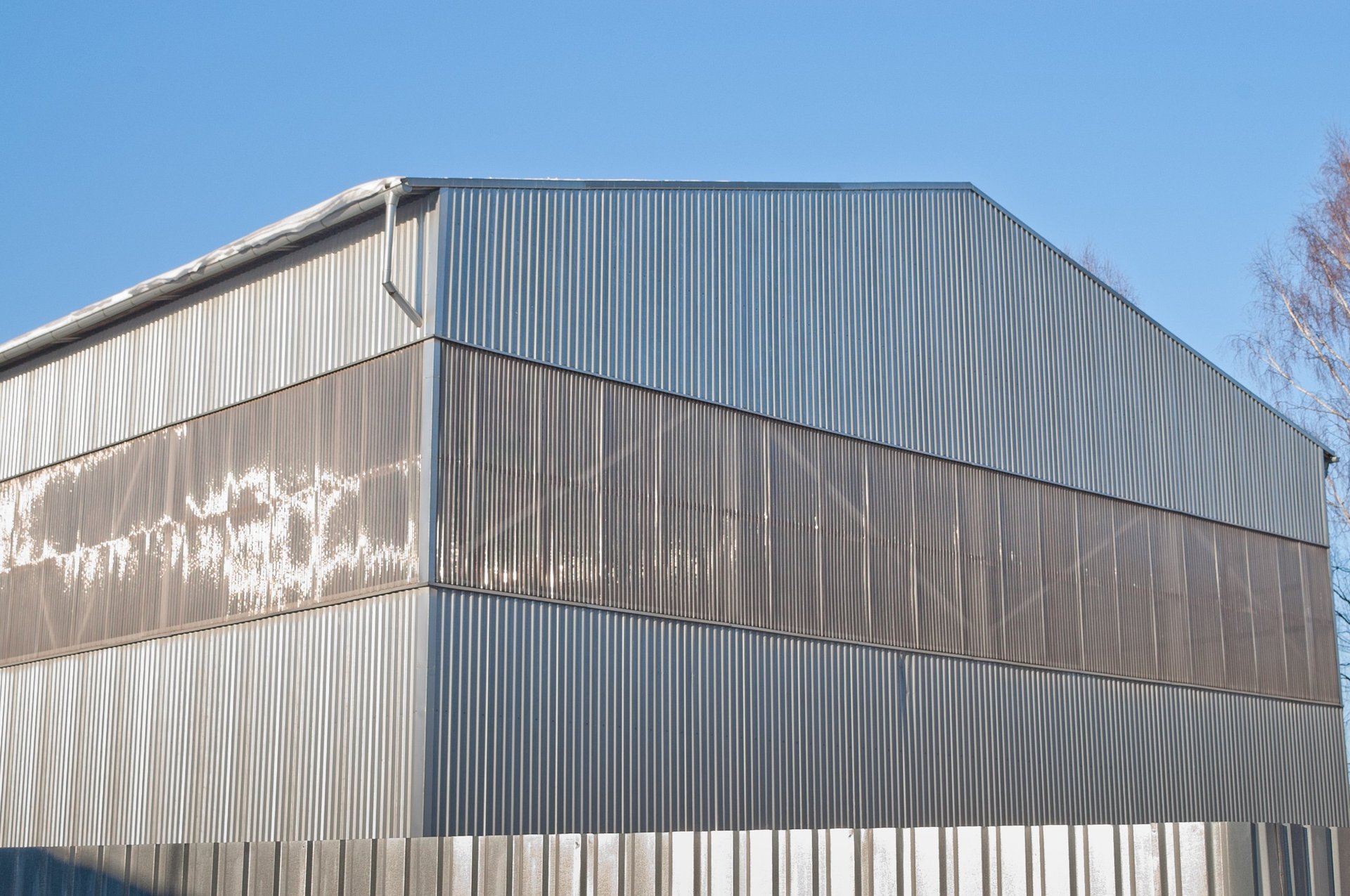
The coating that reaches service is the one the order actually declared.
The coating mass basis is where orders quietly come apart
Coating mass is expressed against a stated convention, and a convention has two parts: which unit the figure is given in, and whether it describes one coated face or the sheet as a whole. Buyers inherit these from whichever document they last worked from, and both sides of an order can be reading the same number against different rules without either noticing.
Nothing fails visibly in that situation. The sheet is coated, the figure matches the paperwork, and the requirement is unmet — because the requirement was never expressed in the same terms as the measurement. State the basis alongside the figure on the enquiry, and make the comparison mechanical instead of assumed.
Request a Quote
Send the specification, the coating and the mass basis
A coated enquiry needs the scope confirmed before the coating is discussed. State the specification and edition, the coating family, the coating mass with its basis, and the substrate grade — anything left open comes back as open rather than assumed.
Specification and edition
The standard the order is placed against, with the edition your drawing or contract invokes.
Coating family
Which coating metal family the material carries, named as its own instruction.
Coating mass basis and figure
The coating mass stated with the basis it is expressed against, and whether the figure covers one face or the sheet as a whole.
Substrate grade
The steel grade beneath the coating, named in full alongside the coated specification.
What The Record Proves
A coated certificate answers the coating question — and stops there
Because coating and steel are two separate instructions, the evidence is read in two parts. What the coating record establishes is real, and it is narrower than it looks.
What it does establish
The coating the material was produced with, stated against the specification and edition you ordered it under, and released to the tests that specification requires of it. That is a genuine and checkable claim.
What it cannot establish
How long the sheet will last in your installation. No coating record predicts a service period, because the exposure, the cut-edge treatment, the forming and the site conditions are all outside the document.
Read the two parts together
Check the coating record against the coated specification, and the steel record against the substrate grade. A document that answers one is not evidence for the other, and a certificate is only as useful as the citation it is read against.
Why "galvanized" is not a specification
A trade name describes a coating. A standard describes a product.
The word galvanized entered the trade describing a process, and it has since become a description of a result — sheet that has zinc on it. That is a perfectly useful thing to say in a yard or on a site, and it is not enough to buy against. A coated specification, by contrast, is written around a defined product: a particular way of applying the coating, a particular form the product is supplied in, and a defined set of coating families and conditions the order can choose between. It is narrow on purpose.
The gap between the two matters because the coating is not the only variable. The route the coating was applied by changes how it bonds to the steel, how uniform it is, and what the supplier can certify about it. The product form changes which document applies at all. And the substrate underneath is specified separately in every case. Two sheets that a buyer would describe identically — both galvanized, both the same thickness, both from the same supplier — can be produced under different specifications and carry certificates that establish different things.
So the discipline is a sequencing one. Establish which product specification the material claims before discussing the coating, because the specification determines what can be said about the coating at all. Then treat the coating family, the coating mass with its stated basis, the substrate grade and the surface treatment as separate instructions, each with its own entry on the order. It takes a few more lines at enquiry stage than naming a product, and it is the difference between a quotation that can be compared and one that cannot.
Where Coated Sheet Goes
Duties where the exposure decides the coating, not the budget
These are the situations where a coated specification is cited and the coating family has to follow from the installation rather than from what is available.
Roof and wall cladding
Large coated areas that stay exposed and visible, where the coating family is selected against the environment and the sheet's appearance over time is part of the requirement.
Post-formed components
Parts rolled, bent or drawn after coating, where the coating's tolerance of forming and the treatment of the cut edges both have to be considered alongside the corrosion duty.
Coated-then-painted work
Fabrications that receive a paint system over the metallic coating, where the surface treatment and the coating family both affect how the paint takes and holds.
None of these is a suitability determination for a particular installation, and none replaces the design approval behind the call-out. Where a governing document sets the requirement, that document decides.
GCC Supply
Coated sheet into the Gulf — exposure first, specification second
Coastal and inland conditions are genuinely different exposure profiles in this region, and they can point at different coating families. The destination is planned on its own route, alongside the exposure it will meet.






A country link is a destination-planning page. None of them implies a local office, warehouse or stock position, and none of them changes the specification.
Commercial Basis
What is confirmed against your enquiry, not published in advance
A coated order turns on several inputs at once, and the pairing of coating family with substrate grade at your thickness is usually what decides the answer.
Family and grade pairing
Whether the coating family you need is obtainable on the substrate grade and thickness you have specified — confirmed per enquiry rather than assumed.
Coating mass basis
That both sides are working to the same convention, so the figure quoted and the figure delivered describe the same coating.
Origin and mill
The producing source is stated against the actual enquiry, not asserted as a standing position.
Documentation
The inspection document and its evidence are confirmed against the specification and edition you cite.
Pricing is on request. No rate, lead time or stock position is published before the specification and coating basis are confirmed.
Related Routes
Where the neighbouring coated-sheet decisions are answered
Open one only when it settles the question in front of you. A neighbouring standard, grade or material is not evidence that two specifications are interchangeable.
Supplying coated product in coil rather than cut sheet? The same specification is addressed from the coil side in the steel coil range, where the handling and decoiling considerations differ.
Why Specify It This Way
The trade between a short enquiry and a comparable one
Establishing scope and separating the coating fields is more work up front than naming a product. These are the honest terms of that exchange.
Quotations you can compare
When every supplier receives the same specification, family, mass basis and grade, the quotations differ on commercial terms rather than on what they quietly assumed the product was.
A certificate that means something
A conformance claim read against the edition you cited proves something specific. The same document read against an assumed edition proves much less, however official it looks.
Scope still has to be checked
That is the cost. The specification covers one coating route and one product form, and material outside either is not improved by a more careful enquiry — it needs a different document.
How the Order Moves
From an exposure requirement to a checked delivery
Each step settles something the next one depends on. Scope is confirmed before the coating is chosen, and the mass basis is fixed before the enquiry goes out.
- 01
Confirm the scope
Establish that the material being sought is continuously hot-dip coated flat product for cold forming, and that it will claim this specification.
- 02
Read the exposure
Describe what the finished part will meet — coastal, inland, industrial, indoor, post-formed — because that is what the coating family is selected against.
- 03
Separate the fields
Write the specification and edition, coating family, coating mass with its basis, substrate grade, surface treatment and dimensions as distinct entries.
- 04
Check both records
Read the coating record against the coated specification and the steel record against the substrate grade, before release to production.
Coating availability, family-grade pairing and origin are confirmed against the live enquiry — never inferred from a builder outcome or a published list.
Request a QuoteCommon Questions
Questions a coated-sheet enquiry usually raises
Is all galvanized sheet made to EN 10346?
No, and assuming otherwise is the most expensive mistake available on a coated order. The specification covers continuously hot-dip coated flat product supplied for cold forming — one production route, one product form. Galvanized material reaches the market by other routes and in other forms, each with its own governing document. So "galvanized" tells you the coating is zinc-bearing; it does not tell you which specification the sheet was made against, and it is that second thing which decides what the certificate proves. Establish the specification first, then discuss the coating.
Does a heavier coating last longer?
Not in any way that can be read off the coating alone. Coating mass is one input into how a coated sheet behaves in service, and the others matter at least as much: how corrosive the environment actually is, whether the cut edges are protected, how the sheet is formed and handled, and whether it stays in contact with moisture. A heavier coating in a demanding environment and a lighter one in a benign one are not interchangeable, and neither figure predicts a service period. Treat coating mass as a specification input rather than a durability rating.
Which coating family should I specify?
Follow the exposure the finished part will actually see, and the answer usually narrows quickly. A zinc coating is the established choice for general exterior and industrial service and protects exposed steel sacrificially. The aluminium-zinc family is often selected where the sheet stays visible and the environment warrants a more resistant coating. The zinc-magnesium family is chosen where edge and scribe corrosion are the controlling concern. None of these is a straight upgrade of another, and moving between them changes forming, joining and painting behaviour as well as corrosion.
Can I substitute one coating for another on an existing order?
Not by declaration, and not on a supplier's authority. Changing the coating family changes the product: its corrosion behaviour, how it forms, how it takes paint and how it behaves at cut edges all move together. Where a drawing or contract names a coating, an alternative is a proposed variation for whoever owns the design to accept or refuse on the record. The commercial convenience of an available substitute is not evidence that the substitution is safe, and it is the party who approved it who carries the consequence.
What has to be on the enquiry for a comparable quotation?
The specification and the edition it is placed against, the coating family, the coating mass with the basis it is expressed on and whether that covers one face or both, the substrate grade, any surface treatment, the dimensions with the basis for accepting them, the quantity and the destination. Leave any one of those out and each supplier will fill it differently, which is how three quotations for the same line come back describing three different products. The coating mass basis in particular is worth stating explicitly rather than leaving to inference.
Reading the wider standards picture? The sheet standards index sets this specification beside the ASTM and JIS coated sheet standards, and the EN grades route covers the European standard family it belongs to.
Confirm the scope, then specify the coating
Tell us the specification and edition, the coating family, the coating mass with the basis it is expressed on, and the substrate grade. The quotation comes back against a complete specification rather than the coating name that got remembered.
sales@noordeirasteel.ae · +971 56 398 0860 · Business Bay, Dubai