
Steel Sheet · Surface-Processed
A clean surface to work on — not a coating to rely on
Treat pickled-and-oiled sheet as a surface-processed feedstock, not a finished or protected product. The pickling removes the mill scale so the surface can be worked or coated; the oil film is a temporary barrier against rusting in transit and storage, not permanent corrosion protection. If the next step is painting or welding, say so — the oil is a preparation requirement before that step, not a property that carries into it.
Tell us the next process step as well as the material — the surface requirement follows from it, and pricing is on request.
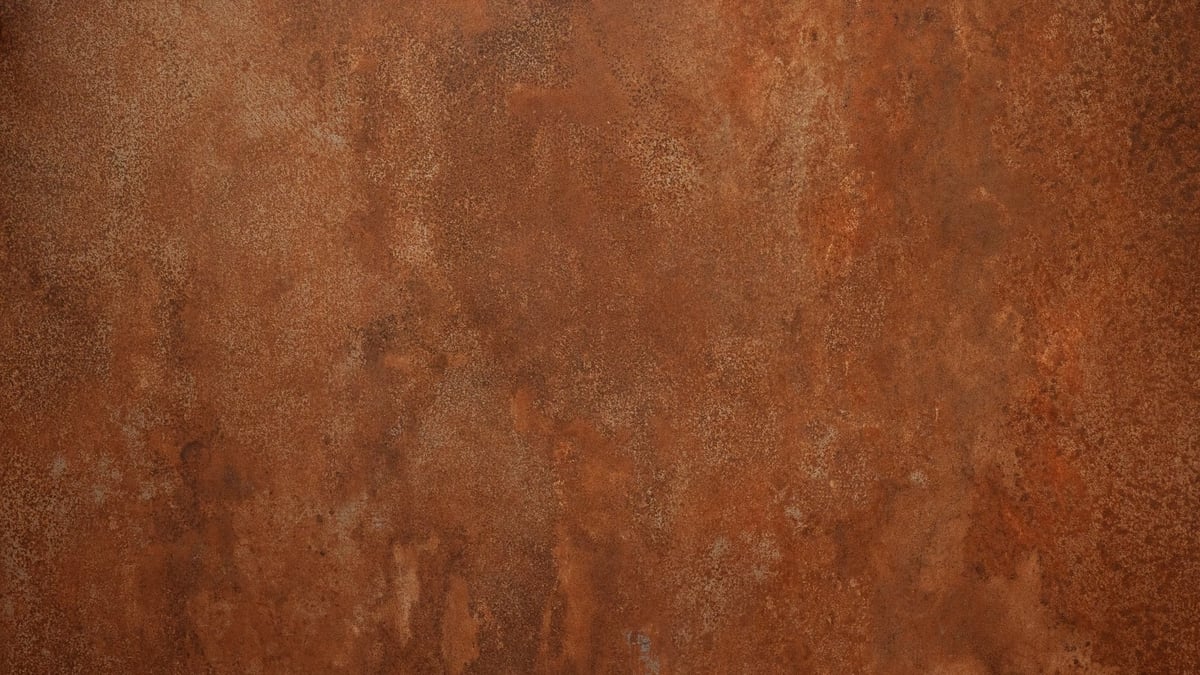
Scale removed
For working & coating
Oil is temporary
Not corrosion protection
Surface Process
Two steps, two different jobs — and two different limits
Pickling and oiling are often written as one phrase, which makes them easy to treat as one property. They are separate operations with separate purposes, and neither one removes the need for the next step to prepare the surface.
Pickling
Removes the oxide layer that forms on the surface during hot rolling, so the steel underneath is exposed uniformly.
It does not flatten the surface, tighten the dimensional tolerance, or change the grade.
Why it matters: A clean, scale-free surface is what makes a downstream coating or forming operation predictable.
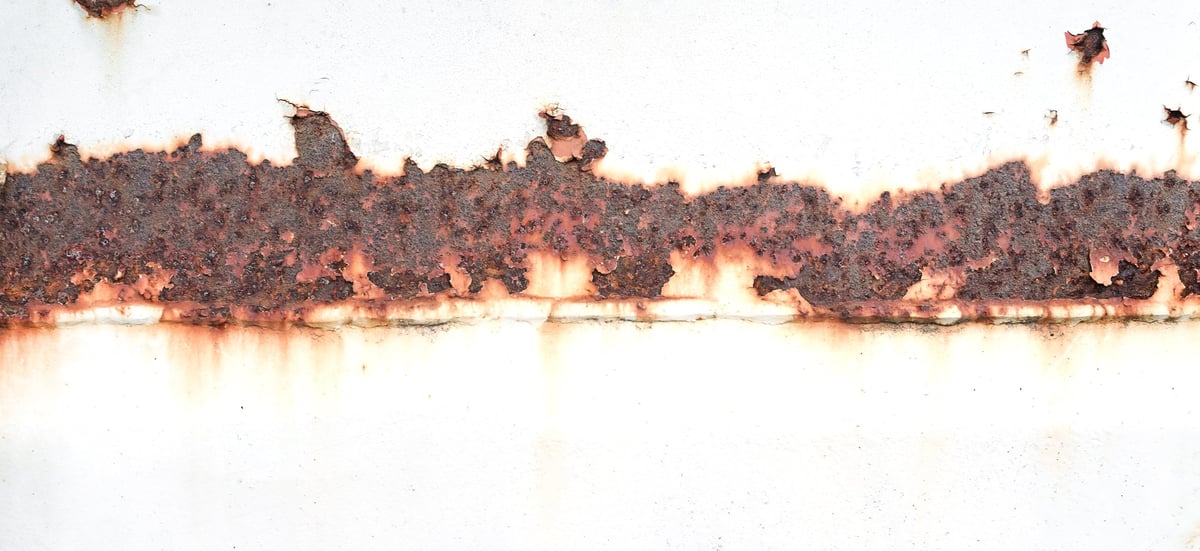
The surface state is what the next process receives — and what it has to work with.
Suitability Checklist
Five conditions that decide whether this surface suits your process
Each of these turns the surface state from an assumption into a stated requirement. Work through them against the next process step, not against the material name.
| Condition | What to settle | What it changes |
|---|---|---|
| Next process step | Painting, coating, welding, forming or general fabrication. | Whether the oil film is a help in transit or a preparation requirement before the next step. |
| Surface cleanliness requirement | What the next step's process actually specifies for the incoming surface. | Whether standard mill oiling is sufficient, or a different surface condition has to be agreed. |
| Grade and product standard | The designation the sheet is ordered to, with its standard and edition. | Whether pickled-and-oiled is even offered in that product — this is a surface state, not a grade. |
| Storage and exposure before use | How long the material sits, and whether it is sheltered or exposed. | How much temporary protection the oil film realistically provides before it has to be renewed or replaced. |
| Dimensions and tolerance | Thickness and width with units, and the tolerance regime that applies. | Confirms you are ordering the right mill product — the surface process does not change the dimensional basis. |
This checklist produces conditional requirements from your process — it does not calculate a result, and standard mill oiling is offered as a stated surface, not a guaranteed property.
Forming and bending
A scale-free surface so the tooling is not working against a brittle oxide layer, and a forming route matched to the grade.
Oil provides some lubrication in handling but is not a forming lubricant — confirm the press requirements separately.
Cutting and shearing
Consistent surface condition so cut edges and tool wear are predictable across the batch.
Flatness and thickness tolerance remain governed by the mill product, not by the pickling step.
Painting or coating
A surface that is genuinely clean at the moment of application — residual oil is a contaminant to the paint system, not a base for it.
Treat the oil film as something to be removed to the paint supplier's requirement before application is attempted.
Welding
Clean steel at the joint, with a weld procedure matched to the grade and thickness.
Oil at the weld area can affect the weld and must be removed to the procedure's requirement — do not assume it burns off harmlessly.
Request a Quote
Send the material and the next step together
The surface requirement follows from what happens next. State both, and anything you leave open comes back as open rather than assumed.
Next process step
Painting, coating, welding, forming or general fabrication.
Surface cleanliness requirement
What the next step's process actually specifies for the incoming surface.
Grade and product standard
The designation the sheet is ordered to, with its standard and edition.
Storage and exposure before use
How long the material sits, and whether it is sheltered or exposed.
Specification
The surface is one line of the order — the rest still has to be there
Pickling and oiling describe a condition applied to a steel that is already defined elsewhere. Complete the definition first, then add the surface state.
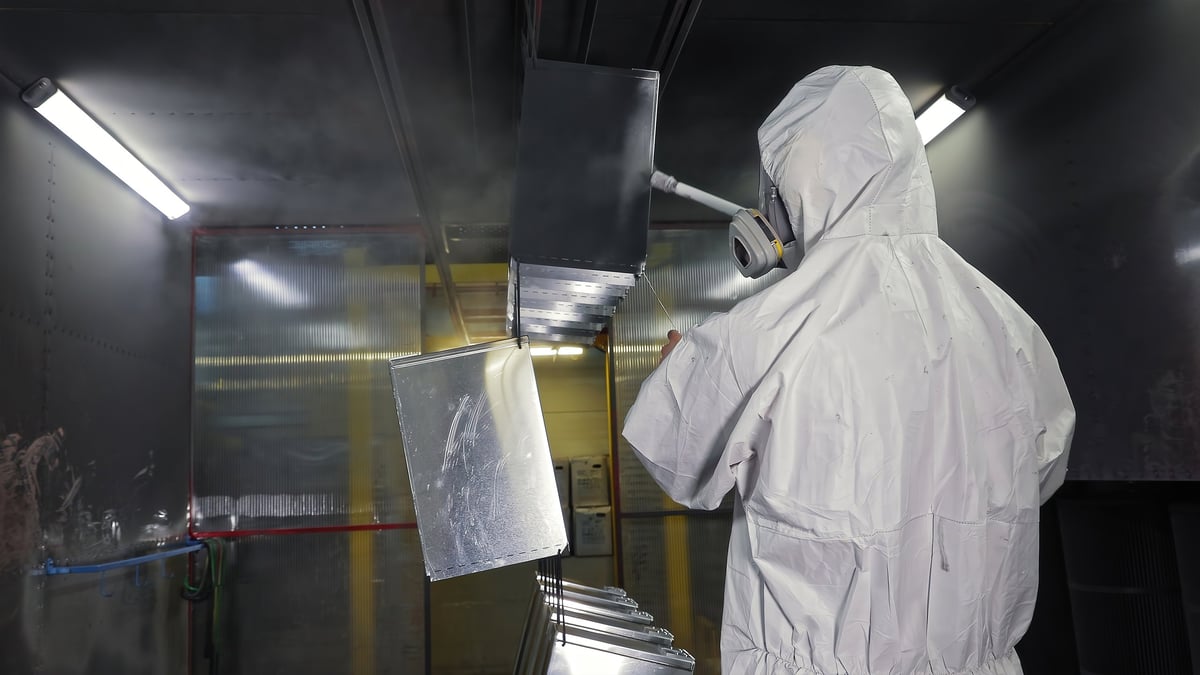
The surface requirement is set by the process that follows, not by the sheet alone.
The steel: grade or designation, the product standard and its edition. This is what the mill product and the certificate are read against.
The dimensions: thickness and width with units, and the tolerance regime. The surface process does not alter the dimensional basis, so this has to be right on its own terms.
The surface: pickled and oiled, stated as an order line. Where the next step needs the oil removed, say so — that is a process requirement, and it is cheaper to agree it now than to discover it at the paint line.
The documents: the mill certificate read against the standard you named, plus any inspection or test requirement your process adds.
Quality & Handling
How the surface behaves between delivery and use
A pickled surface is bare steel. Everything that happens to it before your process begins is a risk to the condition you paid for.
Storage
Keep the material dry and sheltered. The oil film slows surface rusting; it does not stop it where moisture sits on the surface or condensation cycles over it.
Handling
Bare, oiled surfaces mark and scuff more visibly than coated ones. Where appearance matters, handle with that in mind rather than assuming the surface will stay as delivered.
Before use
Check the surface at the point of use, not only at goods-in. A condition that was acceptable on arrival can change over a storage period, and that changes what the next step has to do.
Why the surface is a stage, not a finish
The oil protects the sheet from the weather, not from your process
The phrase "pickled and oiled" bundles two operations that answer different questions. Pickling is about what the surface should be for the work ahead: removing the oxide layer so the steel is exposed evenly, which makes forming, cutting and coating behave predictably. Oiling is about the gap between that moment and the next one — a temporary barrier so the freshly exposed surface does not rust while it is stored, handled or shipped.
The confusion arrives when the second operation is read as if it were the first kind of thing. An oil film is not a coating. It is not specified for corrosion performance in service, and it is not a surface that a paint system is designed to receive. Where a process step follows, the oil is generally something to be removed to that process's requirement — the point of the film was to keep the surface clean until then, not to become part of the finished part.
So the useful question is not "is pickled-and-oiled good?" but "what does my next step receive, and does it match what that step needs?" If the answer involves painting, welding or long storage, the surface state becomes a specification item with a preparation step attached. Naming it explicitly on the enquiry is what keeps it from being discovered later, at the point where rework is the only remedy.
Applications
Where a scale-free surface is the reason for choosing it
These are the situations where the extra process step earns its place. Open the application route where one matches your end use — it settles the requirements that surround the material.
GCC Supply
Plan the destination separately from the surface
The surface state answers what the sheet is at handover. The consignee, delivery point and document set answer where it is going — and those are planned on their own route.






A country link is a destination-planning page. None of them implies a local office, warehouse or stock position, and none of them changes the steel specification.
Commercial Basis
What is confirmed against your enquiry, not published in advance
An order for a surface-processed product turns on several commercial inputs at once. These are confirmed against the live enquiry rather than quoted as standing terms.
Availability
Whether the grade and surface state are obtainable for the quantity and timing you need — confirmed per enquiry, never assumed from a list.
Origin and mill
The producing source is stated against the actual enquiry, not asserted as a standing position.
Delivery timing
Timing is agreed against the consignment and the destination, and is not published as a fixed lead time.
Documentation
The certificate and any inspection or test evidence are confirmed against the standard you cite.
Pricing is on request. No rate, lead time or stock position is published before the specification and surface state are confirmed.
Related Routes
Where the neighbouring decisions are answered
Open one only when it settles the question in front of you — an adjacency is not evidence that two surface states or products are interchangeable.
Why Choose the Process
What the extra step buys — and where it does not help
A surface process is only worth its place when the next operation actually needs it. These are the honest bounds of the benefit.
A predictable surface
Removing the oxide layer gives the next process a consistent starting point, which is what makes forming, cutting and coating behave the same way across a batch.
Protection while it waits
The oil film keeps the bare surface from rusting during storage and transit, so the condition at handover is closer to the condition at delivery.
Not a substitute for coating
None of this protects the steel in service. Where corrosion performance is required, that is a coated product, and the oiled surface is not it.
How the Order Moves
From a process requirement to a confirmed order
Each step fixes something the next one depends on. The surface state is agreed alongside the material, not after it.
- 01
Name the next step
State what the sheet feeds into — painting, welding, forming or storage — because that sets the surface requirement.
- 02
Define the steel
Give the grade or designation, the product standard and its edition, and the dimensions with their tolerance.
- 03
Agree the surface
State pickled and oiled, and whether the oil has to be removed to a given requirement before the next step.
- 04
Confirm commercially
Availability, origin, timing and documents are confirmed against the enquiry, then the quotation follows.
Availability, origin and delivery timing are confirmed against the live enquiry — never inferred from a checklist outcome or a published list.
Request a QuoteCommon Questions
Questions this surface usually raises
Does the oil film mean the sheet will not rust?
No. The oil is a temporary barrier applied so the bare, freshly pickled surface does not rust while it is stored, handled or shipped. It slows the start of corrosion; it does not prevent it indefinitely, and it is not a substitute for a galvanized, prepainted or otherwise coated product in exposed service. If the material will be exposed before use, say so, because that changes what surface state is appropriate.
Can I paint straight onto pickled-and-oiled sheet?
Not without preparing the surface, and the preparation is set by the paint system, not by the fact that the sheet was pickled. Residual oil is a contaminant to most paint systems — it interferes with adhesion rather than helping it. Ask the coating supplier what the incoming surface must be, and treat the removal of the oil as a defined step in your process rather than an assumption.
Is pickled-and-oiled a grade I can specify on its own?
No — it describes a surface state, not a grade. The order still needs the grade or designation, the product standard and its edition, and the dimensions with their tolerance regime. Pickling and oiling are applied to a steel that is already defined by its grade and mill product, so a description that stops at 'pickled and oiled' has not yet specified the steel.
What is the difference from plain hot-rolled sheet?
The mill product and its dimensions are the same; what changes is the surface. Hot-rolled sheet carries the oxide layer that forms during rolling. Pickling removes that layer, and oiling keeps the newly exposed surface from rusting before it is used. The choice is therefore about what the next process expects at the surface, and whether a scale-free, temporarily protected surface is worth the extra step.
Send the material and the process it feeds
State the grade, the dimensions and what happens next. The surface requirement follows from that, and the quotation comes back with the preparation step named rather than assumed.
sales@noordeirasteel.ae · +971 56 398 0860 · Business Bay, Dubai