Welded Steel Tube

Welded Steel Tube Supplier

Welded steel tube can be appropriate for many mechanical and fabricated applications, but “welded” alone does not define grade, tolerance, weld condition or inspection. Specify the governing standard, tube type, dimensions, finish and required tests.

Free, no-obligation specification review — type, bead condition and document fit

Information current as of

Fit, Alternatives & Selection Logic

When the welded route is the right answer — and when it is not

“Welded” describes how the tube was made, not what it is. Whether the route belongs in your specification depends on what the governing standard permits and what the service condition demands. Work through the three states below before the route is written into an order.

Fits

A welded-permitting standard governs the duty

The application is mechanical, fabricated or structural and the governing standard authorises the welded route for the stated grade and service. The route is what the specification permits — not a preference, and not an assumption.

Verify first

The standard permits both routes, or the type and bead condition are unfixed

Some standards authorise both seamless and welded construction and leave the election to the buyer. Separately, a welded route is only complete once the type, ordered condition and weld-bead condition are stated — an unstated bead is a specification gap, not a default.

Does not fit

The duty sits outside the scope of the standard being invoked

A mechanical tubing standard carried into a pressure, boiler or heat-exchanger duty is a scope mismatch, not a specification. The governing document has to change before anything else does — and this page will say so rather than substitute one standard for another.

Welded-tube process matrix — as-welded, drawn and finish-sensitive paths

Welded tubing is not one product. These are the procurement paths that differ in how the weld is treated after it is made, and each one carries its own implication, boundary, verification and RFQ field. No path is presented as superior — the application decides.

Welded-tube process matrix separating as-welded, drawn, finish-sensitive and de-seamed procurement paths, with buyer implication, limitation, verification evidence and resulting RFQ field
Procurement pathWhat it isBuyer implicationLimitationVerificationRFQ field
As-weldedSupplied in the condition produced by the welding operation, with the bead left in place or scarfed according to the order.The lowest number of process steps, so the dimensional and surface outcome is dominated by the weld itself. The bead is a physical feature the buyer's application must tolerate.The bead affects the outside surface and can interfere with a critical diameter or bore requirement. As-welded is not a substitute specification — the type and condition must still be stated.The governing standard's type and condition clauses; the buyer's drawing for bead acceptance.Weld-bead condition + ordered condition
Drawn (cold-drawn after welding)The welded tube is drawn after the weld, which works the weld zone along with the parent metal and improves dimensional control.Selected where a tighter dimensional or surface outcome matters more than process economy — the drawing step changes the dimensional behaviour of the product.Drawing changes dimensions and mechanical condition together. The ordered condition must be stated as the standard defines it; a drawn route is not automatically correct for every duty.Ordering clauses of the governing standard; the buyer's dimensional and condition requirement.Ordered condition + tolerance basis
Finish-sensitiveRoutes where the surface, ends or bore condition determine acceptance — pickled, descaled, oiled, coated or otherwise prepared.Finish is a specification input, not a cosmetic detail. Stating it changes inspection, packing and handling for the whole consignment.Finish requirements are only verifiable against an agreed description. Vague finish language is unverifiable at goods-in.Agreed finish description on the order; the supplier's offer against that description.Surface finish + end condition
De-seamed / special conditionCondition where the weld zone is specifically treated to meet a seam-sensitive requirement.Selected where the seam or its worked condition is the deciding factor for the application rather than a general dimensional requirement.The acceptance criteria for the seam must be stated and are standard- and edition-dependent. No seam acceptance level is published here.Governing standard type designation; the buyer's seam acceptance requirement.Type designation + seam acceptance criteria

Closest related alternatives

Where the welded route is not the right answer, these are the related pages that are. Each states the condition under which it becomes the better choice.

ERW Steel Tube

When it fits: the welded route is already settled and the question has narrowed to a specific resistance-welded product form with its own standards envelope.

Trade-off: a specific welded sub-route — if the buyer only needs “welded”, selecting ERW narrows the field by process before the standard has been confirmed.

erw steel tube supplier

Mechanical Steel Tube

When it fits: a machined, threaded or formed duty where the inside-diameter tolerance, surface condition and machinability govern acceptance more than the weld itself.

Trade-off: a mechanical tubing route may be supplied seamless or welded depending on the standard and type invoked — so selecting it does not by itself settle the construction route.

mechanical steel tube supplier
astm a513 steel tube supplierVerify the governing specification itself rather than relying on the generic product name — the standard's type structure defines the permitted condition of supply.Open the standard route
Welded Steel Tube weld seam being checked at a tube end during inspection
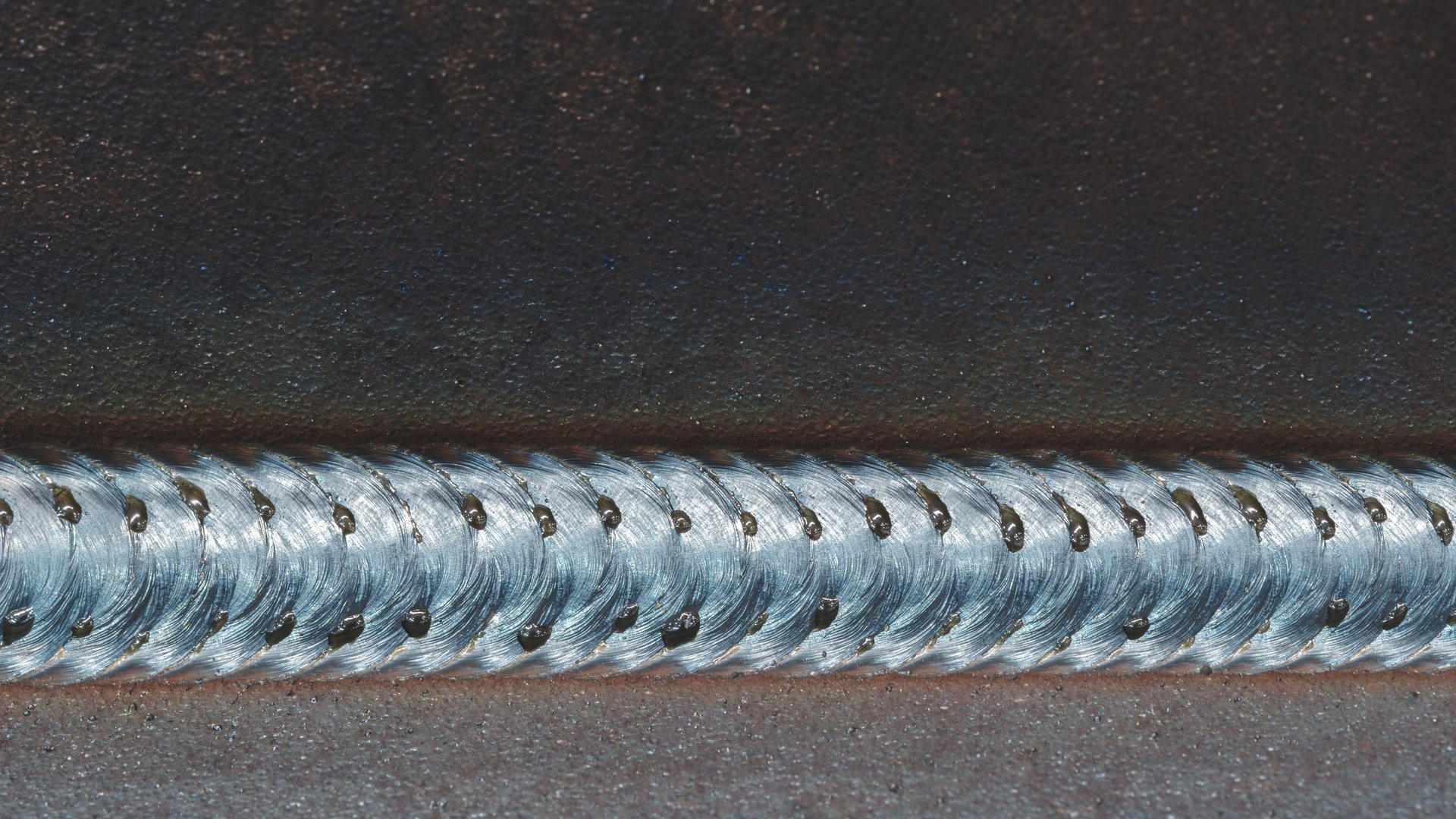
The weld is a physical feature of the section, not a label. Whether the bead is left in place, controlled or removed is a specification field — and it affects the surface the application has to live with.

Selection Tool

Welded Tube Process Selector

Enter the application, the permitted weld process and the tube you need. The selector returns Fit, Verify first, Not fit or Conflict, raises the weld-condition questions your entries imply, flags dimensional risk, and produces a copyable RFQ line. It never fills in a technical value for you.

Selector result

Complete what you can and assess the route. Anything you leave blank is reported as unresolved — the tool does not infer omitted technical values.

Standards, Grades, Dimensions & Service Conditions

What each specification field actually decides

Every row names the buyer input, why it matters, what governs it, the unit or condition it must be stated in, the evidence that verifies it, and the RFQ field it becomes. No technical value is published here — each one comes from the governing document or your drawing.

Welded steel tube specification matrix: buyer input, why it matters, governing standard, units and condition, verification source, and resulting RFQ field
Buyer inputWhy it mattersGoverning standard / gradeUnits / conditionVerification sourceRFQ field
Application / service dutyDetermines which governing standard family applies — mechanical, structural, pressure or heat-transfer service are not interchangeable.Selection of the standard family; the decisive input.Descriptive — no numeric value.Buyer's own process or equipment description; engineering requirement.Application
Permitted weld processThe standard determines which seam types are eligible; the process is not a free choice.Process eligibility under the governing standard.Process designation (e.g. ERW, HFW, SAW).The governing standard's process and type clauses.Permitted weld process
Governing standard, type and editionSets the permitted route, the type structure, the grade list, the ordered condition and the test scope.Product standard and type — the controlling document for the order.Standard designation + type + edition.The standard itself; the edition must be the one the contract invokes.Governing standard + type + edition
Material / gradeSelects the chemistry and mechanical class within the standard; different grades are not interchangeable.Grade designation within the governing standard.Grade designation as written in the standard.The governing standard's grade list; the buyer's drawing.Material / grade
Shape and sectionRound, square and rectangular sections carry different dimensional conventions and different weld geometries.Section geometry — as the buyer's drawing or standard defines.Shape + section dimensions, units written out.Buyer drawing; the dimensional standard invoked by the specification.Shape + section dimensions
Outside / section dimensionsFixes the envelope the assembly must accept; the primary dimensional input.Dimension — value set by the buyer drawing or the dimensional standard.State the unit explicitly — mm or inch. Never leave unlabelled.Buyer drawing or the dimensional standard invoked by the purchase specification.OD / section + unit
Wall thicknessSets pressure capability, weight and machining allowance; the most commonly under-specified field on an enquiry.Dimension — value set by the buyer drawing or dimensional standard.State the unit explicitly — mm or inch.Buyer drawing; the dimensional standard where a schedule is invoked.Wall + unit
LengthDetermines cutting, packing, transport and often the commercial basis.Dimension — random, fixed or cut-to-length as the buyer requires.State the unit and whether random, fixed or exact.Buyer requirement; cutting and packing constraints.Length + basis (random / fixed / cut)
Dimensional tolerance basisNames which dimension governs acceptance and against which clause. Weld-affected dimensions behave differently from the parent metal.The acceptance basis — the standard's clause or the buyer's drawing.Attribute + the acceptance basis it is judged against.Governing standard tolerance clause or buyer drawing tolerance block.Tolerance priority + basis
Weld-bead conditionThe bead is a physical feature: left in place, controlled, scarfed or removed. It changes the surface and can affect a critical dimension.Ordered condition — as the governing standard and buyer specify.Descriptive — bead removed / controlled / as-welded.Ordered condition clause; the buyer's drawing acceptance for the bead.Weld-bead condition
Surface finish and endsFinish and end preparation determine acceptance at goods-in and affect inspection, packing and handling.Agreed finish description; end preparation per the drawing.Descriptive — finish state + end preparation.Agreed finish description on the order.Surface finish + end condition
Inspection and test scopeDefines the evidence the buyer will receive and rely on; not a product attribute and not uniform across standards.Contract inspection scope — set by the standard or the buyer's ITP.Test method + scope + hold points.Requested MTC / inspection scope; the governing standard's test clauses.Inspection / test scope + documents
Quantity and cadenceRun length, cutting plan and delivery scheduling all follow from it.Commercial input — buyer-supplied.Weight or piece count, with the mass basis stated.Buyer requirement; no stock or availability claim is made here.Quantity + basis + cadence
Destination and IncotermFixes the delivery leg, the document set and where risk and cost transfer.Commercial input — buyer-supplied.Named port or place + the trade rule with its named place.Buyer's import and delivery arrangement; destination requirements.Destination + Incoterm + named place

Evidence warning. No tolerance value, grade chemistry, mechanical property or dimensional limit is published on this page. Tube, pipe, mechanical tube, boiler tube and heat-exchanger tube terminology is not interchangeable unless the governing specification confirms it. Every figure used in a live enquiry must come from the standard edition the contract invokes, or from your own drawing — never from this page and never from an assumption.

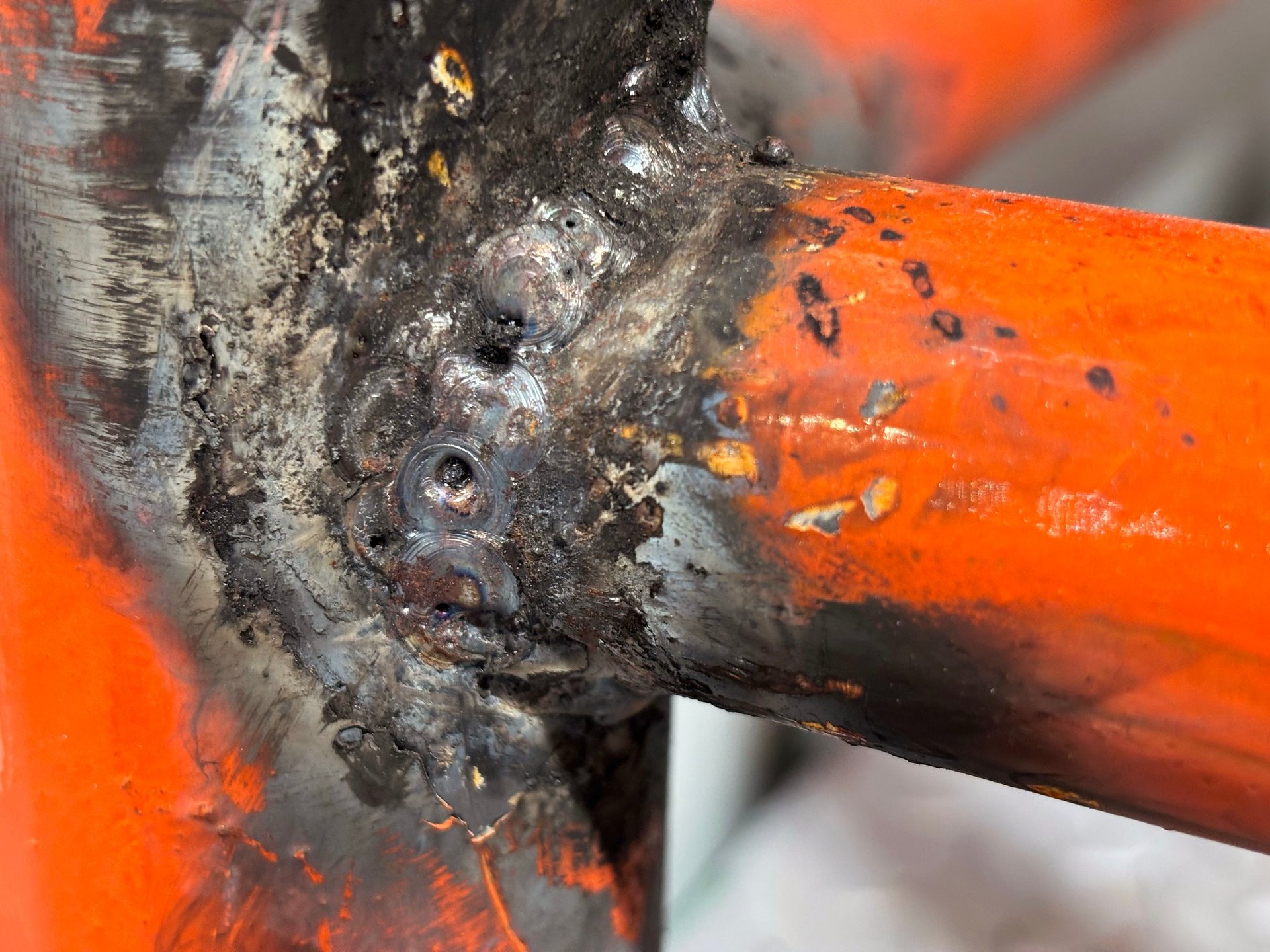
Welded steel tube seam examined during an engineering selection review
The weld seam is examined as a feature of the section. Which dimension governs acceptance is stated on the order — it is not implied by the product name.

Quality, Testing & Documentation

What you request, what gets verified, and where

Inspection and documentation are contract decisions, not product attributes. The matrix below separates what the buyer requests from what is confirmed in the offer and what is verified in the final documents. No certificate is claimed to exist on this page.

Requested

Stated on the enquiry and carried into the offer. This is what the buyer asks for — it is not yet a commitment that the document exists for the lot.

Verify in offer

Confirmed against the specific lot and scope when the quotation is prepared, before the order is placed.

Verify in final documents

Confirmed against the documents issued with the shipment. The only state in which a document can be relied on as evidence for the goods delivered.

Welded steel tube inspection and document matrix with what each document verifies, when it applies, and its verification state
Document / inspectionWhat it verifiesWhen it appliesState
Mill test certificate / inspection certificateHeat and lot identity, chemistry and mechanical results against the ordered grade.Requested at enquiry. Available scope confirmed in the offer.Verify in offer
Heat / lot traceabilityThat the delivered tube corresponds to the lot the certificate describes.Requested at enquiry; the marking basis is agreed with the order.Requested → Verify in offer
Dimensional inspection recordOD or section, wall and length against the stated tolerance basis.Requested where dimensional acceptance is contractually controlled.Requested
Weld-seam examinationSeam integrity by the method and acceptance level the contract names.Where the contract or governing standard names a seam examination method.Verify in offer
Hydrostatic or pressure testPressure integrity where the governing standard or contract requires it.Required where the governing standard invokes it for the grade and service.Verify in offer
Mechanical testingTensile, hardness, flattening or other results where the standard requires them.Where the governing standard's test clauses or the buyer's ITP invoke them.Verify in offer
Surface and end condition checkThat the supplied finish and end preparation match the ordered description.Stated on the order where the duty depends on finish or end condition.Requested
Third-party / witness inspectionIndependent confirmation at a hold point the buyer nominates.Only where the contract requires it; scope and timing are buyer-nominated.Verify in final documents
Packing and marking recordThat packing form, bundle marking and identification match the agreed basis.Agreed with the order; relevant where handling or storage affects the tube.Verify in final documents

Certification limit. This page does not claim that any certificate is held, issued or transferable. A certificate describes the lot that was sampled and inspected — it says nothing about a different lot, and the scope actually available is confirmed in the offer against the ordered specification.

Welded steel tube bundle and inspection records arranged for buyer verification
Verification at the point of supply. Bundle identification, seam examination records and the packing and destination checklist are the three document groups a buyer reconciles before accepting delivery.

Application & Industry Decision Paths

Where the operating condition changes the specification

These are the related application and industry pages. Each one states the operating condition that matters, the failure or fit risk if it is ignored, the consequence for the specification, and the next verification step.

automotive steel tube supplier

Operating condition
High-volume formed and welded assemblies where dimensional repeatability and surface condition drive acceptance.
Fit risk
A weld-bead condition that interferes with a forming, fixturing or coating step downstream in the assembly line.
Specification consequence
The ordered condition and the bead condition move to the front of the specification, ahead of the general dimensional fields.
Next step
Confirm the assembly drawing's bead and finish acceptance with the buyer's engineering function.
Verify against the automotive route

steel tubes for machinery

Operating condition
Machined, threaded or formed components where bore tolerance and surface condition govern the fit.
Fit risk
A tube accepted on outside diameter alone that will not machine to the required bore or finish.
Specification consequence
Tolerance priority and the ordered condition become the governing fields, not the fact it is welded.
Next step
Confirm the machined dimensions and surface requirement against the drawing.
Verify against the machinery route

industrial steel tube supplier

Operating condition
Manufacturing environments with documented quality controls, repeat-run quantities and traceability expectations.
Fit risk
A documentation set that does not match what the receiving quality function will accept, delaying acceptance at goods-in.
Specification consequence
The inspection and document scope is agreed with the receiving operation before quotation.
Next step
Confirm the required certificate set and traceability basis with the buyer's quality function.
Verify against the manufacturing route

GCC Destination Planning

Steel tubes across the Gulf

Each market route below carries its own destination inputs. The question is never whether we hold stock there — it is which port or named place the consignment lands at, what the importer must have ready, and which Incoterm applies. Flags are orientation cues only and do not imply a branch, warehouse or stock presence in any market.

AE flag

steel tube supplier UAE

Named port, free zone or inland delivery point

State the exact delivery point and whether the consignment is for a project site, a fabricator or a stockholding point, then fix the Incoterm with its named place so the delivery leg is unambiguous.

Open the destination route
SA flag

steel tube supplier Saudi Arabia

Destination port or inland place, importer readiness

Name the delivery port or inland destination and confirm the consignee and importer-side document readiness, so the certificate and shipment documents follow the order rather than the assumption.

Open the destination route
QA flag

steel tube supplier Qatar

Seam examination and document scope before offers are compared

Confirm the seam examination scope, the certificate set and the named port so the consignment documentation is agreed before offers are compared on price alone.

Open the destination route
KW flag

steel tube supplier Kuwait

Handling and packing constraints at discharge

Discharge and handling constraints determine the acceptable length, packing form and bundle protection — confirm them before the shipment basis and cutting plan are fixed.

Open the destination route
BH flag

steel tube supplier Bahrain

Governing standard, type and document set for the receiving operation

The acceptable grade, type, condition and inspection documents are agreed with the receiving operation before quotation, so the certificate set matches what the buyer's quality function will accept.

Open the destination route
OM flag

steel tube supplier Oman

Port and any inland destination, with the trade rule

Name the port and any inland destination and fix the Incoterm with its place, so responsibility for the final leg and the document set are unambiguous before the order is placed.

Open the destination route

Commercial & Logistics Inputs

What turns a specification into a comparable offer

A quotation can only be compared like for like when both offers rest on the same stated basis. These are the commercial inputs that set it — and the facts this page deliberately does not state.

Inputs that set the commercial basis

  • Specification completeness. Standard, type, grade, condition, dimensions with units, tolerance basis and bead condition — an incomplete specification cannot be priced comparably.
  • Quantity and basis. Weight or piece count, with the mass basis stated, and the cadence if the requirement is repeat.
  • Testing and documents. The inspection scope, seam examination and certificate set requested, since these change the cost and the lead position of the offer.
  • Packing form. How the tube must be bundled, marked and protected for the transport and storage the consignment will see.
  • Destination and named place. The exact port or inland destination the consignment is delivered to.
  • Incoterm with its named place. The trade rule written together with the place it applies to — a rule without its place cannot be applied.
  • Delivery window. The date the buyer requires the material, or the period over which it is called off.
  • Any third-party inspection. Witness or hold-point arrangements the contract requires, nominated before the order.

What this page does not state — and why

Price, stock, lead time, mill origin, port of loading and delivery promises are all facts about a specific offer at a specific moment. None of them can be published as a standing claim, and none of them is implied here. Each is confirmed against current company data when a specific enquiry is quoted.

  • No price, discount, premium or benchmark is published or implied.
  • No stock position, availability or minimum order quantity is stated.
  • No lead time, shipping schedule or loading rate is stated.
  • No mill, origin, port of loading or vessel is named.
  • No delivery or customs-clearance outcome is promised.

Price is on request in every case, quoted against the specification, quantity, packing and destination basis you state.

Named port basis

FOB, CFR and CIF each place different responsibilities on the seller. CFR and CIF place freight — and under CIF the insurance — on the seller. The destination port or place must be named exactly for any of them to be applied.

Packing and cutting

Packing form and cutting plan follow from the handling the consignment will see, the storage it will sit in and the length basis you state. Both are agreed with the order rather than assumed.

Documents follow the order

The certificate set, the traceability basis and the destination documents are confirmed against the ordered specification and the delivery point — not inferred from the product name.

Related Products & Technical Resources

Where to go next, by decision purpose

These are grouped by what the buyer is trying to settle — returning to the product family, or completing a dimensional field on the RFQ — rather than presented as a list of links.

Product family — return to the Steel Tubes hierarchy

Step back to the Steel Tubes product family to compare every related type, grade and standard route from one place.

Evidence & Expert Insight

What must be verified before this is a complete specification

A source-backed procurement boundary note, not a manufacturing lesson. The scope below is paraphrased from the primary source; no proprietary standard table is reproduced.

Decision question

What must a buyer verify before treating Welded Steel Tube as a technically complete purchase specification?

Method
Use the type structure and the mechanical-tubing scope of the primary source to frame the weld-process and finish questions before quotation, rather than accepting the word “welded” as the specification.
Scope
Applies only to the standard and service scope stated by the primary source, and to the procurement decision on Welded Steel Tube.
Limitations
  • ASTM A513 covers ERW carbon and alloy mechanical tubing. It does not automatically govern pressure, boiler or corrosion-service tubing.
  • No inference about Noor Deira Steel inventory, certification, mill origin, price, lead time, branch presence or market coverage is permitted from this source.
Buyer implication
The RFQ should state the exact A513 type, or the other applicable standard, rather than merely asking for welded tube — the type fixes the condition of supply, and an unstated type leaves the route open.

This is a source-backed decision aid. It is not a named-person profile, and no individual is presented as an expert endorsing this page.

Verify-before-RFQ checklist

  • Confirm the governing standard, its type designation and the edition the contract invokes.
  • Confirm the duty sits inside that standard's stated scope.
  • Confirm which weld processes the standard permits for the grade.
  • State material or grade as written in the governing standard.
  • State the shape and section dimensions with their units written out.
  • Name the tolerance priority and the basis it is judged against.
  • State the weld-bead condition the application can accept.
  • State the surface finish and end preparation.
  • Agree the inspection scope, including any seam examination, with its states.
  • Add quantity, packing, destination and Incoterm with its named place.

Primary source

ASTM A513/A513M-25 — Standard Specification for Electric-Resistance-Welded Carbon and Alloy Steel Mechanical Tubing

Information date: 2025 active edition. Confirm the edition the contract invokes before relying on the source for an order.

Decision Advantages & Constraints

What changes for the buyer — and the condition it depends on

Each of these is a buyer concern mapped to the evidence that addresses it and the practical procurement outcome. Every one carries the condition under which it holds. None of them is a claim of superiority.

Buyer concern 01

The enquiry says “welded tube” and nothing else, so offers arrive on incomparable bases.

Verifiable evidence
The specification matrix fields, each tied to its governing clause or drawing.
Procurement outcome
A specification complete enough for a human technical and commercial review, with the type, condition and tolerance basis named rather than assumed.

Condition: There is no dimensional or mechanical value published on this page. Every figure in a live enquiry comes from the buyer's drawing or the governing standard.

Buyer concern 02

The weld bead is discovered as a problem after delivery, when it interferes with a fit or a surface requirement.

Verifiable evidence
The bead condition stated on the order and the tolerance basis it is judged against.
Procurement outcome
The bead is a stated specification field, agreed before quotation, rather than a surprise at goods-in.

Condition: Valid only where the buyer states a bead condition. Where left unstated, the condition defaults to whatever the standard and offer allow — which may not suit the application.

Buyer concern 03

Tube and pipe terminology is used interchangeably, and the wrong standard family is invoked.

Verifiable evidence
The stated scope of the governing standard — a mechanical tubing standard against a pressure or heat-transfer standard.
Procurement outcome
A duty assessed against the correct standard family before the route is fixed, so the specification is not built on the wrong governing document.

Condition: Scope boundaries differ between standards and editions. Applicability is confirmed against the edition the contract invokes, never assumed from the product name.

Buyer concern 04

Seam examination and pressure testing are left implicit and become a dispute at delivery.

Verifiable evidence
The inspection matrix, which separates what is requested from what is verified and where.
Procurement outcome
The test and document scope is agreed before quotation, and what remains quotation-dependent is visible rather than assumed.

Condition: This page creates no certificate and claims none is held. Every document state is Requested, Verify in offer, or Verify in final documents.

Buyer concern 05

Quantity, destination and Incoterm are added after the technical discussion, and the offer cannot be compared.

Verifiable evidence
The commercial inputs carried into the RFQ: quantity and basis, destination port or named place, and the trade rule with its place.
Procurement outcome
A single comparable enquiry carrying both the technical specification and the commercial basis, ready for human review.

Condition: No price, stock, lead time, mill origin or availability is stated or implied. Every offer is quoted on request against the stated basis.

Buyer Journey & RFQ Readiness

From duty definition to a qualified enquiry

Five stages, each with the concern that makes it necessary, who owns it, what goes in, what comes out, what can go wrong, and what happens next. Unresolved fields are marked before the RFQ — never filled in.

  1. 01

    Define the duty and the drawing

    Owner: Buyer engineer

    Buyer concern

    Route and standard chosen before the service is understood.

    Required input

    Process or equipment description; the drawing or datasheet; operating conditions.

    Evidence / output

    A stated application and the governing standard family.

    Risk if skipped

    A mechanical tubing standard carried into a pressure or heat-transfer duty, or the reverse.

    Next action

    Select the governing standard that matches the duty.

  2. 02

    Choose the governing specification and type

    Owner: Buyer engineer

    Buyer concern

    A generic product name is mistaken for a specification.

    Required input

    The application from stage 01; contract or project standard requirements.

    Evidence / output

    Governing standard, type and edition, plus material or grade.

    Risk if skipped

    The type designation fixes the condition of supply — the wrong type governs the wrong order.

    Next action

    Lock the section dimensions, wall and bead condition.

  3. 03

    Lock dimensions and bead condition

    Owner: Buyer engineer / designer

    Buyer concern

    Dimensional fields left unlabelled, or the bead left unstated.

    Required input

    Drawing dimensions; the tolerance basis they are judged against; bead acceptance.

    Evidence / output

    Section dimensions and wall with units, plus the tolerance priority and weld-bead condition.

    Risk if skipped

    An as-welded bead discovered at goods-in as a fit or surface problem.

    Next action

    Select the tests and documents the contract requires.

  4. 04

    Select tests and documents

    Owner: Buyer quality function

    Buyer concern

    Seam examination and pressure testing left implicit and disputed at delivery.

    Required input

    Governing standard test clauses; the project ITP; any third-party requirement.

    Evidence / output

    An agreed test and document scope with hold points and witness arrangements.

    Risk if skipped

    Assuming a certificate or seam-examination scope the offer does not carry.

    Next action

    Add quantity, destination and commercial terms.

  5. 05

    Add quantity and commercial terms

    Owner: Buyer procurement

    Buyer concern

    Commercial basis added late, so offers cannot be compared.

    Required input

    Quantity and cadence; packing constraints; destination port or named place; Incoterm.

    Evidence / output

    A complete commercial basis on which offers can be compared like for like.

    Risk if skipped

    Comparing offers quoted on different quantity, packing or delivery bases.

    Next action

    Issue the qualified RFQ for human technical and commercial review.

Before you send the enquiry

The Process Selector marks every field still unresolved. Fields left blank travel into the enquiry as questions rather than assumptions — no technical value is auto-filled at any point.

Procurement FAQs

Questions buyers ask after the decision

Six route-specific questions from the buyer's side of the desk — not definitions, which are already resolved above.

Which specification should I use for Welded Steel Tube?

The governing standard is set by the service duty, not by the weld. For ERW carbon and alloy mechanical tubing, ASTM A513 is the usual mechanical-tubing specification and it organises product by type, which fixes the as-welded, drawn or special-condition route. A pressure, boiler or corrosion duty requires a different governing document. Only the edition the contract invokes governs the order, so confirm the standard and its type with the engineer before treating the specification as complete.

When is a seamless versus welded route relevant on this page?

Route matters when the governing standard or the service condition restricts it, or when the finished assembly cannot tolerate a seam. Some standards permit only the seamless route; others permit both and leave the choice to the buyer; a few permit only welded construction. Where the standard permits both, electing the welded route is a buyer decision that should be stated explicitly on the order rather than assumed — otherwise the route may be substituted within the standard's scope. This page never claims one route is inherently superior.

Which dimensions and tolerances must be stated for Welded Steel Tube?

State outside diameter or the section dimensions, wall, and length, each with its unit written out. State which of those governs acceptance and against which basis it is judged: the tolerance clause of the governing standard or the buyer's drawing. Weld-affected dimensions behave differently from the parent metal, so the tolerance basis should be explicit rather than assumed. No tolerance value is published here, because acceptance limits come from the governing document.

Which tests and inspection documents should be requested?

Request what the contract requires and state it on the enquiry: the mill test or inspection certificate and its scope, heat and lot traceability, dimensional inspection, and — where the governing standard or contract invokes them — weld-seam examination, hydrostatic or pressure testing, mechanical testing, surface and end condition checks and third-party or witness inspection. None of these is a product attribute, and no certificate is claimed to exist on this page. Each document is either Requested, Verify in offer, or Verify in final documents.

Which quantity, packing, destination and Incoterm inputs affect the quotation?

Quantity with its basis and cadence, the packing form the handling and storage conditions require, the exact destination port or named place, and the Incoterm written together with its named place — because a trade rule without its place cannot be applied, as the delivery point where risk and cost transfer is undefined. State any delivery window the buyer requires. No price, stock, lead time or availability is published; every offer is made on request against the stated basis.

What information is required before I request an RFQ?

A complete technical and commercial basis: application, permitted weld process, governing standard and edition, material or grade, shape, section or outside dimensions with wall, the dimensional tolerance basis, the weld-bead condition you can accept, the surface finish, the inspection scope, and the quantity, destination and Incoterm. The Process Selector on this page marks which of these are still unresolved. If a critical field is missing, the enquiry records the gap rather than filling it in — no technical value is ever auto-filled.

Qualified RFQ Handoff

Send the specification to our commercial department

Carry what you have entered in the Process Selector into the enquiry below. If a critical field is still missing, it is listed before submission rather than filled in — the specification stays complete and honest.

Carried from the Process Selector

These are the values you entered. Anything still unresolved is listed as a question for our technical and commercial review.

Application
Unresolved
Weld process
Unresolved
Governing standard
Unresolved
Material / grade
Unresolved
Shape
Unresolved
OD / section
Unresolved
Wall thickness
Unresolved
Length
Unresolved
Dimensional tolerance
Unresolved
Weld-bead condition
Unresolved
Surface finish
Unresolved
Inspection requirement
Unresolved

Missing before a complete RFQ (12)

  • Application
  • Permitted weld process
  • Governing standard
  • Material / grade
  • Shape
  • OD / section dimensions
  • Wall thickness
  • Length
  • Dimensional tolerance
  • Weld-bead condition
  • Surface finish
  • Inspection requirement

Send anyway if you want a specification review — these are recorded as open questions, not assumed.

Request a quote for welded steel tube

All fields are reviewed by a person. Price is on request and confirmed against your stated specification, quantity and destination.

Specification detail

Welded steel tube — application: unresolved; weld process: unresolved; standard: unresolved; material: unresolved; shape: unresolved; OD / section: unresolved; wall: unresolved; length: unresolved; tolerance: unresolved; weld bead: unresolved; finish: unresolved; inspection: unresolved

Carried from the Process Selector. Edit the selector above and this summary updates. Anything marked unresolved is reviewed as an open question.

Your details are used only to respond to this enquiry. No price, stock, lead time or availability is stated until it is confirmed against current company data.

WhatsApp us+971 56 398 0860Emailsales@noordeirasteel.ae
Commercial departmentOffice 3303, Churchill Executive Tower, Business Bay, Dubai, United Arab Emirates
+971 56 398 0860 Monday – Saturday: 8.00 AM – 6.00 PM | Sunday: Closed