Iron ore for pelletizing: qualifying a feed the plant cannot see until it runs
A pellet plant inherits a decision made somewhere else. The concentrate it receives was sold on a chemical specification, but what the disc and the induration furnace actually respond to is whether that material will ball, how the green balls hold up in handling, and whether the fired pellet passes the tests the works applies. A feed can meet every chemical field on the contract and still be difficult to pelletize — and the plant finds that out on the line rather than on the certificate.
The concentrate as received — fineness, moisture, chemistry and how steadily it arrives.
The green ball
The unfired ball as formed — size, moisture carried, and whether it survives being moved.
The fired pellet
The finished product as tested against the criteria your own works applies.
Where the decision is made
The purchase is settled on chemistry, but the circuit answers to behaviour
The concentrate was bought before the plant ever saw it, against fields that describe what it contains rather than how it will run. Three consequences of that gap are worth naming.
A chemical field is not a grind
Fineness decides how the particles bind, and it is not something the plant can recover from a material that was not sold fine enough. A contract written on chemistry alone leaves the circuit to work with whatever distribution arrives.
The ball carries water the feed never declared
Moisture as received and moisture as charged into the furnace are different figures describing different objects. Conflating them obscures both the process input and the commercial basis.
Product tests are the works' to name
Which determinations qualify a fired pellet, and at what level, follow from the works and the furnace the pellets feed. That is a different question from what the concentrate was specified at.
The plant's own experience of a feed is real evidence, and it is the evidence most often missing from the purchase conversation. Feeding that back into what the enquiry asks for is what closes the gap — not a better worded specification alone.
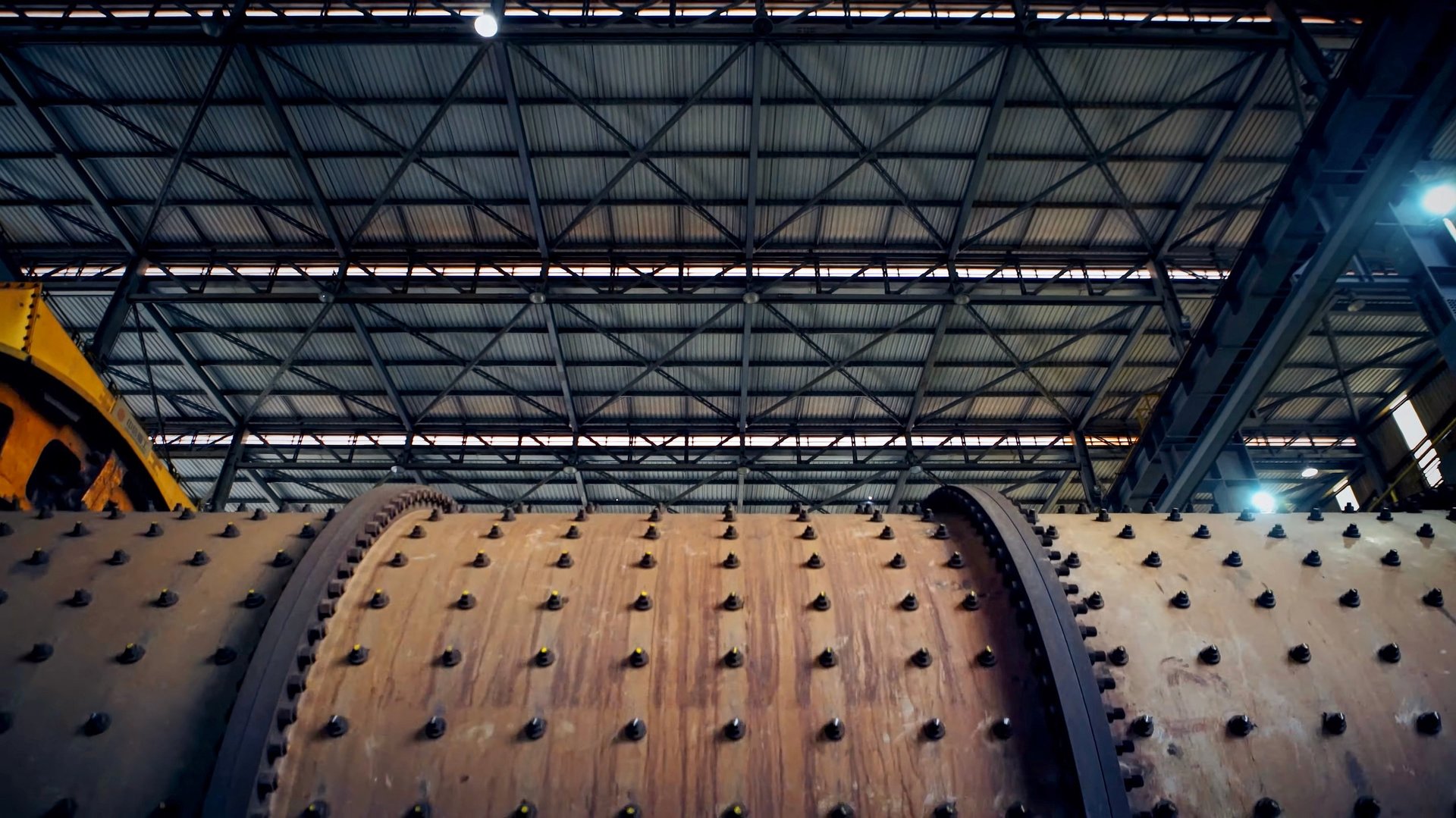
Grinding context — the stage that produces the fineness a circuit works with. The image shows no Noor Deira facility, stock, sample or result.
Decision aid
Follow the material through the three stages, and see which evidence is missing
Work down each stage as the plant would: the feed as received, the ball as formed, the pellet as fired. The tool reports coverage stage by stage, because evidence at one stage says nothing about the next — and the gaps are usually at a stage nobody thought to ask about.
Stage oneThe feed as received
0 of 4 covered
Everything downstream is decided by what arrives. The plant cannot recover fineness it was not sold, and a moisture figure quoted without its basis cannot be reconciled against the wet tonnage actually delivered.
Fineness and its distribution
Grind determines how the particles bind. The figure and the method that produced it both have to travel with the lot.
Moisture, its determination and its basis
Moisture is both a process input and the basis on which tonnage settles. One figure without its basis answers neither question.
The chemistry the works constrains
Gangue and the minor elements your works limits, on a stated basis, each with the determination behind it.
Variation between lots
A circuit is tuned to a feed. Where lot-to-lot variation exceeds what the circuit absorbs, the plant adjusts continuously instead of running the setting it planned.
Stage twoThe green ball as formed
0 of 3 covered
A green ball is a temporary object that has to survive being moved. Whether it does depends on the feed and on the circuit, and it is measured on the ball rather than on the concentrate.
Ball size and its distribution
The size range the circuit produces, and how tightly it holds, since the fired pellet inherits it.
Green ball behaviour under handling
How the unfired ball holds up as it is conveyed and charged. A test taken on the green ball, not on the fired product.
Ball moisture as charged
The water carried into the furnace by the ball itself, which is a different figure from the moisture of the feed.
Stage threeThe fired pellet as tested
0 of 3 covered
The finished pellet is qualified against tests the receiving works names. Which tests those are, and at what level, is the works' decision — not something a supplier's data sheet can settle.
The strength determination the works names
A single-pellet property. Which test applies, and the level required, follow from your works and your furnace.
Fired chemistry and the metallurgical behaviour required
The chemical figures and any reduction-related behaviour your specification calls for, each from its own determination.
The report, its issuer and the sampling basis
Which party performed the determination, against which method, on a sample drawn on a basis you can reproduce.
Route coverage
A count across the three stages, based only on what you have selected. Nothing here supplies a binder ratio, a firing condition, a strength value or an accepted grade.
0
Covered
0
Open
10
Not reviewed
The feed as received0/4
The green ball as formed0/3
The fired pellet as tested0/3
Nothing reviewed yet. Start with the feed, because the circuit inherits its fineness and its moisture before anything else is decided.
The tool reports coverage only. It does not tell you what your circuit should apply, because that follows from your plant, your feed and the product your works is buying.
Stage by stage
The same material, described three different ways
Each stage has its own object, its own question and its own evidence. Reading a figure from one stage as though it answered another is the most common way a pelletizing specification ends up unsupported.
The three stages of a pelletizing route compared by the object examined, the question each stage answers, and the evidence each requires.
Stage
The question it answers
The evidence it needs
The feed as received
Can this material form a ball at all, and does it arrive consistently enough to run a circuit against?
Fineness with its determination method, moisture with its basis, the chemistry the works constrains, and how much lot-to-lot variation the circuit has to absorb.
The green ball as formed
Does the unfired ball hold up between being made and being fired?
Ball size and its distribution, green ball behaviour under handling, and the moisture carried into the furnace by the ball itself.
The fired pellet as tested
Does the finished product meet the determinations the receiving works applies?
The strength determination the works names, the fired chemistry and any reduction-related behaviour required, and the report with its issuer and sampling basis.
No binder addition, no firing condition, no strength level and no accepted grade is published on this page. Those are operating decisions taken by an individual plant against its own circuit and its own product requirement, and they are not transferable constants.
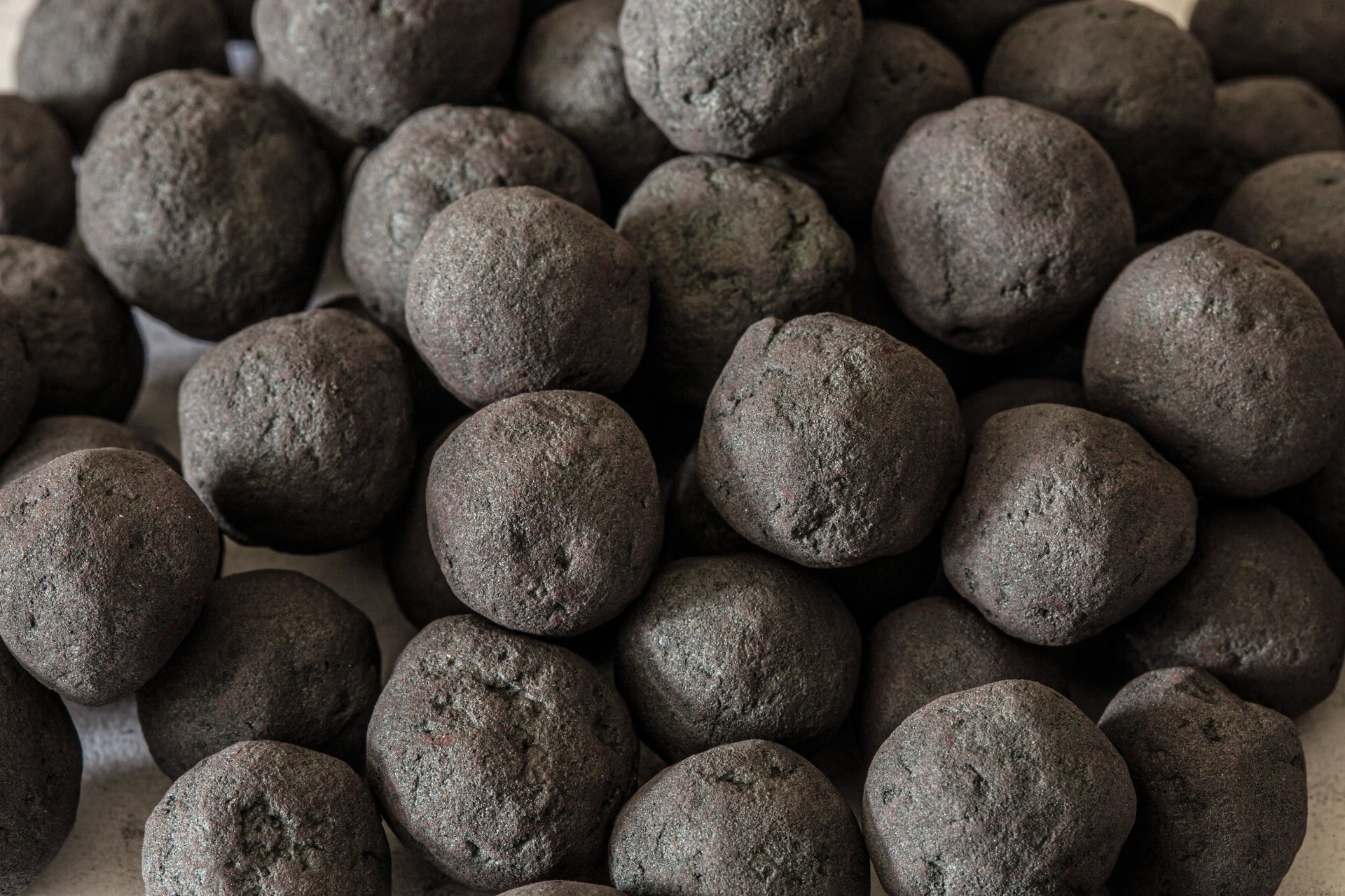
The agglomeration stage. The image illustrates a formed-ball material only — it shows no Noor Deira sample, plant, result or certificate.
Why the middle stage is the one that gets skipped
The feed is bought against data, and the fired pellet is tested against a specification, so both attract attention. The green ball sits between them with no contract and no certificate of its own, and it is where a circuit tuned on paper meets the handling it actually gets.
That stage matters because it is the only point where the material is examined while still able to change the outcome cheaply. Once the pellet is fired, the product is what it is — and a handling problem that began with the green ball reads on the certificate as a product result, which points the investigation at the furnace rather than at the circuit.
Adjacent iron ore routes
Neighbouring destinations, and the line between them
Iron ore reaches a works through several routes, and their requirements are not interchangeable. Each of these is a different destination for the material with its own constraints — not a variation on the same specification.
This route
Pellet feed
The concentrate destined for a pelletizing circuit, judged on whether it will ball and on how steadily it arrives. This page describes that route.
A different plant
Sinter feed
Material destined for a sinter strand instead. It is a different plant with a different process, and it is qualified on blendability rather than on balling behaviour.
A different burden slot
Lump ore
Coarse material charged to the furnace without agglomeration. It bypasses both routes above and is judged against a burden slot rather than a circuit.
A material described as fines or concentrate is not thereby suited to either route. What a feed is being bought for is what defines its requirement — the destination process, the circuit that will run it and the product the works is buying.
A pelletizing requirement becomes a commercial question the moment it leaves the plant. These are the fields that turn a general request into one a supplier can actually answer against your route.
Feed form and quantity
The form you are buying and the tonnage, in the unit it is transacted in, so the circuit calculation and the commercial quantity describe the same material.
Fineness and its evidence
The grind you require and the method that produced the figure, since the circuit inherits the distribution rather than setting it.
Moisture, method and basis
The moisture figure with its determination method and the basis it is reported on, so wet and dry tonnage reconcile against the same reference.
Chemistry the works constrains
The gangue and minor-element fields your works limits, each on a stated basis with its determination named.
Sampling and inspection
The sampling basis behind every figure, and whether an inspection party is appointed at load, at discharge or both.
Destination, term and schedule
The receiving point, the delivery term the enquiry is written against, and the timing your campaign plan actually needs.
No price, availability, stock position, origin, mill, lead time or shipping arrangement appears on this page, and none is implied by it. Pricing is on request, against the specification and the terms you state.
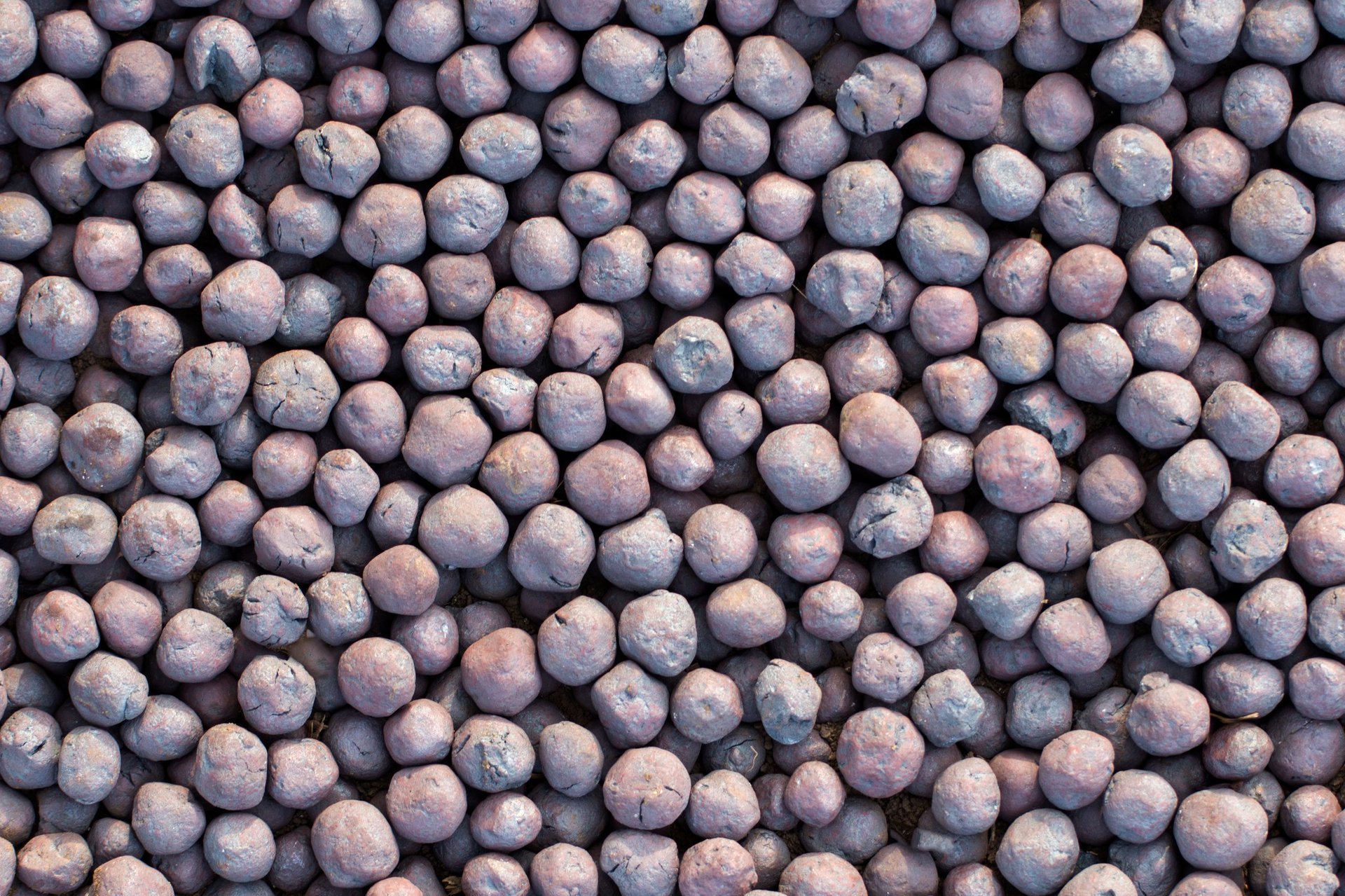
Finished fired pellets. The image illustrates a product form only — it identifies no Noor Deira plant, customer, result or certificate, and implies no supply position.
Qualified enquiry
Put the circuit requirement into the enquiry, not into the campaign
Tell the commercial desk which feed form you are buying, what your circuit needs from it, and the evidence you require at each stage. The enquiry reaches the same desk that answers the specification, so the offer comes back against the fields you actually set.
A pelletizing requirement is settled against the receiving plant as much as against the material, because the circuit and the product criteria belong to that plant. Choose the receiving market to carry the requirement into the right procurement context.
Each market page covers import planning for that destination. This page covers the feed requirements a pelletizing specification for any of them has to carry.
Related routes
Where to go next, depending on what is still open
A balling circuit is not served by the same feed as every other route. The neighbouring forms below each carry their own requirement, and none of them is a substitute for a pellet-feed specification.
The pellet strength page sets out the boundary of a fired-pellet determination, including why a result taken on finished pellets is not acceptance evidence for the feed they were made from.
Questions
What pelletizing engineers ask before a feed joins the circuit
Is pellet feed the same as the pellets the plant produces?
No, and the two are qualified by entirely different things. Pellet feed is the fine material the plant buys and grinds. The pellets are the agglomerated product the plant makes from it, tested after firing against the receiving works' own criteria. A figure reported for the feed says nothing about the fired pellet, and a fired-pellet result cannot be transferred back to the feed as acceptance evidence.
What decides whether a concentrate will pelletize well?
Fineness, how the particles bind, moisture behaviour, and how consistently the material arrives. None of those is an iron content figure. A concentrate can meet every chemical field on a contract and still be awkward on the disc — which is why the plant's own experience of a material has to feed back into what it asks for, rather than the purchase being settled on chemistry alone.
Does this page state a binder ratio or a firing temperature?
No, and it deliberately does not. Binder addition and firing conditions are set by the individual plant against its own circuit, its own feed and its own product requirement. They are operating decisions, not transferable constants, and a page that quoted figures for them would be giving you settings rather than information.
Why are the green ball and the fired pellet treated as separate stages?
Because they are measured on different objects and answer different questions. A green ball has to survive being moved before it is fired; a fired pellet has to meet the tests the works applies to its product. A result taken on one is not evidence about the other, and a circuit tuned only against the finished pellet leaves the handling stage unexamined.
Which pellet quality tests apply to my order?
Those your receiving works names for the product it is buying, at the levels it applies. Strength and the other physical and metallurgical determinations each come from their own method, and the level is the works' decision rather than a universal figure. Establish which tests your specification calls for before the enquiry, so the offer is answered against the right set.
Does this page certify any material or plant?
No. It describes the stages a pelletizing route involves and the evidence each stage needs. This page publishes no test result, no analysis and no accepted grade for any material, and makes no claim about any mine, plant, laboratory or certificate.
Sources
Where the method scope is defined
The determinations a pellet specification may cite are published by the International Organization for Standardization. Check the current edition and status there before relying on any particular method reference.
This page publishes no analysis, no test result and no accepted grade for any material, and makes no claim about any mine, plant, laboratory or certificate. Which determinations your specification should cite, and the levels it should apply, follow from your circuit and your works rather than from this page.