Industry — feedstock into the balling circuit

Iron ore for pellet plants: a pack for each boundary you accept across

A pellet plant buys a feedstock and sells a product, and the two are judged by different parties against different documents. The difficulty is rarely that a plant lacks a specification — it is that one pack is expected to cover the gate, the circuit and the customer at once. Split by the boundary each document is accepted at, and what belongs to whom becomes visible before something is accepted by the wrong party.

Three boundaries, three owners

At the gate
Written by the plant, evidenced by the supplier. The one boundary you can set before anything is delivered.
In the circuit
Entirely internal, contracted to nobody — and the stage where handling problems first show up.
At the customer
Answers to whoever buys the pellets, on fired product rather than on the feed.

Where the pack goes wrong

The failures are about ownership, not about data

Most plants hold more test data than they can use. What causes trouble is a figure being accepted by the party that cannot act on it — or a boundary being left with nobody owning it at all.

A pellet result is not a feed acceptance

A strength figure is taken after firing, so it describes the product. A result from another plant, on another feed, cannot tell you whether your feed will ball in your circuit. Closing the gate test with a product test is the most common version of this error.

The middle stage has no owner

Green-ball behaviour sits between the contracted gate and the contracted customer, so neither party asks for it. It is also the stage where a handling problem first appears — which is why it reads as a product fault later.

A variation claim needs records, not a certificate

Consistency across lots cannot be evidenced by any single consignment's certificate, however perfect. Where the pack asks for one certificate per shipment, it has asked for the wrong document and will get an answer that cannot address variation.

No promise is made on this page about a plant's output, capacity or yield, and none follows from a concentrate grade. How a circuit runs depends on the plant, its equipment and the conditions it is operated under.

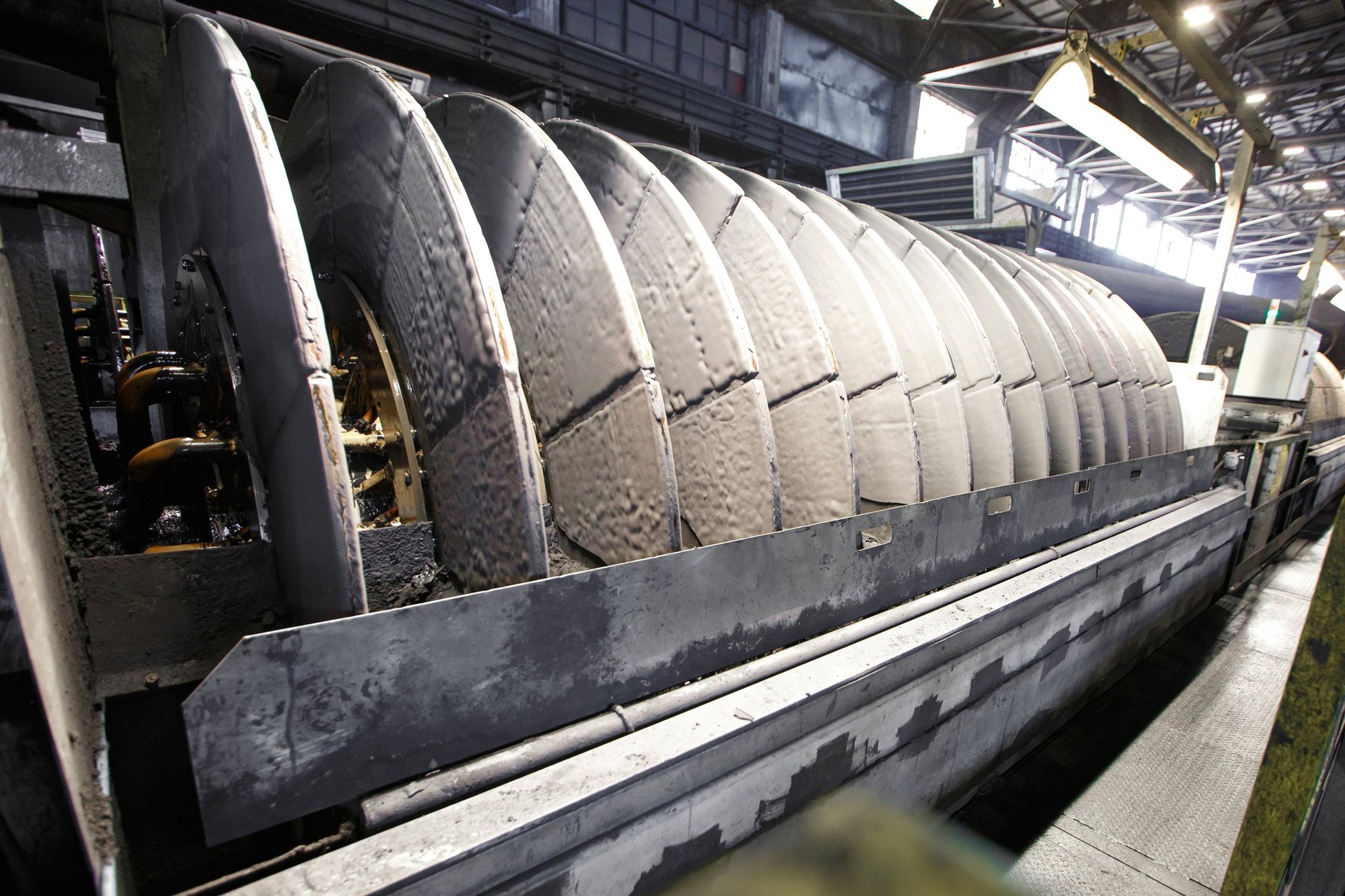
A ceramic vacuum filter separating water from fine iron concentrate during the drying stage of processing.
Concentrate handling — the material an incoming acceptance is written against. The image shows no Noor Deira facility, stock, sample or result.

Decision aid

Build the pack by boundary, and see which zone is thin

Tick each document your pack already carries. The tool reports coverage per boundary, because a pack strong at the gate and empty in the circuit is not the same as one that is uniformly incomplete — and the gaps do not cost the same.

  1. Zone oneIncoming feed acceptance

    What do we require of the material before it is unloaded into our circuit?

    0 of 6

    This zone is the plant's own to define, because the circuit is the plant's. It is the only zone where the requirement can be written before anything is delivered, and the only one a supplier can be held to at the gate.

  2. Zone twoIn-process control

    What does the plant verify between the gate and the fired pellet?

    0 of 3

    This zone is entirely internal. It is not contracted and not evidenced to a supplier, which is exactly why a pack that stops at the gate leaves the middle of the route unexamined — and the middle is where handling problems first appear.

  3. Zone threeOutbound pellet quality

    What does the receiving works require of the pellets we ship?

    0 of 3

    This zone answers to whoever buys the pellets, not to the feed supplier. Its determinations sit downstream of firing, so a result here describes the product rather than the material that went into it.

Pack coverage

Counts based only on what you have ticked. Nothing here supplies a value, a limit or a method.

0 of 12 documents held

Incoming feed acceptance0/6
In-process control0/3
Outbound pellet quality0/3

Nothing ticked yet. Start with the incoming zone, because that is the only boundary the plant can set before anything is delivered.

The tool reports coverage only. It does not tell you what your plant should accept, because that follows from your circuit and the product your own customers buy.

Who owns what

Each boundary has a party that can actually act on it

A document without an owner is a document nobody reads until something goes wrong. This is the same pack seen from the side that matters commercially: who is bound by each figure, and what they can do about it.

The three acceptance boundaries of a pellet plant's pack, with the party that owns each, what that party can act on, and what the boundary is not able to establish.
BoundaryOwnerWhat it establishesWhat it cannot
Incoming feed acceptanceWritten by the plant; evidenced by the supplier per lotWhether the material delivered meets the internal basis the circuit is run against.It cannot say how the feed will behave in the circuit, because behaviour is established in the circuit rather than on a certificate.
In-process controlThe pellet plant aloneHow the material behaves between the gate and the fired pellet — balling, handling and the water carried into the furnace.It is not contracted and not evidenced outward, so it cannot be used to hold a supplier to anything.
Outbound pellet qualityThe pellet plant, answering to its own customerWhether the shipped pellets meet the determinations the receiving works names.It describes fired product only. It is not acceptance evidence for the feed, on this or any other consignment.

Why the gate test is the one worth getting right

Of the three boundaries, only the incoming one can be set before the material is delivered and only the incoming one binds an outside party. The other two are the plant's own measurements, taken after the point at which anything could have been returned.

That makes the gate pack the commercially significant one. Every field on it is a field the plant can argue about with a supplier, provided the field was written before the shipment and carries its method and basis. A gate figure that arrives without those is a number the plant can observe but not contest.

A laboratory technician in protective equipment checking analytical equipment used for acceptance testing.
Acceptance testing context. The image identifies no laboratory, plant or certificate, and reports no result.

Delivery markets

Where the feed is going

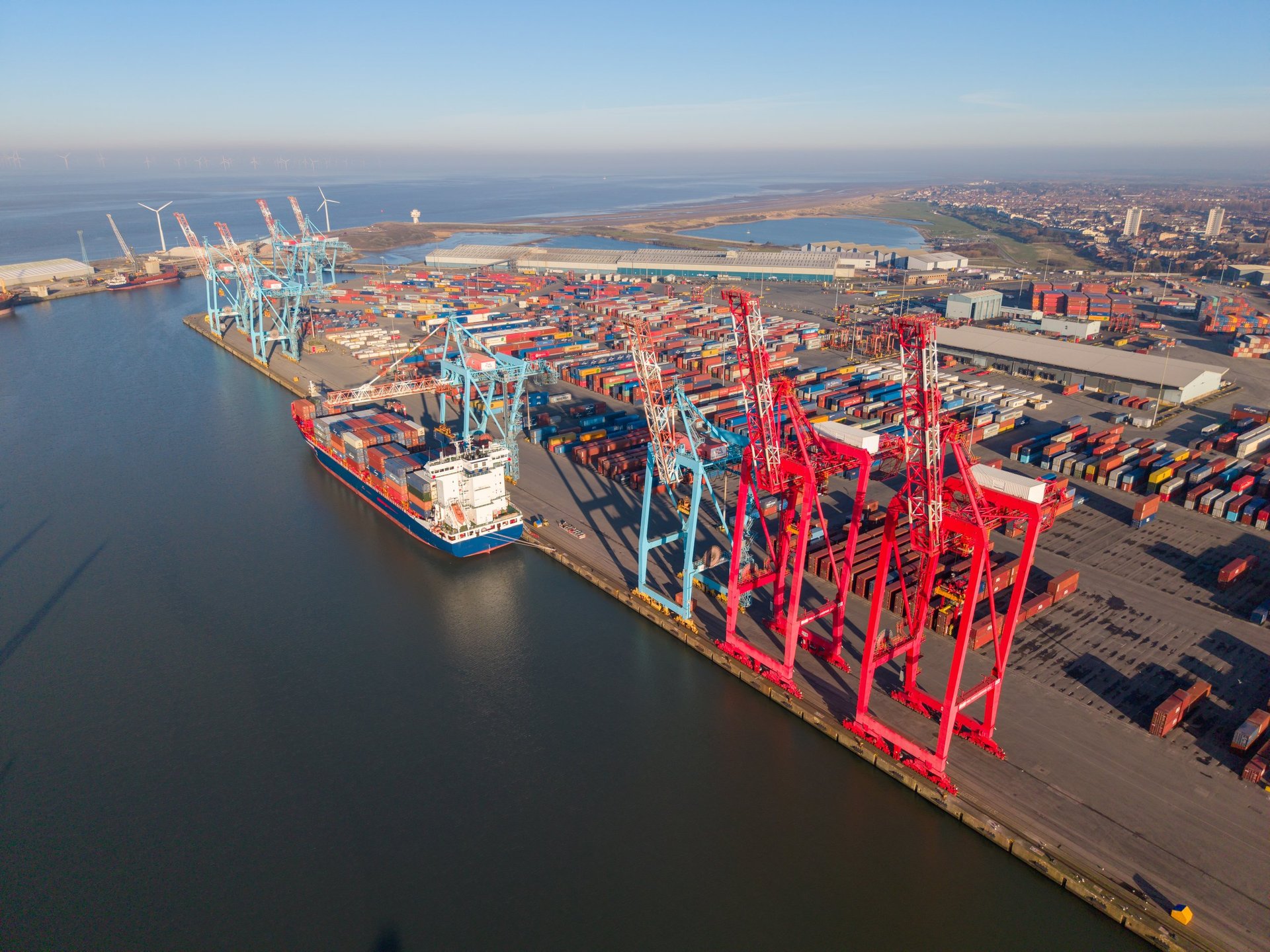
The receiving market sets its own import and delivery questions, and the way a wet fine feed is handled at the berth shapes what arrives at the gate. Open the one you are actually shipping into.

Buyer questions

What plant teams raise before the feed is priced

Does a higher concentrate grade mean more pellet output?

No, and a page that suggested so would be replacing a plant's own operating experience with a guess. Grade describes what the concentrate contains. Capacity, yield and how a circuit runs depend on the plant, its equipment, the feed's physical behaviour and the conditions it is run under. Nothing about output follows from an iron figure on a certificate, and no capacity claim is made here.

Why split the pack into zones rather than one document list?

Because the documents belong to different parties. The incoming zone is written by the plant and evidenced by the supplier; the in-process zone is internal and contracted to nobody; the outbound zone answers to the pellet customer. A pack that mixes them tends to leave someone accepting a figure they do not actually control.

Can a finished pellet test be used to accept the incoming feed?

No. A pellet strength result is taken after firing, and firing is what produces the property being measured. A result from another plant, on another feed, describes those pellets. It cannot evidence whether the feed on your desk will ball or survive induration in your own circuit — which is why the incoming zone has its own determinations.

Why does lot-to-lot variation need its own document?

Because it is a property of the supply rather than of any consignment. Each individual certificate can be perfectly in order while the material still varies enough between lots to make the plant compensate continuously. Asking for variation records rather than a single certificate is what turns consistency from an assumption into something the contract can address.

What should a feed enquiry to a pellet plant carry?

The plant's own incoming requirements, each with its method and, for moisture, its mass basis; the fineness and size distribution with the method behind them; gangue components stated separately; the iron figure with its analytical method and edition; the variation records the plant asks for; the quantity and shipment schedule; and the delivery terms and destination. Where a property is genuinely unknown, saying so is more useful than omitting it, because the offer can then flag it rather than assume it.

Does this page state what a plant should accept?

No. It describes the zones an acceptance pack is built from and which party owns each document. No binder ratio, firing condition, strength level or acceptance limit is published here, because every one of them follows from the individual plant, its circuit and the product its own customers buy.

Qualified enquiry

Send the incoming requirements, with their methods and bases

Tell the commercial desk which properties your circuit accepts on, how consistency has to be evidenced across lots, and the schedule it has to hold over. The enquiry reaches the same desk that answers the specification, so the offer comes back against the gate you actually set.

Price on request — no figure is published on this page.

Commercial desk reachable Monday to Saturday, 8.00 AM to 6.00 PM.

What the enquiry should carry

  • The properties your circuit accepts on, each with its analytical method.
  • Size distribution, with the sieve series or method behind it.
  • Gangue components stated separately rather than as a combined figure.
  • Moisture with an explicit wet or dry mass basis.
  • The variation records you require across lots, and over what period.
  • The iron figure with its method and edition, the quantity and schedule, the delivery terms and any inland leg.

This page describes the boundaries an acceptance pack is built from and which party owns each document. It publishes no analysis, no test result and no acceptance limit for any material, and makes no claim about any mine, plant, laboratory or certificate. What your circuit accepts follows from your plant and the product your own customers buy.