Industry — iron ore into the mill chain

Iron ore for integrated steel mills: several streams, one chain

An integrated mill does not buy one material against one specification. It buys several streams into one chain, and each is accepted by a different operating unit against a basis that unit's process implies. That changes the enquiry before it changes the material — the question is not which grade you want, but which unit each stream feeds and what that unit requires.

The site's own configuration sets the framework

Mills differ in which units they run. Some operate a sinter plant and a blast furnace; some pelletize; some run direct reduction alongside or instead. Which units exist decides what each incoming stream must be — so the configuration is established first, never assumed.

This page maps feeds to units. It does not claim that any particular mill runs any particular process.

What changes in the requirement

Four things a mill-wide framework moves

These are the points where buying into an integrated chain differs from buying to a published grade. Each is settled by a different document, and none of them by the ore's name.

01

The unit that receives the feed sets its requirement

An integrated mill does not buy one material against one specification. It buys several streams, each accepted by a different operating unit against a basis that unit's process implies. A single firm-wide grade name cannot express that, which is why a mill enquiry is written per stream rather than per material.

Evidence: the receiving unit named for each stream.

02

A burden requirement does not transfer between routes

A feed bought for sintering is judged on how it blends; a feed for direct reduction is judged on how it behaves under reduction. Both are iron ore, and the evidence sets are largely disjoint. Carrying one route's acceptance across to another produces a correct offer to a question the plant did not ask.

Evidence: the route-specific basis, stated per stream.

03

Consistency is a property of the supply, not the lot

Where successive lots feed the same chain, variance between them bears on the operation independently of any average. It is the one requirement that no single consignment's certificate can evidence, so it has to be asked for as records rather than as a figure.

Evidence: lot-to-lot records across shipments.

04

The basis of each figure travels with it

Chemistry quoted on an unstated basis cannot be compared against an internal specification, and two figures determined by different methods need not agree. The method and the mass basis are part of the value rather than a footnote to it — and this holds per figure, not per document.

Evidence: each determination with its method; moisture with its basis.

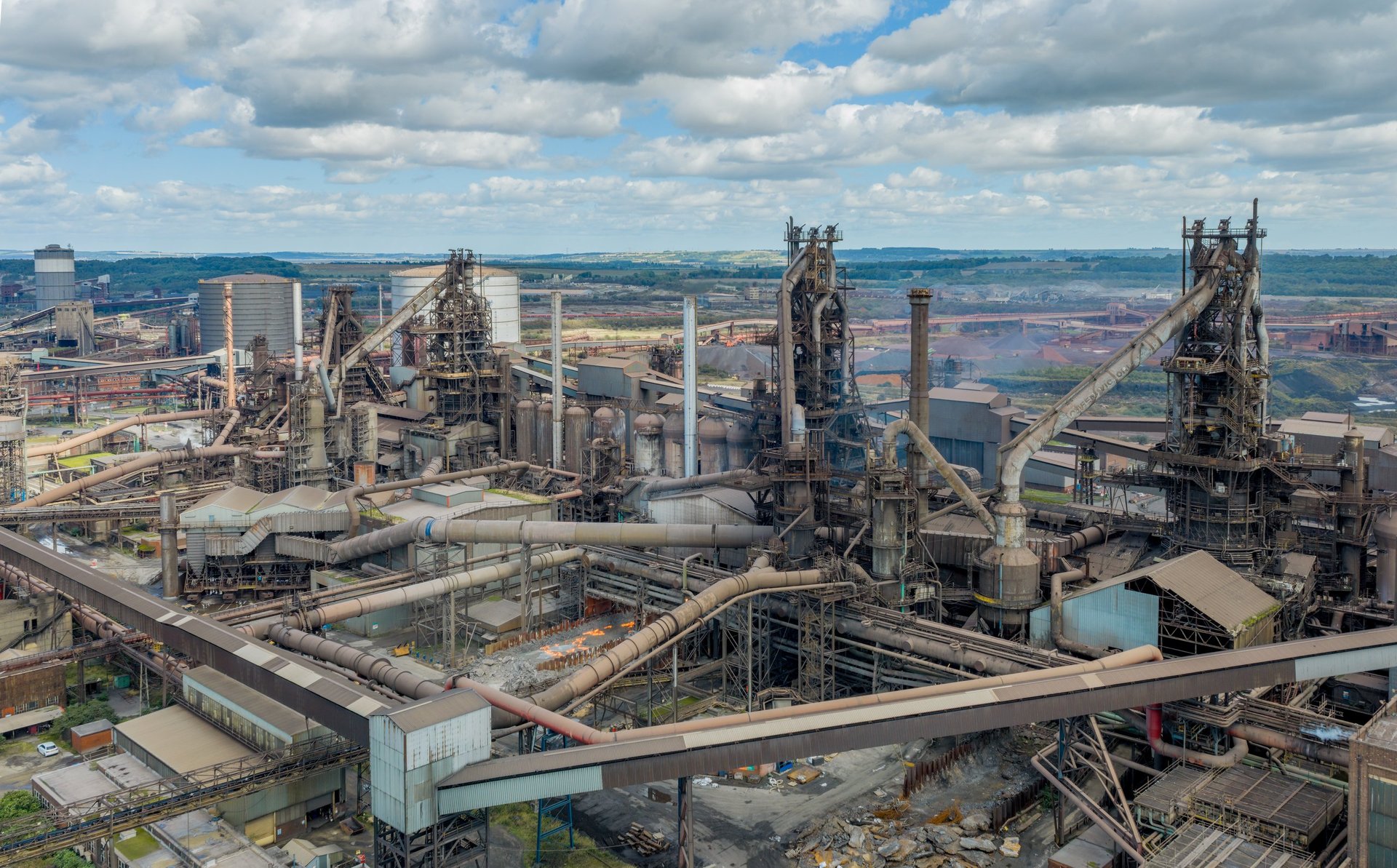
Blast furnaces and processing equipment at an integrated iron and steel works.
An integrated works runs its own chain end to end. Acceptance is set internally against what that chain can process. The image identifies no operator, client or site.

Where assuming a configuration goes wrong

A purchasing framework built on an assumed route is built on a process the plant may not have. If an enquiry presumes a pelletizing step at a site that does not pelletize, the requirement attached to it describes a unit that does not exist — and the offer answered against it cannot be received.

The reverse is just as costly. A framework that omits a unit the site does run leaves that stream unmapped, so the material feeding it is bought against the nearest available basis instead of the right one. Both failures come from the same omission: the site's own configuration was never stated.

Decision aid

Declare the units your site runs, then map each stream to its requirement

Start by selecting the operating units your site actually has — nothing is assumed. The map then lists what each declared unit requires of the feed it receives, and tracks which streams your enquiry has already covered.

Step one — which units does your site operate?

Select only the units that exist at your works. A unit you do not run should stay unselected, because a requirement mapped to a process the plant does not have cannot be received.

No units declared yet

Select the operating units your site runs above, and the evidence each one requires will appear here.

Framework coverage

Counts based only on what you have declared. Nothing here supplies an acceptance value or a method.

0
Mapped
0
Open
0
Not reviewed

No units declared. Start by selecting the operating units your site actually runs — every later step depends on that configuration being right.

6 units left unselected. That is correct if your site does not run them — the framework should reflect the plant as it is, not as a generic mill.

The map reports coverage only. It does not tell you what your units should accept, because that follows from your configuration, your internal basis and the product your works makes.

Where the material enters

Each route has its own page, because each has its own requirement

These pages set out what a feed has to be at the unit that receives it. Read the one your stream actually enters — the others answer different questions.

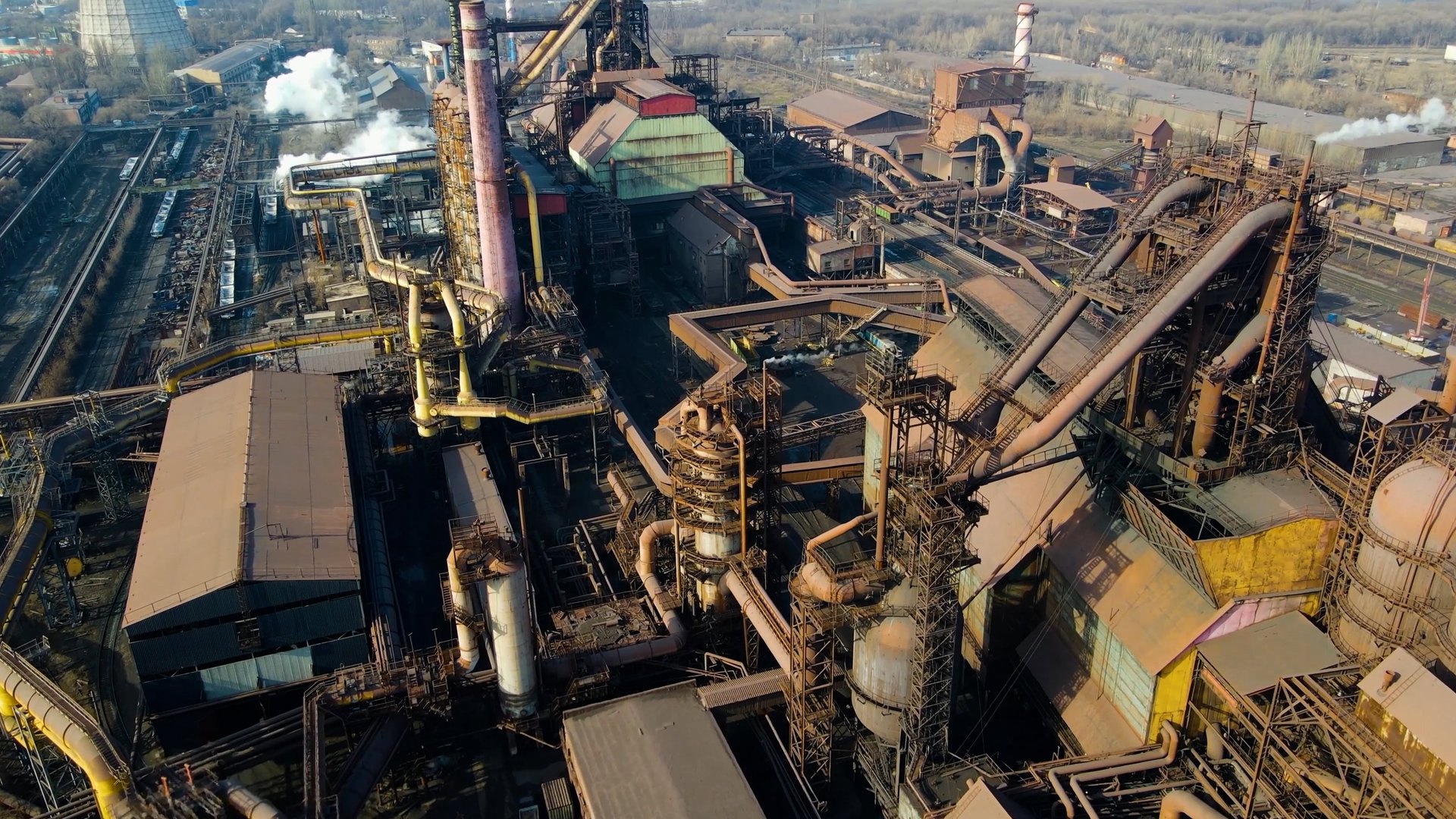
Aerial view of a metallurgical plant complex with processing units and stacks across the site.
A works seen whole — the scale at which a multi-feed framework operates. The image identifies no operator, client or site.

Why the framework is per unit, not per material

A mill's procurement difficulty is rarely that it lacks a specification. It is that one specification is expected to cover several streams entering several units. Once the unit is named, the properties that matter follow from its process, and the enquiry becomes a question the supplier can actually answer.

That is also what makes a multi-feed framework traceable. Every requirement on the list belongs to exactly one unit, so when a stream underperforms, the basis it was bought against can be found and corrected — rather than the plant compensating indefinitely against a requirement that was never specific enough to argue with.

Evidence

What has to travel with every figure, whichever unit receives it

Across all the streams and all the units, five fields make the difference between a requirement the plant can act on and one it can only assume. None of them is a value — they are what make a value usable.

The fields that must accompany any figure in a mill feed specification, and why the figure is not actionable without each one.
FieldWhy the figure is not actionable without it
The unit the stream feedsWithout it, the requirement attached to the figure describes no process. A burden basis and a reduction basis are not interchangeable, and the receiving unit is what tells them apart.
The determination methodTwo figures determined by different methods need not agree even on nominally the same material. The method is part of the value, not a footnote to it.
The mass basis (wet or dry)Moisture and the chemical figures can be expressed on different bases, and the two are different numbers on the same material. An unstated basis cannot be reconciled against your own receiving records.
Lot-to-lot recordsConsistency is a property of the supply rather than of a consignment. No single certificate can evidence it, so it has to be asked for as records across shipments.
The sampling basis and issuerEvery figure was produced from a sample, by a party. Where the sample was drawn on a basis you cannot reproduce, the numbers describe the supplier's sample and not the material you receive.

Where the internal basis is not disclosed

Mills do not always publish their incoming specification. Saying so in the enquiry is more useful than leaving it blank, because it tells the supplier the offer can only be written against a general basis — and lets them state what that basis is, so you can judge whether it is close enough to matter.

An offer that silently assumes a basis is the failure this framework is meant to prevent. The same holds per unit: a stream mapped to a general basis rather than the receiving unit's own is a stream that will have to be re-specified later.

No acceptance value, size band, gangue level or residual maximum is published on this page. Every one of them follows from your units, your internal basis and the product your works makes.

An engineer monitoring process data at a plant control desk, where incoming stream figures are tracked.
Process monitoring context — where a declared basis meets what actually arrives. The image identifies no operator, plant or client.

Procurement navigator

Where the mill charge is being received

The receiving market sets its own import and delivery questions. Open the one you are actually shipping into.

Each market page covers import planning for that destination. This page covers the multi-feed framework a mill applying any of them has to build.

Buyer questions

What mill procurement teams raise before an offer is written

Does every integrated mill run sintering, pelletizing and direct reduction?

No, and assuming it does is the fastest way to write an unusable enquiry. Integrated mills differ in which operating units they actually have. Some run a sinter plant and a blast furnace; some also pelletize; some run direct reduction alongside or instead; and the units present decide what each incoming stream has to be. Establish which units the site operates before mapping any feed to a requirement.

Why does a mill need several feed streams rather than one specification?

Because the streams enter different units with different processes and different acceptance bases. A sinter plant receives fine material and judges how it blends. A direct reduction unit receives a feed and judges how it behaves under reduction. Those are not variations on one requirement, and a single firm-wide grade name cannot express both. Procurement is correspondingly per stream, against the unit each one feeds.

Can I compare two suppliers' offers against the same specification?

Only if each figure carries its method and its basis. Two results determined by different methods need not agree even on nominally the same material, and a moisture figure quoted without its wet or dry basis cannot be reconciled against your own receiving records. Comparing offer against offer, or offer against your internal basis, is a like-for-like exercise that depends on the basis travelling with every value.

Where does consistency fit if each lot meets specification?

It sits beside specification rather than inside it. A stream can meet its stated limits lot by lot and still vary enough between lots to force the plant to compensate continuously. Because a single certificate describes one consignment, consistency has to be evidenced across shipments — which makes it a supply-property question, and one worth raising before the contract rather than after the first campaign.

What should a mill's enquiry contain?

The units the site operates and which stream feeds each of them; the acceptance basis for each stream, or a statement that it is not disclosed; the properties that basis is written on, each with its method and, for moisture, its mass basis; how consistency is to be evidenced across lots; the quantity and delivery schedule; and the destination, terms and any inland leg. Where the internal basis cannot be shared, saying so is more useful than leaving it blank.

Does this page describe any particular mill or supplier arrangement?

No. It describes the framework a mill procurement team can use to map several feed streams to the operating units that receive them. It makes no claim about the configuration of any mill, and publishes no acceptance value, test result or stock position for any material.

Qualified enquiry

State each unit and its basis, not one grade for the works

Tell the commercial desk which units your site runs, which stream feeds each of them, and what basis each stream will be judged against. The enquiry reaches the same desk that answers the specification, so the offer comes back against the units you actually operate.

Price on request — no figure is published on this page.

Commercial desk reachable Monday to Saturday, 8.00 AM to 6.00 PM.

What the enquiry should carry

  • The operating units your site runs, and which stream feeds each of them.
  • The acceptance basis for each stream, or a statement that it is not disclosed.
  • Each property that basis is written on, with its analytical method.
  • Moisture with its wet or dry mass basis, stated as a separate field.
  • How consistency is to be evidenced across lots, since no single certificate can show it.
  • Quantity and delivery schedule, destination, terms and any inland leg.