Iron ore applications

Iron ore for sintering: buying a blend, not an iron figure

A sinter strand does not buy iron content. It buys a blend that will hold together, burn evenly and come off the strand as a usable product — and those are decided by particle distribution, moisture behaviour, the chemistry of what goes into the mix, and how consistently the material arrives. Two fines products with the same nominal Fe figure can behave completely differently on the same strand, which is why a purchase specification written around iron content alone leaves the plant to absorb the difference.

What the strand constrains, and what it does not

It constrains
Distribution, moisture behaviour, gangue, minor elements, lot-to-lot consistency and the sampling basis behind every figure.
It does not constrain
A nominal iron figure on its own. Iron content is one field in the blend calculation, not a verdict on how the feed will run.
Neither settles
Your acceptance limits. Those belong to your blend, your strand and what your works is making next.

Where specifications go wrong

The purchase is written on chemistry; the plant is judged on behaviour

A sinter plant's difficulties rarely trace back to a shortage of iron content. They trace back to a feed that behaved differently from the one the blend was designed around. Three of those gaps are worth naming before the order is placed.

A grade label is not a size distribution

Two products can carry the same grade band and settle, granulate and burn quite differently. The blend is built on the distribution, and the distribution is the field most often left off a purchase requirement.

Distribution has to travel with the material

Moisture is a blending input as well as a commercial basis

It affects how the mix behaves on the strand and how wet and dry tonnage reconcile on the contract. A figure quoted without its basis and its determination point answers neither question.

One figure serves two purposes

Iron content does not predict how a feed will run

A higher iron figure is not a better blend feed. What the strand has to absorb is decided by what else is in the material, how it is distributed and how consistently it arrives.

The core misconception this page exists to prevent

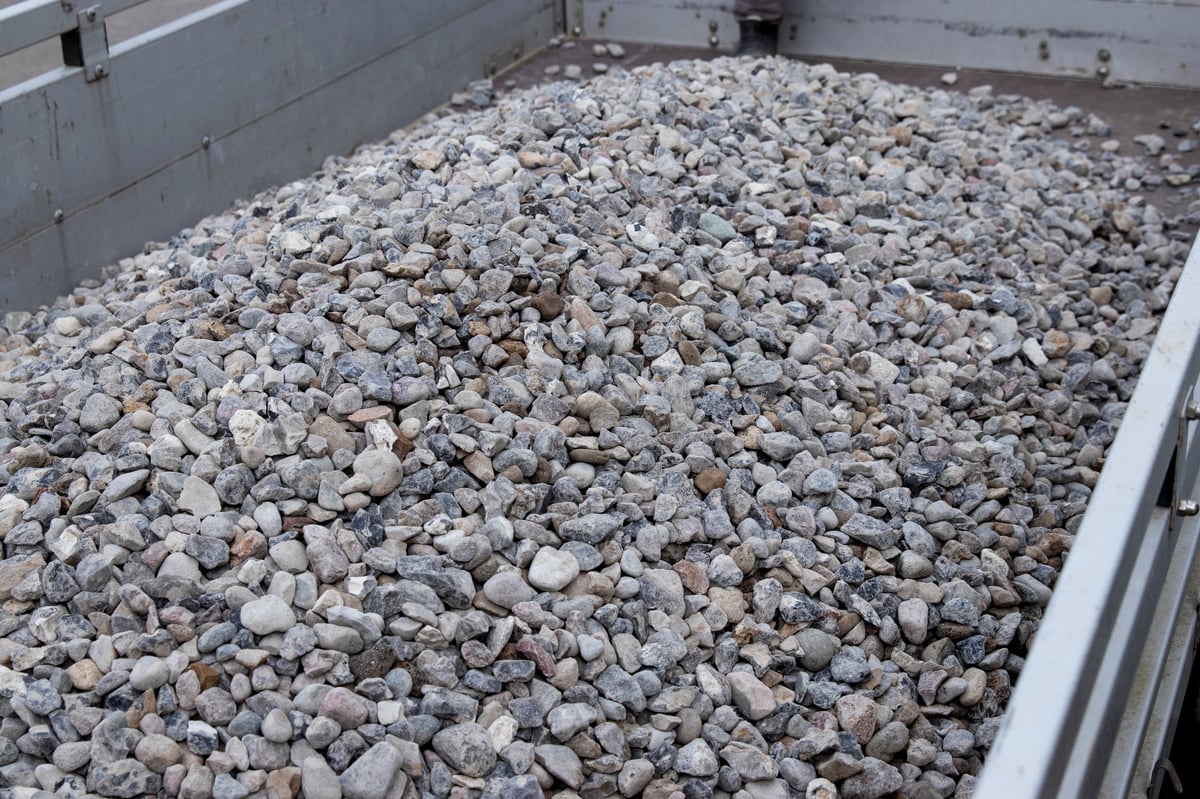
Close view of bulk material showing a mix of particle sizes and shapes in a loading bed.
Particle distribution context. The image illustrates a mixed-size bulk material only — it shows no Noor Deira stock, sample, result or certificate.

Why the gap reaches procurement rather than staying on the strand

When a blend underperforms, the operating response is local: adjust the mix, change the moisture, alter the strand settings. Those adjustments work, which is precisely why the cause is rarely escalated. The plant absorbs the difference and the purchase requirement is never corrected.

The cost of that absorption is real but diffuse — it appears as variability in the product and as continuous compensating work, not as a line item that can be pointed at. That is why translating strand constraints into purchase fields is worth doing deliberately, and why this page is written for the person who runs the strand rather than for the person who writes the tender.

Decision aid

Six fields that decide whether a feed can join the blend

Work down the list as the plant would when a candidate feed arrives. The tool tracks which fields are backed by evidence you can rely on, which are being offered without it, and which are still open — so what the enquiry has to carry is visible before the order rather than after the first campaign.

  1. 01Particle size distribution

    Not reviewed

    Permeability through the bed is set by how the particles are distributed, not by a single size figure. A distribution that is too coarse or too fine changes how the strand burns, and a material whose distribution shifts between lots changes it again without anyone amending the specification.

    The distribution itself, and the screening or laser method used to produce it.

  2. 02Moisture behaviour

    Not reviewed

    Moisture is both a blending input and a commercial basis. A material that holds or sheds water differently from the rest of the blend changes the mix on the strand and the wet-versus-dry reconciliation on the contract, and both matter.

    The moisture figure, the determination method, and the basis it is reported on.

  3. 03Gangue and what it costs the strand

    Not reviewed

    Silica and alumina raise the slag volume the furnace has to carry and change what the sinter must be built to achieve. Two feeds at the same iron content can impose very different burdens on the plant depending on what else is in them.

    The gangue figures, on a stated basis, with the method each was determined by.

  4. 04Residual and minor elements

    Not reviewed

    Elements that do not report to the slag travel with the iron into the steel. What a plant tolerates depends on what it is making next, so the acceptable level is a property of the works rather than of the ore.

    The specific elements your works constrains, and the level it applies to each.

  5. 05Consistency between lots

    Not reviewed

    A blend is designed around a feed behaving in a particular way. If lot-to-lot variation exceeds what the blend can absorb, the plant compensates continuously instead of running the mix it planned — which is a cost that never appears on a specification sheet.

    How consistency is evidenced across lots, and over what period.

  6. 06Sampling and inspection basis

    Not reviewed

    Every characteristic above is only as dependable as the sample it was produced from. A blend decision made on figures that cannot be reproduced at your own receiving point is a decision made on the supplier's sample, not on your material.

    The sampling basis and method, and whether an inspection party is to be appointed.

Blend readiness

A count of the six fields, based only on what you have selected. Nothing here supplies a limit, a size band or an iron figure.

0
Evidenced
0
Needs evidence
6
Not reviewed

Nothing reviewed yet. Start with particle size distribution, because it decides whether the feed can enter the blend at all, whatever its chemistry says.

The tool reports readiness only. It does not tell you what your plant should accept, because that follows from your blend, your strand and what your works is making.

Strand to purchase order

Turning each strand constraint into a field the enquiry can carry

The left-hand column is what the strand does with the feed. The right-hand column is what the purchase requirement therefore has to say. No limit appears in either, because every limit is yours.

Each sintering constraint, the consequence of running a feed that violates it, and the corresponding field the purchase requirement has to carry.
What the strand constrainsThe cost of a feed that does not satisfy itWhat the enquiry must carry
Bed permeabilityA feed that will not let gas through forces the whole strand to run around its limitations, and the compensating work never appears as a traceable line item.The particle size distribution, with the screening or laser method that produced it, and the cut points reported.
Granulation and mix behaviourA blend that does not granulate consistently changes campaign to campaign, so the strand chases the feed instead of running the mix it planned.The distribution and the moisture behaviour, stated together, since the two decide how the mix forms.
Slag volume the works must carryGangue raises the slag the downstream furnace has to handle and the energy needed per tonne of iron, regardless of how good the iron figure looks.The gangue figures on a stated basis, with the method each was determined by.
Product quality the works is makingElements that do not report to the slag travel with the iron into the steel, so a level the works cannot tolerate becomes a downstream problem.The specific minor elements your works limits, and the level it applies to each.
Stability across the campaignVariation beyond what the blend can absorb turns a designed mix into continuous adjustment, showing up as product variability rather than as a cost.How consistency between lots is evidenced, and over what period.
Whether any of the above can be believedA blend designed on figures that cannot be reproduced at your receiving point is a blend designed on the supplier's sample.The sampling basis and method, and whether an inspection party is to be appointed.

No acceptance limit, size band, gangue level or residual maximum is published on this page. Every one of them is a property of your strand, your blend and your works. This page maps what sintering constrains and what has to be evidenced; it does not supply your numbers.

Where the blend meets the steel mill behind it

Sinter is not an end product. It is an intermediate the works builds to feed what comes next, and the constraints on the blend are inherited from that downstream requirement rather than chosen on the strand. A change in what the mill is making propagates back through the sinter specification.

That is why the purchase fields above are not a fixed list. When the works shifts product or the downstream requirement tightens, the fields that matter and the levels applied to them move with it, even though the ore and the strand have not changed.

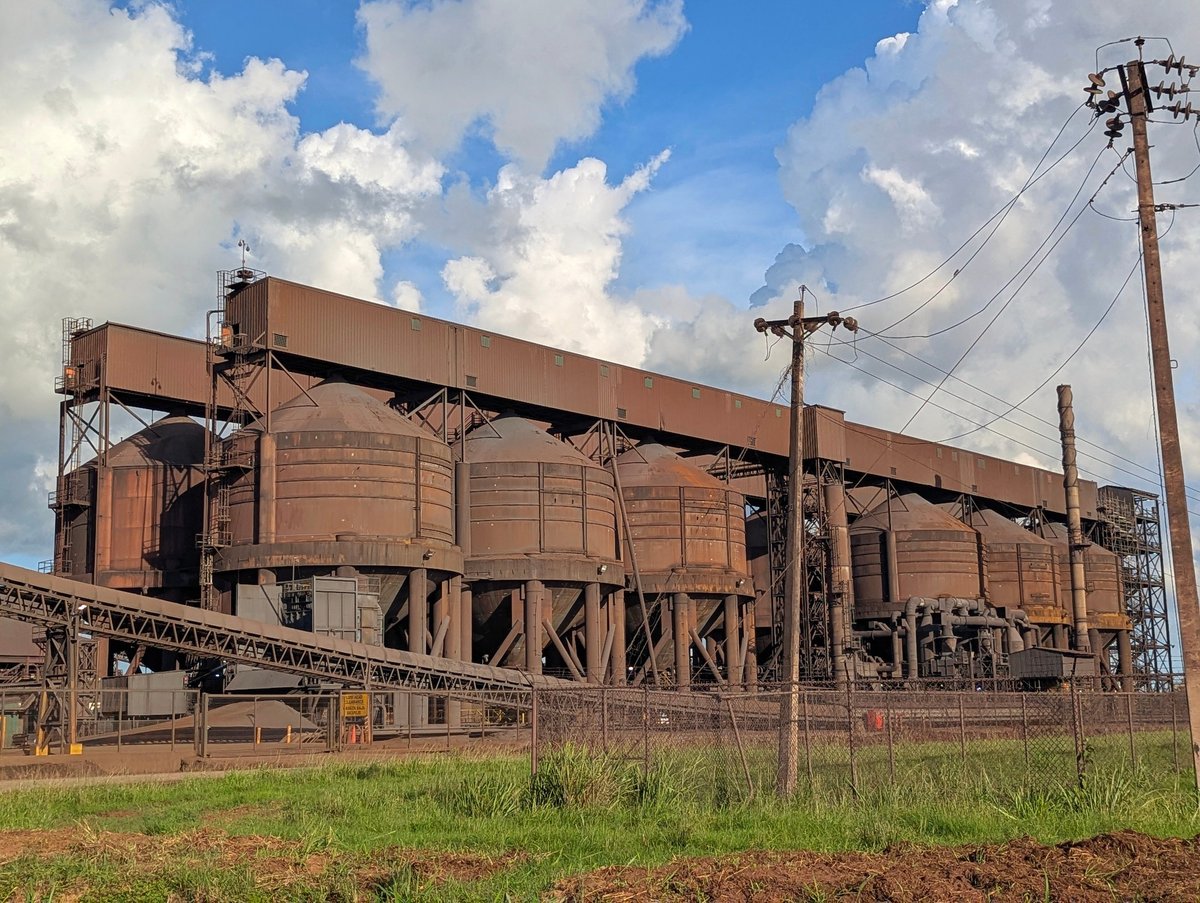
Large cylindrical raw-material processing vessels at an industrial steel plant site.
Raw-material processing context. The image identifies no client, plant, operator or site, and implies no Noor Deira facility or supply position.

Adjacent feed forms

Neighbouring iron ore routes, and the line between them

Iron ore reaches a works through more than one route, and the purchase requirements are not interchangeable. Each row below is a different destination for the material with its own constraints — not a variation on the same specification.

This route

Sinter feed

Material destined for a sinter strand, judged on whether it can join the blend. This page describes that route. The feed form is defined by the strand it is being bought for, not by the fact that it is fine.

A different plant

Pellet feed and concentrate

Finer material destined for balling and induration instead. It shares the word fine with sinter feed and almost nothing else — the plant, the process and the qualifying tests are different.

A different burden slot

Lump ore

Coarse material charged directly to the furnace without agglomeration. Its sizing and physical behaviour are judged against a burden slot, not against a strand's ability to absorb it.

A material can be described as fines and still be entirely unsuitable for a sinter blend, and a material that suits one works' blend can be wrong for another's. The route a feed is bought for is what defines its requirement — not its size range and not its grade name.

Commercial

From strand constraint to a quotable enquiry

A blend requirement becomes a commercial question the moment it leaves the plant: quantity, destination, term and schedule all change what can actually be offered against it. These are the fields that make the request answerable.

Feed form and quantity

The form you are buying and the tonnage, in the unit it is transacted in, so the blend calculation and the commercial quantity describe the same material.

Evidence per field

The distribution, moisture, gangue and minor-element data you require, each with its method and its basis named rather than requested in general terms.

Consistency expectation

What lot-to-lot variation your blend can absorb, and how the supplier is to evidence staying inside it.

Sampling and inspection

The sampling basis behind every figure, and whether an inspection party is to be appointed at load, at discharge or both.

Delivery destination and term

The receiving point and the delivery term the enquiry is written against, since these decide what has to happen at each end.

Documents and schedule

The records you require with the shipment, named individually, together with the timing the strand's campaign plan actually needs.

No price, availability, stock position, origin, mill, lead time or shipping arrangement appears on this page, and none is implied by it. Pricing is on request, against the specification and the terms you state.

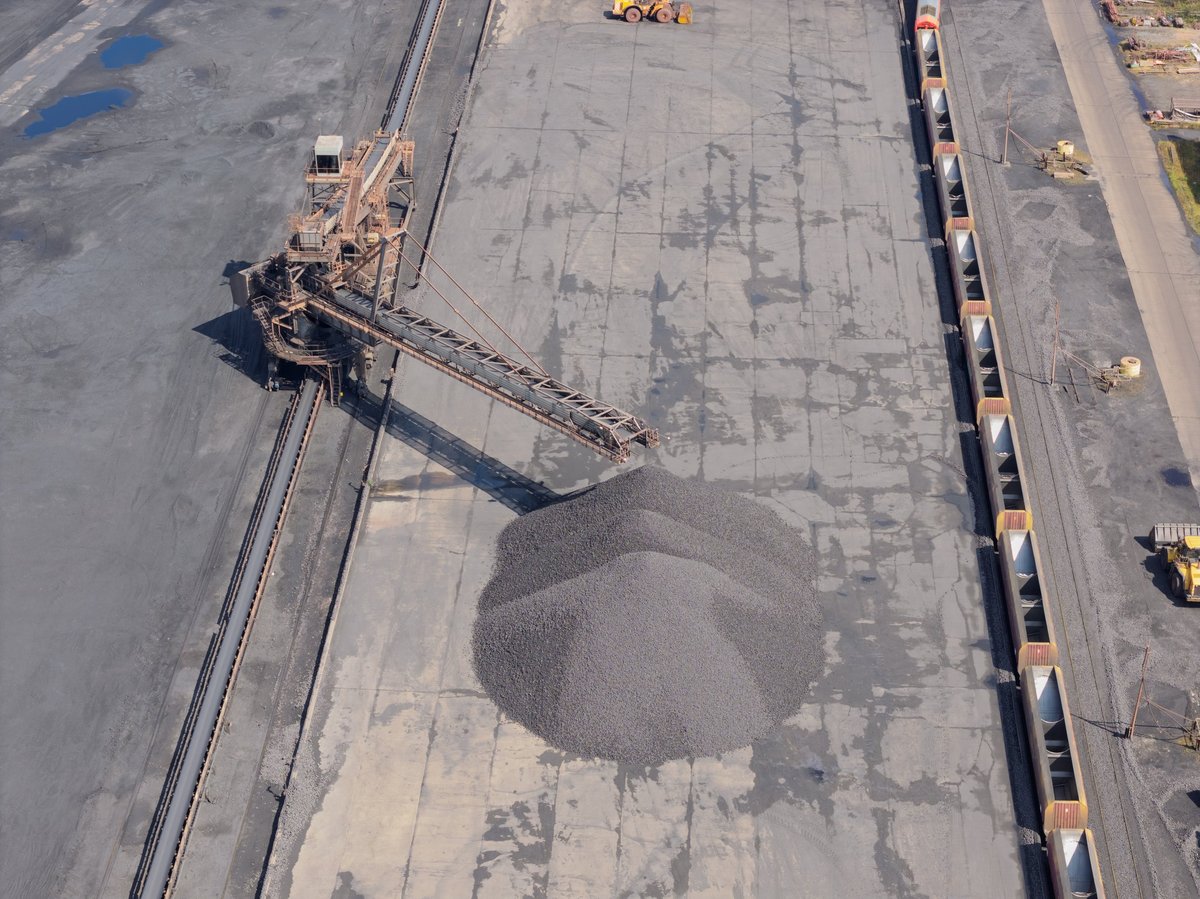
Bulk material being stacked into a conical stockpile at a shipping yard with rail wagons alongside.
Bulk blending and stockpiling context. The image shows no Noor Deira stock, cargo, port or origin, and identifies no supplier or customer.

Qualified enquiry

Put the blend fields into the enquiry, not into the campaign

Tell the commercial desk which feed form you are buying, which characteristics your strand constrains, and the evidence you need behind each one. The enquiry reaches the same desk that answers the specification, so the offer comes back against the fields you actually set.

Price on request — no figure is published on this page.

Commercial desk reachable Monday to Saturday, 8.00 AM to 6.00 PM.

What to include in the request

  • The feed form, the grade band you are specifying, and the tonnage with its unit.
  • The particle size distribution you require, with the method and cut points.
  • Moisture, its determination method, and the basis it is to be reported on.
  • The gangue and minor-element figures your works constrains.
  • How consistency between lots is to be evidenced, and over what period.
  • The sampling basis and any inspection party, the documents you expect, the destination and the delivery term.

Procurement navigator

Where the feed is being received

A blend requirement is settled against the receiving works as much as against the material, because the constraints belong to that plant. Choose the receiving market to carry the requirement into the right procurement context.

Each market page covers import planning for that destination. This page covers the blend requirements a sinter feed specification for any of them has to carry.

Questions

What sintering engineers ask before a feed joins the blend

Does a higher iron content mean better sinter performance?

No, and treating it as though it does is the most common way a sinter specification goes wrong. Iron content describes how much iron is present. It says nothing about whether the feed will granulate, how the bed will burn, what slag volume the gangue will create, or how the product will hold together off the strand. Two fines products at the same nominal iron content can behave very differently on the same strand, which is why the plant's constraints are physical and chemical at once.

Are all fines suitable for a sinter blend?

No. Fines describes a size range, not a fitness for sintering. A material can be fine and still be unattractive to a strand for reasons of particle distribution, chemistry, moisture behaviour or consistency between lots. Whether a particular fines product suits a particular blend is a question for the plant that runs the blend, assessed against that plant's own constraints rather than against the fact that it is called fines.

Which characteristics should a sintering enquiry actually carry?

The feed characteristics your strand constrains, each with the evidence behind it: particle size distribution with the method used to determine it, moisture with its basis, gangue and the minor elements your works limits, how consistency between lots is evidenced, and the sampling basis the whole set rests on. Iron content is one field among those, not the summary of them.

Why does consistency between lots matter so much?

A blend is designed around a feed behaving in a certain way. When lot-to-lot variation stays inside what the blend can absorb, the plant runs the mix it planned. When it does not, the plant compensates continuously — chasing the feed rather than running the strand — and that shows up as variability in the product rather than as a clean, traceable cost. It is one of the few properties that a single lot's certificate cannot evidence.

How does the sampling basis affect a blend decision?

Every figure discussed above was produced from a sample. If that sample was drawn from a stockpile while your agreement settles on the lot, the figures describe the stock and not the material you are buying. The sampling basis, and whether an inspection party witnesses it, decides whether the numbers you are blending around can be reproduced and defended at your own receiving point.

Does this page state what my plant should accept?

No. No size band, gangue level, moisture figure or residual limit is published here, because every one of them is a property of your strand, your blend and what your works is making. This page maps what sintering constrains and asks which of those you can evidence — it does not supply your limits, and nothing on it should be read as an acceptance criterion.

Sources

Where the method scope is defined

The standards named on a sinter feed specification are published by the International Organization for Standardization. Check the current edition and status there before relying on any particular method reference.

This page publishes no analysis, no test result and no acceptance limit for any material, and makes no claim about any mine, plant, laboratory or certificate. Which methods your specification should cite, and the levels it should apply, follow from your blend and your works rather than from this page.