
Between deposits
Different sources carry different proportions of hydrated and anhydrous material, so iron content and loss on ignition differ between them even though both are correctly described the same way.
Material — A Descriptive Grouping
Limonite is a descriptive grouping, not a mineral species with a fixed formula. It is applied to hydrated iron oxide material that is not consistently one mineral, which is precisely why the name cannot guarantee a composition, a grade or a behaviour.
What the name does tell you is which properties are worth pinning down. This page works through those — what moves between lots of this kind, what evidence fixes each one, and what changes in the purchase when it drifts.
Price on request. No composition, grade, sizing or performance is asserted on this page.
Because the material carries water within its structure, both the loss on ignition and the moisture as delivered are properties of the lot rather than constants of the name. Together they decide the mass balance and the tonnage you actually receive.
Variability worksheet
For each property: why it varies across material described this way, the evidence that pins it down for a specific lot, what changes in the purchase when it drifts, and the question to answer about your own tolerance.
Why a worksheet rather than a specification: the properties above do not have values that apply to the grouping. Each is fixed per lot, by that lot's own determinations. A worksheet records which of them you have pinned down and which are still open — which is the question an offer has to answer.
One lot is not the next
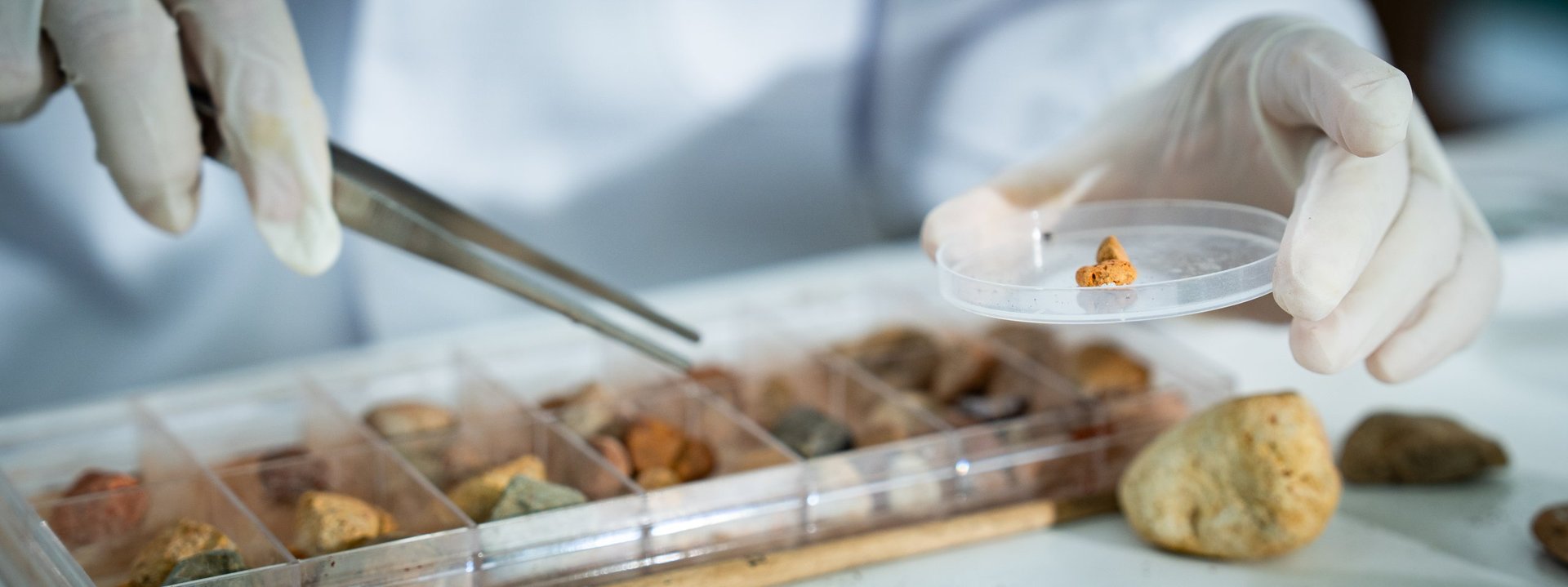
Material described this way varies between deposits and between lots from the same deposit. That makes the evidence a per-lot question rather than a property of the name.
Different sources carry different proportions of hydrated and anhydrous material, so iron content and loss on ignition differ between them even though both are correctly described the same way.
The same source does not guarantee a constant product. How much water the material carries, and how it is sized, can move from one consignment to the next.
Moisture changes as material is stockpiled, loaded and shipped. What was determined at the point of sampling is the figure the documents carry, not necessarily what arrives.
Limonite sits beside goethite and hematite as an iron oxide material, and each is described here on its own terms. They are mineralogical neighbours, not interchangeable grades — a comparison between them is bounded by that, and where the figures were established differently, the numbers are not describing the same thing.
Where a lot of this material is destined for a plant rather than a trader, the acceptance basis changes: see the integrated mills page for what an internal specification shifts, or the pellet plants page where consistency between lots carries as much weight as the mean figure.

Lot evidence record
Each field below corresponds to a property that moves across this grouping. Enter what you hold; the record reports which are still unevidenced and flags any figure stated without the basis that makes it comparable.
How the make-up was established, and by which method.
The iron content of the lot, as assayed.
The analytical standard behind the figure.
The figure and whether the portion was dried or as received.
The figure and whether the tonne is wet or dry.
The as-delivered sizing of the lot.
The method that produced the size record.
Any test run on this material through the intended route.
Volume required and over what schedule.
The place, and the shipping term that reaches it.
0 of 10 fields completed.
No result is shown because nothing has been stated. The grouping name alone is not evidence, so the record waits for the lot's own figures.
Destination planning
The delivery place and the term that reaches it change the documents and the handling. Open the market you are actually shipping into.
A hydrated material carries water, so the received tonnage at Jebel Ali or Khalifa Port depends on the basis the offer was written on. Name the delivery place before the Incoterm means anything.
Plan a deliveryConsignments into Dammam or Jeddah typically move inland, so the quotation has to reach the inland place rather than stop at the port. Say whether the rail or road leg sits inside your requirement.
Plan a deliveryHamad Port consignments are usually cleared against a document set agreed in advance. Name the consignee and whether the assay and moisture documents are needed before discharge rather than after.
Plan a deliveryShuwaikh and Shuaiba movements are short-sea legs, so the loading form affects handling more than the voyage. State whether the requirement is containerised or breakbulk.
Plan a deliveryKhalifa Bin Salman Port deliveries often connect to a mainland industrial consumer, so the delivery place may not be the port itself. Name the final place and the Incoterm that reaches it.
Plan a deliverySohar and Duqm consignments sit close to industrial zones where the receiving site may take delivery directly. State the port or zone, the delivery term that reaches it, and any origin documentation your end use requires.
Plan a delivery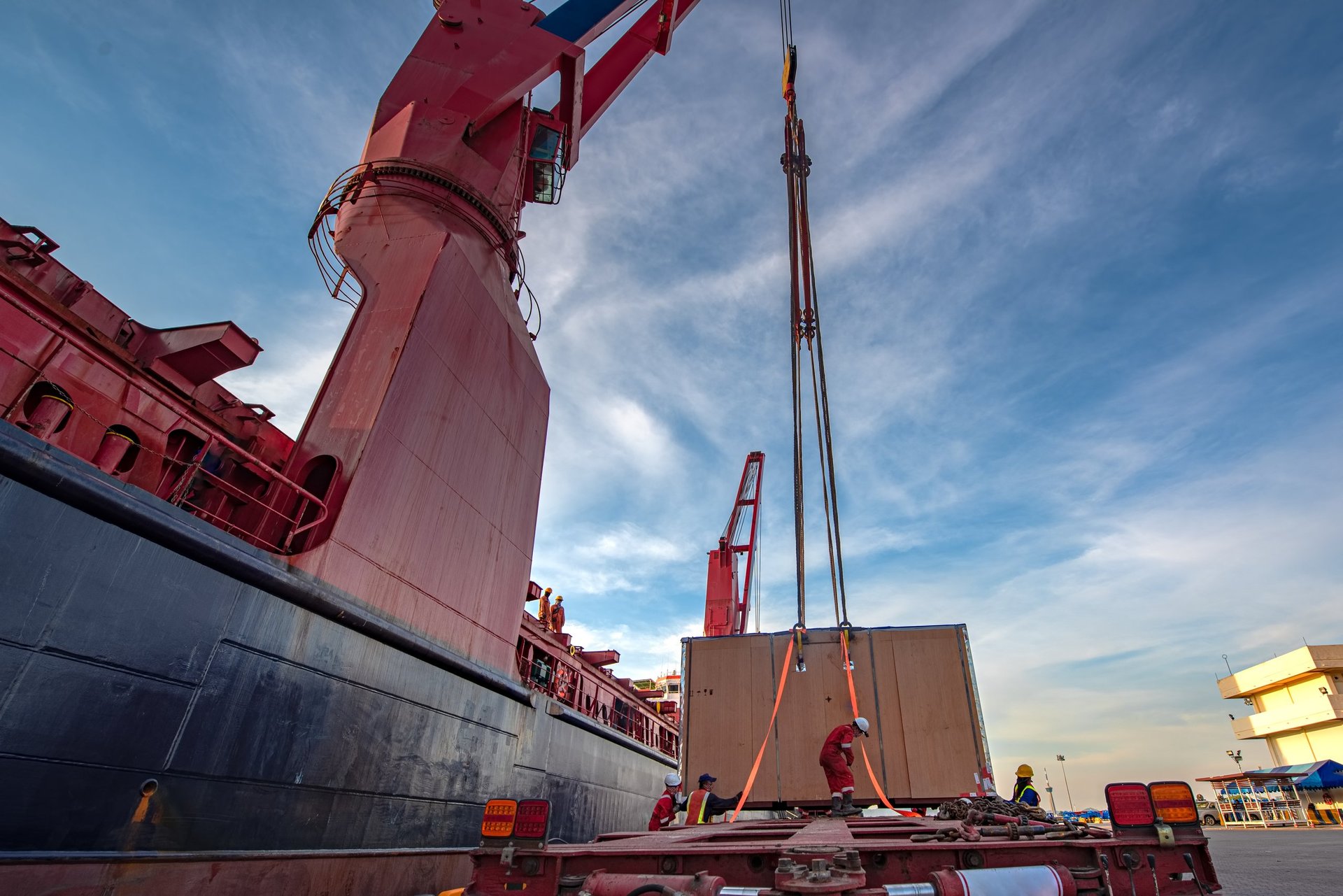
Buyer FAQ
These are the points buyers and technical traders raise when a grouping name is doing the work a specification ought to do.
Qualified enquiry
Attach what your documents state for this consignment. The commercial desk responds against that evidence, so what is missing is visible on both sides rather than assumed away.
Attach the lot evidence record or state the fields directly. Nothing is pre-filled.