
Steel Sheet · Grade
A stronger tier is a bigger commitment, not a free upgrade
Stepping to S355JR is a conditional decision, not an upgrade. The designation names a higher strength tier, and that tier is read at a thickness — so the first question is not “do we want the stronger grade” but “does the section actually sit where this grade delivers it, and is the rest of the specification ready for what it brings with it.” Higher strength changes the welding and forming conversation at the same time it changes the strength one.
Bring the standard part, the nominal thickness and the fabrication route — they decide what can be offered, and pricing is on request.
Read at a thickness
Banded, not universal
Welding moves too
Procedure follows tier
What the Step Changes
Four things that move when the tier steps up
Raising the strength tier is not a single-variable change. Each of these is settled by the same designation line, and each one can invalidate work that was already done on the lower tier.
The strength is banded
The higher tier is not a single figure applied everywhere. Like its lower-strength neighbour, the designation carries minimums expressed across thickness bands, and the applicable minimum is set by nominal thickness.
“S355 is stronger” is only true of the specific thickness you are buying. A tier named without its thickness is not yet a requirement.
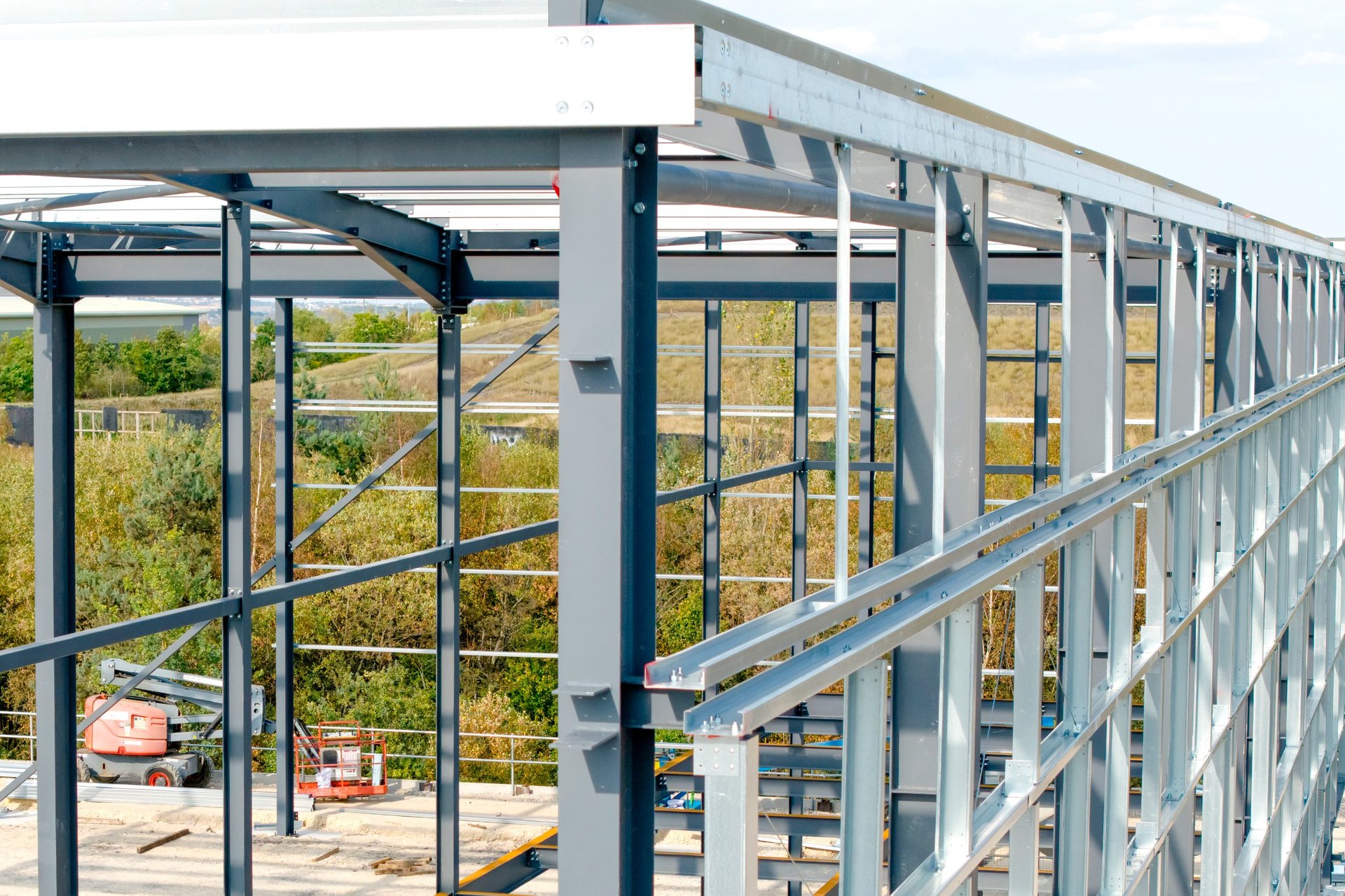
The section and the fabrication are decided together — the tier is read against both.
Acceptance Matrix
Five criteria, each with a disposition
This is a matrix rather than a checklist: every criterion carries the evidence it needs and the two ways it resolves. Work down the rows against your own order line and certificate — the matrix sets the criteria and does not itself verify a document or supply a property value.
| Criterion | Evidence | Accepted when | Query when |
|---|---|---|---|
| Standard part and edition | The part number and edition year cited on the order line. | The certificate cites the same part and edition. | The document references a different edition, or names the standard without a part. |
| Thickness against band | The nominal thickness on the order line, and the band it falls in. | The thickness is inside the band the strength requirement was quoted against. | A strength figure carried without a band, or applied across a thickness change. |
| Impact quality | The quality letters ordered, stated in full. | The certificate records the impact requirement matching the quality ordered. | The quality was left to inference from the base designation. |
| Delivery condition | The condition the material is supplied in, as its own instruction. | The condition recorded corresponds to what was ordered. | The condition was never stated, or is inconsistent with the intended fabrication. |
| Identification and test record | The tests the order is released against, and the cast identification. | The records reference the same heat or lot as the material delivered. | The identification does not travel with the material, or the record is for another order. |
The matrix states the criteria and their dispositions — it computes nothing, verifies no certificate, and does not replace the acceptance decision your own quality procedure makes. Confirm every value in the standard itself.
Name the thickness
Every strength statement travels with the thickness it was read at. Without it the requirement cannot be reconciled against the certificate, whatever the tier.
Bring the welding in early
Where the part is welded, the procedure and any qualification are part of the selection question — not a detail deferred to the fabricator after the material lands.
Justify the step
The higher tier should be there because the section needs it, not because it is available. If nothing in the design requires it, the lower tier is the correct answer.
Request a Quote
Send the tier, the thickness and the fabrication route
An S355JR enquiry has to carry the thickness the tier is read at and the way the sheet will be worked. State both, and anything you leave open comes back as open rather than assumed.
Standard part and edition
The part number and edition year cited on the order line.
Thickness against band
The nominal thickness on the order line, and the band it falls in.
Impact quality
The quality letters ordered, stated in full.
Delivery condition
The condition the material is supplied in, as its own instruction.
Writing the Call-Out
What a defensible S355JR line contains
The line has to be complete enough that a supplier can quote it and a quality reviewer can reconcile it. Four elements carry that load, and the fabrication context sits alongside them.
The standard: the part number and edition year. The part selects the delivery requirements and the edition fixes the revision, which is what allows a certificate to be matched to the order rather than to a general idea of the grade.
The thickness: nominal, with units, and in the same system as the rest of the order. At this tier the thickness is doing more work than usual — it selects the band the strength requirement is read at.
The quality and condition: the impact quality letters stated in full, and the delivery condition as its own instruction. Neither is implied by the strength tier.
The fabrication context: how the sheet will be welded or formed. At a higher tier this is genuinely part of the material decision, so it belongs on the enquiry rather than in a later conversation.
The document set that travels with the consignment is agreed before it ships.
Document Evidence
Reading the certificate at a higher tier
The document set does not change shape, but what it has to be reconciled against does. Three checks carry more weight at this tier than at the one below it.
Thickness and band
Confirm the thickness recorded on the document falls inside the band your requirement was quoted against. This is the check that a bare strength figure hides, and it matters more as the tier rises.
Condition and welding
Where the part is welded, hold the delivery condition and any qualification evidence together with the material record. They answer different halves of the same question.
Identity through cutting
Preserve the heat or lot identification past goods-in and through cutting. Without it the certificate no longer attaches to the material it was issued for.
Why the upgrade instinct misfires
A higher tier is a different set of obligations
Specifying a stronger material feels like a conservative move, and on a drawing it looks like one — the same part, a better grade, no obvious downside. The instinct comes from treating strength as a property that can only help. In a fabricated structure it is not, because the strength tier is entangled with the fabrication route, and the fabrication route is where most of the risk actually lives.
The entanglement is chemistry. Structural steels reach their strength largely through the elements added to them, and those same elements govern how the steel responds to the heat cycle of welding. Move to a higher tier and you have changed the welding conversation, whether or not anyone revisited it. A procedure that was qualified and proven on the lower tier is not transferable by assumption, and the forming behaviour shifts as well — sections that formed predictably in the softer material ask more of the tooling.
None of that argues against using the higher tier. It argues for asking why it is there. Where the design genuinely requires the strength, the extra obligations are simply the cost of the requirement and are well spent. Where the tier arrived because it was available, or because someone preferred the margin, the obligations were bought for nothing. The useful discipline is to make the requirement state its reason before the order line carries it — and then to keep the thickness attached to it, because a strength tier without its thickness describes nothing in particular.
Where It Earns Its Place
Duties that justify the step up
The higher tier is the right answer when something in the design needs it. These are the conditions that typically make that true.
Loaded in thinner section
Where the design carries its load through a reduced thickness and the lower tier would force a heavier section than the envelope allows.
Spans with deflection limits
Situations where serviceability governs — the member has to stay stiff enough, and stiffness responds to the section in a way the lower tier may not satisfy economically.
Specified by the governing document
Where a project specification or a code simply calls for the higher tier. In that case the reason is settled elsewhere and the obligation is to document it correctly.
None of these is a suitability determination for a particular part, and none replaces the design approval behind the call-out. Where a governing document sets the requirement, that document decides.
GCC Supply
Plan the destination separately from the specification
The tier and thickness answer what the sheet is at handover. The consignee, delivery point and document set answer where it is going — and those are planned on their own route.






A country link is a destination-planning page. None of them implies a local office, warehouse or stock position, and none of them changes the specification.
Commercial Basis
What is confirmed against your enquiry, not published in advance
An order at this tier turns on several inputs at once, and the availability of the specific thickness is the one that most often decides the answer.
Availability by thickness
Whether the tier is obtainable at the thickness you need — confirmed per enquiry against the actual requirement, not inferred from a list.
Condition capability
Whether the delivery condition you have specified can be met, confirmed against the enquiry rather than assumed.
Origin and mill
The producing source is stated against the actual enquiry, not asserted as a standing position.
Documentation
The certificate and any welding or test evidence are confirmed against the standard part and edition you cite.
Pricing is on request. No rate, lead time or stock position is published before the thickness band and condition are confirmed.
Related Routes
Where the neighbouring technical decisions are answered
Open one only when it settles the question in front of you — a neighbouring grade or tier is not evidence that two designations are interchangeable.
Why This Tier
What the step buys — and what it asks in return
Choosing the higher tier is a trade against fabrication control. These are the honest terms of it.
Section efficiency
More capacity from the same thickness, which is what makes a lighter or shallower member possible where the design needs one.
A documented requirement
Because the tier sits inside a published delivery condition, the requirement can be cited and reconciled rather than argued — provided the call-out is complete.
More to qualify
That same strength brings welding and forming obligations with it, and they do not settle themselves. The tier is only a good decision when someone owns those consequences.
How the Decision Moves
From a strength requirement to a reconciled delivery
Each step settles something the next one depends on. The fabrication implications are examined before the tier is fixed, not after it is ordered.
- 01
Justify the tier
Establish what in the design needs the higher strength, and at what thickness the requirement actually applies.
- 02
Examine the consequences
Check the welding and forming implications against the fabrication route, and confirm the procedure still stands.
- 03
Complete the line
State the standard part, edition, thickness, impact quality, condition and the evidence the order is released against.
- 04
Reconcile on arrival
Work the acceptance matrix against the certificate — band, quality, condition and identity — before release to production.
Availability, origin and documentation are confirmed against the live enquiry — never inferred from a matrix outcome or a published list.
Request a QuoteCommon Questions
Questions the tier step usually raises
If S355JR is stronger, why not just use it everywhere?
Because strength is only one of the requirements a part has to meet, and moving the tier up changes other things at the same time. The welding route, the forming behaviour and the procedure qualification all respond to the strength tier, so a swap that looks like a free improvement can invalidate work that was already settled. The grade is a decision taken against the section and the fabrication, not a default to upgrade to.
Can I substitute the lower-strength grade to save time?
Only if the design actually permits it, and that is a decision for whoever owns the structural design — not a purchasing call. The two are different tiers of a related family, but treating one as a drop-in for the other discards the very requirement the higher tier was chosen to meet. If availability is the pressure, raise it as a question rather than resolving it silently on the order.
Does the higher tier change what I need on the certificate?
The document set does not change shape — it still has to evidence the part, edition, thickness, quality and identification. What changes is the value of reconciling it carefully, because the thickness band matters more at a higher tier and the welding implications make the condition worth confirming. Read the certificate against your own order line rather than against what the grade usually is.
Is the impact quality tied to the strength tier?
No — they are separate instructions on the same designation. The strength tier comes from the base figures; the quality letters carry the impact requirement, verified at a defined test temperature. Moving the strength up does not move the toughness requirement, and a call-out that states one but leaves the other to inference is still incomplete.
Reconciling thickness against a schedule? The sheet gauge chart and the sheet price guide cover the dimensional and commercial sides of the same order.
Send the requirement, the thickness and the route
Give the standard part and edition, the nominal thickness the tier is read at, and how the sheet will be fabricated. The quotation comes back against a definition that can be reconciled criterion by criterion.
sales@noordeirasteel.ae · +971 56 398 0860 · Business Bay, Dubai