
Steel Sheet · Alloy Steel
An alloy sheet is a specification, not a family name
Alloy steel sheet is not a grade you can name and order. “Alloy steel” is a family — the useful content is the specification the sheet is ordered to, together with its edition and delivery condition. And the specification that covers the same alloy as plate does not automatically cover it as sheet: thickness ranges, heat-treatment condition and property tables are set per product form. Assemble that evidence before proposing a grade.
Bring the specification and edition with the enquiry — they decide what can be offered, and pricing is on request.
Spec first
Designation and edition
Form matters
Sheet ≠ plate
Specification Basis
Four things “alloy steel” leaves open
The family name tells you an addition has been made deliberately. It does not tell you which specification governs the material, which form it was written for, or what condition it arrives in. Those are the four questions to close.
What the word covers
Alloy steel is defined by what has been added to the steel rather than by a single composition — chromium, molybdenum, nickel, manganese, vanadium, boron among them. The families that reach sheet form include chromium-molybdenum, nickel-bearing and micro-alloyed grades, alongside the high-strength low-alloy group.
The word on its own fixes nothing. Two sheets both correctly called alloy steel can differ in chemistry, heat treatment and weldability.
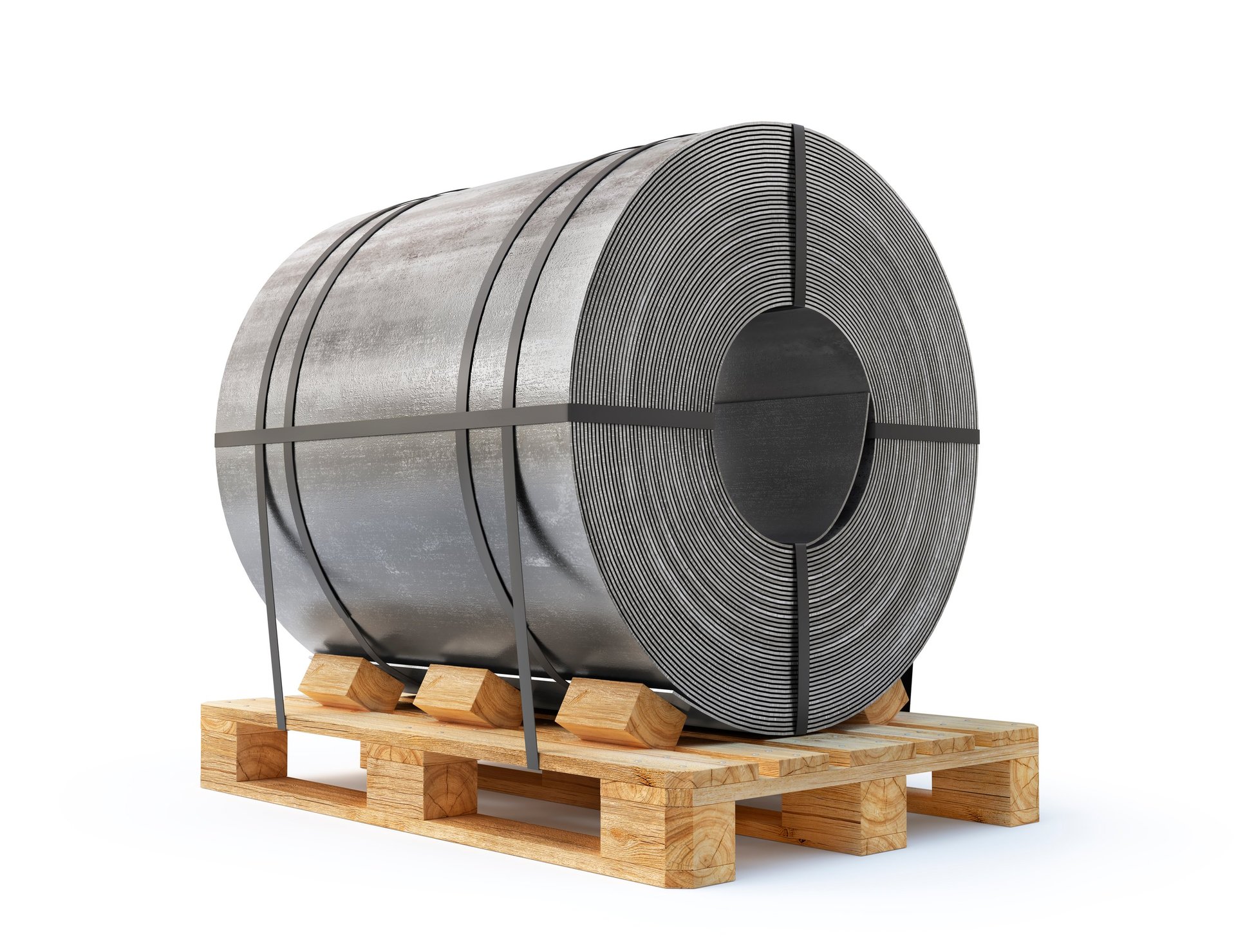
The form a specification was written for is part of its scope, not a detail of it.
Evidence Checklist
Six inputs that decide whether a grade can even be proposed
Work through these before a grade is written into a drawing. Each one either narrows the candidates or settles something the quotation would otherwise have to leave open — and the checklist produces requirements, not property values.
| Evidence | What to provide | What it settles |
|---|---|---|
| Specification and edition | The designation the sheet is ordered to, the grade or class within it, and the edition — with the year. | Everything downstream. Chemistry ranges, property requirements and acceptance testing are all read from this document. |
| Delivery condition and heat treatment | As-rolled, normalized, annealed or quenched and tempered — stated explicitly, not inferred from the grade name. | Whether the mechanical properties the design assumes are actually delivered by what arrives. |
| Service duty | The duty the part sees — temperature range, loading, environment — and any corrosion or embrittlement concern. | Which families are even candidates, and whether a micro-alloyed or low-alloy route is sufficient. |
| Fabrication route | How the sheet will be formed and joined, including any welding procedure the joint has to satisfy. | Weldability and post-weld heat treatment requirements, which for alloy grades are frequently the deciding constraint. |
| Inspection and documentation | The test evidence the order has to be released against, and the form it has to take. | What has to be agreed before manufacture rather than requested after it. |
| Form, dimensions and quantity | Sheet thickness and size with units, the tolerance basis, and the quantity. | Whether the material is available in that form — an alloy offered as plate may not be offered as sheet at that thickness. |
This checklist produces the requirements an enquiry has to carry — it does not compute, look up or confirm a chemical or mechanical property value, and none is offered here. Property data belongs on the specification you name.
Condition before grade
Settle the delivery condition early. Where a design depends on properties delivered by heat treatment, an enquiry that names only a grade has not yet specified the material.
Welding is the constraint
For welded parts, the procedure and any post-weld heat treatment usually narrow the choice more than the base properties do. Raise it before the family is chosen.
Check the scope
Confirm the specification you are citing actually covers sheet at your thickness. A document written for plate may not extend to the form you are buying.
Request a Quote
Send the specification, the edition and the condition
An alloy enquiry is only as precise as the specification behind it. State the designation, its edition and the delivery condition, and anything you leave open comes back as open rather than assumed.
Specification and edition
The designation the sheet is ordered to, the grade or class within it, and the edition — with the year.
Delivery condition and heat treatment
As-rolled, normalized, annealed or quenched and tempered — stated explicitly, not inferred from the grade name.
Service duty
The duty the part sees — temperature range, loading, environment — and any corrosion or embrittlement concern.
Fabrication route
How the sheet will be formed and joined, including any welding procedure the joint has to satisfy.
Specifying It
How an alloy sheet order is actually written
A complete line reads in a fixed order: what it is, how it was treated, what shape it takes, and what it has to prove. Leaving any one of those to inference is what turns into a clarification round.
The material: the specification designation and its edition, then the grade or class within it. This is the line the certificate is read against, so the edition is not optional detail.
The condition: as-rolled, normalized, annealed or quenched and tempered, stated as its own instruction. For alloy grades this is where the properties a design depends on are actually delivered.
The form and dimensions: sheet thickness and size with units, and the tolerance basis. This is also the check that the specification you named reaches down to your thickness in sheet form.
The evidence: the tests the order is released against, and the heat-treatment documentation that shows the condition was achieved rather than merely intended.
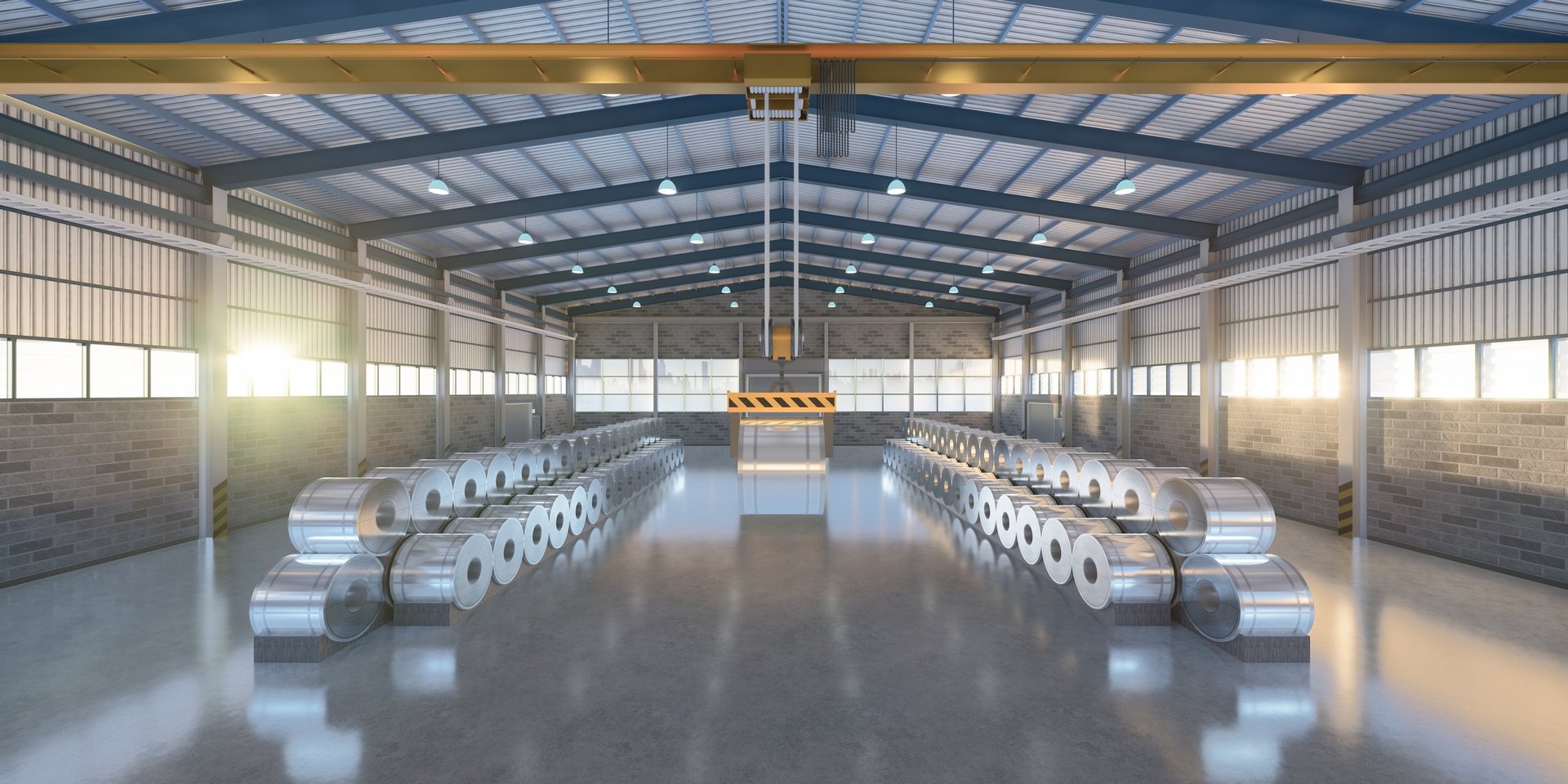
Traceability is a property of the paperwork as much as of the material. Sheet is cut from strip, so the same alloy is often specified upstream as steel coil.
Quality & Evidence
What the certificate has to line up with
An alloy order is accepted against documentation more than against a visual inspection. Three things have to agree with each other before the material is released to production.
Edition
The certificate should cite the specification and edition you ordered against. A certificate issued to a different edition is not evidence for your order, even where the grade designation reads the same.
Condition
Confirm the delivery condition and any heat-treatment record match what was ordered. Where the design depends on a tempered condition, a record showing the treatment is part of the acceptance evidence.
Traceability
Keep the heat or lot identification with the material through cutting and forming. Once the sheet is separated from its bundle identification, the certificate no longer attaches to anything.
Where the plate assumption breaks
The same alloy in a different form is a different order
Engineers move between product forms constantly, and the habit that carries over most dangerously is the specification reference. A designation learned on plate feels like it describes the material, so it gets written onto a sheet drawing unchanged — with the edition omitted, because on plate it was familiar enough not to need stating.
That reference is doing more work than it appears to. A specification is written around a product form and sets its requirements accordingly: the thickness range over which it applies, the property tables, the condition the material is delivered in, and the tests it is released against. Change the form and those parameters can change with it, or the scope can simply stop before reaching you. A document that covers an alloy as plate is not thereby a document that covers that alloy as a three-millimetre sheet.
The practical response is not to distrust the reference but to check its scope explicitly. Confirm the document covers sheet, confirm it covers your thickness, and confirm your service condition sits inside what it permits — then state the edition, so the next person reads the same requirement you did. Where the correct sheet document is a different one, finding that out at the quotation stage costs a conversation; finding it out at the press costs a batch.
Where Alloy Sheet Is Used
Duties that push a sheet specification into alloy territory
Alloy grades reach sheet form where a fabricated part has to hold a duty that a carbon or mild sheet will not carry. These are the selection drivers.
Strength at a reduced section
Where the part has to carry its load in thinner material than a plain carbon sheet allows, and the weight or the envelope is what is driving the choice.
Elevated service temperature
Components that see sustained heat — where the family selection is about retained behaviour at temperature rather than ambient strength.
Toughness under demanding service
Parts where resistance to sudden failure matters more than absolute strength, and the delivery condition is doing as much of the work as the chemistry.
None of these is a suitability determination for a particular part. Where a duty is controlled by a code or a customer specification, that document governs the grade choice and we supply against it.
GCC Supply
Plan the destination separately from the specification
The specification answers what the sheet is at handover. The consignee, delivery point and document set answer where it is going — and those are planned on their own route.






A country link is a destination-planning page. None of them implies a local office, warehouse or stock position, and none of them changes the specification.
Commercial Basis
What is confirmed against your enquiry, not published in advance
An alloy order turns on several commercial inputs at once, and availability in the form you need is the one that most often decides the answer.
Availability in form
Whether the alloy is obtainable as sheet at your thickness and size — an alloy offered as plate is not automatically offered in sheet form.
Condition capability
Whether the delivery condition and any heat treatment you have specified can be met, confirmed per enquiry rather than assumed.
Origin and mill
The producing source is stated against the actual enquiry, not asserted as a standing position.
Documentation
The certificate and any inspection or test evidence are confirmed against the specification and edition you cite.
Pricing is on request. No rate, lead time or stock position is published before the specification and condition are confirmed.
Related Routes
Where the neighbouring material decisions are answered
Open one only when it settles the question in front of you — a neighbouring material or form is not evidence that two specifications are interchangeable.
Why Specify It
What an alloy sheet buys — and what it costs you in control
Going to an alloy grade is a trade, not a free upgrade. These are the honest terms of it.
Property headroom
Chemistry and heat treatment together give a design room that a plain carbon sheet does not, which is what makes a reduced section or a hotter duty possible.
A condition you can specify
Because the properties are delivered by heat treatment, you can state the condition you need and have it evidenced — rather than accepting whatever the mill ran.
More control to hold
That same specificity is the cost. Fabrication, welding and heat treatment all become governed parameters, and the evidence trail is not optional if the material is to be accepted.
How the Order Moves
From a service duty to a confirmed order
Each step fixes something the next one depends on. The specification and the condition are settled before the quotation, not after it.
- 01
State the duty
Give the service condition the part has to survive — temperature, loading and environment — so the candidate families can be narrowed.
- 02
Name the specification
Cite the designation, the grade or class within it, and the edition, having confirmed it covers sheet at your thickness.
- 03
Fix the condition
State the delivery condition and any heat treatment, plus the fabrication and welding route the part will actually take.
- 04
Confirm commercially
Availability in form, condition capability, origin and documents are confirmed against the enquiry, then the quotation follows.
Availability, condition capability and origin are confirmed against the live enquiry — never inferred from a checklist outcome or a published list.
Request a QuoteCommon Questions
Questions an alloy sheet enquiry usually raises
Can I specify the same grade I use in plate?
You can specify the same alloy, but not automatically the same document. Alloy specifications are written around a product form, and a standard that covers the material as plate sets its property tables, permissible thicknesses and testing for plate. The sheet equivalent may be a different specification with different limits, and the plate document may not extend down to sheet thickness at all. Check the scope of the specification against the form you are buying before the grade is written into a drawing.
Do I need to state the heat treatment, or does the grade imply it?
State it. The grade designation fixes what the steel is made of; it does not by itself fix what was done to it afterwards. Alloy grades are routinely supplied in more than one condition, and the mechanical properties a design relies on come from the condition as much as from the composition. An order that names a grade but leaves the condition open has left the most consequential variable unset.
What makes welding an alloy sheet harder than a mild steel sheet?
The alloying additions themselves. Elements added to raise strength or temperature resistance generally make the steel more sensitive to the heat cycle of welding, which is why the welding procedure and any post-weld heat treatment are usually the real constraint on an alloy selection rather than the base properties. If the part is welded, bring the procedure into the specification conversation early — it can rule out a family that otherwise looked suitable.
Is alloy steel sheet more corrosion resistant than carbon steel sheet?
Not reliably, and it is not what the alloying is for. Some alloying additions improve atmospheric behaviour incidentally, and the weathering family is selected for exactly that — but the general alloy steel families are chosen for strength, toughness, high-temperature behaviour or wear, not for corrosion resistance. Where corrosion is the governing duty, that is a separate decision: it usually points to a coated product or to a corrosion-resisting family specified by its own standards.
Where the corrosion question is the one in front of you, the stainless sheet route answers it properly, and galvanized sheet covers the metallic-coating option. Neither is interchangeable with an alloy grade, and checking them is a different decision from choosing a specification for duty.
Send the specification, not just the family name
Give the designation, the edition, the grade and the delivery condition. The quotation comes back against a specification whose scope has been checked for sheet at your thickness.
sales@noordeirasteel.ae · +971 56 398 0860 · Business Bay, Dubai