
Comparing two sources on a common basis
Where two suppliers' materials have been tested the same way, the indices let them be placed side by side on handling behaviour — provided the fractions and editions match.
Iron ore standards
ISO 3271 determines the tumble and abrasion indices of iron ore — two numbers that describe how much a sized charge breaks down when it is handled and tumbled. It answers a handling-degradation question, not a strength question. A furnace or pellet QA engineer reaching for it usually needs to know one thing first: whether the material in front of them is the form this method is written for, because a tumble index and a pellet crushing strength are not two ways of measuring the same property.
Both figures come from the same determination, but they report different aspects of what happened to the charge. Reading one without the other is a common way to misjudge handling behaviour.
Method scope
A tumble and abrasion result is a statement about how a charge behaves under handling. It is frequently carried into conversations about strength, chemistry and furnace performance, where it has no claim.
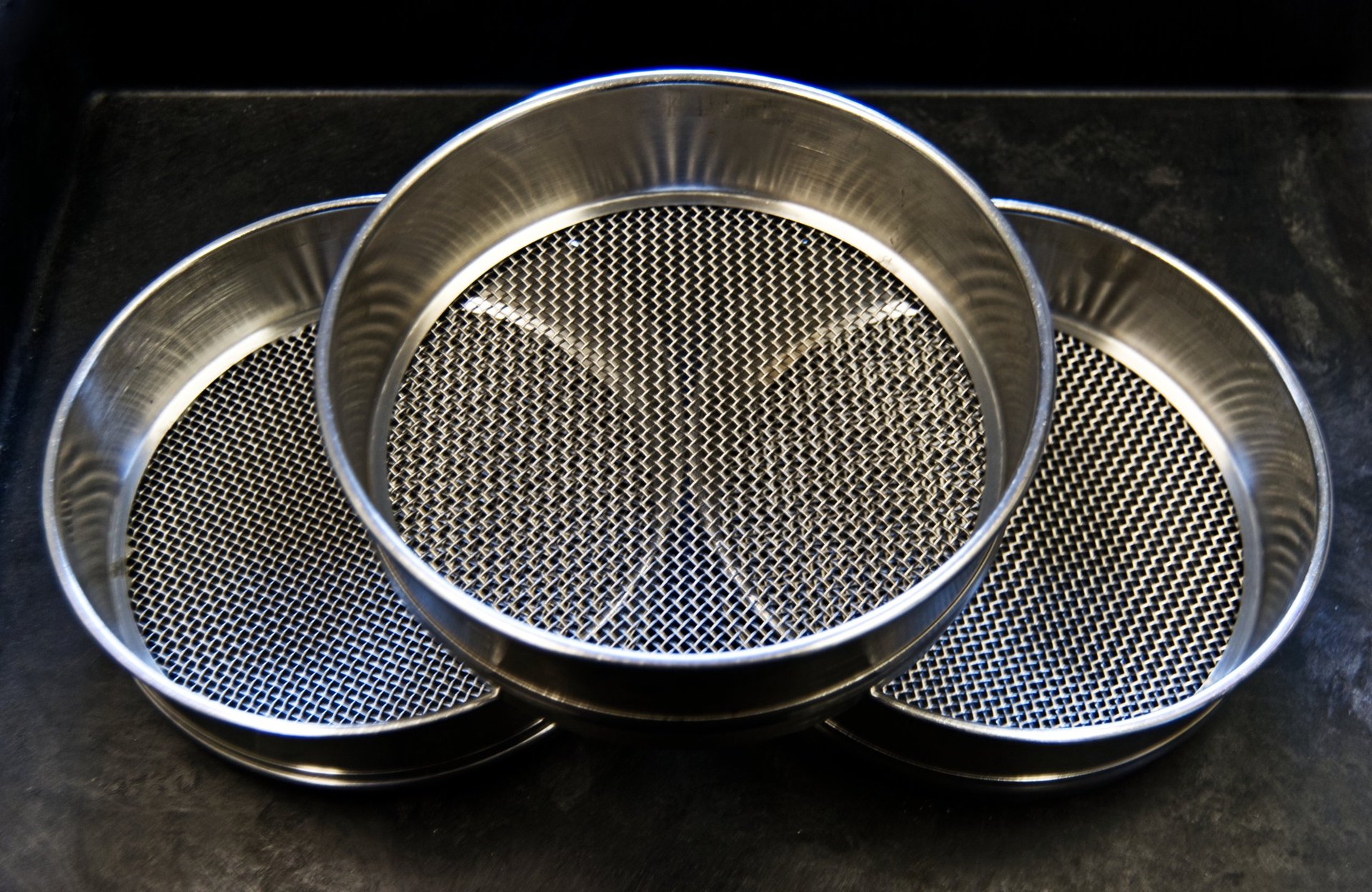
A specification sheet carries several physical figures side by side, and they are easy to read as a ladder of quality. They are not. Each was obtained on a different test object by a different procedure, and each answers its own question.
The confusion is most costly at the pellet-feed boundary. A plant buys feed and produces pellets; those are two materials with two different sets of properties measured on them. A handling result for one is not evidence for the other.
Where a result is being carried across from one material form to another, that transfer is the thing to question — not the figure itself.
Decision aid
Most misread results come from attaching a figure to the wrong question. Answer the two prompts below and the tool reports where the question sits — including the cases where it belongs to a neighbouring determination entirely.
The tool routes the question. It publishes no index value, no acceptance limit and no test parameter, because those depend on the material, the contract and the receiving plant.
The method a result belongs to depends on both the material it was taken on and the property being reported. Until both are stated there is nothing to place, so no reading is offered.
Neighbouring determinations
The comparison below is a statement of scope, not a ranking. Neither determination is better than the other — each is the correct one for the question it was written to answer.
| Aspect | Tumble and abrasion indices | Single-pellet strength |
|---|---|---|
| Test object | A sized charge of a coarse form, taken as a whole. | Individual fired pellets from a stated size fraction. |
| Property reported | How much of the charge degraded under handling — what stayed coarse and what became fine. | The load each tested pellet carries before it fails. |
| What the figure is used for | Judging how a material survives being moved between the point of production and the furnace. | Judging the mechanical quality of the fired pellets themselves. |
| What it cannot tell you | The strength of any individual piece, or how the material will behave chemically or in the furnace. | How the feedstock those pellets were made from will behave, or how the charge handles in bulk. |
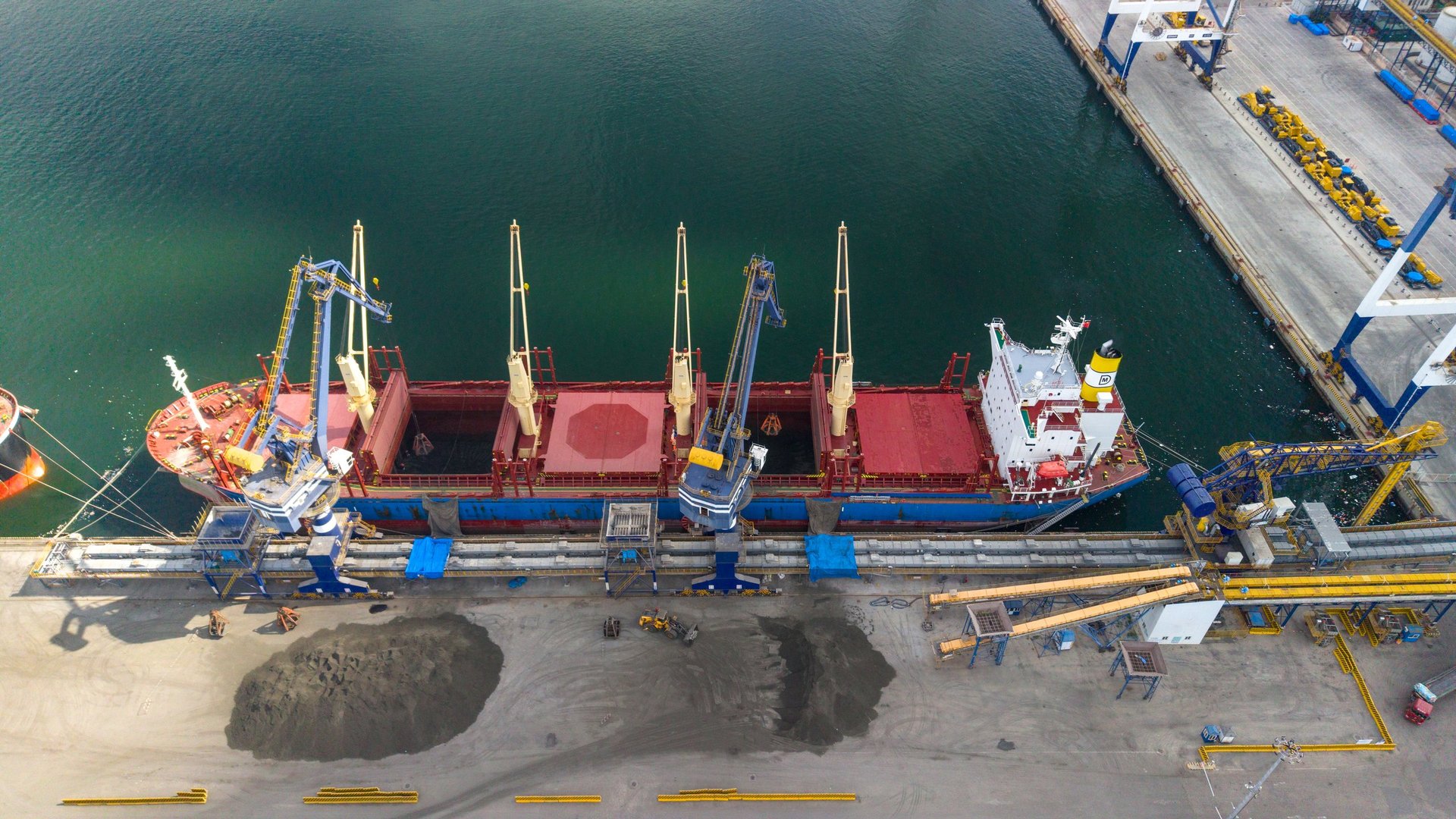
Ore does not arrive at a furnace in the condition it left the point of production. It is dropped into holds, grabbed, conveyed, stockpiled and reclaimed. Each of those steps is an opportunity for a charge to break down, and the fine material generated along the way behaves differently from the coarse charge it came from.
A tumbling determination compresses that whole handling history into two figures. It does not model any particular journey — it applies a controlled action and reports the result — but it lets two materials be compared on a common basis, which is what makes it useful at the procurement stage.
What it does not do is predict what will happen to your charge between the port and your yard. That depends on the equipment and the route, neither of which the test knows about.
Evidence
A bare number cannot be placed beside another laboratory's number, and cannot be tied to a material. These are the fields that make it a result.
The index is calculated against a fraction, so a figure reported without one cannot be compared with another — the two may describe different portions of the size range.
A charge can hold its coarse fraction while still generating fines. A tumble figure alone will not show that, so ask for the abrasion figure from the same run.
The procedure is not frozen across editions. Two laboratories applying different editions are not performing the same determination, even when the title matches.
A handling result is only as representative as the sample the charge came from. Ask how the sample was drawn from the lot and how it was prepared.
An index has no universal acceptance level. Whether a value is acceptable follows from the receiving plant's own specification, not from the determination.
This page publishes no index value, no acceptance threshold and no test result for any material, and nothing here should be read as a limit your plant ought to apply.

Where it bears
A tumble and abrasion result earns its place in an enquiry when it is attached to a decision about movement. Used as a general quality mark, it usually misleads.
Where two suppliers' materials have been tested the same way, the indices let them be placed side by side on handling behaviour — provided the fractions and editions match.
A material travelling through several handling steps accumulates degradation. Knowing how it degrades under a controlled action helps frame what to expect on arrival.
Where a contract sets a physical requirement, the determination named and the basis it is taken on have to be stated together, or the clause is not enforceable.
Commercial
A physical requirement is one input to an enquiry. These are the fields that turn a general request into one that can be quoted against your specification.
Which form is being purchased and the grade band you are specifying, so the physical requirement attaches to the right object.
Which physical figure you require, at which size fraction, and under which edition — named together rather than as a general requirement.
Whether the requirement applies at loading, at discharge or at your plant, since degradation accumulates along the route.
The records you require with the shipment, named individually: test report, sampling record and certificate as applicable.
The tonnage and the unit it is transacted in, so the tested charge and the commercial quantity describe the same lot.
The receiving place and the delivery term the enquiry is written against, which decide what has to happen at each end.
No price, availability, stock position, origin, mill, lead time or shipping arrangement appears on this page, and none is implied by it. A physical requirement is one part of a commercial offer; it does not itself constitute one.
Procurement navigator
A physical requirement is settled against the destination as well as the material. Choose the receiving market to carry it into the right procurement context.
Each market page covers import planning for that destination. This page covers the physical determination a contract for any of them has to name and attach to a basis.
Questions
No. They describe how much a sized charge of material breaks down when it is tumbled and handled — a degradation result for the charge as a whole. Pellet strength is a different property, taken on individual fired pellets and reporting the load each one withstands before failing. The two are commonly placed side by side on a specification, which is exactly why they get read as substitutes for one another. They are not.
It is a determination for iron ore taken as a sized charge of a coarse form — the lump and sinter products that are handled in bulk between the point of production and the furnace. Fines, concentrate and pellet feed are not that object: they are too fine to be characterised by a tumbling action, and their behaviour is described instead by their sizing, moisture and preparation characteristics. Where a pellet burden is specified, the receiving plant's own acceptance basis decides which determination applies.
Both come from the same test run and describe the same charge, but they report different aspects of what happened to it. The tumble index describes the proportion that remained coarse, and the abrasion index describes the proportion reduced to fine material. Reading only one of them tells you part of the story — a charge can hold its coarse fraction while generating fines, which the tumble figure alone would not show. Ask for both, and ask which size fractions each was calculated from.
Only if the basis matches. Two figures are comparable when they were taken on the same size fraction, under the same method edition, and represent the same kind of charge. Where any of those differ, the numbers are not measuring the same thing even when they carry the same name. A figure reported without its fraction and its edition cannot be placed beside another laboratory's figure.
No. The determination describes how the charge survives handling. It does not establish chemistry, reducibility, softening behaviour, nor how the material will behave under the conditions inside a particular furnace. A material can hold its coarse fraction under handling and still be unsuitable for a given route for reasons this test does not examine. Treat the index as one property among several, not as a verdict on the burden.
Request the size fraction the charge was drawn from, because the index is calculated against it and a figure without it cannot be compared. Request the edition of the method applied, since the procedure is not frozen across editions. Request both indices rather than one. And request the sampling and preparation basis behind the charge, because a handling result is only as representative as the sample it was taken on.
Source
The standard is published by the International Organization for Standardization. Check the current edition and status there before relying on any particular clause.
Applicability matters as much as the figure. Where a document cites this method, confirm which edition is being applied and which material form it is being applied to — a reference carried forward from an older specification is not automatically the same basis today.
Qualified enquiry
Tell the commercial desk which material you are buying, which physical figure your specification calls for and on what basis, and where along the route it has to be satisfied. The enquiry reaches the same desk that answers the specification.
Price on request — no figure is published on this page.
Commercial desk reachable Monday to Saturday, 8.00 AM to 6.00 PM.