
Iron ore · 66% Fe concentrate
66 Fe Iron Ore Concentrate Supplier
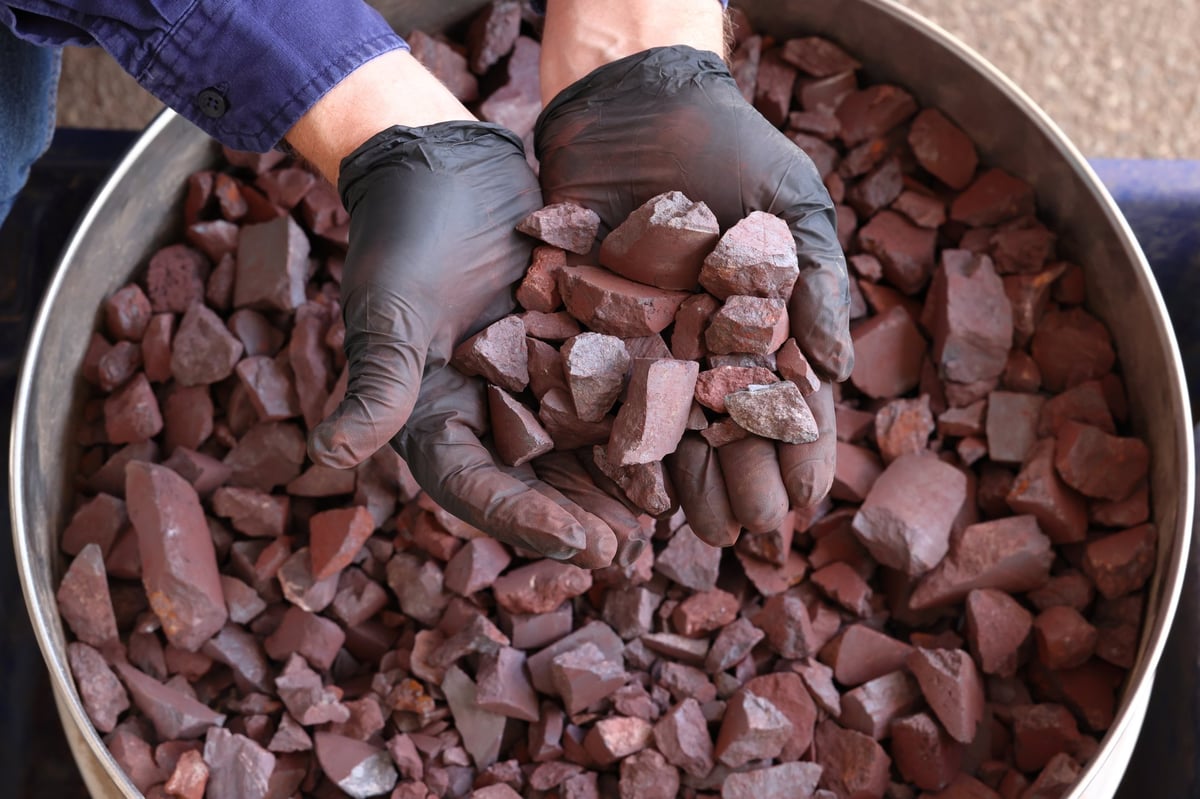
A 66% Fe concentrate is a beneficiated product: the gangue has already been reduced by processing the ore before shipment. What distinguishes it from a direct shipping grade at a similar figure is not the number but the beneficiation step behind it — and the mass yield, which decides how much feed material a given tonnage of concentrate actually represents.
Every figure buyer-entered, none published Price on request Response within one working day
Fit, alternatives and selection logic
When a concentrate is the right purchase — and when a direct shipping ore is
A concentrate and a direct shipping ore answer different questions. The first buys a beneficiated product whose gangue has already been reduced; the second buys material closer to what was mined. Choosing between them turns on whether your process needs the upgraded feed or can handle the raw one.
A concentrate suits a plant that agglomerates before charging — a pelletising or sintering circuit — because the feed is fine, consistent and already upgraded. In this state the enquiry is written on the concentrate fields: assay basis, gangue limits, moisture basis and value, size distribution and method, and the feed consistency the circuit needs between shipments.
- Receiving step agglomerates rather than charges directly
- Feed consistency between lots is a stated requirement
- Moisture and sizing agreed as part of acceptance, not as an afterthought
This is the comparison most concentrate enquiries actually need. A 66% concentrate and a high-band direct shipping ore look similar on a headline figure, but the concentrate represents a fraction of the feed it came from, while the DSO is close to the material mined. Comparing them per shipped tonne without accounting for that difference compares two different things.
- Headline figures quoted for a beneficiated product and a DSO
- Mass yield not considered when comparing cost per ton
- Beneficiation history ignored because the figures look adjacent
A concentrate is the wrong purchase where the process charges coarse material directly and has no circuit to handle a fine, wet feed. In that case the higher figure is not an advantage — the material cannot enter the plant as delivered, and the handling and agglomeration work it would require sits outside the quotation.
- Receiving step cannot accept a fine, wet feed
- No agglomeration capacity before the charge
- Sizing and handling form incompatible with the plant as built
Beneficiation is the difference, not the figure. A concentrate at 66% Fe and a direct shipping ore at a comparable figure are not the same purchase, because the concentrate has had its gangue reduced by processing and the DSO largely has not. The shipped concentrate is a fraction of the feed that was mined, and the mass yield — not the headline figure — is what tells you how large that fraction is. Treat a higher figure as a property of a processed product, not as evidence that it is a better fit for your plant.
Related alternatives, grouped by the open question
These are the pages that sit closest to a concentrate enquiry. Each is a different decision rather than a substitute, so pick the group that matches what is still unresolved in your requirement.
Where the mineralogy behind the concentrate is the open question.
- magnetite iron ore supplier The mineral most often beneficiated by magnetic separation before becoming a concentrate — so the feed and the product are different materials.
- hematite iron ore supplier The iron-oxide mineral often shipped as direct shipping ore rather than beneficiated, which is the comparison a concentrate buyer is actually making.
Where the preparation state rather than the figure decides the purchase.
- iron ore concentrate supplier The parent product page for beneficiated fine material, where the basis and the beneficiation step are the fields that matter.
- iron ore pellets supplier The agglomerated product a concentrate commonly becomes, with defined physical properties rather than a fine feed.
- pellet feed iron ore supplier Concentrate prepared specifically for a pelletising circuit, where feed consistency governs more than any single figure.
Where a band on a direct shipping material is being compared with a concentrate.
Mass yield, and what it does not tell you
Derive the ratio two grades imply — and read its limits
Enter a feed grade and a concentrate grade. The tool reports the mass yield those two figures imply on the basis you select, and then states plainly what that ratio does and does not establish. It publishes no grade, no yield and no recovery figure of its own.
Your feed and concentrate figures
Both figures are yours. Nothing is defaulted, and no grade is suggested on your behalf.
Nothing to show yet
Enter a feed grade and a concentrate grade. The implied ratio appears here once there are two figures to work from — this tool supplies neither of its own.
Scope: the ratio two entered grades imply, and the boundary of what that ratio supports. No recovery, quality, availability or price claim is made — every figure it uses was entered by you.
Send the yield note for review
Your figures and the ratio they imply travel with the enquiry exactly as you entered them. Anything still open — a basis not reconciled, a measured yield not available — stays on the record as a question. Price on request.
Response within one working day. No obligation, and no availability claim is made by submitting this form.
What a concentrate spec has to carry
Fields a beneficiated product turns on
A concentrate is fine and wet, and it is the product of a processing step rather than the material as mined. The fields below therefore carry more of the acceptance than they would on a coarse ore, and each is established by its own method on its own basis.
| Field | Why it matters on a concentrate | Unit / basis | Verification method | What it depends on | Action |
|---|---|---|---|---|---|
| Fe content | The figure the beneficiation step was aimed at, and one of two numbers a mass yield is derived from. | % — dry or wet, declared | Assay by the method your contract names | The feed and the beneficiation route | State the figure and the basis it is reported on |
| Gangue — SiO2 | The component beneficiation exists to reduce, so what remains is the point of the purchase. | % — dry basis as tested | Assay per the agreed method | Your process and the beneficiation route | Enter your limit explicitly |
| Gangue — Al2O3 | Affects slag viscosity and, for a pelletising route, the pellet quality the feed can produce. | % — dry basis as tested | Assay per the agreed method | Your process and the beneficiation route | Enter your limit explicitly |
| P (phosphorus) | Carries into the metal, and beneficiation does not necessarily remove it with the gangue. | % — dry basis as tested | Assay per the agreed method | Set by your steelmaking route | Enter the maximum explicitly |
| S (sulphur) | Route-dependent, and more tightly constrained where the process is sensitive to sulphur in the metal. | % — dry basis as tested | Assay per the agreed method | Set by your steelmaking route | Enter the maximum explicitly |
| Moisture | A fine beneficiated product is typically wetter, and the tonnage you pay for is defined by its basis. | % — as received or as determined | Determination per a named moisture method | Contract wording defines the adjustment | State basis plus method |
| Size distribution | A concentrate is fine, so the distribution decides how it behaves in the agglomeration circuit. | mm with stated cut points | Screening or laser method, named | Agreed against your receiving process | State distribution plus method |
| Mass yield | How much feed a tonnage of concentrate represents, which is what makes it a processed product. | Ratio or % — basis and method stated | Recorded process measurement, not inferred from two grades | The beneficiation route and the feed | Request the measured yield where it matters |
| Sampling basis | The figure that decides the lot's acceptance has to come from a sample the contract accepts. | Method and sampling frequency | Standards-based lot sampling regime | Purchaser and supplier agree the basis | Name the sampling basis |
No figures published. This page states no iron content, gangue value, moisture level, size range, yield or tolerance for any material. Every field above depends on the deposit, the beneficiation route and the lot, and each must be established by a named method on a stated basis in your own enquiry.
Tests that apply — and the one that does not
A concentrate is an intermediate product, so the test set that applies to it is not the same as the set that applies to a fired pellet. Each row below names what a test covers and where its scope ends.
| Test or property | What it covers | What it does not cover | Applies to | Action |
|---|---|---|---|---|
| Chemical assay | The elements reported, to the scope and method the certificate names. | Physical behaviour, sizing or moisture, which are separate determinations. | Any iron ore product including a concentrate | Require the method and basis to be named |
| Moisture determination | The figure behind the wet and dry tonnage reconciliation. | Chemistry, sizing or process behaviour. | Any iron ore product, and especially a fine wet one | State basis plus method |
| Size distribution | How the fines are distributed across cut points, by a named method. | Chemistry or the material's behaviour once agglomerated. | Any product; decisive for a fine feed | Name the method and cut points |
| Agglomeration behaviour | How the feed performs in the specific circuit that will consume it. | Properties of the finished agglomerate, which are a different determination. | Concentrate and pellet feed destined for a circuit | State the agglomeration route first |
| ISO 4700 pellet crushing strength | The crushing strength of fired iron ore pellets. | It is not a test for a concentrate or a raw ore feed, and applying it to one measures nothing about the feed. | Fired pellets only | Do not request it for a concentrate or raw ore |
Scope boundary. A pellet strength specification is written for a fired pellet, not for the concentrate a pellet plant consumes. Requesting it against a concentrate asks for a property the product does not have, and a certificate that appeared to answer it would not be measuring the material as delivered.
Standards that would carry the verification
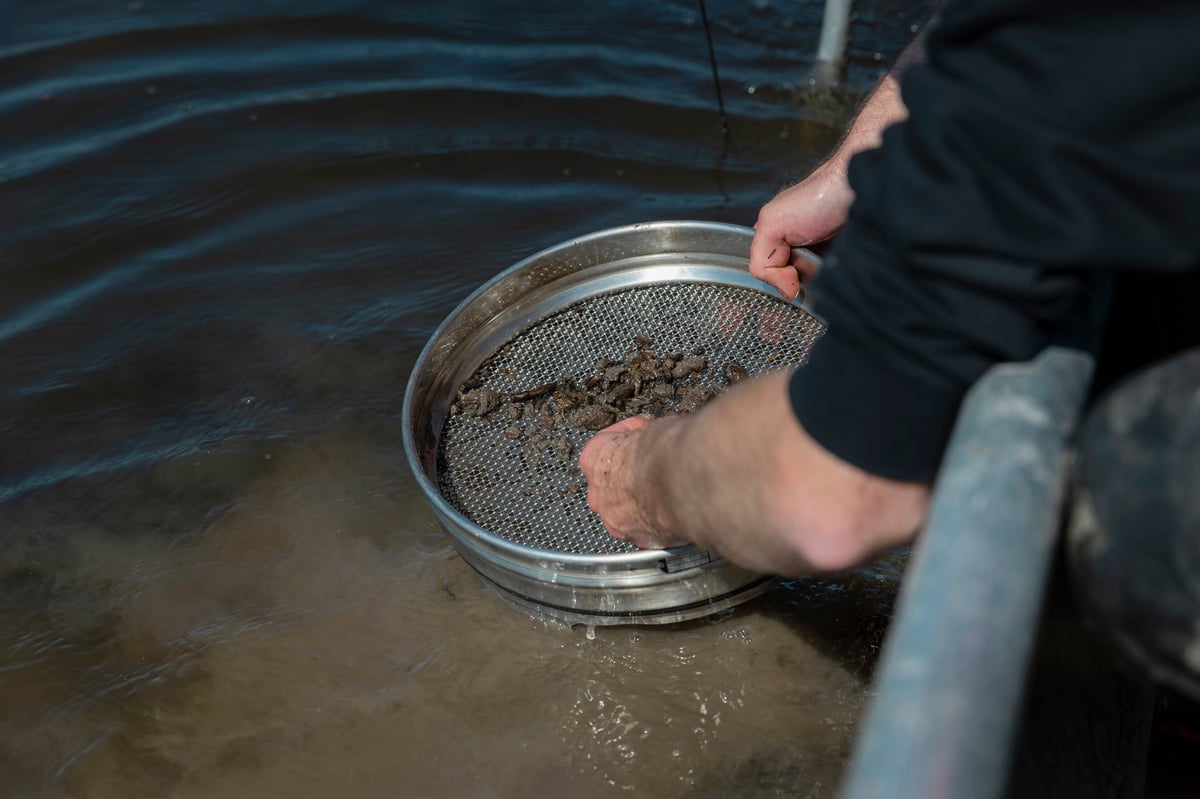
Two standards do most of the work behind a concentrate figure: one for how the fine product is sampled, one for how its iron content is determined. Naming both is what makes the figure reproducible between the offer and your receipt.
Quality, testing and documentation
What each document answers for a beneficiated product
Documents are named in the enquiry rather than assumed, and on a concentrate two of them carry most of the weight: the moisture report, because the product is fine and wet, and the sizing report, because the receiving circuit depends on it.
| Requested evidence | The question it answers | Who supplies / verifies | When required | What stays a project decision |
|---|---|---|---|---|
| Certificate of analysis, per lot | What the concentrate actually contains, measured against the elements your process limits. | Issued against the agreed assay method; the issuing laboratory is confirmed per enquiry. | At the enquiry stage, as the basis for comparison. | Which elements are reported, and to what method scope, remains yours to specify. |
| Moisture determination report | The figure behind the wet and dry tonnage reconciliation, which matters particularly on a fine product. | Issued per a named moisture method; confirm it travels with the lot. | Before quantity and price are compared. | The method and its acceptance depend on your contract wording. |
| Size distribution report | Whether the fines suit the agglomeration circuit that will consume them. | Issued per the agreed method; confirm which cut points are reported. | Before the material is committed to a circuit. | Cut points and tolerances are yours to set, not to assume. |
| Process and yield record | The measured performance of the beneficiation step, which a ratio derived from two grades cannot replace. | Recorded by the processor against the feed and product analyses. | Where your comparison turns on yield rather than on grade alone. | Whether the record is required, and in what depth, remains a project decision. |
| Sampling and inspection record | Whether the assay will be accepted at your hold point rather than disputed there. | Issued against the agreed sampling standard and any appointed inspection party. | Agreed at enquiry, not at the port. | Whether a third-party inspection party is appointed remains a project decision. |
| Origin and shipping documents | Customs clearance, and any origin requirement your market imposes. | Issued per shipment. | Before dispatch. | Relevant only where your project or jurisdiction imposes an origin requirement. |
This page publishes no stock position, availability statement, lead time, shipping schedule, mine or mill ownership, or certification claim for any material. Every row above is a question to be confirmed per enquiry.
Gates before a concentrate lot is traded
- 1Beneficiation gateThe product is treated as the output of a processing step, so the feed it came from is a stated part of the enquiry rather than background.
- 2Yield gateWhere the comparison turns on how much feed a tonnage represents, the measured yield is requested — a ratio derived from two grades is a planning figure, not a performance result.
- 3Moisture gateA fine, wet product makes the moisture basis and its determination method central to the tonnage and the price.
- 4Sizing gateThe size distribution and the method behind it are agreed, because the agglomeration circuit depends on both.
- 5Basis gateThe assay, moisture and sizing figures each carry a stated basis matching the one your enquiry uses.
- 6Document gateEach document is named in the enquiry and confirmed against what the route will actually issue.
Certification limits: this section describes document types and their verification roles. It makes no claim about which certificates Noor Deira Steel holds, which party issued any prior report, or what any future lot will be certified to.
Application and industry decision paths
Where a concentrate feed changes the requirement
A concentrate is an intermediate product, so the routes that consume it agglomerate before charging. These are the related process and sector pages, and what each one changes in your acceptance criteria.
Pellet plants
- Operating condition
- Plants converting a fine concentrate into fired pellets for internal use or external sale.
- What shifts in the specification
- Feed consistency between shipments matters as much as the mean figure, because the pellet grade follows the concentrate grade going in.
- Why routes are not interchangeable
- A pellet plant constrains variance across lots, not only the figure on a single offer, so a specification written for spot purchase is not enough.
Pellet feed
- Operating condition
- Concentrate prepared specifically as the feed to a pelletising circuit.
- What shifts in the specification
- The size distribution and its method become governing, because the circuit's behaviour depends on the fines it receives.
- Why routes are not interchangeable
- Pellet feed is specified against a circuit's input requirement rather than against a general concentrate description.
Sinter feed
- Operating condition
- Fine material blended into a sinter mix before the burden is charged.
- What shifts in the specification
- The blend ratio and the tolerance around the blended figure replace the grade of any single component.
- Why routes are not interchangeable
- A sinter feed requirement is written on blend behaviour, not on the spec of one constituent, and a concentrate may be only one part of it.
Direct reduction (DRI)
- Operating condition
- Reduction to metallic iron without melting, served by a prepared feed rather than a raw one.
- What shifts in the specification
- Gangue and low residual elements govern, and a concentrate's reduced gangue is often the reason it is bought for this route.
- Why routes are not interchangeable
- A direct reduction route consumes a prepared feed, so the beneficiation step sits upstream of the requirement rather than inside it.
Blast furnace burden
- Operating condition
- A furnace burden where chemistry, gangue and physical form together determine performance.
- What shifts in the specification
- The burden is prepared before it is charged, so the concentrate enters the chain through an agglomeration step rather than directly.
- Why routes are not interchangeable
- The furnace accepts a prepared burden, so the requirement is written against the agglomerate rather than against the concentrate alone.
GCC markets and destination planning
A beneficiated product moves on its own handling terms
The assay basis means the same thing at every destination. What changes for a concentrate is the handling: a fine, wet product needs its moisture and sizing settled against the receiving circuit rather than against a port's generic terms.
 United Arab EmiratesConcentrate arriving at Jebel Ali or Khalifa Port is usually destined for a plant that agglomerates before use, so the enquiry should name the receiving process and the moisture basis the concentrate will be receipted on.iron ore supplier UAE
  Saudi ArabiaWhere a Saudi plant feeds concentrate into its own agglomeration chain, the feed consistency between shipments matters as much as the grade, so state the acceptable variance rather than a single figure.iron ore supplier Saudi Arabia
  QatarA concentrate consignment into Hamad Port carries a finer, wetter product than a lump ore, so the moisture determination and the packing or handling form should be agreed before discharge rather than at it.iron ore supplier Qatar
  KuwaitShort-sea concentrate movements into Shuwaikh and Shuaiba need the moisture and handling terms settled in advance, because a fine beneficiated product behaves differently in the hold from a coarse one.iron ore supplier Kuwait
  BahrainWhere the Bahrain consignee feeds a pelletising or sintering step, the concentrate's assay basis and its size distribution are the fields the receiving process depends on, so agree both before loading.iron ore supplier Bahrain
  OmanSohar and Duqm concentrate requirements often serve an industrial zone taking delivery directly, so the delivery term that reaches the zone and the assay basis its plant receipts against belong in the enquiry.iron ore supplier Oman
 These are destination planning routes. They describe the logistics and documentation inputs each destination changes, and make no claim that Noor Deira Steel holds stock, a branch, a warehouse or a port presence in any market listed.
Commercial, logistics and availability inputs
What the quotation rests on — and what stays open
A quotation is only comparable when the inputs behind it are stated. Each row below names what an input changes and what remains unknown until it is confirmed.
| Quotation input | What it changes | What stays unknown until confirmed |
|---|---|---|
| Concentrate figure and basis | Which material is being priced, and on whether the figure is dry or as received. | Comparability itself, and the denominator of any yield comparison. |
| Mass yield | How much feed a tonnage of concentrate represents, which is what separates it from a direct shipping ore. | The feed tonnage behind a purchased tonnage — the point of a concentrate comparison. |
| Gangue limits and basis | What remains after beneficiation, which is the reason the product was processed at all. | Process suitability, until the limits and their basis are stated. |
| Moisture value and basis | Whether quantities and adjustments are on a wet or dry basis, on a product that is typically fine and wet. | The effective dry tonnage, and therefore the delivered cost per dry tonne. |
| Size distribution and method | Whether the fines suit the agglomeration circuit that will consume them. | Circuit suitability until the distribution and its method are known. |
| Agglomeration route | Which downstream step the concentrate is being bought for, and therefore which properties matter. | The test set, and the sizing the material has to meet. |
| Quantity and cadence | Whether the requirement is a single lot or a repeating programme, and whether feed consistency matters. | The commercial structure and the shipment planning basis. |
| Destination port and Incoterm | Which carriage legs, duties and charges sit inside the quoted figure. | The delivered cost until the place and the term are named. |
What this page does not claim
- No price, benchmark, discount or premium is published.
- No stock position or availability is claimed for any material.
- No lead time, loading rate or shipping schedule is stated.
- No mine, mill, source origin or ownership is claimed.
- No certification, lab accreditation or project approval is claimed.
- No recovery figure, and no claim that a concentrate is universally better than a direct shipping ore.
Ready to be quoted
Enter your feed and concentrate figures above and send the yield note with your enquiry. Everything still open travels with it as a question rather than a silent assumption.
Grade and product links
Compare against the band, not only the figure
A concentrate and a direct shipping ore are different products even when their figures sit close together. These links step through the bands and back to the product cluster so the comparison can be made on the right basis.
- iron ore supplier
- 58 fe iron ore supplier
- 62 fe iron ore supplier
- 63.5 fe iron ore supplier
- 65 fe iron ore supplier
A comparable figure does not make two products comparable purchases. A beneficiated concentrate and a direct shipping ore differ in their beneficiation history, their mass yield and their handling, and those differences sit outside the headline number.
Beneficiation and the yield question
- Gangue is reduced upstreamThe beneficiation step removes part of the gangue before shipment, so the product is not the material as mined.
- Yield measures the fractionIt expresses how much feed a tonnage of concentrate represents, and it is the reason a concentrate is a processed product.
- Yield is not recoveryA ratio from two grades is a planning figure. Recovery requires the measured yield from a recorded process result.
- The route is not derivableMagnetic, gravity or flotation beneficiation can all reach a given figure, and the two grades do not tell you which was used.
Expert insight
What a concentrate enquiry turns on most often?
Not the headline figure — both a concentrate and a high-band ore will quote one. What decides the purchase is the beneficiation step behind the product, and the mass yield that tells you how much feed a tonnage of concentrate actually represents.
Before you buy a concentrate on its figure
Work through these in order. Each is a question the enquiry has to answer, not one that can be inferred from the number.
- 1Ask where the figure came fromA concentrate figure is the output of a processing step, so the feed it came from and the route that produced it are part of what you are buying.
- 2Separate yield from recoveryA ratio derived from two grades is a planning figure. Recovery needs the measured yield from a recorded process, and the two are not interchangeable.
- 3Compare against the right productA concentrate at a given figure is not the same purchase as a direct shipping ore at a similar one, because the concentrate represents a fraction of the feed mined.
- 4Fix the moisture basisA fine beneficiated product is typically wet, so the basis and the determination method decide the tonnage you are actually paying for.
- 5Match the sizing to the circuitThe size distribution and its method decide whether the fines suit the agglomeration step that will consume them.
- 6Do not request a pellet test on a concentratePellet strength is a property of a fired pellet. It does not apply to a concentrate, and asking for it measures a product the material is not.
Source record
- Primary source
- ISO 3082 — Iron ores — Sampling and sample preparation procedures
- Direct source URL
- iso.org — ISO 3082
- Method
- Use the sampling standard to establish whether a concentrate's figures rest on a sample drawn representatively from the product, since a beneficiated fine material is sampled on its own terms.
- Information date
- 2026-10-09
- Scope
- Sampling and sample preparation procedures for iron ores, applied here to define what a reproducible assay depends on for a processed product.
Limitations
- The sampling standard establishes how a sample is drawn; it does not establish iron content, impurity levels, moisture, sizing or yield.
- A derived mass yield is a ratio between two entered grades, not a measured process result, and it does not establish recovery.
- ISO 4700 pellet crushing strength applies to fired pellets only and does not apply to a concentrate or any raw ore feed.
Evidence-led buyer advantages
How we keep a concentrate enquiry honest about yield
Each item starts from a real difficulty on a concentrate enquiry, states the practice that addresses it, and ends at the outcome it produces. None rests on a claim about stock, origin or price that this page cannot substantiate.
- Buyer concern
- A concentrate compared with an ore as if identical
- What we do
- We state that the product is beneficiated and compare it on the basis of the feed it came from, not on the headline figure alone.
- Procurement outcome
- A processed product is compared on what it actually represents.
- Buyer concern
- Yield confused with recovery
- What we do
- A ratio derived from two grades is labelled a planning figure, and recovery is stated to require the measured yield from a recorded process.
- Procurement outcome
- A planning estimate is not mistaken for a performance result.
- Buyer concern
- Moisture treated as a minor field
- What we do
- On a fine beneficiated product the moisture basis and its determination method are treated as central to the tonnage and the price.
- Procurement outcome
- The dry tonnage you are paying for is known before the price is compared.
- Buyer concern
- Sizing left to the circuit to discover
- What we do
- The size distribution and its method are requested together, because the agglomeration step depends on both.
- Procurement outcome
- The feed suits the circuit rather than being found unsuitable on arrival.
- Buyer concern
- A pellet test requested against a concentrate
- What we do
- Test scope is stated plainly, so a fired-pellet property is not asked of a material that is not a pellet.
- Procurement outcome
- Testing effort goes to properties the product actually has.
- Buyer concern
- Gangue checked without the beneficiation context
- What we do
- What remains after beneficiation is checked against your limits, because that residue is the reason the product was processed.
- Procurement outcome
- Acceptance rests on the residual gangue rather than on the figure alone.
Advantages describe procurement practice. They make no claim about stocking position, mine or mill ownership, origin, delivered tonnage, pricing position or certification status.
From enquiry to delivery
Who owns what, at every stage
A concentrate order moves through the same stages as any other, with the beneficiation step and the yield question added to them. Each stage below names the concern it resolves, who owns it, what has to be supplied, what comes out of it and the risk if it is skipped.
| Stage | Buyer concern | Owner | Required input | Evidence / output | Risk if skipped | Next action |
|---|---|---|---|---|---|---|
| Beneficiation context stated | A processed product is being compared as if it were as-mined material. | Buyer / technical sourcing | The feed context, the product form and the intended circuit. | An enquiry that states the product is beneficiated. | Concentrate and ore are compared as equivalents. | State the product form and the route. |
| Yield established | A tonnage of concentrate represents a larger tonnage of feed. | Buyer / procurement analyst | Feed grade, concentrate grade and, where available, the measured yield. | An implied ratio and a measured yield where one exists. | Cost per shipped tonne is compared without the feed behind it. | Run the yield check and record the result. |
| Basis aligned | The assay, moisture and sizing figures must sit on one stated basis. | Buyer / procurement analyst | The basis for each figure in the enquiry. | Figures on a comparable basis. | The tonnage paid for is not the tonnage received. | State each basis explicitly. |
| Circuit fit confirmed | A fine feed has to suit the agglomeration step that consumes it. | Buyer / plant operations | Size distribution and its method, and the circuit's input requirement. | A feed checked against the circuit. | The feed is found unsuitable on arrival. | Match the sizing to the circuit. |
| Evidence review | The figures have to be defensible at the hold point. | Supplier and appointed inspection party | Sampling regime, assay method and the required document set. | COA, moisture, size and inspection records. | The hold point becomes a negotiation. | Confirm against the agreed set. |
| Commercial basis | Price and quantity must rest on one basis. | Buyer / supplier commercial | Mass basis, quantity, cadence and Incoterm. | A quotation on a stated basis. | Wet and dry quantities cannot be reconciled. | Agree the basis in writing. |
| RFQ handoff | The resolved basis must reach the supplier intact. | Buyer | The complete yield note and specification. | A transmittable RFQ summary. | Fields lost or normalised silently. | Send the summary as entered. |
Buyer FAQ
Questions that come up around a beneficiated product
These are the questions procurement teams raise once a concentrate offer exists — not what the figure means, but what the beneficiation step behind it changes in the way the offer has to be read.
What makes a concentrate different from a direct shipping ore at a similar grade?
The beneficiation step. A direct shipping ore is mined, prepared and shipped largely as it occurs, so the material you receive is close to the material in the ground. A concentrate has been processed to reduce its gangue before shipment, which means the shipped product is only a fraction of the feed that was mined. Two materials at similar iron figures can therefore represent very different amounts of mined ore, and that difference is what the mass yield describes.
What does the mass yield from a feed and a concentrate figure actually establish?
It establishes the ratio implied by the two figures you entered, on the basis you stated. It does not establish recovery. Recovery depends on the actual measured mass and on the analyses of the real feed and the real product, and it can only be calculated from a recorded process result rather than inferred from two grades. A yield derived from two figures is a planning ratio, not a process performance result.
Does a concentrate need a different specification from an ore?
Yes. The fields are the same kind, but the values and the emphasis differ. A concentrate is typically fine and wet, so the size distribution, the moisture basis and the handling form carry more of the acceptance than they would for a lump product. The assay basis still has to be stated, and the gangue limits still come from your process, but the receiving step for a concentrated feed is usually an agglomeration circuit rather than a direct charge.
Does ISO 4700 pellet crushing strength apply to a concentrate?
No. ISO 4700 measures the crushing strength of fired iron ore pellets, so it applies to a finished pellet rather than to a concentrate or any raw ore feed. A concentrate's relevant properties are its chemistry, moisture, sizing and behaviour in the agglomeration circuit that will consume it. Applying a pellet strength test to a concentrate would be measuring a product the material is not.
Which documents should accompany a concentrate enquiry?
Request each one explicitly: a certificate of analysis per lot, a moisture determination report, a size distribution report with the determination method, the sampling and inspection record, and the origin and shipping documents where your destination requires them. For a concentrate, the moisture and sizing reports matter particularly, because the product is fine and the tonnage you are paying for depends on both.
Qualified RFQ
Request a quote for 66% Fe Iron Ore Concentrate
Send the assay basis, your gangue limits, the moisture basis, the sizing and its method, your agglomeration route, quantity, destination and required delivery date. Every unresolved item is listed back to you as a question. Price on request.
Free, no-obligation specification review · Price on request
Contact the commercial department
- +971 56 398 0860
- sales@noordeirasteel.ae
- Office 3303, Churchill Executive Tower, Business Bay, Dubai, United Arab Emirates
- Monday – Saturday: 8.00 AM – 6.00 PMSunday: Closed
Unresolved items travel with this RFQ. If a basis, method, yield record or document level is still open, it is listed as a question rather than assumed on your behalf.