
Steel Sheet · Cold Rolled · Standard
The specification governs the route, the grade governs the result
ASTM A1008 is a product specification, so it describes a route rather than a result. Cold reduction is what the standard governs; how far the material will draw, and what its surface reads like, follow from the grade you order and the condition it is supplied in — not from the standard's name. That is why an A1008 enquiry that carries only the specification number has not yet said anything about formability or appearance, and why the ordered grade is the field your quotation actually turns on.
Send the ordered grade and what the press does — they decide what can be offered, and pricing is on request.

Grade decides
Not the standard
Finish is separate
State it or lose it
Scope Screening
Four things worth separating before you order
A1008 is easy to cite and easy to under-specify, because the specification answers a broader question than the one your press is asking. These are the four places the two come apart.
The specification describes a route
A1008 governs cold-reduced carbon, structural and high-strength low-alloy sheet and strip. It sets out what a cold-rolled product has to meet — the manufacturing route, the ordering frame and the acceptance mechanics — and then hands the specific requirements to the grade you select within it.
Citing the specification establishes the process route. It does not, on its own, establish what the material will do at the press.
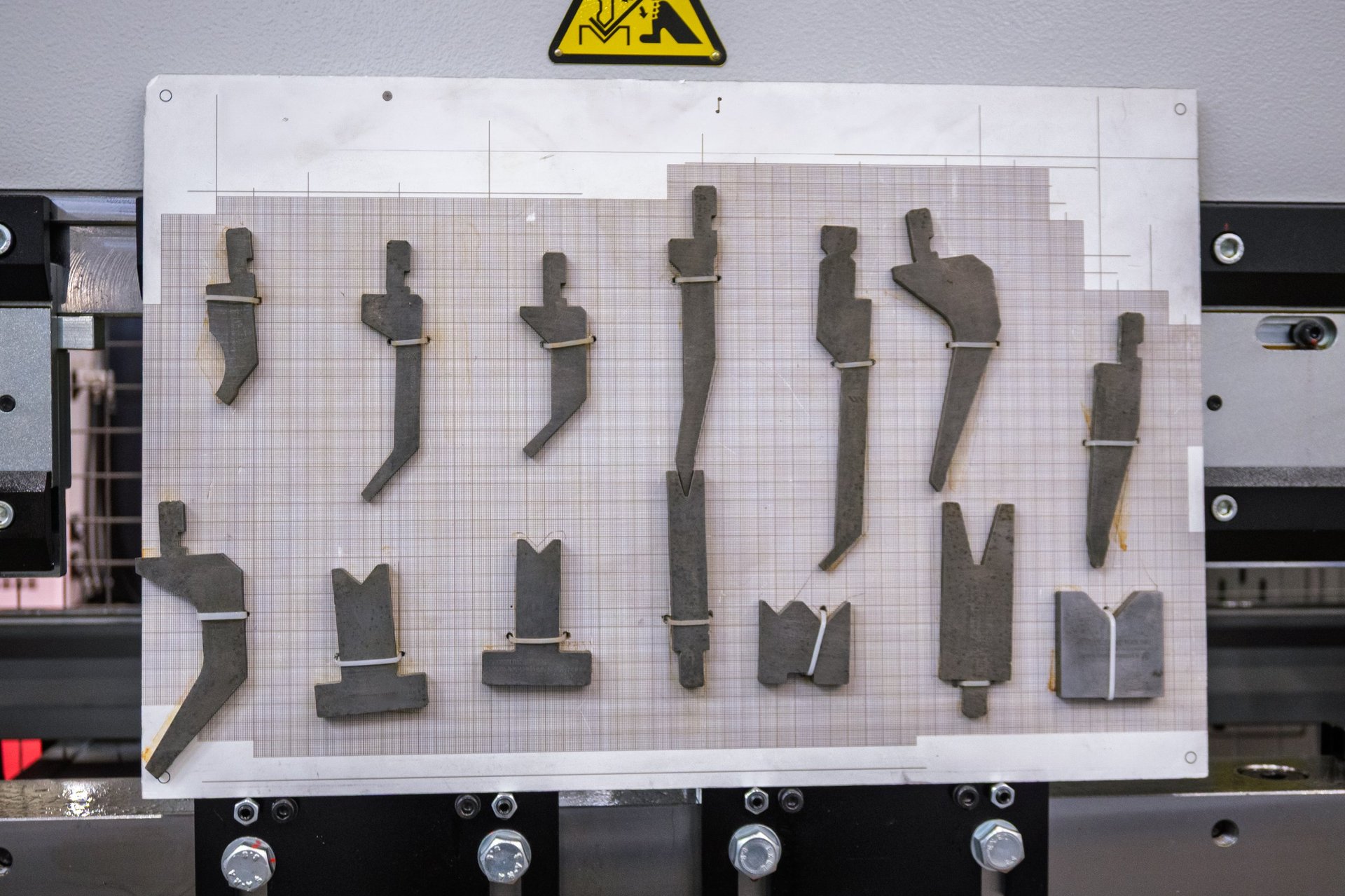
What the tooling asks of the material is the question the ordered grade has to answer.
Ordered-Grade Questionnaire
Five fields, and the check each one triggers
Each row pairs something the enquiry has to state with the acceptance check it makes possible. The questionnaire produces conditions to verify — it states no property value, sets no drawing limit and computes nothing.
| Field | What the enquiry states | Conditional check it triggers |
|---|---|---|
| Forming severity | What the operation actually does — blanking, roll forming, a general draw, or a deep draw — and how demanding the deformation is. | The severity points to a forming category, and that category is what the ordered grade has to sit in. State the operation, not just the part. |
| Ordered grade and classification | The grade designation the order calls for, named in full rather than abbreviated or implied by context. | The inspection document has to name the same grade. Where the grade is read only from the drawing's shorthand, the requirement is not yet checkable. |
| Surface and finish designation | The finish the part requires, and whether it serves appearance, paint adhesion, or a coating line's incoming requirement. | Confirm the finish designation is available for the grade and thickness ordered, and that it is recorded on the document rather than assumed. |
| Dimensions and tolerance source | Thickness and width with units, and which tolerance basis the order is being accepted against. | Tolerances for cold-rolled sheet come from a defined source. Name it, so the delivered thickness is judged against the right limit rather than a general expectation. |
| Applicable testing and edition | The tests the ordered grade requires the material to be released against, and the edition of the specification being worked to. | Testing follows the grade, and the edition fixes which revision of the requirements applies. Both belong on the enquiry, not on the certificate alone. |
The questionnaire sets out the fields and the checks — it states no drawing limit, no surface grade code and no test value. Read those from the specification edition your drawing cites.
Start from the operation
Describe what the tool does and how hard it is on the material. That severity is what points to a forming category, and the category is what the ordered grade has to satisfy.
Treat finish as a field
Surface and finish are ordered, not inherited. Where the part is seen or coated, state the requirement — a default finish is a decision you did not make.
Name the tolerance source
Cold-rolled tolerances come from a defined source. State which one governs, so thickness is accepted against your limit rather than a general expectation.
Request a Quote
Send the ordered grade with the operation
An A1008 enquiry has to say which grade within the specification you want and what the material has to survive. State both, and anything you leave open comes back as open rather than assumed.
Forming severity
What the operation actually does — blanking, roll forming, a general draw, or a deep draw — and how demanding the deformation is.
Ordered grade and classification
The grade designation the order calls for, named in full rather than abbreviated or implied by context.
Surface and finish designation
The finish the part requires, and whether it serves appearance, paint adhesion, or a coating line's incoming requirement.
Dimensions and tolerance source
Thickness and width with units, and which tolerance basis the order is being accepted against.
Building the Order
What a complete A1008 line carries
The specification supplies the frame and your order supplies the decisions. Four elements complete the instruction, and each one closes a question the supplier would otherwise put back to you.
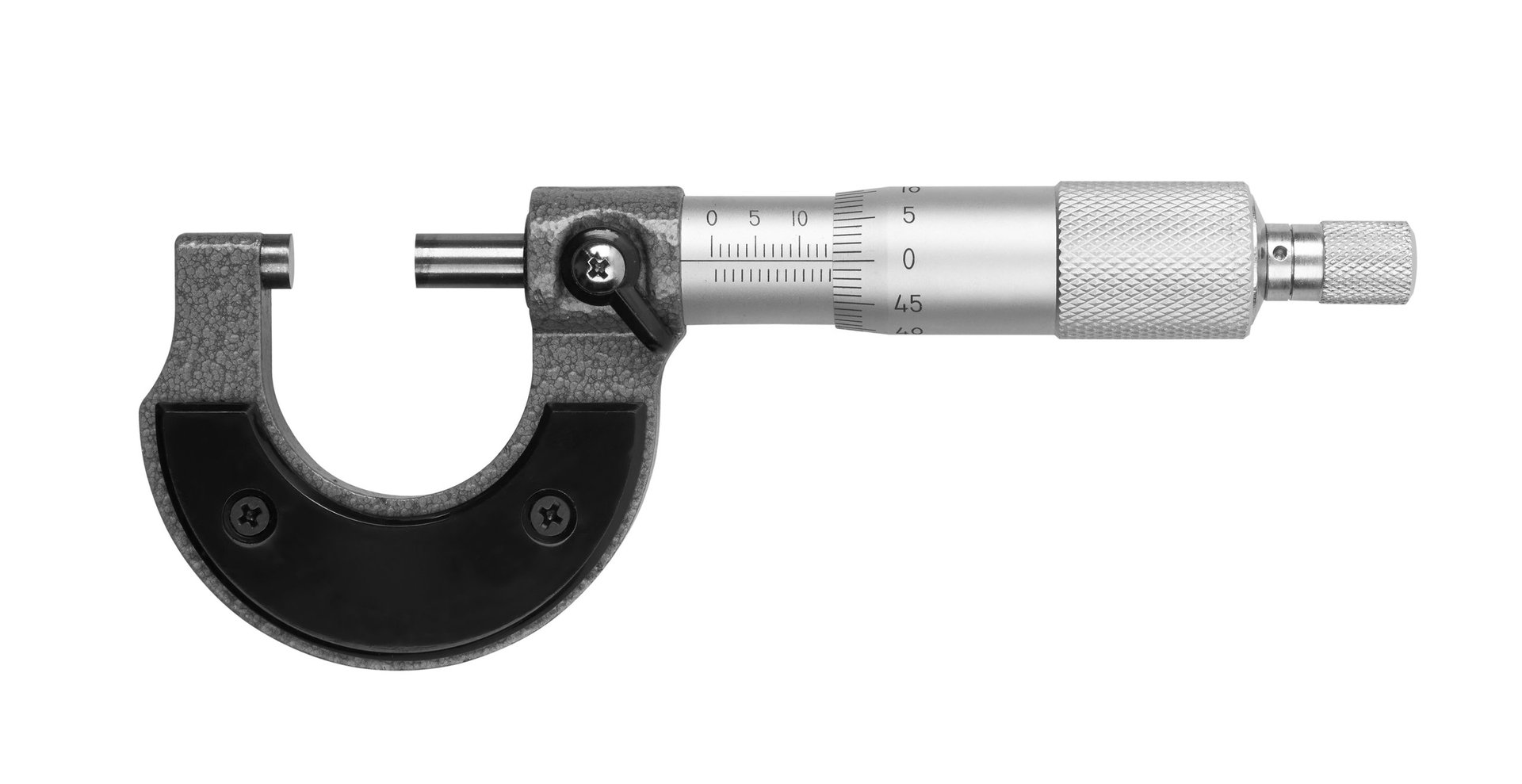
Thickness is accepted against a stated tolerance source, not against an expectation.
The specification and edition: the designation with the year you are working to. The edition ties your requirement and the mill's certificate to the same revision of the rules.
The ordered grade: which classification within the specification applies, named in full. This is the field that determines what the material is required to do, and the one that decides whether the forming operation is supported.
The surface and finish: the finish designation the part requires, and what it is for — appearance, paint adhesion or a coating line's incoming condition.
Dimensions and tolerance source: thickness and width in one unit system, plus the tolerance basis and the testing the grade requires the order to be released against.
Working frame: ASTM A1008/A1008M-26 — Cold-Rolled Carbon, Structural and HSLA Steel Sheet and Strip. Confirm the grade, the finish designations and the applicable tests in the edition your drawing cites — and where a project specification governs, that document takes precedence.
Document Evidence
What the certificate has to prove for a forming order
For a cold-rolled order the document work is not a formality. Three of the fields on it are the ones that predict whether the material will behave as the drawing intends.
The grade, in full
Confirm the grade on the document is the one you ordered rather than a general-purpose classification, since that is what determines the forming category the material was supplied against.
The finish recorded
Where the part is visible or coated, the finish designation should appear on the record. An appearance requirement that exists only in the order correspondence is not evidenced.
Identity to the press
Keep the heat or lot identification with the coil or bundle through cutting and goods-in — once the sheet is separated from its marking, the documentation no longer describes it.
Where formability actually lives
A specification can be satisfied and the die still fails
Cold-rolled sheet is bought for what it looks like and what it will form into, and both of those feel like properties of the material as a whole. That intuition is what makes the specification number so reassuring: it names a recognised document, the supplier confirms the material conforms, and the order feels settled. Nothing in that exchange is false, and none of it is a statement about your press.
The gap is structural rather than anyone's carelessness. Product specifications are written to cover a family, and families need internal variety to be useful. So the document organises its requirements into ordered classifications — general-purpose work at one end, progressively more demanding forming at the other — and each classification brings its own requirements and its own testing. The specification is satisfied by any of them. The die is satisfied by fewer.
That is why the practical discipline is to work backwards. Describe the deformation first, because that is the thing that cannot be changed once the tooling exists. Let the severity point to a classification, put that classification into the order along with its testing, and add the finish as its own instruction rather than as a hope about the surface. Read this way, the specification stops being the answer and goes back to being what it is: the frame the real answer is written in.
Where The Citation Appears
Duties that put a cold-rolled specification on the drawing
These are the situations where the standard is cited and the ordered grade and finish have to be resolved before the material can be sourced.
Formed components
Parts where the deformation is demanding enough that the ordered grade — not the specification — is what decides whether the operation succeeds.
Visible and coated surfaces
Applications where the surface is either seen by the end user or receives paint, so the finish designation is a real requirement rather than a default.
Documented production parts
Where an assembly specification requires the flat stock to be traceable against a named grade, so the certificate has to be reconcilable item by item.
None of these is a suitability determination for a particular part, and none replaces the design approval behind the call-out. Where a governing document sets the requirement, that document decides.
GCC Supply
Plan the destination separately from the specification
The ordered grade and finish answer what the sheet is at handover. The consignee, delivery point and document set answer where it is going — and those are planned on their own route.






A country link is a destination-planning page. None of them implies a local office, warehouse or stock position, and none of them changes the specification.
Commercial Basis
What is confirmed against your enquiry, not published in advance
A cold-rolled forming order turns on several inputs at once, and whether the ordered grade is obtainable in the finish you need is the one that most often decides the answer.
Grade and finish availability
Whether the ordered grade is obtainable at your thickness in the finish designation you require — confirmed per enquiry rather than inferred.
Forming capability
Whether the material can be supplied in a condition suited to the operation you have described, stated against the enquiry.
Origin and mill
The producing source is stated against the actual enquiry, not asserted as a standing position.
Documentation
The inspection document and any test evidence are confirmed against the specification and edition you cite.
Pricing is on request. No rate, lead time or stock position is published before the ordered grade and finish are confirmed.
Related Routes
Where the neighbouring specification decisions are answered
Open one only when it settles the question in front of you — a neighbouring standard or grade is not evidence that two specifications are interchangeable.
Why Specify It This Way
What resolving the grade buys — and what it asks back
Naming the ordered grade and the finish is more work at the enquiry stage than citing a specification. These are the honest terms of that trade.
A supported forming operation
When the grade is chosen against the severity of the operation, the material arriving at the press is one that was supplied for that class of work rather than for general use.
A surface you specified
Finish stated as its own field can be inspected and accepted on its own terms, instead of discovered to be unsuitable once the parts are painted.
More fields to own
That precision is the cost. Grade, finish and tolerance source all become requirements someone must state, and leaving any of them blank hands the decision back to the mill.
How the Screening Moves
From a forming operation to a reconciled delivery
Each step settles something the next one depends on. The severity is established before the grade is fixed, not inferred from it afterwards.
- 01
Establish the severity
Describe what the tool does and how demanding the deformation is, so the forming category can be identified before a grade is chosen.
- 02
Fix the grade and finish
Name the ordered grade in full and the finish designation the part requires, as two separate fields on the same order.
- 03
State the basis
Put the dimensions, the tolerance source, the specification edition and the testing the grade requires onto the enquiry together.
- 04
Reconcile on arrival
Read the inspection document against your order — grade, finish, dimensions and identity — before the material goes to the press.
Grade availability, finish capability and origin are confirmed against the live enquiry — never inferred from a questionnaire outcome or a published list.
Request a QuoteCommon Questions
Questions an A1008 enquiry usually raises
Does ordering A1008 guarantee it will deep draw?
No, and that assumption is the most costly mistake this specification attracts. The standard governs the cold-reduced route; how far the material will actually draw depends on the grade you ordered and the testing that grade requires. A general-purpose classification and a drawing classification can both be entirely correct A1008 material while behaving very differently in the same die. Where the forming is demanding, the grade and its test conditions have to be specified deliberately — the specification number carries none of that.
What is the difference between the grade and the surface finish?
They are separate ordering fields answering different questions. The grade governs what the material has to do mechanically and what it is tested against; the finish designation governs what the surface looks like and how it behaves for painting or coating. An order can be correct on one and wrong on the other, and where the part is visible or painted, the finish is not a detail you can leave to the mill's default.
Which tolerance applies to my order?
Cold-rolled sheet tolerances come from a defined source rather than from a general expectation, so the order should name the tolerance basis it is being accepted against. That matters most where the thickness is doing real work — a forming operation that depends on a narrow band, for instance. Naming the source on the enquiry means the delivered material can be judged against the limit you intended rather than one that was assumed.
Is A1008 the same as the hot-rolled specification?
No. They are separate product specifications covering separate routes, with their own scope and their own classifications. The cold-rolled specification governs cold-reduced material and the hot-rolled one governs hot-rolled material, and a drawing citing one is not satisfied by supply against the other. The distinction is not just cosmetic either — the route changes the surface, the formability and the requirement set together.
Working in a different standard system? The SPCC cold-rolled grade route answers the same forming question under a JIS designation, and the ASTM grades route sets out how this specification's grades are organised.
Send the ordered grade and what the press does
Give the specification and edition, the ordered grade in full, and the finish and tolerance basis you need. The quotation comes back against a grade that was chosen for your operation rather than inherited from a specification number.
sales@noordeirasteel.ae · +971 56 398 0860 · Business Bay, Dubai