
Technical Resource
Steel Billet Specifications Guide
A steel billet specification is complete only when it identifies the product form, governing grade/standard or chemistry agreement, dimensions and tolerances, downstream use, surface/internal-quality requirements where justified, test/inspection documents, traceability, quantity, destination and commercial delivery basis.
The fields that decide whether a specification is complete are not the same on every route. What is mandatory for a rolling programme is cost with no benefit for a re-export order — so the audit below classifies each field against the route you declare.
Standards and tolerance contextFive layers of a complete specification
- ScopeWhat the material is, and what it is going to be used for. Everything else is conditional on this.
- Chemistry or grade basisA named grade under a published standard, or chemistry limits written into the order.
- GeometryCross-section, length, and the tolerance basis each dimension is held to.
- Acceptance evidenceWhich documents you will receive, and what each one is evidence about.
- Delivery basisQuantity and unit, named place, Incoterm rule, document set and required timing.
No chemistry, mechanical property or dimensional tolerance value is asserted here. Those belong to the controlling standards and to your own order documents.
Working technical tool
Billet Specification Completeness Auditor
Ten inputs produce a completeness score by category, the blockers that would stop a quotation being approved, the conditional fields your declared route leaves open, and a copyable specification summary.
No audit yet
Seven inputs are needed before a completeness judgement is possible at all. The downstream application matters most — it is what decides whether the remaining fields are mandatory, conditional or unnecessary.
- Product form
- Standard / grade / chemistry basis
- Cross-section
- Length
- Downstream application
- Quantity and unit
- Destination and Incoterm
Tolerance basis, condition criteria and testing requirements are optional inputs, but each one you leave empty is reported as a gap rather than assumed.
Method and conditions
How the audit classifies each field
The method is a classification, not a calculation. Every field is judged mandatory, conditional or not applicable against the route you declare — which is why the audit produces different results from the same inputs on a different route.
Classify against the route
The downstream application is read first, because it decides the classification of everything else. A condition control is mandatory for a drawing programme, optional for a rolling one, and unnecessary for a re-export order.
Score only applicable fields
Fields classified as not applicable are removed from the denominator rather than counted against you. A specification is not incomplete for omitting a control its route makes pointless.
Separate mandatory from conditional
A missing mandatory field is a blocker — the specification cannot be compared or approved without it. A missing conditional field is reported as open rather than failed, because it may legitimately be a decision.
Supply no value for any gap
Where a field is empty the audit says what is missing and why the route needs it. It never substitutes a chemistry, a property or a tolerance value, because that value belongs to your controlling standard.
Units, sources and assumptions
- Unit system
- SI by default. Any inch-pound value you supply is treated as a separate unit system, and no conversion is presented as a standard value.
- Source hierarchy
- Purchase order, then the drawing or individual specification, then the controlling standard for the dimension in question. Where they conflict, the order governs.
- Edition and date
- Standards move. Cite the edition you are working to rather than the designation alone, and re-confirm it against the current status before release.
- Assumptions
- None are supplied silently. Where a classification depends on your declared route, it is stated as a consequence of that route rather than as a general rule.
- Applicability limitation
- This is a completeness framework, not a standard. No single published standard governs all billets, and the framework does not claim one does.
Worked examples
Three specifications, and what each one is missing
Each example shows the inputs, what the method returns, how to read the result, and the decision it changes. None of them uses a real company's data or asserts a standard value.
Example 01
A rolling programme with the grade borrowed from a product standard
Inputs
Square billet; grade read across from a finished-product standard; section stated with its tolerance basis; length stated, tolerance not addressed; condition limits stated without an inspection basis; certificate requested with no defined scope; downstream rolling into finished long products; quantity stated with unit; named place and Incoterm stated.
Result
Two blockers — the chemistry agreement, because the grade came from a rolled-product document, and the certificate scope, because no document was defined. One conditional field open on length tolerance, and one on the condition inspection basis.
Reading the result. The geometry looks tidy, which is why this shape of specification gets released. The failure is on the evidence side: nothing in it says what the heat analysis will be issued against, and nothing says how the condition limit will be judged.
Decision impact. Two suppliers quoting against this will return certificates of different scope, and neither is wrong. The quotations are not comparable on the evidence they carry.
Verification step. Confirm whether the product standard actually carries billet-side limits, and if it does not, write the chemistry into the order. Then name the certificate and its issuing party.
Example 02
A re-export order carrying condition controls it does not need
Inputs
Square billet; chemistry limits agreed explicitly; section and length stated with tolerance basis; condition limits stated with an inspection basis named; tests named with criteria and issuing party; downstream re-export or stockholding with no processing; quantity stated with unit; named place and Incoterm stated.
Result
No blockers and no conditional fields open. The condition requirement is classified as not applicable to the declared route and removed from the score rather than counted as an achievement.
Reading the result. The specification is complete, but it is carrying a control the route does not use. The audit reports that as not applicable rather than as a credit, because the value of the omission is that the inspection effort was avoidable.
Decision impact. The buyer can see that the condition control is cost rather than protection on this route, and can choose to drop it or keep it as a deliberate margin.
Verification step. Confirm the material will genuinely not be processed before delivery. If any working follows, the classification changes and the condition control becomes justified.
Example 03
A drawing programme missing its geometry basis
Inputs
Square billet; grade named under a published billet standard; cross-section stated but tolerance basis not named; length stated, tolerance not addressed; condition limits stated with inspection basis named; tests named with criteria and issuing party; downstream heavy drawing or cold forming; quantity stated with unit; destination described but not named.
Result
Two blockers — the tolerance basis, because no controlling document is named, and the named place with the Incoterm rule. Geometry scores partial rather than missing, and the condition requirement lands as complete because this route justifies it.
Reading the result. The chemistry and evidence sides are stronger than in the first example, and the gap is entirely dimensional. A section with no tolerance basis cannot be measured against anything at intake.
Decision impact. The order can be produced and then disputed, because neither party agreed what the section was allowed to be. The dispute is not about the material.
Verification step. Cite the standard or drawing that governs the section and its edition, and state the named place with the Incoterm 2020 rule that applies to it.
Standards and tolerance context
What changes the result, and what limits it
A specification is only as strong as the document it cites. These are the conditions that change what a field means — and the boundaries that stop any one standard being treated as governing every billet.
| Field | What changes it | Source basis | Applicability limit |
|---|---|---|---|
| Grade or chemistry | Whether a billet standard names the grade, or the limits are agreed in the order. Finished-product standards generally do not hand you billet-side limits. | The controlling standard you cite, with its edition, plus any order agreement. | A designation is defined by the standard that writes it. Similarly named designations from different standards are not synonyms. |
| Cross-section | The receiving equipment's intake, and the reduction sequence the finished product needs. Both are mill-specific. | The standard or drawing that governs the section, plus the receiving mill's stated entry limits. | A section that suits one works is not evidence it suits another. Entry fit is confirmed per programme. |
| Length | The furnace and charging arrangement. Length is an operational constraint rather than a product property. | The receiving works' stated charge length range, agreed into the order. | Length tolerance only has meaning where a basis is named. Without one it cannot be inspected. |
| Tolerances | Which document controls the dimension, and the measurement basis it is checked against. | A named standard or drawing, cited with its edition and the dimension it applies to. | No tolerance value is asserted here. Values belong to the controlling document in your order. |
| Surface and internal condition | Whether the downstream process concentrates defects or works them out, and whether an inspection basis is named. | The condition requirement plus the method it will be judged against. | A limit with no named method cannot be enforced at intake, however precisely it is worded. |
| Testing and documents | Which tests, on which population, against which criteria, and who issues the result. | The order's stated scope, and the standard each test is performed to. | A certificate with no defined scope describes something, but it does not evidence a requirement. |
| Manufacturing route | Whether the form is continuously cast or produced another way, and what that route implies for the internal condition. | The route the supplier states, supported by the process records it holds. | The route describes how the form was produced. It fixes no chemistry and no section. |
No standard governs all billets. Standards are written for a product and a scope, and semi-finished material frequently falls outside the scope of the standard written for what it becomes. Where that happens, the requirements are established by agreement in the order rather than read across from a product document. Nothing here asserts a composition, property or tolerance value — cite the document you are working to and hold the values to it.
Where grade routes bear on the specification
A grade designation identifies the material only in combination with the standard that defines it. No equivalence is asserted here between 3SP, 5SP, Q235B, S235 and any ASTM designation — a comparison of that kind is a conditional engineering judgement that has to be agreed for the order in front of you, not a substitution.
Where a size route bears on the specification
Section is an intake constraint rather than a product property. The tolerance basis attached to a nominal section is what makes it inspectable, which is why a size route is useful for confirming geometry but settles nothing about chemistry.
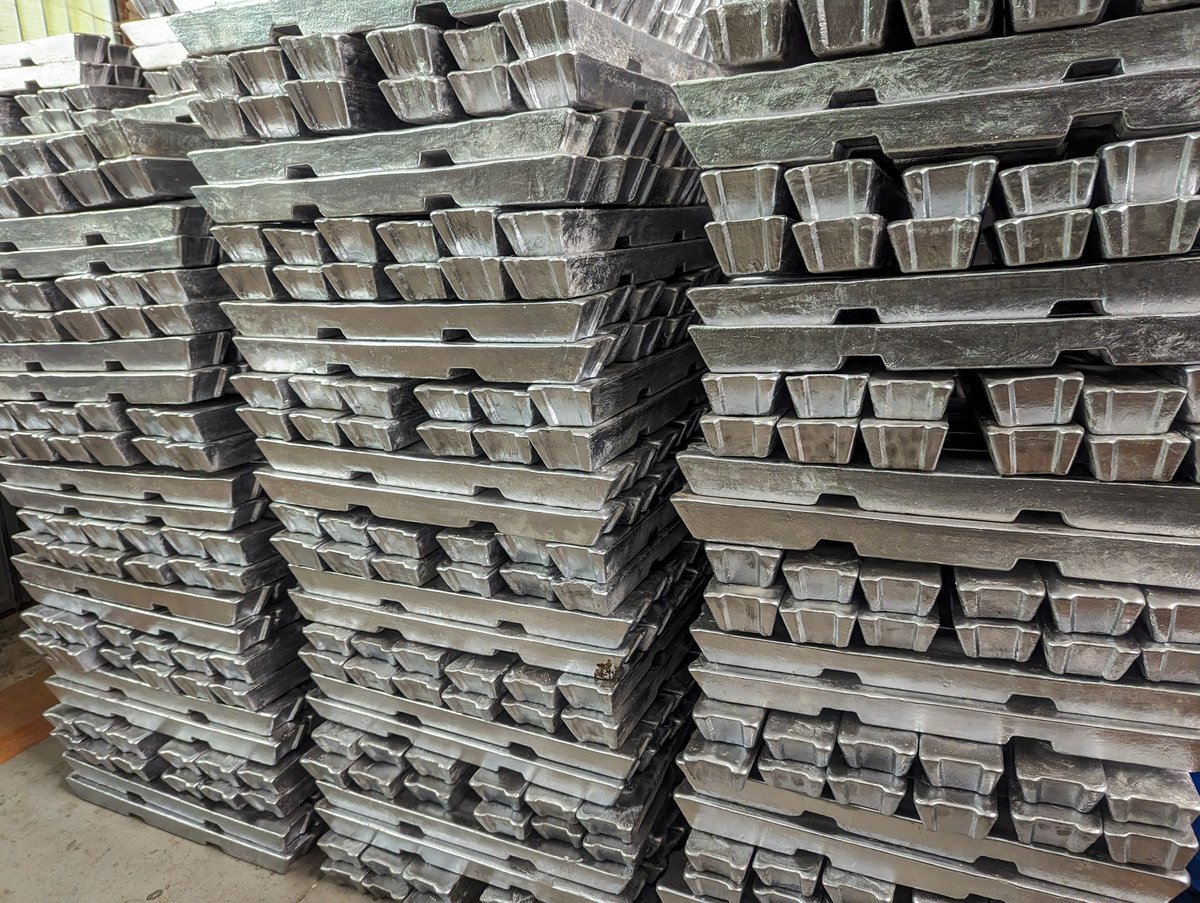
Geometry and downstream use are reviewed together because the second decides what the first has to be. A section read on its own says nothing about whether the specification is complete.
Verification and misuse controls
Where specifications go wrong, and what closes each gap
These are the errors that make a specification unusable rather than merely incomplete. Each row names the input you owe, the evidence to request, and who accepts it.
| Requirement | You must specify | Evidence to request | Accepted by | If it is missing |
|---|---|---|---|---|
| Heat analysis / MTC | The grade or agreed chemistry basis, and the elements the analysis is issued against. | Mill test certificate for the heat, from the issuing party you named. | Your technical reviewer, against the order document. | A certificate arrives that describes material but evidences no requirement. |
| Dimensions | Cross-section, length and the tolerance basis for each — with the controlling document cited. | Dimensional record for the delivered material against that basis. | Your intake function, before the material is released to the process. | Nothing to measure against. A dimensional dispute cannot be resolved either way. |
| Surface condition | The condition required and the inspection method it will be judged by. | Condition records taken to that method, not to an unspecified one. | Your quality function, using the basis it was specified against. | The most common failure: a strictly worded limit that cannot be applied at intake. |
| Traceability | Whether heat identity must reach the delivered lot, and the marking that carries it. | Marking record and the supplier's production record linking heat to lot. | You, on intake — marking is what attaches the certificate to the material. | A document with no physical subject, and a lot whose origin cannot be established later. |
| Inspection and testing | Which tests, on which population, against which criteria, performed by whom. | Test results with the criteria they were judged against. | The party your order designates, per the scope you stated. | Results that can be filed but not accepted or rejected against anything. |
| Shipment documents | The document set, the named place, and the Incoterm 2020 rule in force. | Packing list, certificate set, and destination-specific documents. | Importer or clearing agent at the named place. | Material held while paperwork is corrected, at the buyer's cost and schedule. |
Four comparisons that look valid and are not
Two grade designations treated as synonyms
A designation is defined by the standard that writes it. A similar-looking designation from a different standard describes a different material until an equivalence is agreed for the order.
A tolerance quoted without its controlling document
The same numeric tolerance under two different standards can apply to different dimensions on different measurement bases. The number alone is not the requirement.
A certificate treated as evidence of a requirement it does not cover
A mill test certificate describes chemistry. It does not evidence a dimensional tolerance, a surface condition or an inspection scope unless it says so.
Quotations compared across different commercial frames
Different named places or Incoterm rules make two prices answer different questions. The tonnage being equal does not make them comparable.

When engineering review is required
The audit is a completeness check, not an engineering approval. Take the result to a technical reviewer wherever a grade is being read across from a different standard, wherever a condition limit is being specified without a precedent in your own programmes, and wherever the declared downstream route is one the receiving works has not run before.
Product decision handoff
Where the audit result goes next
Two registered type routes carry the decision forward. Each answers a different question, and each has a boundary beyond which the comparison stops being useful.
Continuous casting billet
Continue here when the casting route is settled and the open questions are chemistry and geometry rather than process.
The route describes how the form was produced. It fixes no chemistry and no section, so it closes no field in the audit by itself.
continuous casting billet supplierRebar-grade billet
Continue here where the specification has to serve a reinforcement programme, and the acceptance basis is set by a product standard rather than by your own drawing.
Reinforcement acceptance and general engineering acceptance are different controls. Suiting one does not settle the other.
rebar billet supplierA type route is not a specification. Choosing the form and choosing the requirements are separate decisions. The audit scores the second; the type routes narrow the first. Keep them apart, because a form decision recorded as a specification is how a route ends up standing in for requirements nobody wrote down.
Related registered tools and routes
What continues the work
Grouped by the task that follows the audit. Each path answers a question the completeness check raises but does not settle on its own.
Billet hierarchy
Downstream applications
GCC product × country routes
Destination-specific specification and document inputs
Six destinations, and the input that most often delays each one. Each card asks for the commercial detail the route needs — none claims a served market or a stock position.
 United Arab EmiratesDomestic supply, coordinated from Dubai.Name the receiving works and the process the material feeds. Domestic movement is arranged from Dubai against the agreed section, length and heat separation.steel billet supplier UAE
 Saudi ArabiaTechnical submittal approval before release.Saudi routes commonly require submittal approval before material moves. Settle the specification scope, grade basis, certificate scope and the named port or inland destination before anything is quoted.steel billet supplier Saudi Arabia
 QatarApproval sequence and document scope led.Confirm the importer's document and classification position, the named port, and how long the approval sequence runs before the quotation can be finalised.steel billet supplier Qatar
 OmanPort-oriented supply for downstream rolling.Name the port or inland delivery place and the Incoterm rule. Section and length are harmonised with what the receiving works actually takes in.steel billet supplier Oman
 KuwaitSupply planned against a production hand-off.Tie the specification to the production programme, and agree the shipment against the named destination and the delivery window that programme is working to.steel billet supplier Kuwait
 BahrainIndustrial supply and re-export documentation.Industrial routes live or die on accurate paperwork. Confirm the document set, the named place and the importer's requirements before dispatch, not after arrival.steel billet supplier Bahrain
What every route needs before it can be quoted. The named port, terminal or inland place; the Incoterm 2020 rule and the named place it applies to; the importer's document and classification position; and the delivery window the programme is working to. Given those alongside the completed specification, a route can be quoted without a second exchange.
Expert insight
Which missing fields stop a quotation being comparable
A source-backed decision note. The question is not which fields are nice to have, but which absences make two quotations answer different questions.
Why does the same tonnage produce two prices that cannot be compared?
BS EN 10025-2:2019 sets technical delivery conditions for hot-rolled products of non-alloy structural steels. What makes it useful as a reference here is not the values it contains but the structure it demonstrates: that material can sit under a defined delivery framework, and that where a product falls outside that framework the requirements have to be established by agreement rather than assumed.
What the source establishes. That delivery conditions are a defined structure — scope, requirements, testing and documentation, treated as separate layers — and that semi-finished products can fall outside a framework written for the product they become, requiring special order agreement.
What it does not establish. Any universal billet specification. It is a standard for structural steel products with its own scope, and it does not govern all billets — nor does it supply billet chemistry, geometry or tolerance values for a supply it was not written for.
The implication for comparability follows from that structure. When the chemistry basis, the tolerance basis, the inspection scope and the commercial frame are each stated, two suppliers are quoting against the same requirement. When any one of them is absent, each supplier fills the gap with its own working assumption — reasonably, and differently. The quotations then differ in what they promise rather than in what they cost.
In practice the absences that recur are the chemistry basis where a grade has been borrowed from a rolled-product standard, the tolerance basis where a dimension is quoted without its controlling document, the inspection basis where a condition limit is stated without a method, and the named place where an Incoterm is quoted without one.
Buyer implication. Audit scope, chemistry or grade, geometry, acceptance evidence and delivery basis as separate layers before releasing the RFQ. A gap in any layer is a gap in comparability, not a detail to settle later.
Source and scope
- Primary source
- BSI — BS EN 10025-2:2019
- Document reference
- knowledge.bsigroup.com — BS EN 10025-2:2019
- Method
- The buyer decision is compared against the source scope, and what the source establishes is kept separate from what is order-specific.
- Information date
- 2026-10-03
- Scope and limitation
- The standard demonstrates that semi-finished products can require special order agreements. The framework below is a completeness check — it does not claim that one standard governs all billets.
- Evidence boundary
- The source does not prove inventory, price, lead time, origin, certification or market coverage. Those remain quotation- and evidence-dependent.
Buyer advantages
What an audited specification changes
No claim here rests on being better than anyone. Each one is a buyer concern mapped to something checkable, and then to what it changes about the supply you receive.
Quotations arrive comparable.
Evidence: The completeness audit names the layers that have to be identical across every enquiry before prices mean the same thing.
Outcome: You compare like with like, rather than discovering at contract stage that two offers cover different scopes.
Gaps surface before the RFQ is released.
Evidence: Blockers are reported as blockers, tied to the route that makes the field mandatory rather than to a general checklist.
Outcome: Clarification rounds move to before the enquiry, where they cost time rather than credibility.
Unnecessary controls are identified as unnecessary.
Evidence: Fields not applicable to the declared route are removed from the score rather than counted as achievements.
Outcome: Inspection effort and cost stay attached to requirements that change a decision you actually make.
Evidence is tied to requirements.
Evidence: Each acceptance document is named alongside what it is evidence about, and who issues it.
Outcome: Certificates arrive that can be accepted or rejected against a stated requirement, not merely filed.
The commercial frame is fixed with the technical one.
Evidence: Quantity basis, named place and Incoterm rule are audited as part of completeness rather than left to the quotation stage.
Outcome: Freight and documentary differences stop masquerading as price differences between suppliers.
Enquiry to delivery
Where the specification is built, and who owns each stage
From the first draft to arrival at the receiving works. Each stage names the input that has to exist before it can start, and the risk it closes when it does.
Draft the specification layers
Owner: Buyer, with the end customer where the requirement originates downstream
Input: Product form, downstream route, and the quality level the material has to meet.
Output: A scope statement that lets every remaining field be classified.
Risk closed: Fields are specified by habit, with controls appearing that the route does not need and gaps where it does.
Fix the chemistry basis
Owner: Buyer, with the technical reviewer
Input: Either a grade named under a billet standard, or chemistry limits written into the order.
Output: A defined basis a heat analysis can be accepted or rejected against.
Risk closed: A grade borrowed from a rolled-product standard, leaving a certificate with nothing to be held to.
Set the geometry and its tolerance basis
Owner: Buyer and the receiving works
Input: Cross-section and length, each with the standard or drawing that governs it cited by edition.
Output: Dimensions that can be measured and rejected against at intake.
Risk closed: A dimensional dispute that cannot be resolved, because no basis was ever agreed.
Define the acceptance evidence
Owner: Buyer, with the party issuing the documents
Input: Which documents are issued, their scope, their criteria, and who signs them.
Output: A document set where each item is evidence about a stated requirement.
Risk closed: Certificates that describe the material without evidencing anything you asked for.
Release the RFQ with the commercial frame fixed
Owner: Buyer to the commercial department
Input: Quantity and unit, named place, Incoterm 2020 rule, document set, inspection scope and required timing.
Output: Quotations that are comparable on scope as well as on price.
Risk closed: Offers that differ in what they cover, presented as if they differed only in cost.
Verify on arrival and close the loop
Owner: Buyer's intake function
Input: The certificate set, the marking records and the dimensional records against the stated basis.
Output: Material released or raised against a requirement that was written down in advance.
Risk closed: A discrepancy with no agreed standard to measure it against, which leaves the outcome unresolved.
Buyer FAQ
Questions that come up once the draft is written
Technical and commercial points a specification auditor raises after the framework is understood — not definitions, which are settled above.
What is the minimum data set for a billet specification?
Four layers have to be present before anything else can be judged: scope (what the material is and what it is for), chemistry or grade basis, geometry (section, length and the tolerance basis they are held to), and the acceptance evidence you will receive. Everything else — surface condition, testing scope, traceability arrangement, delivery basis — is conditional on the downstream route. A specification missing any of the four mandatory layers cannot be compared against another quotation.
When should billet chemistry be agreed separately?
Whenever no single published standard names the billet grade you are buying. That is common, because many grades are written for finished rolled product rather than for the semi-finished input. In that case the chemistry direction has to be written into the order as an explicit agreement rather than read across from a product standard, and the agreement should name the elements held, the limits, and the document the heat analysis is issued against.
Which tolerance values require a controlling standard?
Any tolerance you intend to accept or reject against. A dimensional tolerance is only meaningful when it names the standard or drawing that defines it, the dimension it applies to, and the measurement basis. Where no controlling document is named, the tolerance is a preference rather than a requirement — it cannot be inspected, and a supplier cannot be held to it. Cite the edition you are working to and keep the values in your order documents.
When are surface or internal-quality requirements justified?
When a defect would damage the process the material feeds rather than being worked out by it. Heavy drawing, cold forming and machining all concentrate or expose defects that a re-rolling pass might absorb. Where you specify such a requirement, pair it with the inspection basis it will be judged against — a limit with no named method is the most common reason a specified control quietly fails to apply at intake.
How should commercial and technical data be kept comparable across quotes?
By fixing the commercial frame at the same time as the technical one. Quantity and unit, named place, Incoterm 2020 rule, document set and required timing all have to be identical across the enquiries, or the prices answer different questions. A quote built on a different named place or a different document set is not comparable to one built on yours, however close the tonnage.
Send the specification, and the gaps come back named
Include the product form and downstream route, the chemistry or grade basis, section and length with their tolerance basis, the acceptance documents you expect, and the commercial frame — quantity with its unit, named place, Incoterm 2020 rule and required timing. Anything unresolved is reported as a gap rather than filled in.
Or send the enquiry directly to sales@noordeirasteel.ae. Price on request — no price, stock or lead time is published.
What to attach
- Product form and downstream application
- Grade or chemistry basis, and how it is held
- Cross-section and length with their tolerance basis
- Surface or internal requirements, with the inspection basis
- Testing scope, criteria and the issuing party
- Quantity with its unit and basis
- Named place and the Incoterm 2020 rule
Commercial department
- Mobile
- +971 56 398 0860
- Office
- Office 1015, Churchill Executive Tower, Business Bay, Dubai, United Arab Emirates
- Hours
- Monday – Saturday: 8.00 AM – 6.00 PM · Sunday: Closed
Reference method
The completeness framework in full
Every layer the audit works to, classified as mandatory or conditional — stated in full so you can apply it by hand to a specification you already have.
01 · Scope
MandatoryThe product form and the downstream process the material feeds. Without scope, no other field can be judged mandatory or conditional — a surface control that is essential for one route is cost with no benefit on another.
02 · Chemistry or grade basis
MandatoryEither a grade named under a published standard, or chemistry limits agreed explicitly in the order. Where the grade belongs to a finished-product standard, the billet-side limits are a separate agreement rather than something read across.
03 · Geometry and tolerances
MandatoryCross-section, length and the basis each dimension is held to. A dimension without a named tolerance basis is a preference — it cannot be inspected or rejected against.
04 · Acceptance evidence
MandatoryWhich documents will be issued, by whom, and what each one is evidence about. A certificate that is not attached to physical material by a marking convention proves nothing at intake.
05 · Condition requirements
ConditionalSurface and internal limits, needed or not depending on whether the downstream process concentrates defects or absorbs them. Where required, the inspection basis must be named alongside the limit.
06 · Testing and inspection scope
ConditionalWhich tests, on which population, against which acceptance criteria, performed by whom. Testing without stated criteria produces results that can be recorded but not accepted or rejected.
07 · Traceability
ConditionalWhether heat identity has to reach the delivered lot, and how it is marked so the chain survives handling. Required wherever a later question about origin has to be answerable.
08 · Commercial delivery basis
MandatoryQuantity and unit, named place, Incoterm 2020 rule, document set and required timing. Quotes built on different commercial frames are not comparable, however similar the technical scope.
How to apply it by hand. Read the downstream route first, then work the eight layers in order. Ask of each one whether the declared route makes it mandatory, conditional or unnecessary — and where it is conditional, whether your answer is a decision or an omission. A layer left blank without a reason is the gap the audit reports.
Worked examples
Three short audits, worked through
The same framework applied to three different draft specifications, with the classification each field receives and the reason it receives it.
Draft A — a rolling feedstock with a borrowed grade
| Layer | Result | Reason |
|---|---|---|
| Scope | Complete | Form and downstream route both stated. |
| Chemistry or grade basis | Blocker | Read across from a rolled-product standard, which does not carry billet-side limits. |
| Geometry and tolerances | Partial | Section stated with basis; length stated without a tolerance. |
| Acceptance evidence | Blocker | Certificate requested with no defined scope or issuing party. |
| Commercial delivery basis | Complete | Quantity with unit, named place and Incoterm stated. |
Verdict. Geometry looks tidy, which is why this draft gets released. Both failures are on the evidence side — the quotation will arrive with certificates that cannot be held to anything specific.
Draft B — a re-export order carrying an unused control
| Layer | Result | Reason |
|---|---|---|
| Scope | Complete | Form stated and the route declared as no processing. |
| Chemistry or grade basis | Complete | Limits agreed explicitly in the order. |
| Geometry and tolerances | Complete | Section and length with their basis cited. |
| Condition requirements | Not applicable | No processing follows delivery, so a condition control changes no outcome. |
| Commercial delivery basis | Complete | Quantity, named place and rule all stated. |
Verdict. Complete, and carrying a control the route does not use. The audit reports that as not applicable rather than as a credit, because the value is in seeing the inspection effort was avoidable.
Draft C — a drawing programme with no dimensional basis
| Layer | Result | Reason |
|---|---|---|
| Scope | Complete | Form stated, route declared as heavy drawing. |
| Chemistry or grade basis | Complete | Grade named under a billet standard. |
| Geometry and tolerances | Blocker | Section stated with no controlling document named for its tolerance. |
| Condition requirements | Complete | Limits stated with the inspection basis named — justified by this route. |
| Commercial delivery basis | Blocker | Destination described rather than named, and no Incoterm rule. |
Verdict. Stronger on chemistry and evidence than Draft A, and the gap is entirely dimensional. Material can be produced and then disputed, because neither party agreed what the section was allowed to be.
Reference
Take the framework with you
The completeness framework is short enough to apply by hand to a specification you already have. Copy it into your own document, or send us the draft and we will return the classification.
Billet specification completeness checklist
- 01ScopeMandatoryThe product form and the downstream process the material feeds. Without scope, no other field can be judged mandatory or conditional — a surface control that is essential for one route is cost with no benefit on another.
- 02Chemistry or grade basisMandatoryEither a grade named under a published standard, or chemistry limits agreed explicitly in the order. Where the grade belongs to a finished-product standard, the billet-side limits are a separate agreement rather than something read across.
- 03Geometry and tolerancesMandatoryCross-section, length and the basis each dimension is held to. A dimension without a named tolerance basis is a preference — it cannot be inspected or rejected against.
- 04Acceptance evidenceMandatoryWhich documents will be issued, by whom, and what each one is evidence about. A certificate that is not attached to physical material by a marking convention proves nothing at intake.
- 05Condition requirementsConditionalSurface and internal limits, needed or not depending on whether the downstream process concentrates defects or absorbs them. Where required, the inspection basis must be named alongside the limit.
- 06Testing and inspection scopeConditionalWhich tests, on which population, against which acceptance criteria, performed by whom. Testing without stated criteria produces results that can be recorded but not accepted or rejected.
- 07TraceabilityConditionalWhether heat identity has to reach the delivered lot, and how it is marked so the chain survives handling. Required wherever a later question about origin has to be answerable.
- 08Commercial delivery basisMandatoryQuantity and unit, named place, Incoterm 2020 rule, document set and required timing. Quotes built on different commercial frames are not comparable, however similar the technical scope.
What this reference does not give you
- No chemistry, mechanical property or tolerance value — those belong to the controlling standard you cite.
- No price, stock position or lead time — all three move with grade, section, quantity, destination and timing.
- No claim that a single standard governs all billets, because none does.
- No substitute for engineering review where a grade is being read across or a route is new to the receiving works.
Apply the framework to your own draft
Send the draft specification and the downstream route. We return the classification by layer, the blockers that would stop a quotation being approved, and the fields your route makes conditional — with nothing filled in that you did not supply.
Or send it to sales@noordeirasteel.ae.